

Free The Lewes and Rehoboth Canal Area Travel Guide & Mobile App
Explore The Lewes and Rehoboth Canal Area with free travel guides. Discover regional history, expert tips, proposed trips, and audio guides on web or mobile app.


Explore the Lewes and Rehoboth Canal Area for Delaware beaches, historic Lewes, coastal parks, waterways, cycling and lively seaside dining.
Read more about The Lewes and Rehoboth Canal Area
When is the best time to visit The Lewes and Rehoboth Canal Area?
Best: May, September–October · 20–27°C| Month | High (°C) | Rainfall (mm) |
|---|---|---|
| January | 7 | 80 |
| February | 8 | 70 |
| March | 12 | 90 |
| April | 18 | 80 |
| May (best) | 23 | 90 |
| June | 28 | 100 |
| July | 30 | 110 |
| August | 30 | 100 |
| September (best) | 27 | 90 |
| October (best) | 20 | 80 |
| November | 15 | 80 |
| December | 9 | 90 |
Getting to and around The Lewes and Rehoboth Canal Area
How to get there
Transportation
Top city travel guides in The Lewes and Rehoboth Canal Area
The cities of The Lewes and Rehoboth Canal Area, and the easiest places to base yourself.
-

-

-
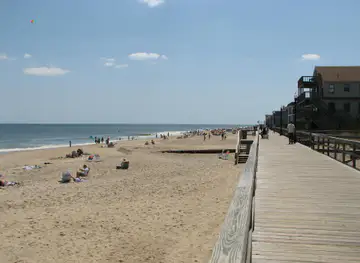
-
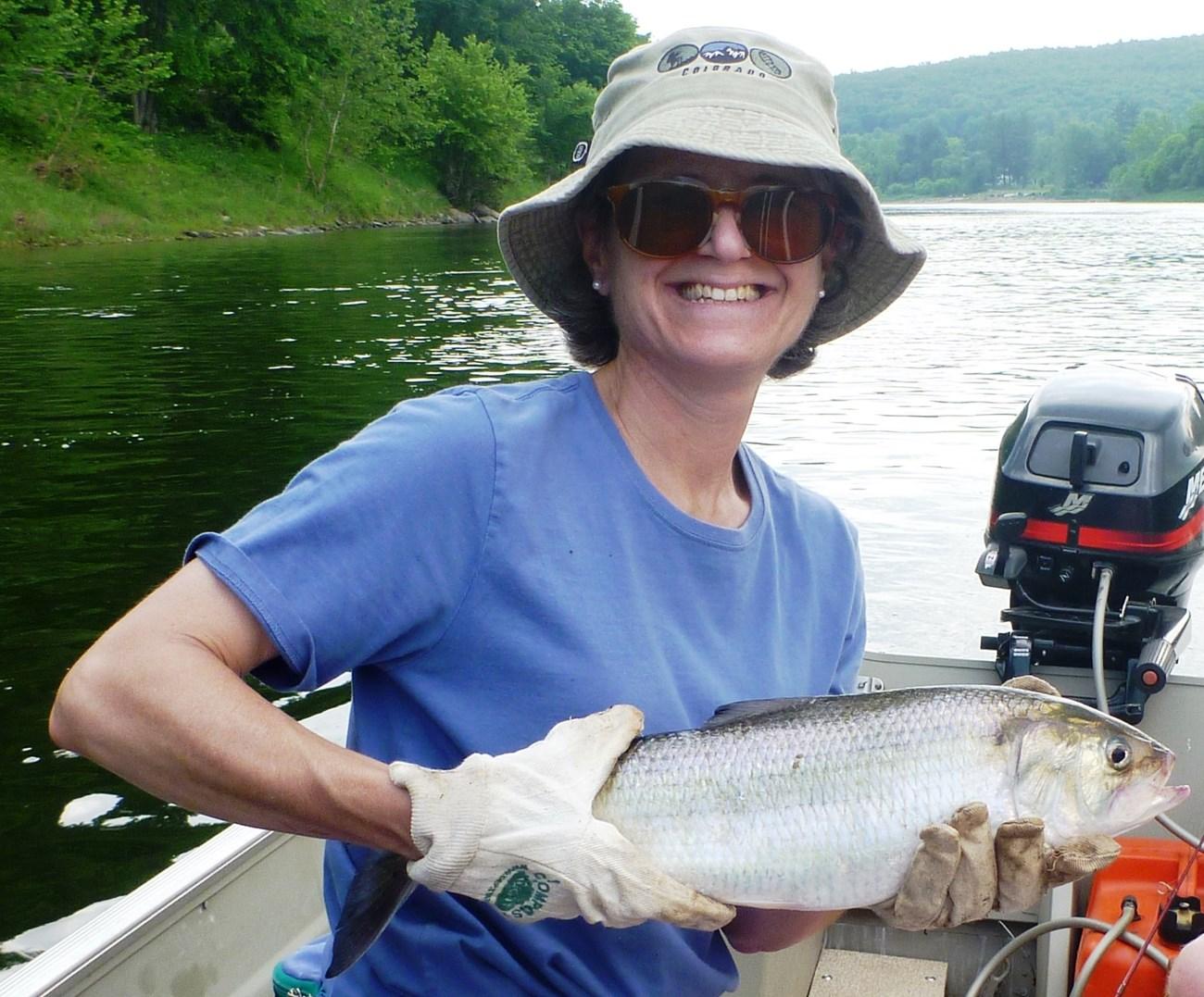 Milford
, Delaware, pairs a historic Mispillion River downtown with galleries, local dining, museums, trails and easy access to Delaware’s coast and beaches.
Milford
Milford, Delaware, pairs a historic Mispillion River downtown with galleries, local dining, museums, trails and easy access to Delaware’s coast and beaches.


Swipe for more cities
Destinations in The Lewes and Rehoboth Canal Area
Resorts, valleys and scenic spots worth a trip of their own.
-
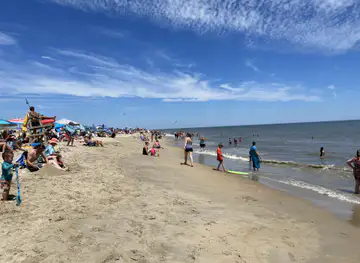
-

-
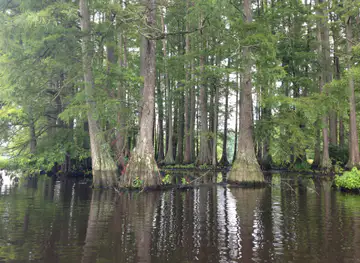
-

-

-


Swipe for more destinations
Best attractions in The Lewes and Rehoboth Canal Area
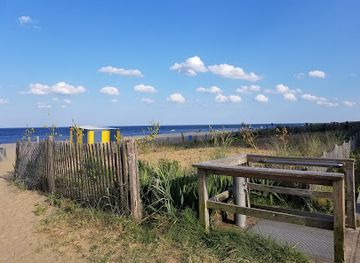
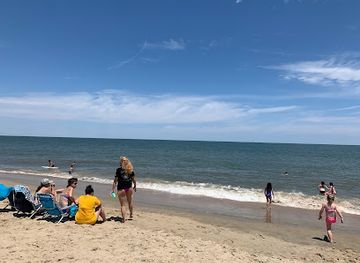
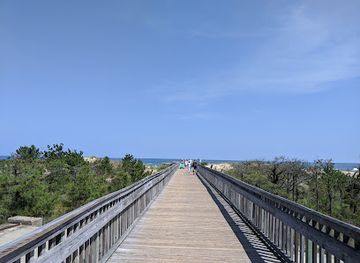
The area's attractions range from historic streets and museums to beaches, wetlands and military heritage. In Lewes, the Zwaanendael Museum introduces the town's Dutch beginnings, while the maritime setting, historic houses and waterfront provide context for the region's later shipping and fishing economy. Cape Henlopen State Park offers beaches, dunes, maritime forest, birdwatching, walking and cycling trails, together with the remains and interpretation of Fort Miles. Rehoboth Beach centres on its Atlantic beach and boardwalk, where bathing, arcades, family amusements, seasonal events and people-watching form a distinctly traditional resort experience. Dewey Beach is suited to swimming, paddle sports and bay-side recreation, although conditions and regulations vary. The Lewes and Rehoboth Canal, tidal creeks and surrounding marshes are valuable for kayaking, photography and observing coastal wildlife. Short journeys between these settings reveal the area's contrast between preserved natural landscapes, older settlements and intensely seasonal resort development.
-
State park
Cape Henlopen State Park
Discover pristine beaches, historic WWII sites, and outdoor adventures at Delaware's Cape Henlopen State Park, where the bay meets the ocean.
-
Amusement park
Funland
Experience classic boardwalk fun at Funland in Rehoboth Beach, DE, with rides, games, and attractions for the whole family!
-
Whale watching tour agency
Cape May Whale Watcher
Discover the wonders of marine life with Cape May Whale Watcher, where breathtaking boat tours meet educational adventure in the heart of New Jersey.
-
Tourist attraction
Bethany Beach Boardwalk
Experience classic seaside charm on Bethany Beach's family-friendly boardwalk with shops, eateries, summer concerts, and stunning ocean views.


Best landmarks in The Lewes and Rehoboth Canal Area
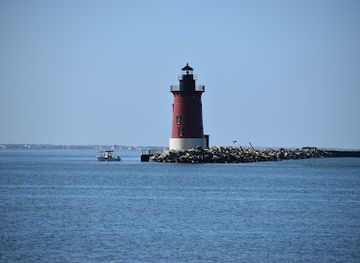
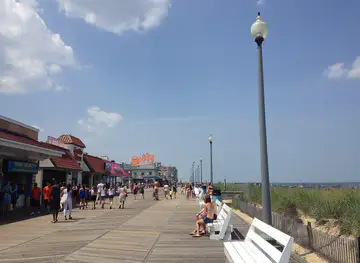
The most recognisable landmark in the area is the Rehoboth Beach boardwalk, a long seafront promenade that represents the continuity of the town's resort tradition while leading to beaches, arcades and seasonal businesses. In Lewes, the Zwaanendael Museum is distinctive for its stepped-gable design inspired by Dutch architecture and serves as a visible reminder of the town's seventeenth-century colonial associations. The historic centre's preserved houses and churches are less monumental but collectively important, revealing the town's maritime prosperity and civic development. Cape Henlopen's lighthouses, dunes and former Fort Miles installations mark the strategic entrance to Delaware Bay, where natural shoreline and twentieth-century defence history overlap. The Lewes and Rehoboth Canal is itself a defining infrastructural landmark: its bridges, banks and connections between bay systems make the peninsula's engineered relationship with water visible. Silver Lake and the narrow barrier setting of Dewey Beach provide further geographical reference points, showing how resorts developed between freshwater or tidal lagoons and the open Atlantic.
-
Beach
Rehoboth Beach
Experience the charm of Rehoboth Beach, Delaware, where stunning sandy shores meet a lively boardwalk filled with attractions and delicious dining options.
-
State park
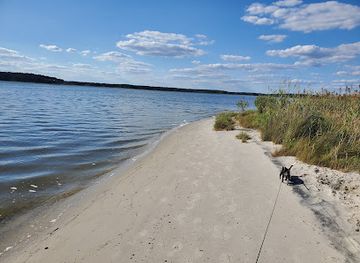
Cape Henlopen State Park
Explore Cape Henlopen State Park, a stunning coastal paradise in Delaware with beaches, hiking trails, and rich history, perfect for outdoor enthusiasts.
-
Historical landmark
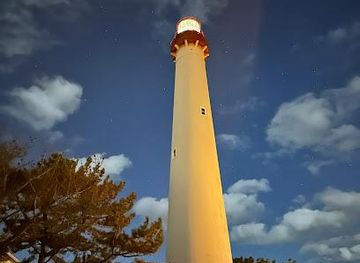
Cape May Lighthouse
Discover the iconic Cape May Lighthouse, a historical beacon offering breathtaking views and a glimpse into New Jersey's maritime heritage.
-
State park
Fenwick Island State Park
Explore Fenwick Island State Park: A Coastal Haven for Outdoor Adventures, Scenic Trails, and Pristine Beaches in Delaware.
Explore The Lewes and Rehoboth Canal Area on the map
Plan your trip on one map. See where the top cities, national parks and sights are, and book hotels and experiences in a few clicks.
Best hotels in The Lewes and Rehoboth Canal Area
Best restaurants in The Lewes and Rehoboth Canal Area
Dining in the Lewes and Rehoboth Canal Area is shaped by Delaware's coastal position and by the large summer visitor population. Seafood features prominently, including crab, oysters, clams, scallops and locally prepared fish, while casual beach restaurants serve fried seafood, sandwiches, burgers and ice cream. Lewes has cafés, bakeries, restaurants and food shops within and near its historic centre, with a more measured atmosphere than the busiest resort streets. Rehoboth Beach offers the broadest range, from long-established boardwalk concessions to independent restaurants, breweries, international cooking and more formal dining. Dewey Beach is concentrated around informal meals, seafood, bars and seasonal resort establishments. Farmers' markets and specialty shops provide opportunities to buy regional produce, baked goods and prepared foods, although availability changes with the season. Reservations are sensible for popular summer evenings, and diners should remember that gratuity is normally added separately in the United States.
-
Seafood
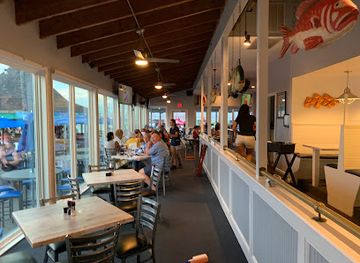
Harpoon Hanna's
Discover Harpoon Hanna's - A family-friendly seafood restaurant offering delicious dishes and stunning marina views in Fenwick Island.
-
American
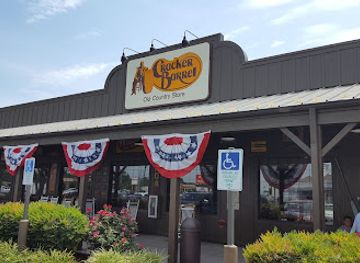
Cracker Barrel Old Country Store
Discover the charm of Cracker Barrel Old Country Store in Rehoboth Beach—where Southern comfort food meets delightful shopping in a cozy setting.
-
American
Cottage Cafe
Experience the best of American cuisine at Cottage Cafe, where coastal charm meets delicious dining in Bethany Beach.
-
Seafood
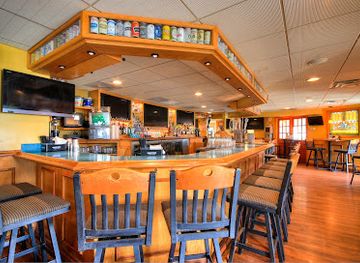
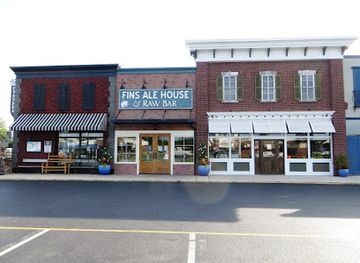
Fins Ale House and Raw Bar
Experience fresh seafood delights at Fins Ale House and Raw Bar in Rehoboth Beach - where flavor meets coastal charm.
Best bars in The Lewes and Rehoboth Canal Area
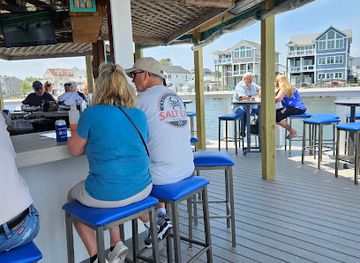
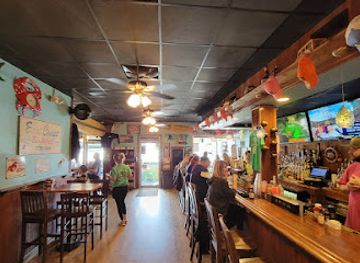
Evening life varies sharply between the three main communities. Lewes is oriented towards restaurants, wine bars, breweries, cafés and quieter historic-town evenings, with cultural events and live music appearing seasonally rather than a large club scene. Rehoboth Beach has the region's broadest choice of pubs, cocktail bars, brewery taprooms, live entertainment and late-opening resort venues, especially around the boardwalk and central commercial streets. Dewey Beach is the most concentrated nightlife centre, with beach bars, casual venues, dancing and seasonal evening entertainment close to both the Atlantic and Rehoboth Bay. Summer weekends are the busiest, while the pace becomes considerably quieter outside the main season. Visitors should check current age policies, transport options and closing arrangements, and should not assume that a venue's summer schedule continues through the winter.
-
Seafood
Harpoon Hanna's
Experience the best of coastal dining at Harpoon Hanna's, a family-friendly seafood restaurant offering stunning marina views and lively entertainment.
-
Grill
Woody's Dewey Beach
Discover Woody's Dewey Beach, where fresh seafood and American classics meet a vibrant beachside atmosphere, perfect for your coastal getaway.
-
Pub
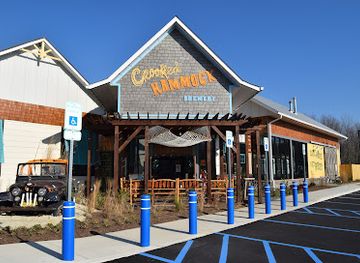
Crooked Hammock Brewery
Experience the vibrant atmosphere of Crooked Hammock Brewery, where craft beers and delicious food meet relaxation in Lewes, Delaware.
-
Grill
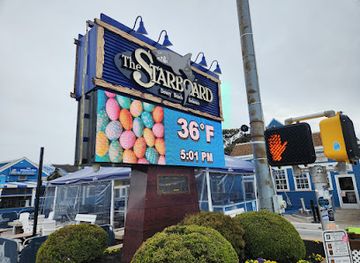
The Starboard
Experience the vibrant atmosphere and delicious grill cuisine at The Starboard in Dewey Beach, a local favorite for food lovers and night owls alike.
Best nightclubs in The Lewes and Rehoboth Canal Area
Evening life varies sharply between the three main communities. Lewes is oriented towards restaurants, wine bars, breweries, cafés and quieter historic-town evenings, with cultural events and live music appearing seasonally rather than a large club scene. Rehoboth Beach has the region's broadest choice of pubs, cocktail bars, brewery taprooms, live entertainment and late-opening resort venues, especially around the boardwalk and central commercial streets. Dewey Beach is the most concentrated nightlife centre, with beach bars, casual venues, dancing and seasonal evening entertainment close to both the Atlantic and Rehoboth Bay. Summer weekends are the busiest, while the pace becomes considerably quieter outside the main season. Visitors should check current age policies, transport options and closing arrangements, and should not assume that a venue's summer schedule continues through the winter.
-
American
Big Chill Beach Club
Experience the best of American cuisine at Big Chill Beach Club, where every meal is a celebration of coastal flavors and vibrant atmosphere.
-
Seafood
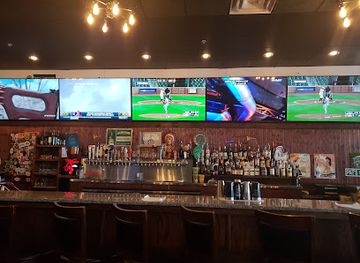
Hooked Up Ale House & Raw Bar
Experience the best of seafood dining and sports entertainment at Hooked Up Ale House & Raw Bar in Millville, Delaware.
-
Bar
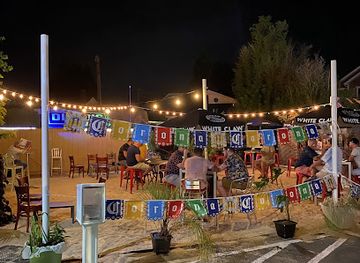
Big Chill Surf Cantina
Experience the vibrant beachside atmosphere at Big Chill Surf Cantina, where refreshing drinks and lively nights await in Rehoboth Beach.
-
Gay night club
Diego's Bar Nightclub, Rehoboth Avenue Extension, Rehoboth Beach, DE
Dive into the vibrant nightlife at Diego's Bar Nightclub, Rehoboth Beach's premier gay bar for dancing, drinks, and unforgettable events!


Best shops in The Lewes and Rehoboth Canal Area
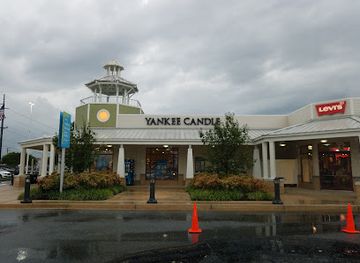
Shopping is concentrated in the historic streets and waterfront area of Lewes, the commercial centre and boardwalk of Rehoboth Beach, and the seasonal shops of Dewey Beach. Lewes is known for independent boutiques, antiques, galleries, books, homewares and locally themed gifts, with historic buildings giving many shops a distinctive setting. Rehoboth Beach combines national brands and everyday retail with independent clothing shops, art galleries, beachwear, confectionery, souvenirs and boardwalk stalls. Dewey Beach is more focused on casual resort clothing, equipment, gifts and practical beach items. Farmers' markets and specialty food shops can provide local produce, baked goods, preserves and seafood, depending on the season. Delaware's absence of a state sales tax is useful for shoppers, though prices and local taxes or fees can still vary by product and business. Outside the summer season, some coastal retailers reduce their hours, so Lewes generally offers the most dependable year-round browsing.
-
Outlet mall
Tanger Rehoboth Beach - Seaside
Discover unbeatable deals and a diverse selection of brand-name stores at Tanger Rehoboth Beach - Seaside, the ultimate outlet shopping destination.
-
Shopping mall
Washington Street Mall
Discover the unique shops and eateries at Washington Street Mall, a charming open-air shopping experience in Cape May, NJ.
-
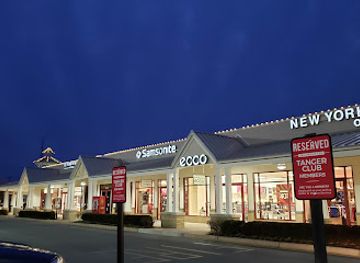
Outlet mall
Tanger Rehoboth Beach - Surfside
Discover unbeatable deals and delightful dining options at Tanger Rehoboth Beach - Surfside, your ultimate outlet shopping destination.
-
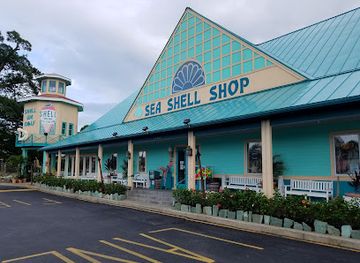
Gift shop
Sea Shell Shop
Explore the Sea Shell Shop in Rehoboth Beach for unique coastal gifts and treasures that capture the essence of the shore.
Get your free copy of our complete guide to The Lewes and Rehoboth Canal Area, delivered straight to you.
Everything on this page, from attractions and restaurants to essentials and local phrases, in one PDF you can read offline, print or share.
Already have an account? Sign in
Your The Lewes and Rehoboth Canal Area guide is ready.
We'll send it to · Not you? Sign out

Getting your guide ready…
We are putting together a fresh copy of the The Lewes and Rehoboth Canal Area guide. This can take up to a minute.
This can take a few moments. If your browser asks, choose Allow so the download can start. You'll find the guide in your Downloads folder.
Nothing happened? Download it again
Sorry, the guide is taking longer than usual. Please try again in a minute, or get it by email instead.
The Lewes and Rehoboth Canal Area essentials
Currency and Payment
Safety
Emergency Situations
Do's and Don'ts
Local Tips
From Eve
Local phrases worth knowing
You don't need to get them perfect. A few words go a long way, and locals appreciate the effort.
Basics
| English | Local | Say it |
|---|---|---|
| Hello | Hey there | [Hay thair] |
| Goodbye | See ya | [See yah] |
| Yes | Yep | [Yep] |
| No | Nope | [Nope] |
| Please/You're welcome | Sure thing | [Shoor thing] |
| Thank you | Thanks a lot | [Thangs a lot] |
| Excuse me/Sorry | Pardon me | [Pardon me] |
| How are you? | How ya doin'? | [How yah doin'?] |
| Fine. And you? | Good. You? | [Good. You?] |
| Do you speak English? | Do ya speak English? | [Doo yah speak English?] |
| I don't understand | I ain't followin' | [I ain't followin'] |
Eating & Drinking
| English | Local | Say it |
|---|---|---|
| I'd like to see the menu, please | Can I see the menu? | [Can I see the menu?] |
| I don't eat meat | I'm a vegetarian | [I'm a vege-tarian] |
| Cheers! | Cheers! | [Cheers!] |
| I would like to pay, please | Can I get the check? | [Can I get the check?] |
Emergencies
| English | Local | Say it |
|---|---|---|
| Help! | Help! | [Help!] |
| Go away! | Back off! | [Back off!] |
| Call the Police! | Call the cops! | [Call the cops!] |
| Call a doctor! | Get a doc! | [Get a doc!] |
| I'm lost | I'm turned around | [I'm turned around] |
| I'm ill | I'm not feelin' well | [I'm not feelin' well] |
Shopping
| English | Local | Say it |
|---|---|---|
| I'd like to buy... | I wanna buy... | [I wanna buy...] |
| I'm just looking | Just browsin' | [Just browsin'] |
| How much is it? | What's the price? | [What's the price?] |
| That's too expensive | That's way too pricey | [That's way too pricey] |
| Can you lower the price? | Can ya knock off some? | [Can yah knock off some?] |
Time & Numbers
| English | Local | Say it |
|---|---|---|
| What time is it? | What time ya got? | [What time yah got?] |
| It's one o'clock | It's one | [It's one] |
| Half past (10) | Half past ten | [Half past ten] |
| Morning | Mornin' | [Mornin'] |
| Afternoon | Afternoon | [Afternoon] |
| Evening | Evenin' | [Evenin'] |
| Yesterday | Yestiddy | [Yestiddy] |
| Today | Today | [Today] |
| Tomorrow | Tomorra | [Tomorra] |
| 1 | One | [One] |
| 2 | Two | [Two] |
| 3 | Three | [Three] |
| 4 | Four | [Four] |
| 5 | Five | [Five] |
| 6 | Six | [Six] |
| 7 | Seven | [Seven] |
| 8 | Eight | [Eight] |
| 9 | Nine | [Nine] |
| 10 | Ten | [Ten] |
Transport & Directions
| English | Local | Say it |
|---|---|---|
| Where's a/the...? | Where's the nearest...? | [Where's the nearest...?] |
| What's the address? | What's the addy? | [What's the addy?] |
| Can you show me (on the map)? | Can ya point it out? | [Can yah point it out?] |
| When's the next (bus)? | When's the next bus? | [When's the next bus?] |
| A ticket (to ....) | One ticket to ... | [One ticket to ...] |
History of The Lewes and Rehoboth Canal Area
Indigenous Coastal Landscapes Before European Settlement
Before European colonisation, the bays, marshes and forests around present-day Lewes and Rehoboth were used and managed by Indigenous peoples, including communities associated with the Lenape. Tidal creeks and coastal waters supported fishing, shellfish gathering and travel, while the peninsula's forests supplied materials and game. Seasonal movement and knowledge of waterways were central to life in this low-lying environment. Although later settlement transformed the shoreline, Indigenous place-names, archaeological evidence and the geography of the bays remain part of the area's deeper history.
Dutch Zwaanendael and the Founding of Lewes, 1631
In 1631 the Dutch established Zwaanendael, one of the earliest European settlements in Delaware, near present-day Lewes. The venture ended disastrously after conflict with local Indigenous people, but the settlement gave the area a lasting place in the history of European colonisation along Delaware Bay. Later Dutch and English claims competed for control of the region before English authority became dominant. Modern Lewes preserves this early history through its name, museums and older waterfront setting, although the original settlement itself has not survived as an intact town.
Colonial Lewes and Maritime Commerce
Lewes developed as a port and commercial settlement during the colonial period and after the creation of Delaware as a separate state. Its position at the mouth of Delaware Bay made it useful for coastal shipping, pilotage, fishing and trade, while nearby farms supplied food and raw materials. Storms, shifting shoals and the exposed nature of the bay influenced both commerce and defence. The historic houses and street plan around central Lewes reflect the prosperity of merchants, sea captains and other residents who depended on the region's maritime economy.
Coastal Defence and the Second World War
The mouth of Delaware Bay became strategically important to the defence of shipping routes and industrial centres farther inland. Fort Miles, constructed in Cape Henlopen during the Second World War, formed part of the coastal defence system protecting Delaware Bay. Its batteries, observation structures and associated military remains are now interpreted within Cape Henlopen State Park. The fortifications demonstrate how the area's beaches and dunes were valued not only for recreation but also for their military position overlooking the bay and Atlantic approaches.
The Lewes and Rehoboth Canal, Early Twentieth Century
The Lewes and Rehoboth Canal was completed in the early twentieth century, with the principal waterway opening in 1913 after efforts to improve navigation, drainage and connections between Delaware Bay and Rehoboth Bay. It supported local movement of goods and helped shape the settlement pattern along its banks, even though it never became a major commercial canal on the scale of industrial waterways elsewhere in the United States. Today, the canal is an important landscape feature and a reminder of attempts to adapt the peninsula's wetlands and tidal geography for transport and economic development.
The Rise of Delaware's Seaside Resorts
Rehoboth Beach grew from a nineteenth-century religious camp-meeting community into a major seaside resort, while Lewes developed a related but more historic maritime identity. Improved roads, rail connections and later widespread car ownership brought increasing numbers of visitors from the Mid-Atlantic. Boardwalk entertainment, hotels, bathing beaches and seasonal businesses became central to Rehoboth's economy. Dewey Beach, situated between the Atlantic Ocean and Rehoboth Bay, developed its own resort character, with water-based recreation and evening entertainment adding to the area's coastal tourism.
Conservation and a Modern Coastal Economy
During the later twentieth century and into the present, conservation became increasingly important as development, traffic and seasonal pressure grew along the Delaware coast. Cape Henlopen State Park protects dunes, maritime forest, beaches and historic military sites, while other protected wetlands and public shorelines preserve fragments of the region's natural systems. The contemporary economy combines tourism, hospitality, retail, recreation, fishing and services. The canal area therefore brings together a working coastal landscape, historic communities and resort development, all shaped by the same vulnerable peninsula of land and water.
The Lewes and Rehoboth Canal Area in Photos
Browse through our photo collection highlighting the charm and character of the destination.
Neighbouring regions of The Lewes and Rehoboth Canal Area
The closest regions to The Lewes and Rehoboth Canal Area, if you have time for more than one.
-

-

-

-

-


Swipe for more regions
Explore more
Explore more of Delaware
Discover Delaware: From historic sites and serene beaches to culinary delights and scenic parks, this small state offers big experiences for every traveler.
Explore Delaware