

Free Delmarva Peninsula Travel Guide & Mobile App
Explore Delmarva Peninsula with free travel guides. Discover regional history, expert tips, proposed trips, and audio guides on web or mobile app.


Explore the Delmarva Peninsula across Delaware, Maryland and Virginia for Atlantic beaches, Chesapeake towns, wildlife refuges and seafood traditions.
Read more about Delmarva Peninsula
Getting to and around Delmarva Peninsula
How to get there
Transportation
Top city travel guides in Delmarva Peninsula
The cities of Delmarva Peninsula, and the easiest places to base yourself.
-

-
-

-
-
 Milford
, Delaware, pairs a historic Mispillion River downtown with galleries, local dining, museums, trails and easy access to Delaware’s coast and beaches.
-


Swipe for more cities
Destinations in Delmarva Peninsula
Resorts, valleys and scenic spots worth a trip of their own.
-
-
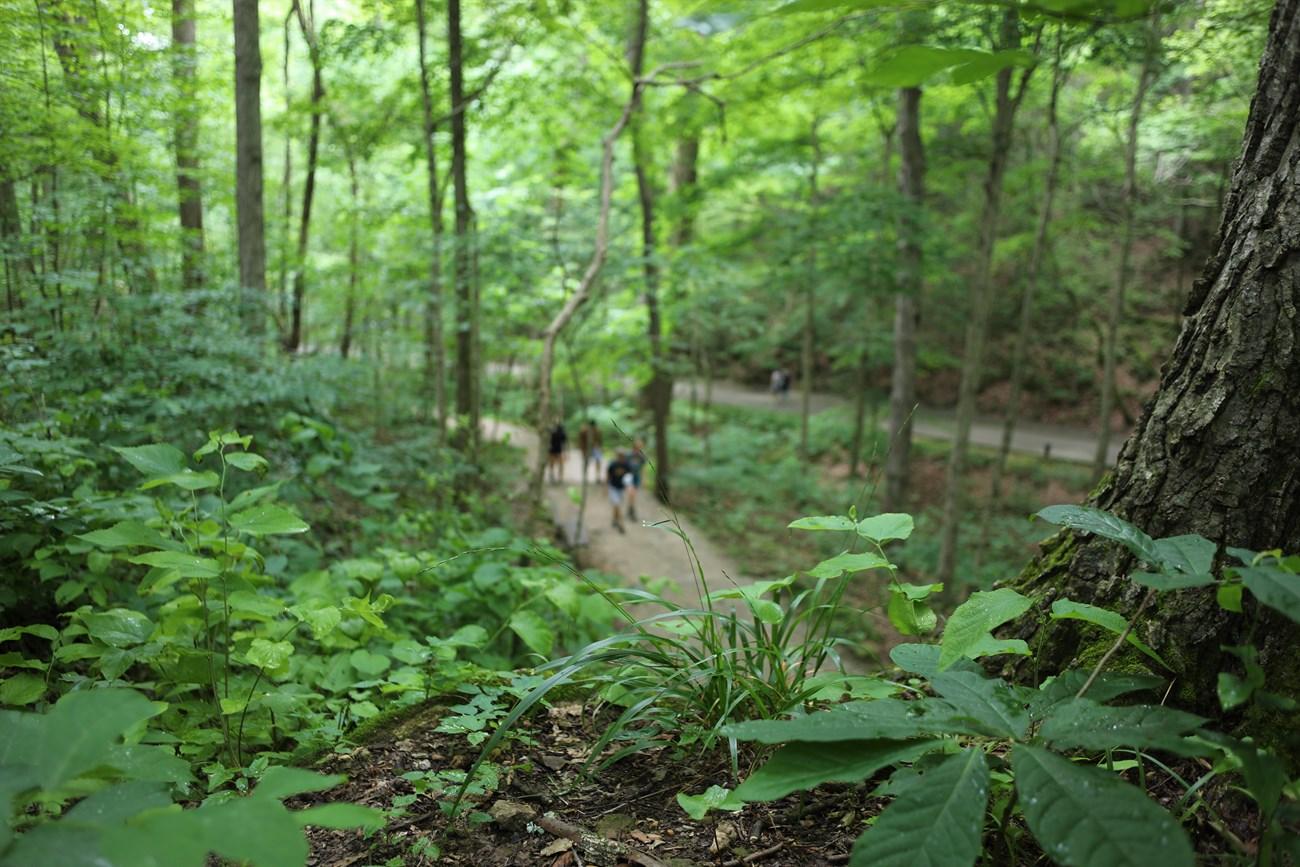 Lums Pond State Park
 in Delaware offers woodland trails, freshwater boating, fishing, camping and treetop adventures near Bear and Newark.
-

-

-
-


Swipe for more destinations
Best attractions in Delmarva Peninsula
Delmarva’s attractions range from Atlantic beaches and boardwalks to quiet Chesapeake waterways and extensive wildlife habitat. Northern visitors can explore the maritime heritage of Lewes and Cape Henlopen, while Rehoboth Beach and Bethany Beach combine swimming, boardwalk culture and seasonal family recreation. Maryland’s Eastern Shore offers historic ports such as Chestertown, Cambridge and Oxford, together with sailing, kayaking and scenic drives through farmland and tidal creeks. Blackwater National Wildlife Refuge is important for wetland habitats and birdwatching, and Assateague Island is known for its barrier-island scenery, beaches and free-roaming wild ponies. On Virginia’s Eastern Shore, Onancock and Cape Charles provide access to local history, bay views and a slower maritime rhythm. Museums, historic houses, lighthouses, working harbours, nature trails and farm markets contribute to the region’s breadth. Activities are strongly seasonal: summer favours beach recreation, spring and autumn are well suited to wildlife and heritage touring, and winter offers quieter coastal landscapes. Visitors should distinguish protected natural areas from developed resorts and follow access rules designed to protect dunes, marshes and nesting wildlife.
-
State park
Cape Henlopen State Park
Explore pristine beaches, historic sites, and diverse ecosystems at Cape Henlopen State Park in Lewes, Delaware.
-
Park
Cupola Park
Discover history and nature at Cupola Park in Millsboro, DE: a scenic waterfront park with events, playgrounds, and the town's iconic bald cypress tree.
-
Nature preserve
DuPont Nature Center
Explore Delaware Bay's wonders at the DuPont Nature Center: wildlife, education, and stunning views await!
-
Museum
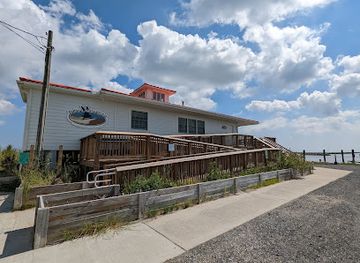
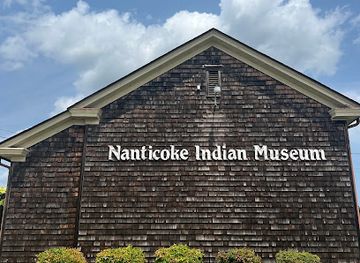
Nanticoke Indian Museum
Discover the vibrant culture and enduring legacy of the Nanticoke people at Delaware's only Native American museum.


Best landmarks in Delmarva Peninsula
The peninsula’s most recognisable landmarks express its relationship with water, defence, settlement and conservation. Cape Henlopen Lighthouse and the coastal defences at Fort Miles mark Delaware’s strategic position at the entrance to Delaware Bay, while the historic streets and harbour of Lewes preserve the character of one of the area’s oldest European-settled towns. In Maryland, the Choptank River waterfront at Cambridge, the colonial-era buildings of Chestertown and the harbour setting of Oxford reveal the importance of bay trade and river transport. Assateague Island is a natural landmark rather than an architectural one, defined by shifting dunes, barrier beaches, marshes and wild ponies; the island is shared across Maryland and Virginia and should be explored according to the rules of the relevant protected area. Cape Charles, at the southern end of the Virginia Eastern Shore, is notable for its planned streets, late nineteenth-century architecture and position beside the Chesapeake Bay. Across the peninsula, lighthouses, church spires, courthouse greens, working docks and long causeways provide visual reminders of a landscape shaped by tides, farming and regional commerce.
-
Historical landmark
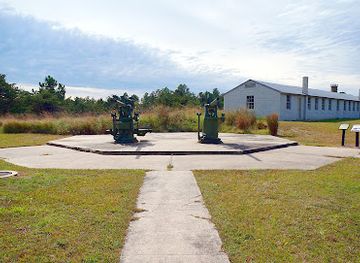
Fort Miles Historical Area
Explore the rich military history at Fort Miles Historical Area in Delaware, a captivating historical landmark with breathtaking views and engaging exhibits.
-
History museum
The Lewes Historical Society Main Campus
Discover the rich history of Lewes at The Lewes Historical Society Main Campus, where the past comes alive through engaging exhibits and restored landmarks.
-
Historical place museum
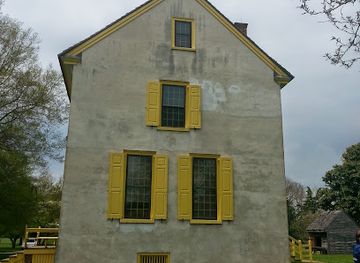
John Dickinson Plantation
Experience the legacy of John Dickinson at his beautifully preserved plantation in Dover, Delaware, where history comes alive in a picturesque setting.
-
Museum
Nanticoke Indian Museum
Explore the Nanticoke Indian Museum, a cultural gem in Delaware that celebrates the rich history and traditions of the Nanticoke tribe through captivating exhibits and artifacts.


Explore Delmarva Peninsula on the map
Plan your trip on one map. See where the top cities, national parks and sights are, and book hotels and experiences in a few clicks.
Best hotels in Delmarva Peninsula
Best restaurants in Delmarva Peninsula
Delmarva’s food culture reflects its bays, farms and coastal resorts. Blue crab is a defining Chesapeake ingredient, commonly served steamed or incorporated into crab cakes, while oysters, clams, locally caught fish and other seafood appear in waterfront restaurants, casual markets and seasonal crab houses. Maryland’s Eastern Shore is also associated with regional crab seasoning traditions, and Delaware and Virginia contribute their own coastal preparations and fish-fry customs. Inland, poultry and agricultural production influence everyday menus, while farm stands supply corn, tomatoes, peaches and other seasonal produce. Small-town cafés, diners, brewpubs, rural inns and resort restaurants sit alongside more formal dining rooms in beach communities. In southern Delaware and nearby areas, scrapple reflects the broader Mid-Atlantic culinary tradition, while Virginia’s Eastern Shore has links to seafood, produce and the wider culture of the Chesapeake. Menus change with catches, weather and tourism seasons, so visitors should look for locally sourced claims rather than assuming every seafood dish is regional.
-
Breakfast
Frankford Family Diner
Experience classic American comfort food at Frankford Family Diner – where every meal feels like home!
-
American
Long Neck Diner
Experience the warmth and flavor of classic American breakfasts at Long Neck Diner in Millsboro, Delaware.
-
American
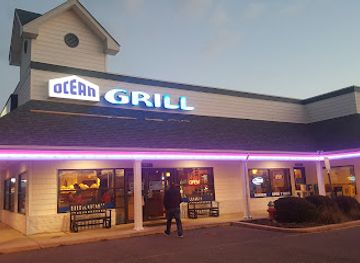
Ocean Grill Longneck
Experience delicious American cuisine at Ocean Grill Longneck—where hearty breakfasts meet welcoming vibes in Millsboro, Delaware.
-
Seafood
JP's on the Wharf
Experience fresh seafood and vibrant drinks at JP's on the Wharf in Frederica - your go-to destination for coastal flavors.

Best bars in Delmarva Peninsula
Evening life varies considerably across Delmarva. Rehoboth Beach, Dewey Beach, Bethany Beach, Ocean City and other resort communities have the greatest concentration of bars, casual nightlife, live music and seasonal entertainment, with activity increasing during summer. Historic towns such as Lewes, Cambridge, Chestertown, Onancock and Cape Charles offer a quieter selection of pubs, wine bars, restaurants and occasional live-music venues, often centred on waterfront or historic commercial streets. In rural areas, the traditional evening focus is more likely to be a local pub, brewery, restaurant or community event than a nightclub. Some breweries and distilleries draw visitors in the inland towns and agricultural districts, but opening arrangements and entertainment schedules vary. Nightlife can become much quieter outside the holiday season, particularly on the Virginia Eastern Shore. Visitors should arrange transport in advance in rural areas and avoid treating alcohol as a substitute for designated-driver or taxi planning.
-
Seafood
Harpoon Hanna's
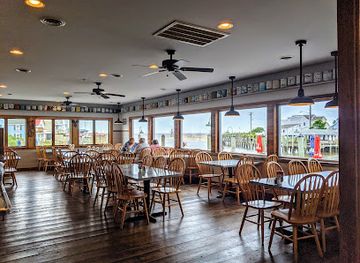
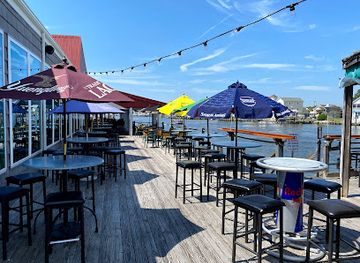
Experience the flavors of the sea at Harpoon Hanna's, Fenwick Island's favorite seafood dining spot with stunning marina views.
-
Bar
Harrington Raceway & Casino
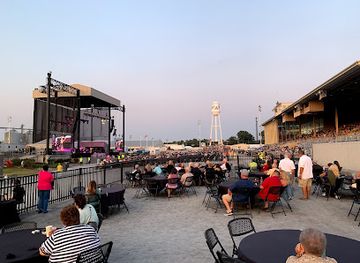
Discover the excitement of Harrington Raceway & Casino, where thrilling horse races, gaming, and delightful dining await in Delaware.
-
Bar
Paradise Grill
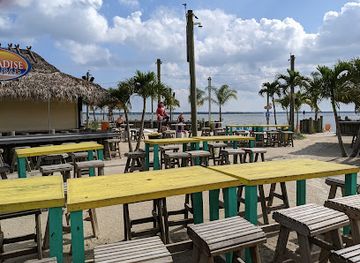
Discover the vibrant atmosphere and delicious grilled specialties at Paradise Grill, Millsboro's favorite waterfront bar and restaurant.
-
Pub
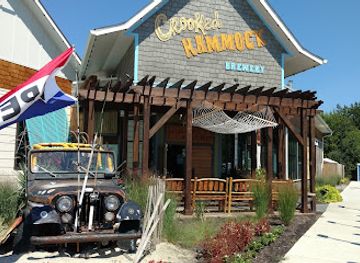
Crooked Hammock Brewery
Experience the best of local craft beer and delicious food at Crooked Hammock Brewery in Lewes, Delaware.
Best nightclubs in Delmarva Peninsula
Evening life varies considerably across Delmarva. Rehoboth Beach, Dewey Beach, Bethany Beach, Ocean City and other resort communities have the greatest concentration of bars, casual nightlife, live music and seasonal entertainment, with activity increasing during summer. Historic towns such as Lewes, Cambridge, Chestertown, Onancock and Cape Charles offer a quieter selection of pubs, wine bars, restaurants and occasional live-music venues, often centred on waterfront or historic commercial streets. In rural areas, the traditional evening focus is more likely to be a local pub, brewery, restaurant or community event than a nightclub. Some breweries and distilleries draw visitors in the inland towns and agricultural districts, but opening arrangements and entertainment schedules vary. Nightlife can become much quieter outside the holiday season, particularly on the Virginia Eastern Shore. Visitors should arrange transport in advance in rural areas and avoid treating alcohol as a substitute for designated-driver or taxi planning.
-
Gay night club
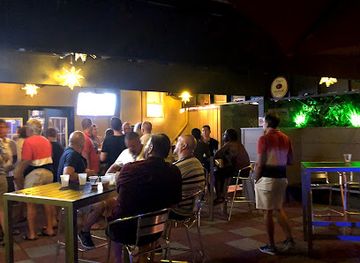
Diego's Bar Nightclub, Rehoboth Avenue Extension, Rehoboth Beach, DE
Discover the lively atmosphere of Diego's Bar Nightclub, a premier gay nightclub in Rehoboth Beach, perfect for dancing, drinks, and unforgettable nights.
-
Gay bar
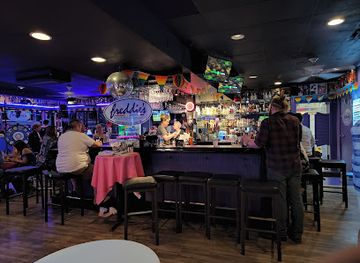
Freddies Beach Bar - Rehoboth Beach
Experience the lively spirit of Freddies Beach Bar, a premier gay bar in Rehoboth Beach, offering delicious brunches and unforgettable nightlife.
-
Gay night club
Crimson Moon
Discover the heart of Wilmington's nightlife at Crimson Moon, a vibrant gay nightclub offering unforgettable dance experiences and inclusive celebrations.
-
Night club
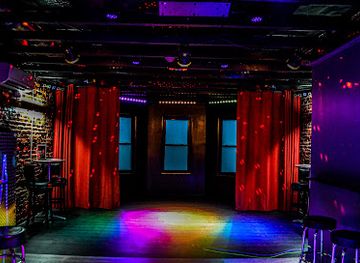
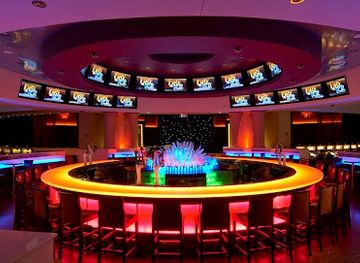
Fire & Ice at Dover Downs Hotel & Casino
Discover the thrill of nightlife at Fire & Ice, a premier club and lounge in Dover, DE, offering great music, drinks, and an unforgettable atmosphere.
Best shops in Delmarva Peninsula
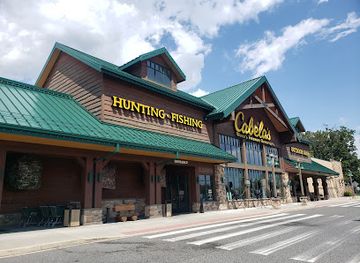
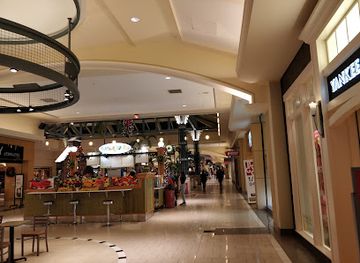
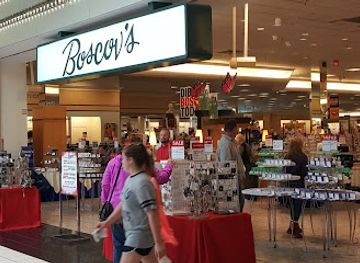
Shopping on Delmarva is strongest in historic town centres, resort districts and rural food-producing areas rather than in one dominant metropolitan retail zone. Lewes, Rehoboth Beach, Cape Charles, Chestertown, Cambridge and Onancock have independent shops, galleries, bookshops, antiques and locally oriented gifts, although the balance changes between the busy summer season and quieter winter months. Beach resorts add clothing, surf and seaside merchandise, while historic towns tend to offer arts, crafts and architectural or maritime-themed goods. Farm stands and seasonal markets are useful places to look for local fruit, vegetables, honey, preserves, baked goods and regional seafood, subject to availability and food-safety arrangements. Visitors may also find pottery, paintings, jewellery, woodwork and textiles made by artists from the Eastern Shore and surrounding states. Large everyday retail centres exist in parts of Delaware and Maryland, but they are less distinctive than the small-town commercial streets and producer outlets. Check state boundaries and sales-tax rules when comparing prices, as Delaware does not impose a state sales tax while Maryland and Virginia do.
-
Shopping mall
Christiana Mall
Discover the ultimate shopping experience at Christiana Mall in Newark, Delaware, with diverse stores, dining, and entertainment for all ages.
-
Shopping mall
Concord Mall
Explore Concord Mall in Wilmington, DE – a vibrant shopping center with diverse stores, dining options, and entertainment for the perfect day out.
-
Shopping mall
Dover Mall
Dover Mall: Your ultimate shopping and entertainment destination in Delaware, featuring diverse stores, dining, and a cinema.
-
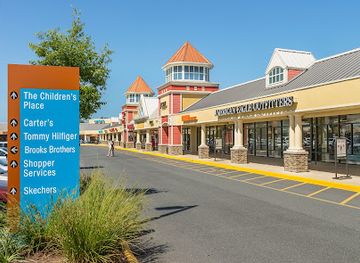
Outlet mall
Outlets Ocean City
Discover unbeatable deals and family fun at Outlets Ocean City, a premier shopping destination in Maryland, featuring top brands and delightful dining.
Get your free copy of our complete guide to Delmarva Peninsula, delivered straight to you.
Everything on this page, from attractions and restaurants to essentials and local phrases, in one PDF you can read offline, print or share.
Already have an account? Sign in
Your Delmarva Peninsula guide is ready.
We'll send it to · Not you? Sign out

Getting your guide ready…
We are putting together a fresh copy of the Delmarva Peninsula guide. This can take up to a minute.
This can take a few moments. If your browser asks, choose Allow so the download can start. You'll find the guide in your Downloads folder.
Nothing happened? Download it again
Sorry, the guide is taking longer than usual. Please try again in a minute, or get it by email instead.
Delmarva Peninsula essentials
Currency and Payment
Safety
Emergency Situations
Do's and Don'ts
Local Tips
From Eve
Local phrases worth knowing
You don't need to get them perfect. A few words go a long way, and locals appreciate the effort.
Basics
| English | Local | Say it |
|---|---|---|
| Hello | Howdy | [Ha-dee] |
| Goodbye | See ya | [See yah] |
| Yes | Yep | [Yep] |
| No | Nah | [Nah] |
| Please/You’re welcome | No problem | [No prob-lum] |
| Thank you | Thanks a lot | [Thanks a lot] |
| Excuse me/Sorry | Sorry 'bout that | [Sorry 'bout that] |
| How are you? | How ya doin'? | [How ya doin'?] |
| Fine. And you? | I'm good. And you? | [I'm good. An' you?] |
| Do you speak English? | You speakin' English? | [You speakin' English?] |
| I don't understand | I ain't gettin' it | [I ain't gettin' it] |
Eating & Drinking
| English | Local | Say it |
|---|---|---|
| I'd like to see the menu, please | Can I see the menu, please? | [Can I see the menu, please?] |
| I don't eat meat | I don't do meat | [I don't do meat] |
| Cheers! | Cheers! | [Cheers!] |
| I would like to pay, please | Can I get the check, please? | [Can I get the check, please?] |
Emergencies
| English | Local | Say it |
|---|---|---|
| Help! | Help! | [Help!] |
| Go away! | Get lost! | [Get lost!] |
| Call the Police! | Call the cops! | [Call the cops!] |
| Call a doctor! | Get a doctor! | [Get a doctor!] |
| I'm lost | I'm turned around | [I'm turned around] |
| I'm ill | I'm feelin' sick | [I'm feelin' sick] |
Shopping
| English | Local | Say it |
|---|---|---|
| I'd like to buy... | I wanna buy... | [I wanna buy...] |
| I'm just looking | Just lookin' | [Just lookin'] |
| How much is it? | What's the price? | [What's the price?] |
| That's too expensive | That's way too high | [That's way too high] |
| Can you lower the price? | Can ya knock down the price? | [Can ya knock down the price?] |
Time & Numbers
| English | Local | Say it |
|---|---|---|
| What time is it? | What time ya got? | [What time ya got?] |
| It's one o'clock | It's one | [It's one] |
| Half past (10) | Half past ten | [Half past ten] |
| Morning | Mornin' | [Mornin'] |
| Afternoon | Afternoon | [Afternoon] |
| Evening | Evenin' | [Evenin'] |
| Yesterday | Yest'day | [Yest'day] |
| Today | Today | [Today] |
| Tomorrow | Tomorra' | [Tomorra'] |
| 1 | One | [One] |
| 2 | Two | [Two] |
| 3 | Three | [Three] |
| 4 | Four | [Four] |
| 5 | Five | [Five] |
| 6 | Six | [Six] |
| 7 | Seven | [Seven] |
| 8 | Eight | [Eight] |
| 9 | Nine | [Nine] |
| 10 | Ten | [Ten] |
Transport & Directions
| English | Local | Say it |
|---|---|---|
| Where's a/the...? | Where's the...? | [Where's the...?] |
| What's the address? | What's the address? | [What's the address?] |
| Can you show me (on the map)? | Can ya point it out on the map? | [Can ya point it out on the map?] |
| When's the next (bus)? | When's the next bus? | [When's the next bus?] |
| A ticket (to ....) | A ticket to ... | [A ticket to ...] |
History of Delmarva Peninsula
Indigenous Shoreline Communities before European Settlement
The peninsula’s rivers, bays and wetlands supported Native communities for thousands of years before European colonisation. The Nanticoke were particularly associated with the central Eastern Shore, while other Algonquian-speaking peoples, including communities connected with the Lenape, lived across the wider coastal region. Fishing, hunting, farming and trade were closely adapted to tidal environments. Today, Indigenous history remains important to the peninsula’s cultural landscape, even though colonial expansion, land dispossession and later development transformed many traditional communities and places.
Colonial Ports and Three-State Settlement
European settlement expanded from the seventeenth century through Dutch, English and later colonial projects. Rivers and navigable creeks linked small ports to the Atlantic economy, while fertile areas supported tobacco, grain, livestock and later commercial agriculture. Delaware’s northern towns, Maryland’s Eastern Shore ports and Virginia’s coastal settlements developed under different colonial jurisdictions, helping create the peninsula’s enduring three-state identity. Historic communities such as Lewes, Chestertown, Oxford, Onancock and Cape Charles still preserve aspects of this maritime and mercantile past.
Waterways, Agriculture and Maritime Trade
For centuries, the Chesapeake Bay, Delaware Bay and Atlantic inlets were the peninsula’s principal transport routes. Sailing vessels, ferries, oyster boats and fishing craft connected farms and settlements with larger markets. Shipbuilding and maritime trades grew alongside agriculture, while small ports handled grain, seafood, timber and other products. The region’s flat land encouraged extensive farming, but its creeks and marshes also created isolated communities whose economic lives depended on tides, weather and navigable water.
Slavery, Freedom and the Underground Railroad
Slavery shaped the peninsula’s economy and society, particularly through agriculture and domestic service, while free Black communities developed in many towns and rural districts. The Eastern Shore later became a significant setting in the Underground Railroad. Harriet Tubman was born near Cambridge in Dorchester County, Maryland, and returned repeatedly to guide enslaved people towards freedom. Sites and landscapes associated with her life, along with museums and historic communities across the shore, help explain the complex histories of enslavement, resistance, abolition and African American community-building.
The Civil War and Changing National Connections
The peninsula’s position between the major theatres of the Civil War made it strategically important even though it did not experience the scale of fighting seen in Virginia’s main battlefields. Railways, waterways and coastal connections carried troops, goods and information, while loyalties varied across communities. After the war, improved rail links and later roads tied the shore more firmly to Baltimore, Philadelphia, Washington and other mainland markets. These connections gradually reduced the peninsula’s relative isolation and encouraged new forms of trade and migration.
Poultry, Seafood and Twentieth-Century Industry
Modern poultry production became one of Delmarva’s most influential industries, especially in Delaware and Maryland’s Eastern Shore, where processing plants, feed businesses and contract farms reshaped rural economies during the twentieth century. Commercial fishing, crabbing and oyster harvesting remained important along the bays and coast, although stocks and working practices changed over time. The industry brought employment and prosperity but also raised enduring questions about land use, water quality, waste management and the future of small farms and fishing communities.
Beach Tourism and Coastal Conservation
Railways, automobiles and improved roads turned parts of the Atlantic coast into major holiday destinations during the twentieth century. Rehoboth Beach, Ocean City and other resort communities developed boardwalks, hotels, amusement facilities and seasonal economies, while smaller towns retained a more residential or maritime character. At the same time, public agencies and conservation organisations protected wetlands, barrier islands and wildlife habitat. Places such as Assateague Island and Blackwater National Wildlife Refuge reflect the modern balance between recreation, coastal development, flood risk and environmental protection.
Delmarva Peninsula in Photos
Browse through our photo collection highlighting the charm and character of the destination.
Neighbouring regions of Delmarva Peninsula
The closest regions to Delmarva Peninsula, if you have time for more than one.
-

-

-

-

-


Swipe for more regions
Explore more
Explore more of Delaware
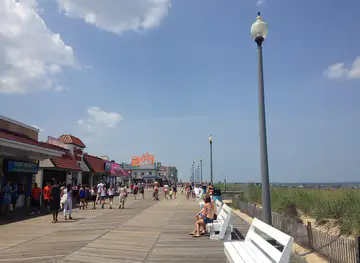
Discover Delaware: From historic sites and serene beaches to culinary delights and scenic parks, this small state offers big experiences for every traveler.
Explore Delaware