Ole Rømer Observatory: Aarhus’ Stargazing Landmark
Historic observatory in Aarhus combining hands-on stargazing, interactive astronomy exhibits, and tranquil parkland with panoramic city views.
The Ole Rømer Observatory in Aarhus is a historic and active astronomical observatory, named after famed Danish astronomer Ole Rømer. It offers visitors a captivating entry into the world of stars, planets, and cosmic discovery, all set within a leafy park atmosphere overlooking the city.
A brief summary to Kongens Nytorv
- Copenhagen, Indre By, DK
Local tips
- Check event schedules online before visiting, as public sessions and stargazing evenings vary throughout the year.
- Dress warmly for evening events—the observatory dome and grounds can be chilly, even in summer.
- The observatory is located on a gentle hill; the path is paved but may be steep for some—allow extra time if needed.
- Public parking near the observatory is limited; walking or taking public transport is often more convenient.

Do you manage this location?
Take control to get all the benefits, like improved information, better appearance, and stronger visibility across AI-powered discovery. Learn more
Activate your presenceOther nearby places you may find interesting
Getting There
-
Walking
From the city centre, the observatory is reached via a pleasant uphill walk through leafy parkland that skirts Aarhus University. Look for the distinctive domed structure just above the gardens. The journey takes around 20–30 minutes on foot, rewarding walkers with broad city views and a tranquil approach. The path is well maintained but includes some gradual inclines.
-
Public Transport
City buses departing from Aarhus Central Station and the main square head toward the university area, with stops a short walk from the observatory grounds. Typical single tickets cost 24–30 DKK and journeys take roughly 10–15 minutes. From the drop-off point, visitors follow signs through a gardened area to the observatory entrance.
-
Taxi
A short taxi ride from the heart of Aarhus gets you to the observatory in about 5–10 minutes, with fares generally ranging from 80–120 DKK depending on time and traffic. Taxis can drop off directly near the main gate, making this a simple option for families or groups.
-
Driving/Parking
While driving is possible, parking close to the observatory is limited and often fills quickly during event evenings. Municipal meters in the nearby university area charge about 15–20 DKK per hour. If you find a spot in adjacent neighborhoods, enjoy a short, scenic walk to the domed building.
Discover more about Kongens Nytorv
Explore the best of what Kongens Nytorv has to offer















More about Roskilde
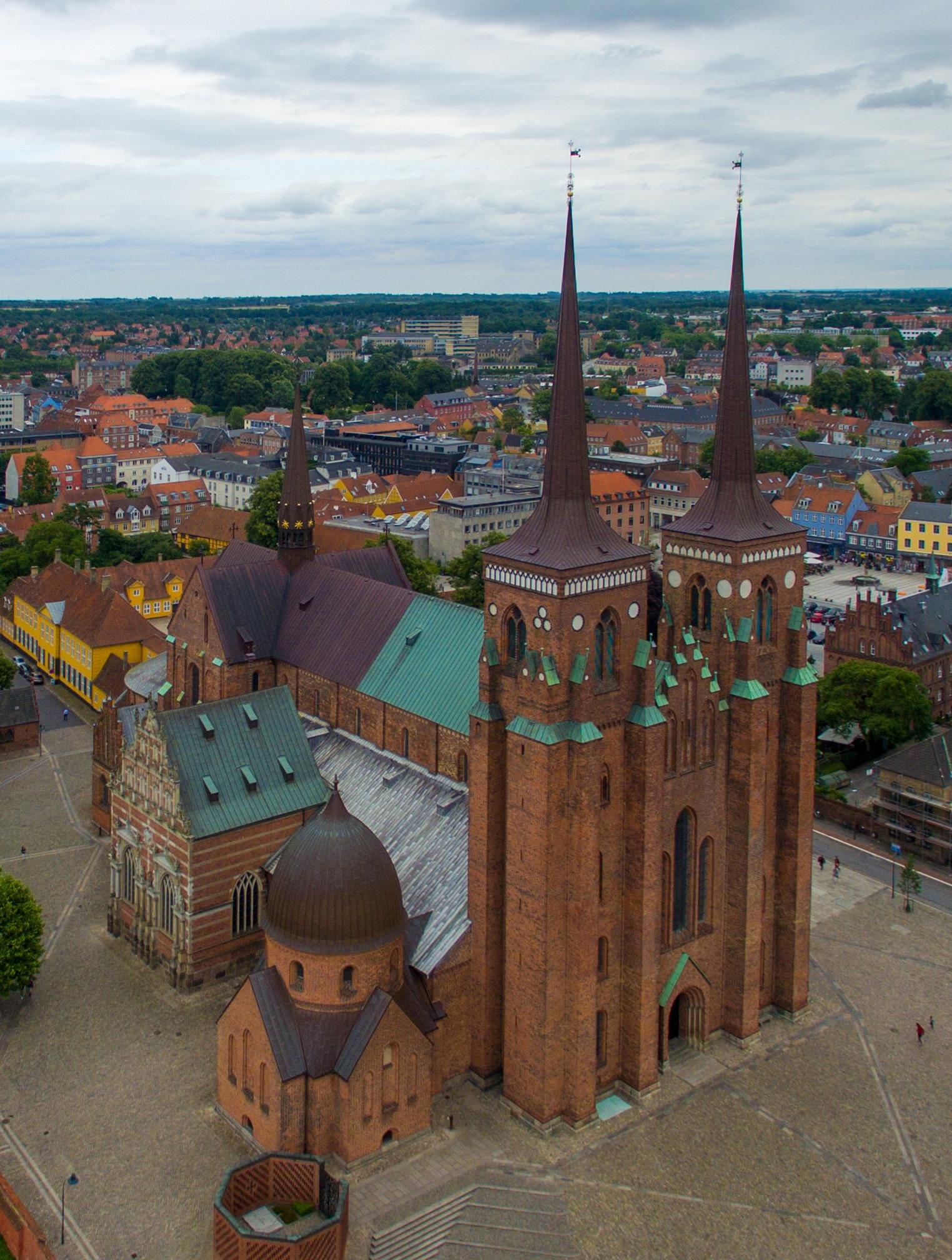
Discover Roskilde: A blend of rich history, Viking heritage, and vibrant music culture in the heart of Denmark, just a short journey from Copenhagen.
Tell me more about Roskilde
Immerse yourself in the splendor and stories of Denmark’s monarchy at Amalienborg Palace Museum, where royal tradition and personal history come alive.
A lush botanical oasis at the heart of Copenhagen, featuring historic glasshouses, rare Nordic plants, tranquil lakes, and immersive gardens for every season.