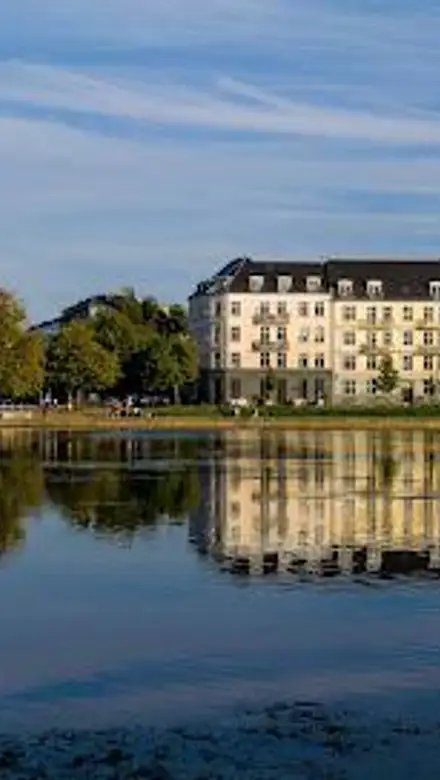
The Lakes Travel Guide
Free Guide: Copenhagen’s chain of city lakes, where tree-lined paths, reflective water, and everyday life meet in one long, graceful urban park.


A brief summary of The Lakes
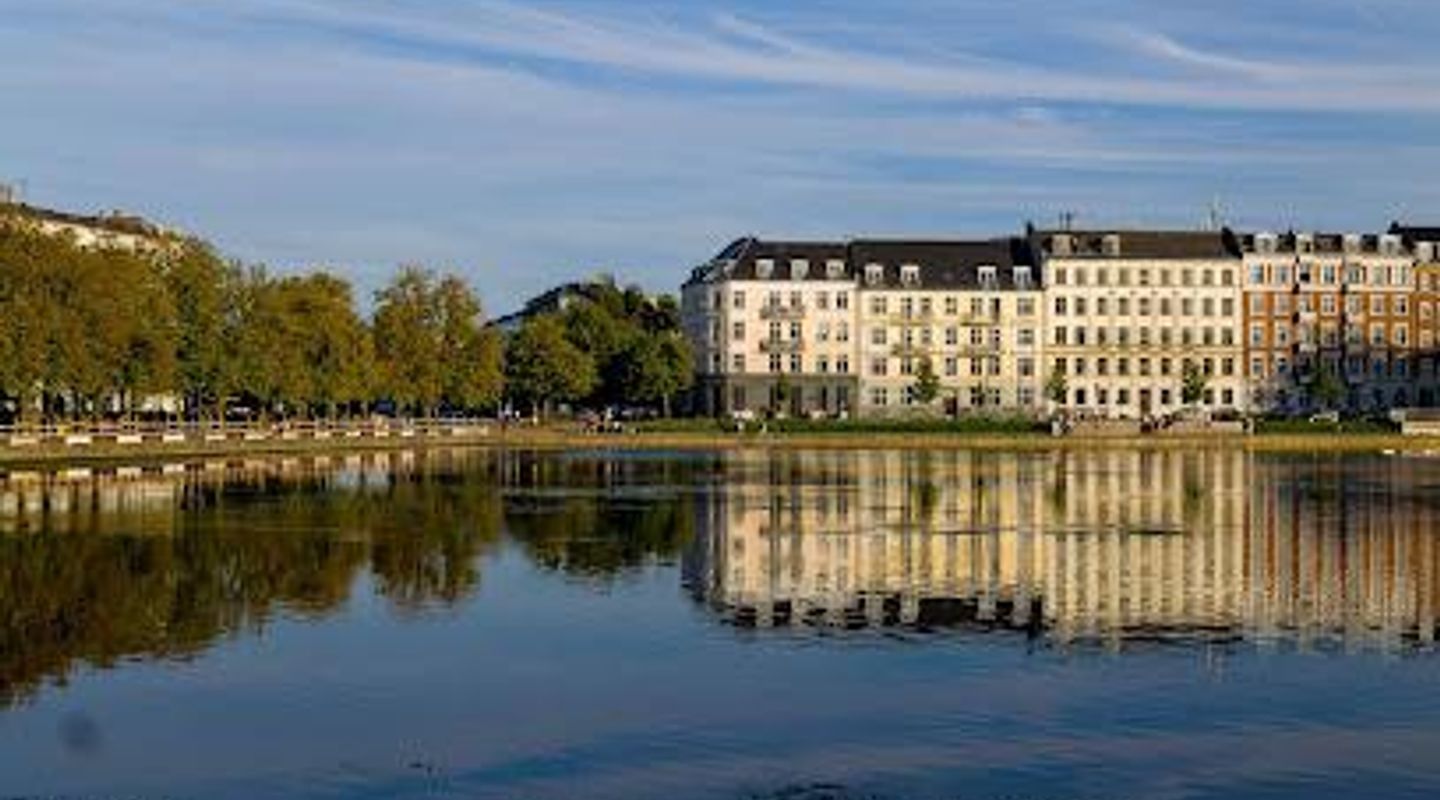
Copenhagen’s chain of city lakes, where tree-lined paths, reflective water, and everyday life meet in one long, graceful urban park.
The Lakes (Søerne) form a graceful chain of three long, narrow basins curving around the western edge of central Copenhagen. Once part of the city’s medieval defenses and water supply, they are now one of the capital’s most beloved green corridors, lined with trees, broad walking and jogging paths, and a scatter of cafés. Whether you stroll, run, cycle, or simply sit on the grassy banks watching swans and city life glide by, The Lakes offer a calm, scenic contrast to the surrounding streets and squares.
On-site amenities
 Restrooms
 Drink options
 Drinking water
 Food options
 Seating areas
 Trash bins
 Information boards
- Address
- 1357 Copenhagen
Getting there
Metro from Nørreport Station
Bus within central Copenhagen
City bike or rented bicycle
On foot from central districts
Discover more about The Lakes
Water, City Walls, and Copenhagen’s Changing Shape
The Lakes, known in Danish as Søerne, trace a gentle arc along the western margin of central Copenhagen, marking a historic edge between the old inner city and the newer districts beyond. What appears today as three aligned basins was once a natural stream outside the fortified town. In the Middle Ages, the waterway was dammed to power mills and secure a reliable water supply, gradually transforming into reservoirs that doubled as part of the city’s defensive system.Over time, as Copenhagen expanded and its ramparts lost their military value, the lakes shifted from utilitarian infrastructure to urban ornament. Embankments were formalized, tree-lined promenades were laid out, and stately apartment buildings rose along the shore. The trio of Sankt Jørgens Sø, Peblinge Sø, and Sortedams Sø now feels inseparable from the city’s identity, a watery punctuation mark that has helped shape both the skyline and the everyday routines of residents.
A Chain of Three Distinct Urban Basins
Although they read as one continuous ribbon of water, each of the three lakes has its own character. Sankt Jørgens Sø, to the south, is the deepest, with sloping sides that feel slightly more open and park-like. Peblinge Sø in the middle, and Sortedams Sø to the north, are edged with vertical granite embankments that give a subtly grand, almost boulevard-like air, where reflections of townhouses and church spires ripple on calm days.Across more than six kilometers of shoreline, the lakes act as an elongated park. Wide paths hug the water on both sides almost all the way, crossed occasionally by bridges and streets that stitch together neighborhoods such as Indre By, Nørrebro, Østerbro, and Frederiksberg. A pair of small artificial islands in Sortedams Sø serves as protected nesting spots for birdlife, adding a quietly wild note to an otherwise very urban scene.
Everyday Playground for Walkers, Runners, and Cyclists
Day to day, The Lakes function as Copenhagen’s outdoor living room. At first light you might see dedicated runners ticking off circuits, cyclists gliding along the edges, and dog walkers tracing familiar loops. Later in the morning, prams, commuters, and students join the flow, turning the paths into a steady ribbon of movement that mirrors the gentle length of the water.On brighter days, benches and grassy patches quickly fill with people lingering over takeaway coffee, informal meetings, or simply a moment of quiet. In summer, you may spot pedal boats and relaxed pauses on the embankments with feet dangling just above the water. The atmosphere is casual and sociable without feeling overwhelming, a place where city energy and soft, reflective light coexist comfortably.
Seasonal Shifts from Frozen Canvases to Golden Evenings
The character of The Lakes changes markedly with the seasons. Spring brings fresh leaves and returning birds, with trees and facades mirrored crisply in the water. In high summer, long Nordic evenings drape the banks in golden light, ideal for slow twilight walks and relaxed conversations along the railing. Cafés nearby spill onto pavements, turning sections of the shoreline into impromptu outdoor dining rooms.In winter, the scene can feel almost Nordic-graphic: bare branches etched against pale skies, water dark and glossy or, during colder spells, covered in ice. On rare occasions when the ice is declared thick enough, parts of the surface open to carefully supervised walking and play, giving a reminder of the lakes’ robust northern climate. Throughout the year, flocks of ducks, swans, and gulls maintain a constant, gently chattering presence.
City Views, Birdlife, and Quiet Corners
Beyond exercise, The Lakes reward those who slow down to look. From various points along the shore, you can line up pleasing views of church towers, elegant bridges, and the silhouettes of older apartment blocks. Dawn and dusk bring soft color and atmospheric reflections that appeal to photographers and contemplative wanderers alike.At the same time, stretches of railing and clusters of trees create pockets of intimacy where you can lean, sit, or perch with a book. Bird islands in the northern basin add movement and sound, with waterfowl constantly landing, preening, and taking off. Despite being seconds away from busy streets, these lakeside edges often feel like a different rhythm: not wild nature, but a gracious, human-scaled landscape that invites you to pause between one part of the city and the next.
Evendo Review Centre
 Google
Guest reviews
Best time to go
Quietest: Jan, Feb & Nov · before 7am
Busy times are Evendo estimates for a typical year, to help you plan. Actual crowds vary with events, school holidays and the weather.
Explore The Lakes on the map
A handpicked selection of must-see spots near The Lakes, mapped for you.
Get your free copy of our complete guide to The Lakes, delivered straight to you.
Everything on this page, from opening hours and how to get there to Eve’s tips and the best time to go, in one PDF you can read offline, print or share.
Already have an account? Sign in
Your The Lakes guide is ready.
We'll send it to · Not you? Sign out

Getting your guide ready…
We are putting together a fresh copy of the The Lakes guide. This can take up to a minute.
This can take a few moments. If your browser asks, choose Allow so the download can start. You'll find the guide in your Downloads folder.
Nothing happened? Download it again
Sorry, the guide is taking longer than usual. Please try again in a minute, or get it by email instead.
Unlock the best of The Lakes
Skip-the-line tickets, guided tours with entry, and walking tours of the area, booked in a few clicks.


Other nearby places you may find interesting
The closest places of the same kind, if this one is not quite what you had in mind.
-
-
-
-
-


Swipe for more places
More to explore near The Lakes

 Best experiences near The Lakes
 Best hotels near The Lakes
 Best landmarks near The Lakes
 Best attractions near The Lakes
 Best shops near The Lakes
 Best restaurants near The Lakes
 Best bars near The Lakes
Do you manage this location?
Take control to get all the benefits, like improved information, better appearance, and stronger visibility across AI-powered discovery.
Explore more
Explore more of Copenhagen Region
Discover the Copenhagen Region: A perfect mix of historic charm and modern vibrancy, offering scenic beauty, cultural landmarks, and a high quality of life.
Explore Copenhagen Region
Explore more of Denmark
Discover Denmark: A perfect blend of history, modern design, and the cozy concept of hygge. Explore vibrant cities, serene landscapes, and world-class cuisine.
Explore Denmark