Noma Travel Guide
Free Guide: World-shaping New Nordic cuisine in a serene harborside warehouse, where architecture, landscape and obsessive seasonality fuse into a single culinary narrative.


A brief summary of Noma
World-shaping New Nordic cuisine in a serene harborside warehouse, where architecture, landscape and obsessive seasonality fuse into a single culinary narrative.
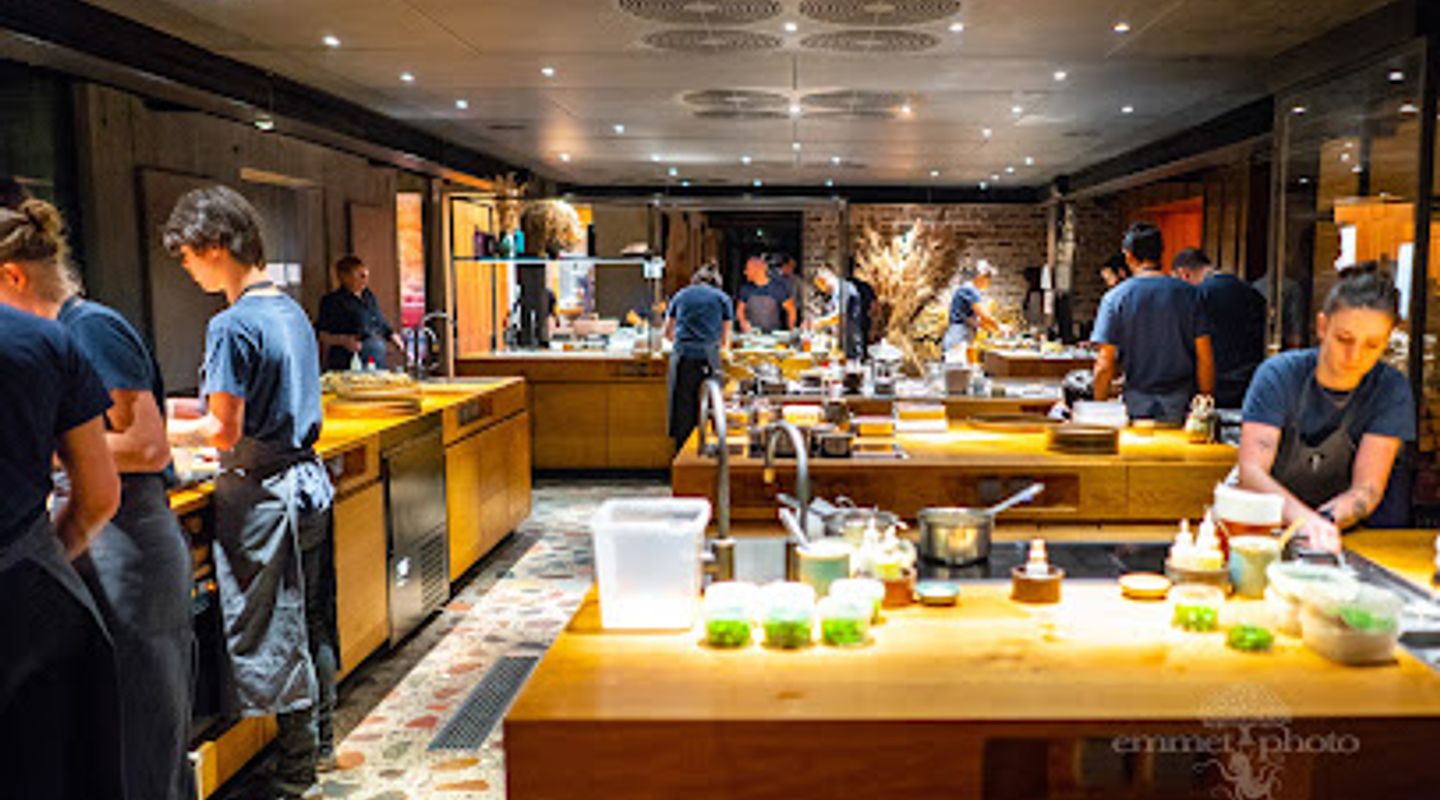
Noma is Copenhagen’s era‑defining temple of New Nordic cuisine, set in a low-slung former warehouse on Refshaleøen with views to the harbor and an on-site garden. Inside, pale wood, stone and glass frame a minimalist, light-filled dining room where meticulously choreographed tasting menus explore hyper-seasonal Nordic ingredients with avant-garde technique. A meal here is a multi-hour, immersive experience that feels closer to a culinary narrative than a conventional dinner.
On-site amenities
 Restrooms
 Drink options
 Drinking water
 Food options
 Seating areas
 Sheltered areas
 Trash bins
 Information boards
Opening hours
- MonClosed
- Tue5 pm–11 pm
- Wed5 pm–11 pm
- Thu5 pm–11 pm
- Fri12 pm–5:30 pm, 6 pm–11:30 pm
- SatClosed
- SunClosed
Opening hours as listed on the venue’s Google Business Profile. Hours can change for services and special events, so check with the venue before you go.
- Address
- Refshalevej 96, 1432 København K
- Phone
- Website
Getting there
Bicycle from central Copenhagen
Harbor bus and short walk
Taxi or ride-hail within Copenhagen
Discover more about Noma
A quiet corner of Copenhagen’s culinary revolution
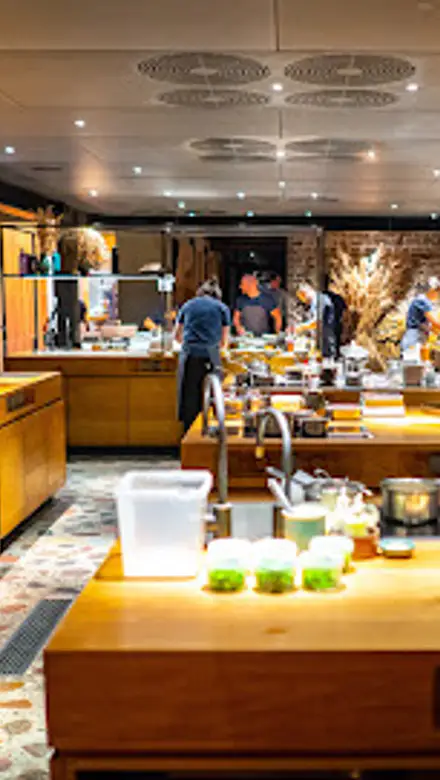
Hidden on the post-industrial peninsula of Refshaleøen, Noma occupies a cluster of low brick and timber buildings overlooking a quiet stretch of Copenhagen’s harbor. The approach feels understated: simple signage, rough cobbles, wild grasses and kitchen gardens softening the former warehouse setting. Step inside and the atmosphere shifts to something almost hushed, as if the whole place is holding its breath for the evening’s performance.The interior channels contemporary Nordic restraint. There are wide-plank wooden floors, tactile stoneware, sheepskins casually draped over chairs and floor-to-ceiling windows that pull in pale northern light. The room is at once polished and relaxed, with views towards the open kitchen so you remain connected to the energy of service without losing the calm of the dining space.
New Nordic philosophy on the plate
Noma’s cuisine is built around an almost obsessive focus on local, seasonal ingredients. Instead of imported luxury produce, the menus explore what can be foraged, farmed and fished from Nordic landscapes: mosses and herbs from nearby forests, seafood pulled from cold surrounding waters, vegetables and berries peaking in tightly defined seasons.The restaurant’s fermentation labs and test kitchens underpin much of the menu’s character. House-made vinegars, garums, misos and kombuchas amplify flavor, while pickling and drying preserve fleeting ingredients for later seasons. Whether the focus is seafood, game or vegetables, the tasting sequence is structured to feel like a journey through one particular moment of the Nordic year.
Dining as choreographed experience
A meal at Noma unfolds over several hours as a single, carefully paced narrative. Courses often arrive in rapid little waves at the beginning, each presented by members of the kitchen or service team who explain the story or ingredient behind the dish. Later, the rhythm slows, allowing you to linger over more substantial plates and watch the kitchen’s almost balletic movement.Despite the restaurant’s global stature, the service style leans towards informal precision rather than formality. Staff move with quiet efficiency, but there is room for humor, questions and detailed explanations. The intimacy of the space, combined with the high staff-to-guest ratio, creates a feeling that the menu is being performed just for the small group of diners present that day.
Architecture, landscape and plate in dialogue
Part of Noma’s impact lies in how tightly it weaves together building, surroundings and food. Large windows frame reeds, garden beds and the shifting northern sky, echoing the wild herbs and coastal flavors that appear on the plate. In summer, greenery seems to spill into the dining room; in darker months, candlelight and muted tones turn the space cocoon-like and introspective.Every object feels chosen to reinforce this dialogue: hand-thrown ceramics mirror the colors of soil and stone, knives and cutlery are stripped back to essentials, and arrangements of branches, seeds or dried plants echo the season outside. You are constantly reminded that this style of cooking belongs to a specific climate and landscape, not a generic fine-dining stage.
Memorable details and lingering impressions
Though menus change frequently, certain themes recur: unexpected textures drawn from overlooked parts of plants or animals, sauces built on deeply fermented bases, and desserts that lean more towards forest and field than sugar and cream. Non-alcoholic pairings receive the same care as wine, often showcasing extractions, ferments and infusions that mirror the kitchen’s thinking.What remains long after the final bite is less a single dish than the total impression of having visited a complete culinary world. The setting on Refshaleøen, the design of the rooms, the choreography of service and the intellectual curiosity of the menu all combine into an experience that feels both highly experimental and distinctly rooted in Copenhagen and its hinterland.
Evendo Review Centre
 Google
Guest reviews
Best time to go
Quietest: Jan, Feb & Nov · before 1pm or from 11pm
Busy times are Evendo estimates for a typical year, to help you plan. Actual crowds vary with events, school holidays and the weather.
Explore Noma on the map
A handpicked selection of must-see spots near Noma, mapped for you.
Get your free copy of our complete guide to Noma, delivered straight to you.
Everything on this page, from opening hours and how to get there to Eve’s tips and the best time to go, in one PDF you can read offline, print or share.
Already have an account? Sign in
Your Noma guide is ready.
We'll send it to · Not you? Sign out

Getting your guide ready…
We are putting together a fresh copy of the Noma guide. This can take up to a minute.
This can take a few moments. If your browser asks, choose Allow so the download can start. You'll find the guide in your Downloads folder.
Nothing happened? Download it again
Sorry, the guide is taking longer than usual. Please try again in a minute, or get it by email instead.
Other nearby places you may find interesting
The closest places of the same kind, if this one is not quite what you had in mind.
-
-
-
-
-


Swipe for more places
More to explore near Noma

 Best experiences near Noma
 Best hotels near Noma
 Best bars near Noma
Do you manage this location?
Take control to get all the benefits, like improved information, better appearance, and stronger visibility across AI-powered discovery.
Explore more
Explore more of Copenhagen Region
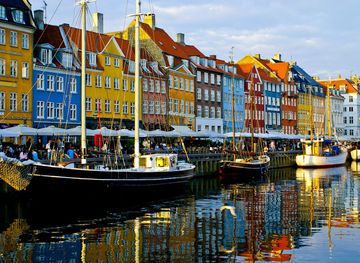
Discover the Copenhagen Region: A perfect mix of historic charm and modern vibrancy, offering scenic beauty, cultural landmarks, and a high quality of life.
Explore Copenhagen Region
Explore more of Denmark
Discover Denmark: A perfect blend of history, modern design, and the cozy concept of hygge. Explore vibrant cities, serene landscapes, and world-class cuisine.
Explore Denmark