Operaen, Copenhagen Travel Guide
A striking harbourfront landmark where cutting-edge architecture, golden interiors and world-class opera meet amid sweeping views of Copenhagen’s historic skyline.
Operaen, the Copenhagen Opera House, rises on the harbourfront opposite Amalienborg as one of Denmark’s most striking contemporary landmarks. Completed in 2004 and inaugurated in 2005, this state-of-the-art venue is home to the Royal Danish Opera and ballet productions. Inside, warm maple wood, Sicilian marble and a ceiling gilded with thousands of sheets of gold frame a main auditorium renowned for its acoustics. Outside, broad plazas and water views make it as much a place for a scenic stroll as for a grand night at the opera.
A brief summary to Operaen
- Psyak 61C, Copenhagen, Indre By, 1440, DK
- Duration: 1 to 4 hours
- Mid ranged
-
 Mixed
Mixed
- Mobile reception: 5 out of 5

Know before you go
Hi, I'm Eve. Here are a few practical things to know before exploring Operaen.
- Arrive at least 30–45 minutes before a performance to enjoy the foyer, cloakroom and harbour views without rushing.
- If you prefer skyline vistas, request seats on an upper tier; for sound detail, choose central stalls closer to the stage.
- Combine a guided building tour with an evening performance for both behind-the-scenes insight and the full acoustic experience.
- Bring a light layer even in summer; large glass areas and air conditioning can make the foyer feel cool at times.
- Use the harbour boat bus when operating; it offers a scenic approach and helps you avoid road congestion at peak times.
Do you manage this location?
Take control to get all the benefits, like improved information, better appearance, and stronger visibility across AI-powered discovery. Learn more about listing your business on Evendo
Activate your presenceOther nearby places you may find interesting
The closest places of the same kind, if this one is not quite what you had in mind.


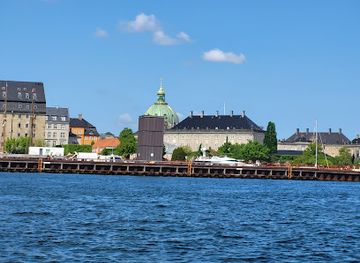
Explore Operaen on the Map
A handpicked selection of must-see spots near Operaen, mapped for you.
Unlock the Best of Operaen
Buy tickets
-
No tickets available
Book tours with entry

Book tours without entry
-
No tours available
Getting There
-
Harbour bus from central Copenhagen
From central Copenhagen, take the harbour bus line that serves the Opera stop near Holmen. The boat ride typically takes 10–20 minutes depending on the starting pier and runs at regular intervals during the day and evening. A single adult ticket usually costs around 20–30 DKK and is valid on the wider public transport network. Services can be less frequent late at night or in poor weather, so check the timetable in advance.
-
City bus connection
Several city bus routes link central Copenhagen with the Holmen area close to the opera house, with journey times of roughly 15–30 minutes depending on traffic and starting point. Standard city fares apply, generally in the range of 20–30 DKK for a single adult ticket purchased via ticket machines or transport apps. Buses are low-floor and usually accessible, but allow extra time around peak hours when vehicles and surrounding streets are busier.
-
Bicycle from inner Copenhagen
Cycling from neighbourhoods such as Indre By, Nyhavn or Christianshavn to Operaen typically takes 10–25 minutes. The route follows established cycle lanes for most of the way and is largely flat, making it suitable for riders with basic confidence in city traffic. City bike rentals and docked bikes are widely available for hourly or day rates, often starting around 50–150 DKK depending on duration and provider. In winter, be prepared for wind, rain or snow, which can make the ride feel more demanding.
-
Taxi or rideshare within the city
A taxi or rideshare from central Copenhagen to the opera house generally takes 10–20 minutes outside rush hour, longer when traffic is heavy or roadworks are in place. Fares commonly fall in the range of 120–220 DKK one way, varying with distance, time of day and waiting time. Vehicles can usually drop passengers close to the main entrance, but around major events there may be temporary set-down zones or short walks from nearby streets.
For the on-the-go comforts that matter to you
-
 Restrooms
-
 Drink Options
-
 Food Options
-
 Seating Areas
-
 Sheltered Areas
-
 Trash Bins
-
 Information Boards
-
 Visitor Center
Discover more about Operaen
A modern icon on Copenhagen’s harbour
Operaen, Copenhagen’s Opera House, commands one of the city’s most dramatic positions, set on the island of Holmen directly across the water from Amalienborg Palace. The building’s vast cantilevered roof seems to hover above a glass-walled foyer, framing views back to the historic skyline. Designed by Danish architect Henning Larsen and inaugurated in 2005, it was gifted to the Danish people by a private foundation, instantly becoming a symbol of contemporary Copenhagen.From the moment you approach across the open forecourt, the scale is striking. The complex covers tens of thousands of square metres, with several storeys hidden below ground. Yet the atmosphere feels surprisingly intimate, thanks to the low waterfront profile and the way the glass facade invites daylight deep into the foyer.Architecture shaped for performance
Step inside and the design shifts from sharp exterior lines to warm, crafted surfaces. The foyer is clad in pale Sicilian marble, while the curved wall of the main auditorium glows with maple wood, creating a soft contrast to the steel and glass outside. Above the audience chamber, the ceiling is lined with over a hundred thousand leaves of gold, catching the light in a subtle shimmer rather than a showy glitter.The main auditorium seats around 1,400 spectators, wrapped in tiers that bring you close to the stage wherever you sit. Behind the scenes lie multiple rehearsal stages and technical spaces. Stage elevators, a movable ballet floor and advanced rigging allow scenery to transform in seconds, supporting everything from spare chamber opera to lavish grand productions.Life inside the opera house
On performance evenings the building comes alive well before curtain-up. The foyer’s long bars and open areas fill with people sipping drinks beneath sculptural light installations created by Danish-Icelandic artist Olafur Eliasson. Large windows turn the harbour into a backdrop, so you watch boats glide by as you wait for the house to open. In quieter moments, the mood is almost gallery-like, inviting you to linger over the materials and artworks.The opera’s programme ranges from classic repertoire to new works, often sharing the building with ballet and cross-disciplinary performances. For many visitors, guided tours provide a chance to explore areas normally hidden from view, from backstage corridors to rehearsal rooms, while learning how the building’s acoustics, engineering and design interlock.Harbourfront setting and surroundings
Outside, broad steps and plazas create informal gathering spaces. The water’s edge is only a few metres away, so you can step out during an interval and feel the sea breeze. Across the harbour you see the orderly facades of Frederiksstaden, church spires and, at night, reflections of city lights in the water. The setting is especially atmospheric at dusk, when the glass facade glows like a lantern and the cantilevered roof becomes a dark silhouette against the sky.The surrounding Holmen district mixes former naval buildings with new cultural venues. Paths, open quaysides and nearby green pockets give the area a relaxed feel, making the opera house both a destination for a big cultural night and a scenic stop during a broader exploration of Copenhagen’s waterfront.Planning your visit to Operaen
A visit can be as simple as wandering the exterior and foyer when public areas are open, or as involved as attending a full-length opera. Smart-casual clothing is widely accepted, though some guests enjoy dressing up for premieres. Arriving a bit early leaves time to explore the foyer, admire the art and find your bearings before the performance.Expect to spend around an hour if you are only exploring public zones or joining a short tour, and several hours if you are attending a full evening production. Whatever you choose, the combination of cutting-edge architecture, refined interiors and harbour views makes Operaen a highlight of contemporary Danish culture.












Your all‑in‑one travel companion app
Explore expert travel guides, compare and book tours, experiences, hotels, and more—all from the palm of your hand. Download now for seamless trip planning wherever your wanderlust takes you.


Explore More of Copenhagen
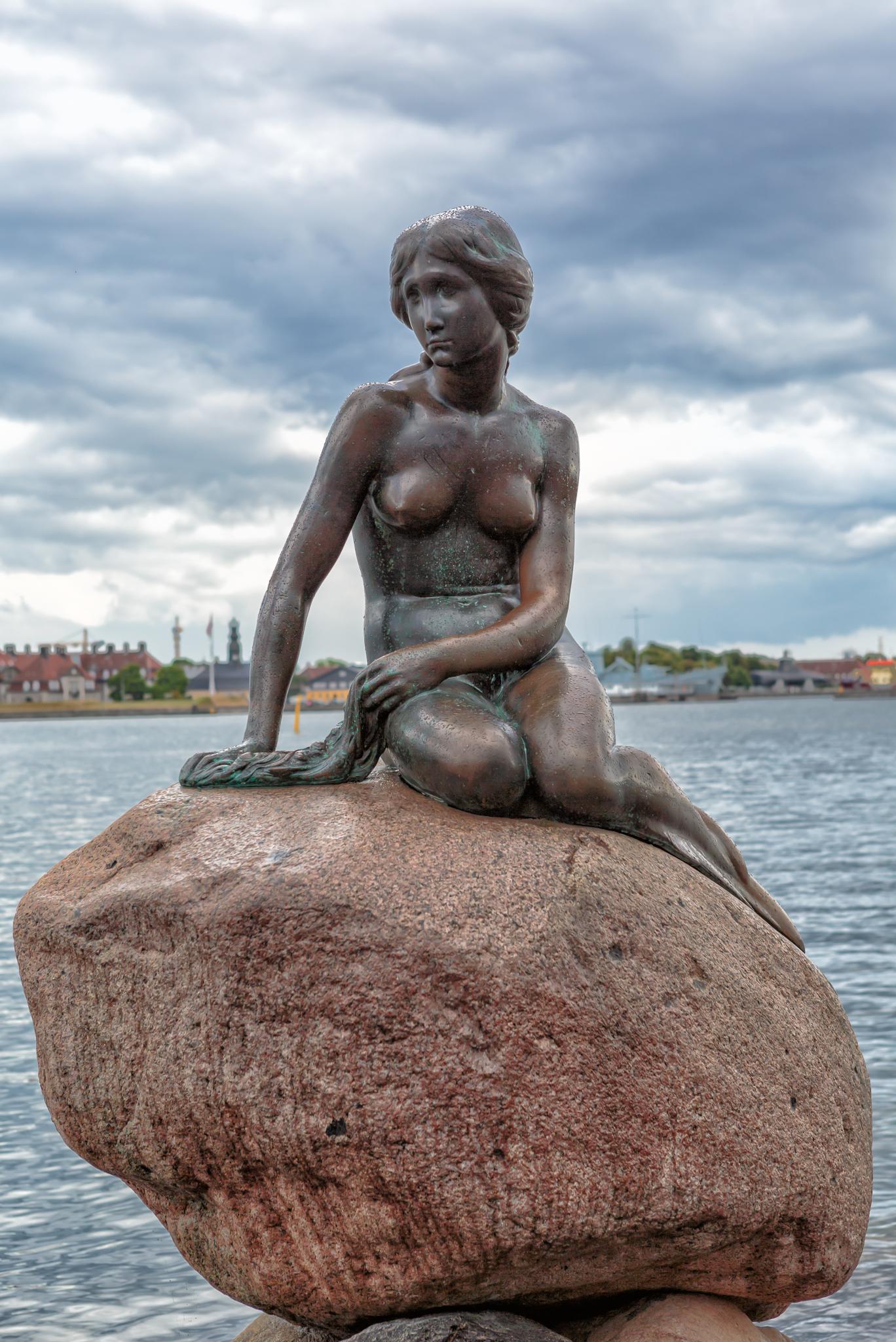
Looking beyond Operaen? Discover Copenhagen for broader travel guides, local hot-spots, and regional highlights.
Explore Copenhagen
A five‑circle pedestrian bridge that turns a simple canal crossing into an artful pause above Copenhagen’s harbour, inspired by sailing ships and city life.

Christiania is Copenhagen’s colorful, self-governed district, renowned for its bohemian spirit, visionary art, communal living, lush parks, and bold counterculture history.