Culture Tower on Knippels Bridge, Copenhagen Travel Guide
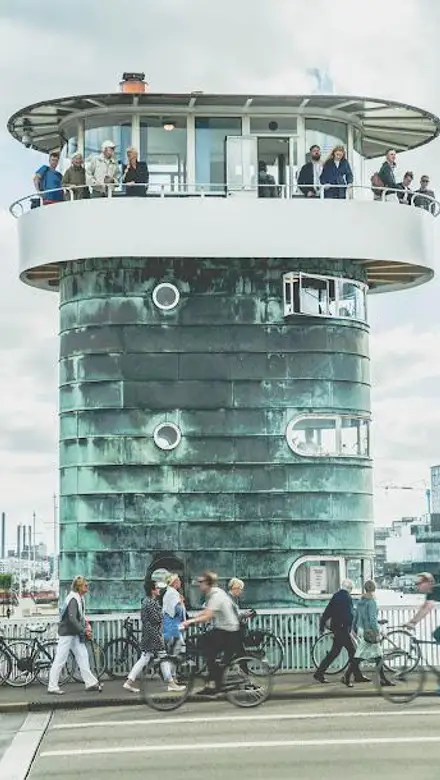
An intimate cultural hideaway inside an old copper bridge tower, offering harbor‑wide views, maritime character and small‑scale events above Copenhagen’s Knippelsbro.
Perched on the Christianshavn side of Copenhagen’s classic Knippelsbro, the Culture Tower transforms an 80‑year‑old copper bridge tower into an intimate cultural hideaway. Inside the narrow, teal‑green landmark you’ll find creaking stairs, compact dining rooms and harbor‑facing windows that frame 360‑degree views of spires, cyclists and passing boats. By night it has hosted small exhibitions, talks, dinners and tastings, wrapping contemporary city life in a distinctly 1930s maritime shell.
A brief summary to Culture Tower on Knippels Bridge
- Knippelsbro 2, Indre By, Indre By, 1400, DK
- Click to display
- Click to display
- Duration: 0.5 to 1.5 hours
- Mid ranged
-
 Mixed
Mixed
- Mobile reception: 5 out of 5

Know before you go
Hi, I'm Eve. Here are a few practical things to know before exploring Culture Tower on Knippels Bridge.
- Bring a warm layer: even on mild days the upper deck can be windy, and the contrast between indoor coziness and outdoor chill is noticeable.
- Space inside is tight, so travel light and avoid large backpacks or bulky bags to move comfortably up and down the narrow stairs.
- Time your visit for late afternoon or evening light when the harbor and city skyline are at their most atmospheric from the upper levels.
Do you manage this location?
Take control to get all the benefits, like improved information, better appearance, and stronger visibility across AI-powered discovery. Learn more about listing your business on Evendo
Activate your presenceOther nearby places you may find interesting
The closest places of the same kind, if this one is not quite what you had in mind.

Explore Culture Tower on Knippels Bridge on the Map
A handpicked selection of must-see spots near Culture Tower on Knippels Bridge, mapped for you.
Getting There
-
Metro from central Copenhagen
From Nørreport or Kongens Nytorv, take the M1 or M2 metro lines to Christianshavn Station, a short ride of around 3–5 minutes. Trains run every few minutes throughout the day, and a single adult ticket for the central zones typically costs around 20–30 DKK. From the station it is an easy, mostly level walk of just over 1 km through the neighborhood to Knippelsbro and the Culture Tower, suitable for most visitors with basic mobility.
-
City bus to the bridge area
Several city bus routes serve the streets around Knippelsbro from different parts of Copenhagen, with typical journey times of 10–20 minutes from the historic center depending on traffic. Standard bus fares match metro pricing, generally 20–30 DKK for central zones, and tickets can be purchased via machines, apps or contactless methods before boarding. From nearby stops, expect a short urban walk on paved sidewalks to reach the tower entrance.
-
Bicycle along the harbor corridors
Copenhagen’s extensive cycle lanes make reaching Knippelsbro by bike straightforward from districts such as Vesterbro, Nørrebro and Østerbro, usually within 10–25 minutes of relaxed cycling. The bridge itself has wide, separated bike lanes but can feel busy during rush hours, so less confident cyclists may prefer late morning or early afternoon. Standard city bike rentals typically cost from about 75–150 DKK per day or hourly via bike‑share schemes.
-
Harbor bus to nearby quays
In season, public harbor buses link various piers along Copenhagen’s inner waterfront, offering a scenic way to approach the Knippelsbro area. Travel times vary from roughly 10–30 minutes depending on departure point, and fares are integrated with the wider public transport system at around 20–30 DKK per trip in central zones. Disembarking at a nearby quay, you continue on foot along the waterfront on flat paths to reach the bridge and tower.
For the on-the-go comforts that matter to you
-
 Seating Areas
-
 Information Boards
-
 Drink Options
Discover more about Culture Tower on Knippels Bridge
A bridge tower reborn above Copenhagen’s harbor
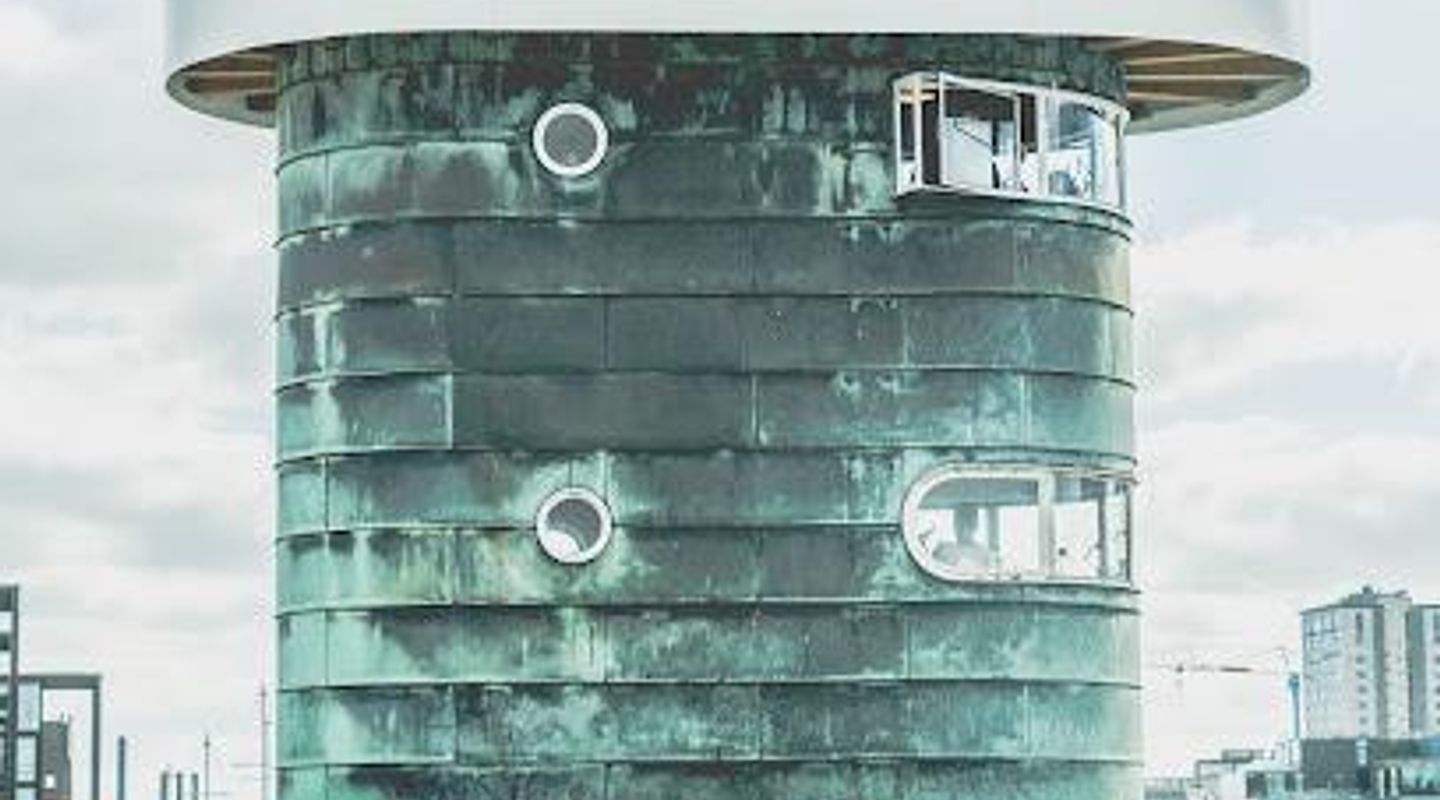
Rising from the Christianshavn edge of Knippelsbro, the Culture Tower occupies one of the bridge’s original verdigris copper towers, once reserved for bridge officers and engineers. Built in the 1930s as part of the bascule bridge that still opens for ships, the tower’s iron frame and copper cladding were prefabricated at a local shipyard, then lifted into place like a ship’s superstructure. For decades the tower was a strictly functional workplace, hidden in plain sight above the water.A careful renovation in the late 2010s stripped back linoleum, exposed structural details and added discreet lighting, turning the compact, five‑storey interior into Copenhagen’s smallest cultural venue. The transformation kept the tower’s nautical austerity but introduced warmth through wood, textiles and thoughtful design, creating a rare blend of infrastructure and culture.Inside the teal landmark: stairs, cabins and sky‑high views
Step through the low entrance and you enter a vertical world of tight staircases and small, cabin‑like rooms stacked above the harbor. The first levels have functioned as intimate dining spaces and gallery rooms, where a handful of tables sit close to circular windows once used to watch shipping traffic. Every turn of the staircase reveals a new angle on the city: the copper‑roofed Stock Exchange, the spires of central Copenhagen, the canals of Christianshavn and the constant ribbon of cyclists gliding across the bridge.Higher up, the tower opens to a small deck wrapped in railings, exposed to wind and weather. From here the views stretch along the Inner Harbour, bringing ferries, kayaks and harbor baths into a single panorama. The sense of hovering between city and sea is strong; you are close enough to hear conversations on the bridge yet just removed enough to feel like you’ve slipped into a lookout post from another era.Cultural micro‑institution in a former control tower
The Culture Tower has served as a micro‑institution for art, sound, food and conversation. Curators have used the layered rooms for small exhibitions, listening sessions, readings and pop‑up dinners that play with the building’s maritime past. The narrow footprint encourages small groups and quiet focus: a handful of guests gathered around a shared table, a musician performing with the harbor lights as backdrop, a chef exploring local seasonal ingredients in a space the size of a ship’s mess.This focus on small‑scale programming has mirrored the tower’s physical constraints. Events tend to be time‑limited, with fixed seatings or ticketed evenings, turning a visit into a self‑contained occasion rather than a casual stop. Even when the café has operated during the day, the feeling has been more like being invited into a private cabin than stepping into a typical city café.An atmospheric pause in the flow of the city
Part of the tower’s appeal lies in the contrast between its calm interior and the hyper‑urban setting outside. Knippelsbro is one of the city’s main bike arteries, carrying a constant current of commuters between the historic center and Christianshavn. When you are inside the tower, that movement becomes a kind of backdrop: soft vibrations underfoot as traffic passes, distant bell rings from bicycles, the occasional rumble when the bridge prepares to open.The interior ambience balances minimalism with coziness. Simple furniture, warm lamps and glimpses of copper and riveted steel underline the tower’s industrial origin, while textiles and table settings make it feel welcoming rather than austere. On grey days the rooms become snug refuges above a silvery harbor; on bright evenings, sunlight bounces off the water and fills the spaces with reflections.Signals of history in a small but iconic structure
Though modest in size, the Culture Tower carries strong symbolic weight. Its twin towers have appeared on Danish banknotes and in countless images of Copenhagen, representing the city’s long relationship with the sea and with modern engineering. Standing inside the refurbished tower, you can read that history in details: the thickness of the walls, the original control panels and hatches, the porthole‑like windows that once framed only the work of operating the bridge.Today the tower stands at the intersection of heritage preservation and contemporary urban life. Even when regular events pause or operations change, the structure itself remains a protected part of the bridge ensemble. For visitors, it offers a compact lesson in how existing infrastructure can be reimagined for culture and gathering, without losing the character that made it worth saving in the first place.More to explore near Culture Tower on Knippels Bridge
-

Best experiences near Culture Tower on Knippels Bridge
-

Best hotels near Culture Tower on Knippels Bridge
-

Best landmarks near Culture Tower on Knippels Bridge
-

Best shops near Culture Tower on Knippels Bridge
-

Best restaurants near Culture Tower on Knippels Bridge
-

Best bars near Culture Tower on Knippels Bridge







Your all‑in‑one travel companion app
Explore expert travel guides, compare and book tours, experiences, hotels, and more—all from the palm of your hand. Download now for seamless trip planning wherever your wanderlust takes you.


Explore More of Copenhagen
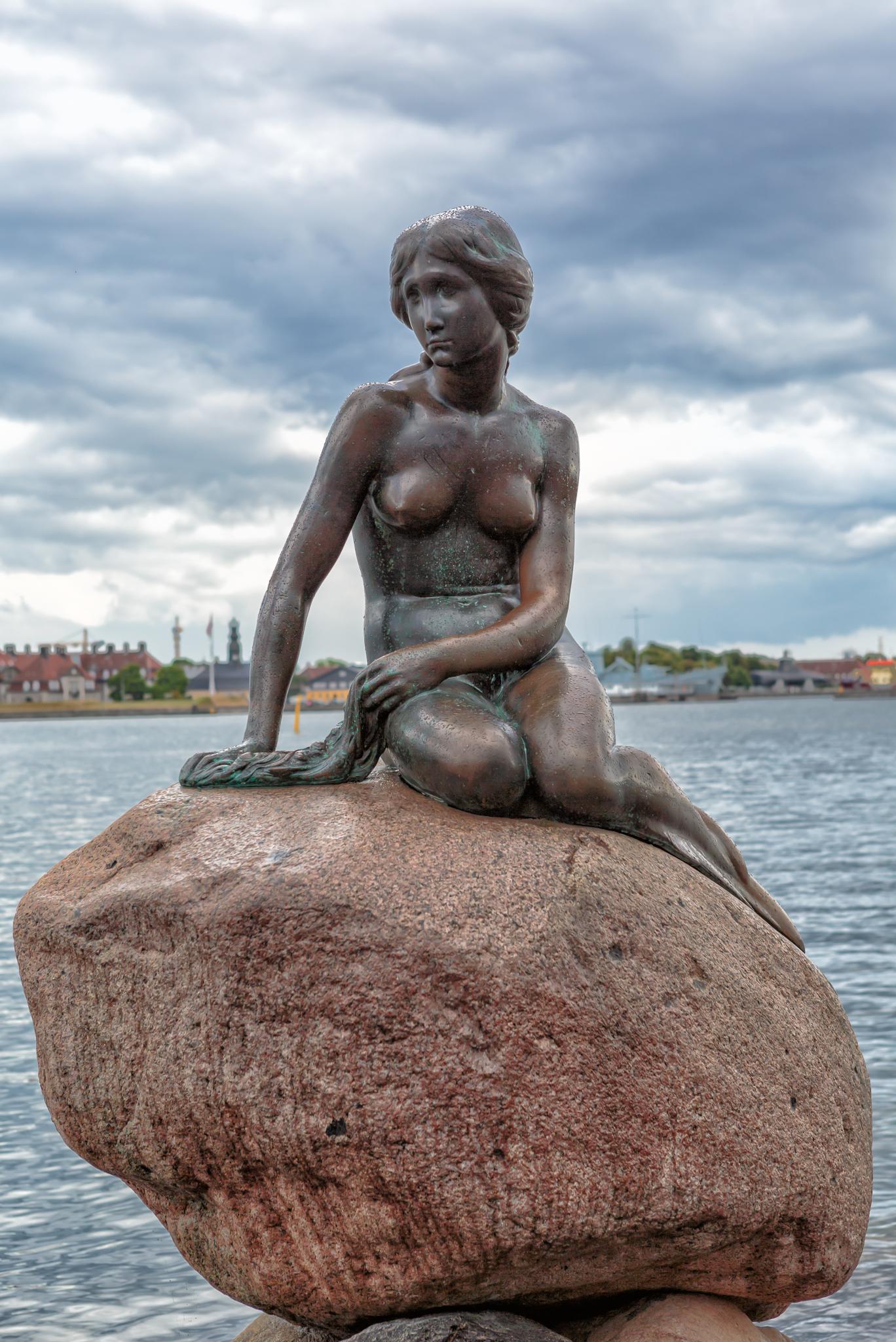
Looking beyond Culture Tower on Knippels Bridge? Discover Copenhagen for broader travel guides, local hot-spots, and regional highlights.
Explore Copenhagen
A quietly powerful museum where Libeskind’s angular design and intimate artifacts tell 400 years of Danish‑Jewish life and a remarkable story of rescue.
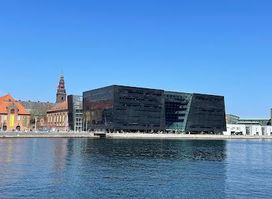
Copenhagen’s Black Diamond: a harbourside fusion of bold modern architecture, historic reading rooms and Denmark’s most important cultural collections.