Fiskehoddorna – Malmö’s Historic Fish Huts on Banérskajen
Heritage-listed wooden fish huts on Banérskajen where Malmö’s coastal traditions, fresh seafood and smoky harbor aromas come together in a colorful quay-side market.
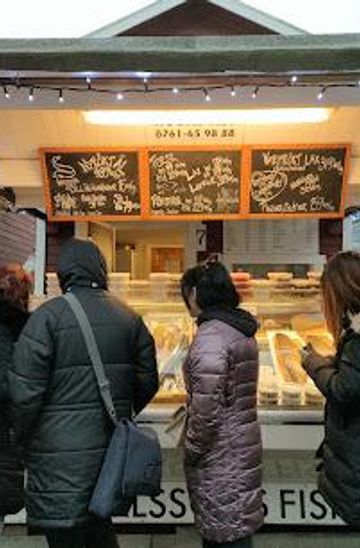
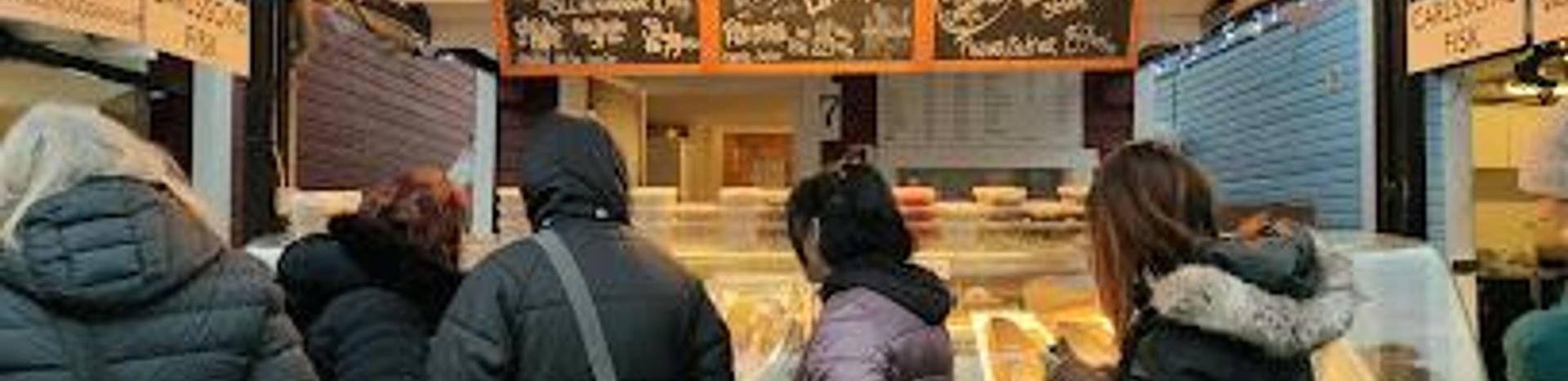
Fiskehoddorna is Malmö’s atmospheric fish market, a row of colorful wooden huts along Banérskajen where local fishermen sell fresh fish, smoked specialties and seafood straight from the nearby coast. Saved from demolition and now heritage listed, the “hoddor” blend maritime history with everyday food culture. In the mornings, counters brim with the catch of the day, while in summer simple outdoor seating turns the quay into a casual spot for seafood lunches in the sea breeze.
A brief summary to Fiskehoddorna
- Banérskajen, Malmö, 211 18, SE
- Click to display
- Click to display
- Duration: 0.5 to 1.5 hours
- Mid ranged
-
 Outdoor
- Mobile reception: 5 out of 5
- Tuesday 6:30 am-1 pm
- Wednesday 6:30 am-1 pm
- Thursday 6:30 am-1 pm
- Friday 6:30 am-1 pm
- Saturday 6:30 am-1 pm

Know before you go
Hi, I'm Eve. Here are a few practical things to know before exploring Fiskehoddorna.
- Arrive early in the morning for the widest selection of fresh fish and shellfish; popular items may sell out well before closing time.
- Bring a small insulated bag or cooler if you plan to buy smoked fish or fresh fillets to enjoy later in the day.
- In summer, look for huts offering simple outdoor seating so you can try a herring sandwich or fish and chips right by the water.
- Ask the fishmongers for preparation tips; many are happy to suggest cooking methods and sauces for less familiar species.
- Dress for wind and changing weather, as most of your time here will be spent outdoors along the exposed quay.
Do you manage this location?
Take control to get all the benefits, like improved information, better appearance, and stronger visibility across AI-powered discovery. Learn more
Activate your presenceOther nearby places you may find interesting

Getting There
-
Walking from Malmö Central Station
From Malmö Central Station, walking to Fiskehoddorna typically takes 10–15 minutes. The route is flat and paved the entire way, suitable for most visitors and for strollers or wheelchairs in good weather. Strong winds and rain can make the waterfront feel exposed, so bring appropriate clothing in cooler seasons.
-
City bus within Malmö
Several city bus lines stop within a 5–10 minute walk of Banérskajen. Typical travel time from central Malmö areas is 10–20 minutes, with services running roughly every 10–20 minutes during the day. A single adult ticket usually costs around 25–35 SEK and can be paid using contactless methods or local transit apps. Buses are generally low-floor and accessible, though they may be crowded during commuter peaks.
-
Cycling from central Malmö
Malmö is very bike-friendly, and cycling from central neighborhoods to Fiskehoddorna usually takes 5–15 minutes depending on your starting point. Dedicated cycle paths cover most of the route, and the terrain is almost completely flat. Public bike-share or rental bikes are widely available in the city, with typical short-term rental costs starting around 50–100 SEK per day. Be prepared for strong coastal winds that can make the ride feel more demanding.
-
Taxi within Malmö
A taxi ride from central Malmö districts to Fiskehoddorna generally takes 5–10 minutes, depending on traffic. Typical fares for such a short journey range from about 120–200 SEK, with higher prices in late evenings and on weekends. Taxis provide the most convenient option for visitors with limited mobility or when purchasing large amounts of fresh fish that you prefer not to carry far on foot or by bike.
For the on-the-go comforts that matter to you
-
 Trash Bins
-
 Information Boards
Discover more about Fiskehoddorna
Colorful Fish Huts with a Working-Harbor Soul
Fiskehoddorna lines Banérskajen with small, brightly painted wooden huts that once stood at Citadellkajen before being moved here in the 1950s. Several of the best-preserved huts were rescued to showcase different periods in Malmö’s fishing history, and today they are protected as cultural heritage buildings. Step between them and you still feel a working-harbor atmosphere: ropes, crates, chalkboard signs and the briny smell of the sea blend with the calls of traders preparing the day’s orders.Each hut is independently run, often by families with long roots in local fishing. Together they form the largest marketplace for fresh fish and shellfish in the Malmö region, a compact cluster where the city’s maritime traditions are still very much alive.The Freshest Catch and Smoked Sea Delicacies
What draws most people here is the food. The stalls lay out glistening fillets of cod, salmon, mackerel and flatfish on crushed ice, alongside North Sea prawns, mussels and other shellfish sourced from the west coast. In many hoddor, the specialties come from in-house smokehouses: warm-smoked salmon, plump smoked mackerel and delicately flavored herring, along with jars of pickled sill in marinades ranging from classic dill to sweeter mustard.You can stock up for a picnic or dinner at home, or order ready-to-eat plates such as fish and chips, fish tacos or a simple slice of rye bread topped with herring and mashed potatoes. The focus is firmly on what the sea offers that day, so selection and preparation vary hut by hut and season by season.Heritage Quay with a Sense of Place
Beyond the food, Fiskehoddorna offers a strong sense of place. The huts sit beside the water, a short stroll from central Malmö yet feeling a little removed from the city bustle. The low wooden buildings, painted in blues, reds and yellows, contrast with more modern structures nearby and form a photogenic row that speaks of older, small-scale coastal trade.Because the huts were preserved specifically to represent different eras, you can notice subtle differences in proportions, detailing and construction. This gives the quay a slightly irregular, handcrafted look that feels authentic rather than polished, and adds depth to a casual visit.Morning Market Rhythm and Seasonal Life
The market operates early: traders typically open around dawn and close in the early afternoon on weekdays and Saturdays, and many huts take a break on Sundays and Mondays. Mornings bring the liveliest rhythm, when regulars collect orders and locals plan their meals around the freshest catch. Later in the morning the pace slows, making it easier to chat with a fishmonger about how best to cook a particular species or which smoked fish pairs with new potatoes.In summer, a few huts add simple outdoor seating where you can linger over a seafood plate in the sunshine, watching boats and cyclists pass along the quay. On colder days, the focus shifts to hearty smoked fish, warming chowders and pickled specialties that travel well back to your kitchen.Sustainable Coastal Traditions in the City
Fiskehoddorna also reflects a more sustainable way of eating seafood. Much of the fish is landed by small-scale coastal boats rather than large industrial fleets, reducing transport distances and connecting you directly with regional waters. Buying here supports local fishing families and keeps maritime know-how alive in an urban environment.For travelers, a visit fits easily into a wider Malmö day: stop by for a breakfast herring sandwich, photograph the colorful huts against the water, then return to your explorations with a bag of smoked fish for later. It is a compact, characterful stop that quietly anchors Malmö to the sea that shaped it.Explore the best of what Fiskehoddorna has to offer













More about Copenhagen Region
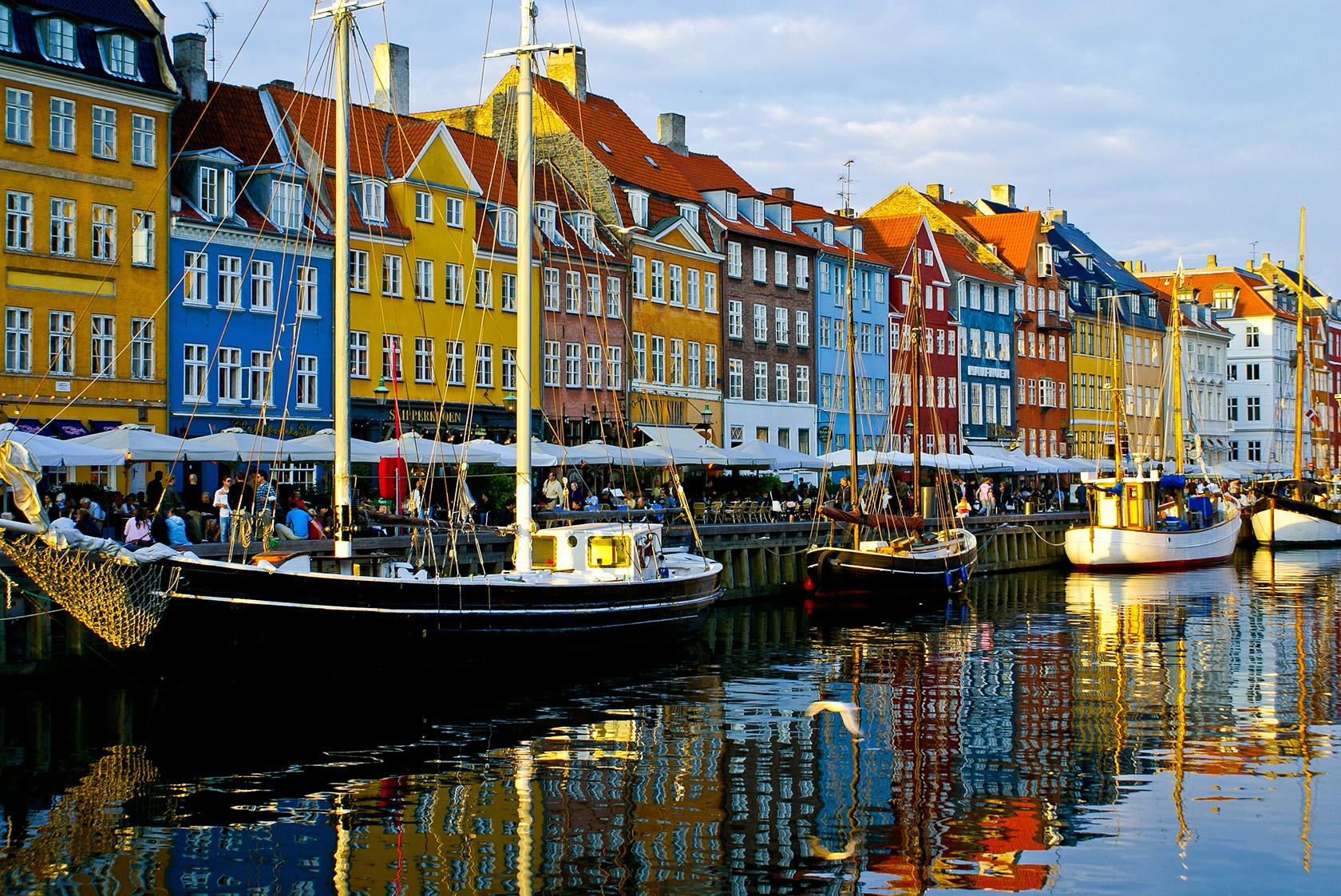
Discover the Copenhagen Region: A perfect mix of historic charm and modern vibrancy, offering scenic beauty, cultural landmarks, and a high quality of life.
Tell me more about Copenhagen Region
Copenhagen's 4.6 km urban beach with lagoons, artificial island, and Øresund Bridge views.
Explore Malmö’s story of machines, ships and science in a vast 1960s brick hall, from a real Swedish submarine to immersive 360° dome journeys into space.