

Lilla torg, Copenhagen Region Travel Guide
Cobbled, compact and full of life, Lilla torg weaves four centuries of Malmö history into one intimate square of cafés, courtyards and characterful façades.
Lilla torg is Malmö’s most atmospheric square, a compact cobbled plaza in the Old Town framed by centuries-old townhouses, timbered facades and lively cafés. Laid out in the 1590s as a market for local traders, it has evolved into a culinary and social hub, with restaurant terraces spilling across the stones from spring to late autumn. Historic courtyards, design spaces and the central fountain lend character, making this a natural meeting point by day and an animated dining quarter after dark.
A brief summary to Lilla torg
- Malmö, SE
- Duration: 0.5 to 3 hours
- Mid ranged
-
 Outdoor
- Mobile reception: 5 out of 5

Know before you go
Hi, I'm Eve. Here are a few practical things to know before exploring Lilla torg.
- Come late morning or early afternoon to appreciate the historic façades and courtyards before the evening restaurant crowds build up.
- Look closely at the fountain reliefs in the centre of the square; they depict scenes from Lilla torg’s past as a bustling food and produce market.
- Step through archways on the south side to discover sheltered courtyards and historic merchant buildings tucked just off the main square.
- If you plan to dine here on a summer evening or weekend, reserve a table in advance as the outdoor terraces fill quickly.
- Visit in different seasons; in winter the square feels cosy under heaters and lights, while summer brings long evenings and a lively outdoor scene.
Do you manage this location?
Take control to get all the benefits, like improved information, better appearance, and stronger visibility across AI-powered discovery. Learn more about listing your business on Evendo
Activate your presenceOther nearby places you may find interesting
The closest places of the same kind, if this one is not quite what you had in mind.
Explore Lilla torg on the Map
A handpicked selection of must-see spots near Lilla torg, mapped for you.
Unlock the Best of Lilla torg
Buy tickets
-
No tickets available
Book tours with entry


Getting There
-
On foot from Malmö Central Station
From Malmö Central Station, walking to Lilla torg through the Old Town takes about 10–15 minutes at a relaxed pace. The route is flat and fully paved, suitable for wheelchairs and strollers. In winter months, allow a little extra time for icy conditions and bring warm, windproof clothing due to the open waterfront nearby.
-
City bus within central Malmö
Several city bus lines stop close to Lilla torg and Stortorget, with typical journey times of 5–15 minutes from inner districts such as Möllevången or Västra Hamnen. Single tickets usually cost around 25–35 SEK when bought with a transit card or mobile app. Buses run frequently during the day and evening, though late-night services are reduced, especially on weekends and holidays.
-
Bicycle in the city centre
Malmö is a cycling city with a dense network of bike lanes leading into the Old Town. From most central neighbourhoods, you can reach Lilla torg in 5–20 minutes by bike on mainly flat terrain. Public bike-share and rental shops are available; expect to pay from about 80–150 SEK for a day’s hire, with helmets and locks often included. Be aware that the square itself is cobbled and shared with pedestrians, so you may prefer to walk the final stretch.
-
Taxi within Malmö
Taxis in Malmö can drop you on streets bordering the pedestrian area around Lilla torg. From central districts the ride typically takes 5–15 minutes depending on traffic. Fares within the city centre commonly range from about 120–220 SEK, with higher prices late at night and on weekends. Vehicles are generally accessible, but if you require a wheelchair-adapted taxi, pre-booking is recommended.
For the on-the-go comforts that matter to you
-
 Restrooms
-
 Drink Options
-
 Drinking Water
-
 Food Options
-
 Seating Areas
-
 Sheltered Areas
-
 Trash Bins
-
 Information Boards
-
 Visitor Center
Discover more about Lilla torg
A little square with a long city memory
Lilla torg, literally “Little Square”, sits in the heart of Malmö’s Old Town, just a few steps from its larger neighbour Stortorget. Created around the 1590s as a marketplace, it was laid out on previously empty ground at the edge of the medieval street grid, chosen for practical trading rather than ceremony. For centuries this was where local small-scale commerce played out, forming one of the city’s everyday stages.The square’s modest footprint gives it an intimate feel. Underfoot, the surface is largely cobbled, with smoother stone used where people sit and stroll. Around you rise façades from nearly every century since the 1500s, their rooflines and materials telling a compressed version of Malmö’s architectural story.From bustling market stalls to food-lovers’ favourite
In its early years, Lilla torg was a tightly organised market. Traders occupied wooden stalls: bakers clustered along the south side, butchers in the west, fish sellers in the east and grocers in the north. Over time, these temporary booths were replaced by permanent houses. In the early 1900s, a grand covered market hall was built over the entire square, turning it briefly into an indoor trading block before it was demolished in the 1960s and the open space was recreated.Later redesigns gave the square its present-day look, with natural stone paving throughout and space carefully set aside for outdoor seating. Today, almost every ground-floor frontage along the west, north and east sides, and part of the south, is occupied by restaurants, bars and cafés. Heated terraces and parasols extend the season, and the atmosphere shifts from relaxed coffee stops by day to buzzing dining and drinks in the evening.Architecture in miniature around the cobbles
Lilla torg’s encircling buildings form an outdoor gallery of Malmö architecture. On the southern side, Hedmanska gården preserves a set of historic merchant’s buildings spanning several centuries, including richly detailed timber framing that reflects a building tradition dating back to the 1500s. Nearby half-timbered houses, colourful plastered façades and later brick structures sit side by side, showing how the square evolved rather than being planned all at once.Dominating the north side, a five-storey building once known as Hotel Anglais displays early 20th-century national romantic style, with robust forms and decorative details. Elsewhere you can spot former merchant houses, warehouses and town palaces that have been adapted to hold offices, shops, eateries and cultural venues, all oriented toward the life of the square.Stories in stone, water and courtyard corners
At the centre of the cobbles stands a fountain dating from the 1970s, replacing an earlier well. Around its rim, sculpted reliefs depict scenes from the old market days, when produce and provisions passed hand to hand in the open air. These images offer a quiet reminder that the social buzz that fills the square today has deep roots in trade and exchange.Slip through one of the archways along the edges and you may find yourself in a sheltered courtyard, paved in stone and ringed by old warehouses with hoists and loft doors. These spaces once housed goods bound for ships and shops; now they often host design centres, galleries and cafés, extending the square’s cultural life beyond its visible edges.Modern meeting place in the heart of Malmö
Today Lilla torg serves multiple roles at once: workplace, neighbourhood, dining area and open-air living room. Offices, a hotel, speciality shops, a preschool and private homes all look onto the same compact plaza. In fine weather, tables spill across much of the square, yet there is usually a slice of cobbled ground free to wander, pause by the fountain or study the varied façades.As daylight softens, the mood becomes warmer and more animated, with conversations rising under strings of lights and the smell of food drifting from kitchens all around. Yet even at its busiest, the square’s scale keeps it approachable. You can cross it in a few dozen steps, but its layered history, architectural variety and lively street life reward lingering far longer than that.












Your all‑in‑one travel companion app
Explore expert travel guides, compare and book tours, experiences, hotels, and more—all from the palm of your hand. Download now for seamless trip planning wherever your wanderlust takes you.


Explore More of Copenhagen Region
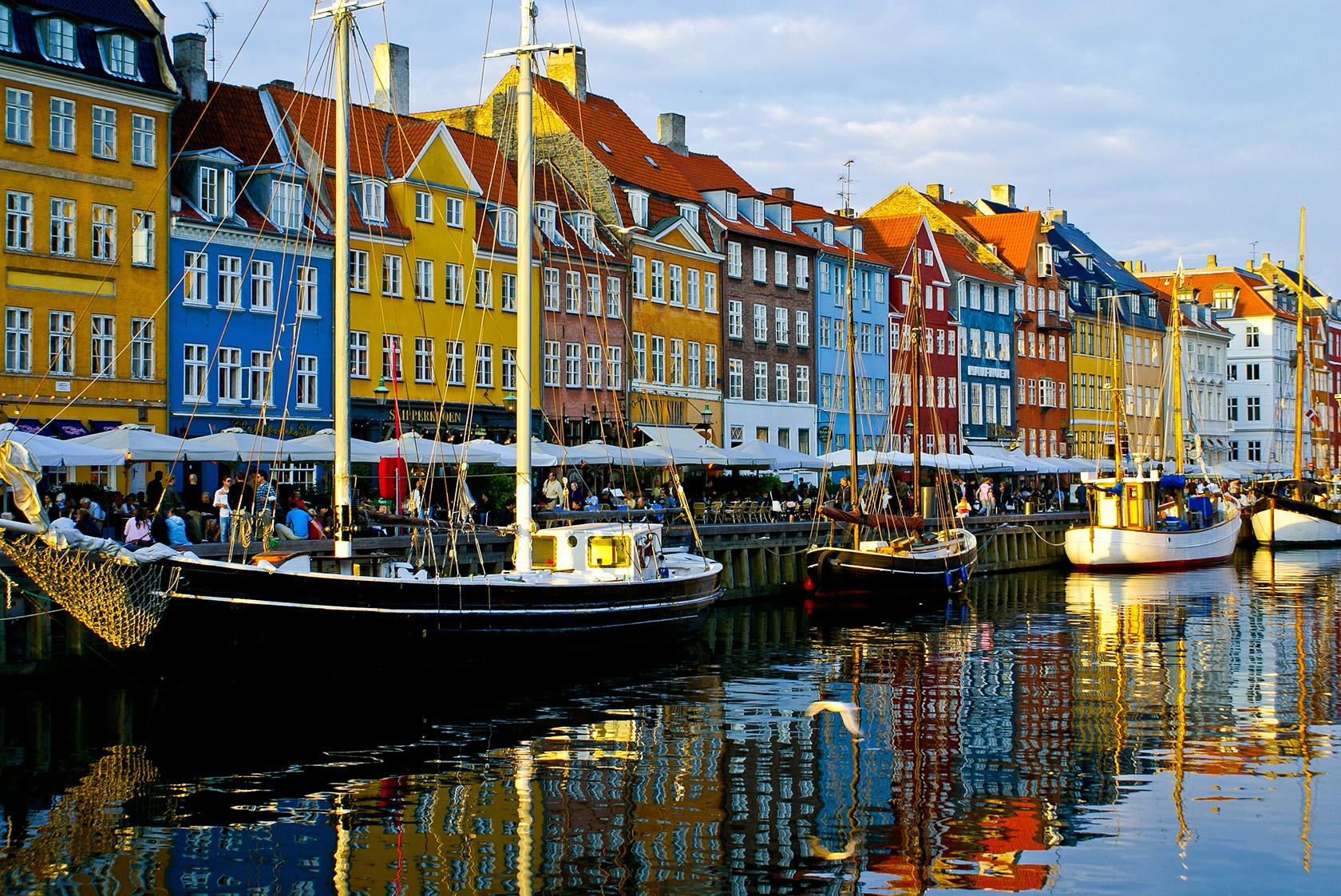
Looking beyond Lilla torg? Discover Copenhagen Region for broader travel guides, local hot-spots, and regional highlights.
Explore Copenhagen Region