Malmö Castle, Copenhagen Region Travel Guide
A red-brick Renaissance fortress turned museum hub, Malmö Castle weaves royal power, prison stories and Nordic culture into one moat-ringed city landmark.
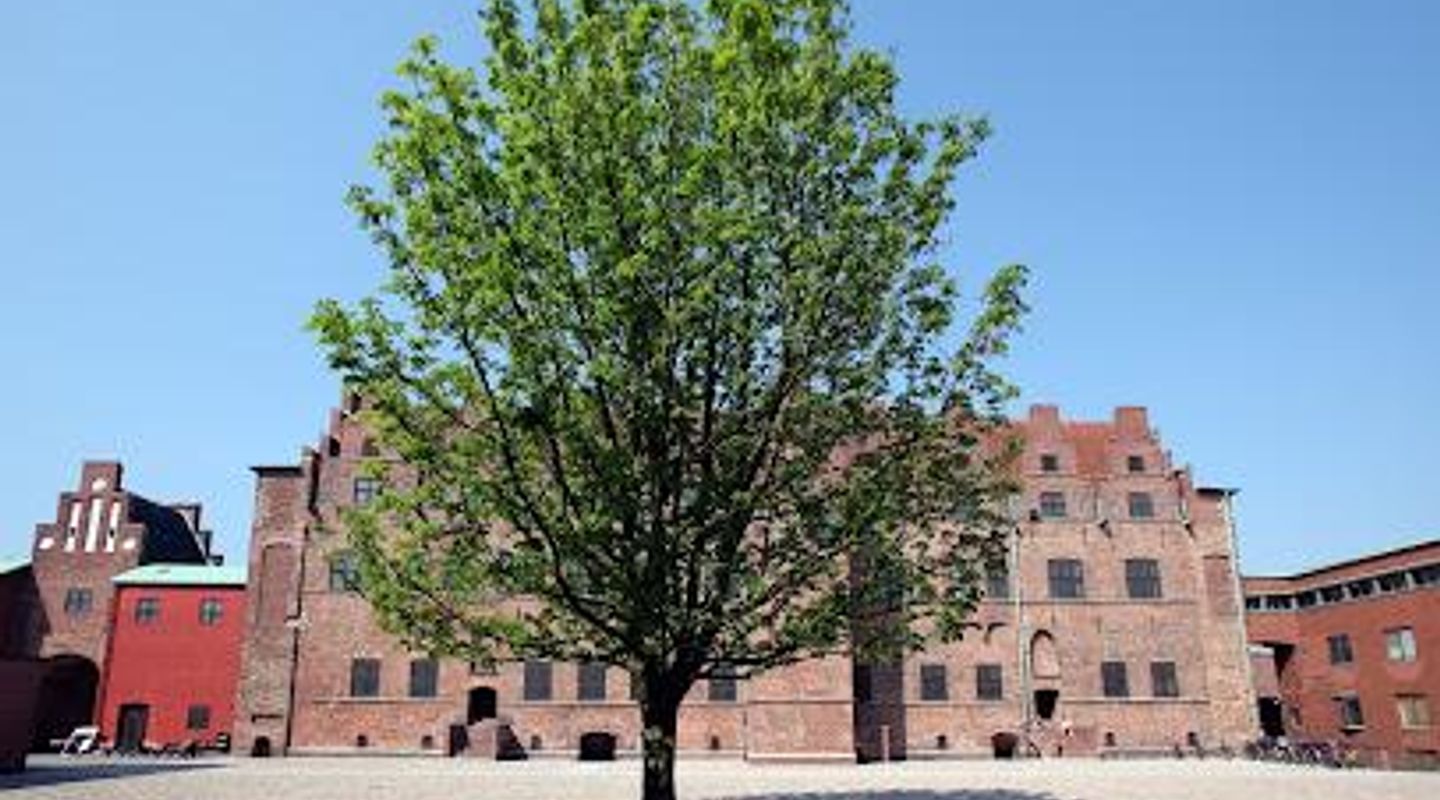
Malmö Castle, or Malmöhus Slott, is a red-brick Renaissance fortress set on a moat-ringed islet just west of Malmö’s old town. Once a key stronghold of the Danish crown, a royal residence and later a prison, it now forms the heart of Malmö Museer, southern Sweden’s largest museum complex. Inside, historic vaults house exhibitions on city history, art, natural history, technology and seafaring, while the surrounding parks and water add a tranquil, scenic backdrop.
A brief summary to Malmö Castle
- Malmöhusvägen 6, Malmö, 211 18, SE
- Click to display
- Click to display
- Duration: 1.5 to 4 hours
- Budget
-
 Mixed
Mixed
- Mobile reception: 4 out of 5
- Tuesday 11 am-5 pm
- Wednesday 11 am-5 pm
- Thursday 11 am-7 pm
- Friday 11 am-5 pm
- Saturday 11 am-5 pm
- Sunday 11 am-5 pm

Know before you go
Hi, I'm Eve. Here are a few practical things to know before exploring Malmö Castle.
- Plan at least two to three hours inside; the castle is only part of a large museum complex that includes art, history, natural history and an aquarium.
- Check current opening hours before you go; the museums typically close on Mondays and have slightly longer hours on certain weekdays.
- Walk a full loop around the moat and through the adjacent parks for the best exterior views and photos of the fortress in its green setting.
- Families should look for the aquarium and hands-on natural history sections, which tend to be a highlight for children.
- If possible, visit on a clear day to combine indoor exhibitions with time in nearby Kungsparken and Slottsträdgården.
Do you manage this location?
Take control to get all the benefits, like improved information, better appearance, and stronger visibility across AI-powered discovery. Learn more about listing your business on Evendo
Activate your presenceOther nearby places you may find interesting
The closest places of the same kind, if this one is not quite what you had in mind.
Explore Malmö Castle on the Map
A handpicked selection of must-see spots near Malmö Castle, mapped for you.
Unlock the Best of Malmö Castle
Buy tickets
-
No tickets available
Book tours with entry


Getting There
-
On foot from Malmö Central Station
From Malmö Central Station, allow around 15–20 minutes to walk to Malmö Castle through the city’s central districts. The route is mostly flat and paved, passing through or alongside parkland, and is suitable for most visitors with basic mobility. Good footwear is helpful in wet or icy conditions, and winter weather may make the final paths around the moat slightly slippery.
-
Local bus within Malmö
Several city bus lines stop within a short walk of Malmöhusvägen. Typical travel time from central Malmö areas is 10–20 minutes, depending on traffic and route. A single adult ticket on Malmö’s local buses generally costs around 30–40 SEK and can be purchased via regional transport apps or ticket machines. Buses usually run frequently during the day, with reduced service late evenings and on weekends.
-
Bicycle within central Malmö
Malmö is a cycle-friendly city with dedicated bike lanes linking the central station, old town and park areas around the castle. Cycling from most central neighbourhoods takes around 5–15 minutes. You can use your own bike or a local rental; day rentals typically start from about 80–150 SEK depending on provider. Remember that some paths around the moat are shared with pedestrians, so moderate speed and care are important.
-
Train from Copenhagen then walk
From Copenhagen, regional Öresund trains run frequently to Malmö Central Station, with travel times of roughly 35–45 minutes. A one-way adult ticket usually costs in the range of 120–160 SEK equivalent, depending on fare type and time of purchase. From Malmö Central it is a pleasant 15–20 minute walk to the castle through the city’s historic core and adjacent parks; the overall journey is accessible year-round, though winter weather can be cold and windy.
For the on-the-go comforts that matter to you
-
 Restrooms
-
 Drink Options
-
 Drinking Water
-
 Food Options
-
 Seating Areas
-
 Sheltered Areas
-
 Trash Bins
-
 Information Boards
-
 Visitor Center
Discover more about Malmö Castle
From Danish Stronghold to Swedish Landmark
Malmö Castle rises over its encircling moat on Slottsholmen, the “castle islet” that once guarded one of Scandinavia’s busiest trade routes. The first fortress here was founded in 1434 by King Eric of Pomerania to reinforce control over the narrow Öresund strait and the lucrative Sound Dues levied on passing ships. That early stronghold was torn down during 16th-century unrest, but its outlines linger in the walls and earthworks around the site.The castle as you see it today dates largely from the 1530s, when Danish king Christian III ordered a modern fortress and stately Renaissance residence on the same spot. With thick brick ramparts, corner towers and a sheltered inner courtyard, Malmöhus became one of Denmark’s most important strongholds, symbolising royal power in the region long before Malmö was part of Sweden.Renaissance Architecture Behind Red-Brick Walls
Approaching across the bridge, you first notice the robust, almost austere red-brick façade, softened by stepped gables and narrow windows typical of the Nordic Renaissance. Defensive towers once bristled with cannon; today, they frame views across the moat and surrounding parks. Inside, vaulted halls, stone stairwells and worn wooden beams hint at centuries of adaptation, from royal apartments to military quarters.Beyond the main keep, outbuildings and bastions fill the islet, forming a compact complex that still reads as a working fortress. Details such as the massive gate passage, arrow slits and thick doorways remind you that this was designed to withstand sieges as well as host royal ceremonies and feasts. Yet the proportions remain human in scale, making it easy to imagine the daily life that once unfolded here.Centuries of Power, Prisoners and Dramatic Tales
Malmöhus has seen both splendour and hardship. In the 16th century it housed Danish princes and minted coins for the crown, while elaborate banquets and celebrations lit up the halls. After the surrounding province of Skåne became Swedish in 1658, the castle shifted from royal residence to military outpost on a contested frontier, before drifting into partial neglect.From 1828 to 1909, the fortress served as a prison, and the courtyard gained a grim reputation for executions. Among its most famous earlier inmates was James Hepburn, Earl of Bothwell and third husband of Mary, Queen of Scots, who was held here in the late 1560s before being moved deeper into Denmark. In the 20th century, the castle took on a very different role when parts of it were used to shelter survivors arriving from German concentration camps at the end of the Second World War.Southern Sweden’s Largest Museum Complex
Since the 1930s Malmö Castle has been carefully restored and transformed into the core of Malmö Museer, the largest museum complex in southern Sweden. A single ticket opens the way into a wide range of exhibitions spread through the historic halls and adjoining buildings, from city history and maritime collections to technology displays and changing cultural shows.Within the complex you also find the Malmö Art Museum, with Nordic art from the 16th century to today, as well as natural history galleries that explore regional landscapes, wildlife and environmental themes. An aquarium and sections focused on marine life and ecosystems make the site especially engaging for younger visitors, while design and photography displays add contemporary perspectives to the castle’s older layers.Castle Islet, Moat and Surrounding Green Spaces
The setting is as much a part of the experience as the exhibitions. The castle sits within a broad moat, its reflections framed by grassy banks and walking paths that loop around the water. Just beyond lie Malmö’s central parks, including leafy Kungsparken and Slottsparken, and the cultivated beds and canals of Slottsträdgården, creating a continuous green belt that wraps the historic islet.This combination of fortress, museum and parkland offers plenty of space to pause between galleries, watch birdlife along the moat or simply enjoy the contrast between the castle’s solid walls and the soft, open landscape around them. Whether you are tracing Nordic history room by room or just strolling the paths outside, Malmö Castle ties together the city’s maritime past, political struggles and modern cultural life in one compact, atmospheric site.












Your all‑in‑one travel companion app
Explore expert travel guides, compare and book tours, experiences, hotels, and more—all from the palm of your hand. Download now for seamless trip planning wherever your wanderlust takes you.


Explore More of Copenhagen Region
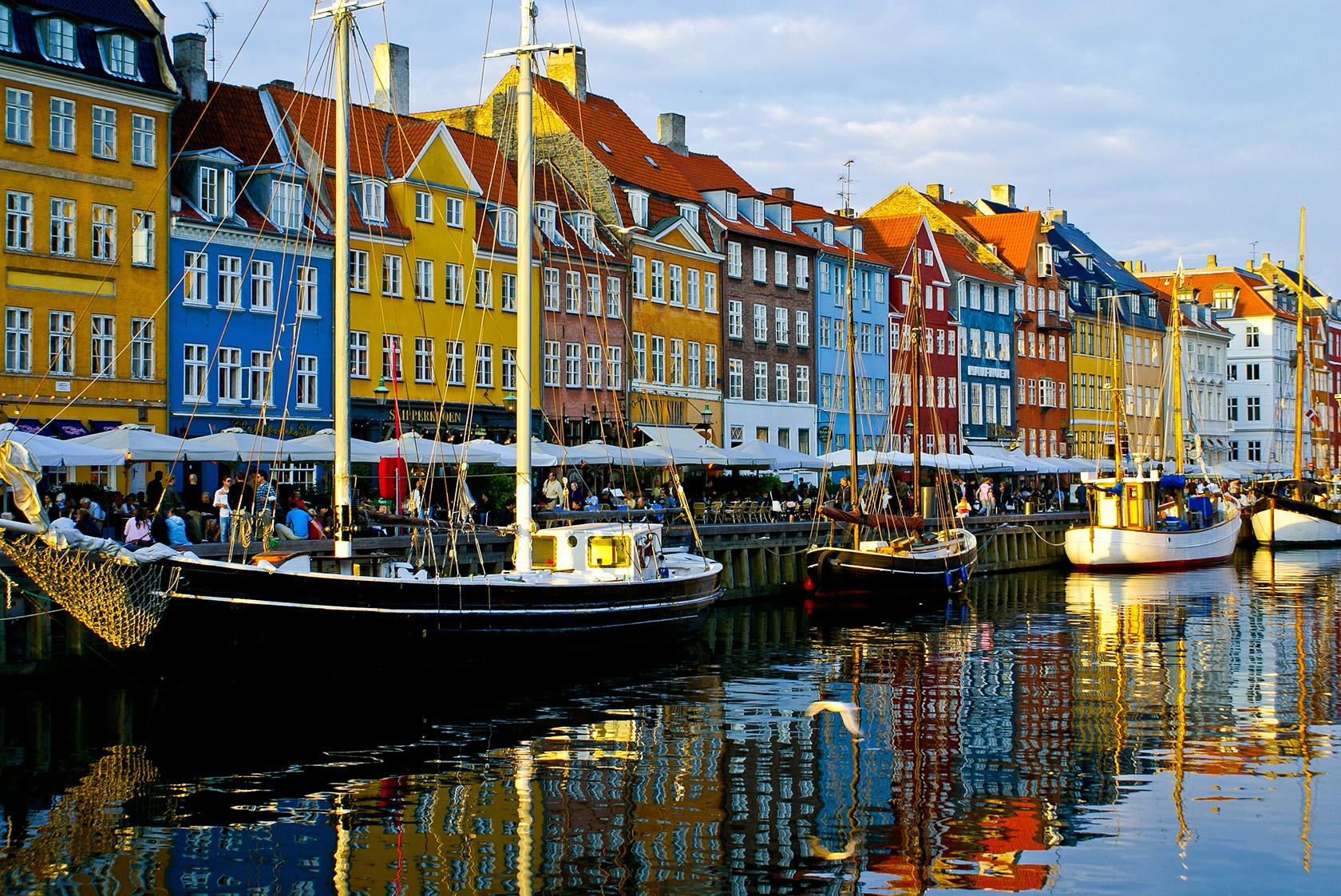
Looking beyond Malmö Castle? Discover Copenhagen Region for broader travel guides, local hot-spots, and regional highlights.
Explore Copenhagen Region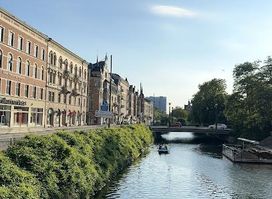
A modest Malmö canal bridge transformed into a poetic trail of bronze footsteps, celebrating the city’s creative souls above the waters of Södra Förstadskanalen.
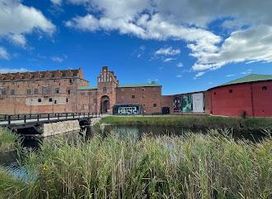
A Renaissance castle turned all-in-one museum complex, where Malmö’s history, nature, art, technology and an aquarium come together beside a tranquil city moat.