
Malmö old cemetery, Copenhagen Region Travel Guide
Historic green refuge at the edge of Gustav Adolfs torg, where tree‑lined paths, old gravestones and quiet stories of Malmö’s 19th‑century citizens meet city life.
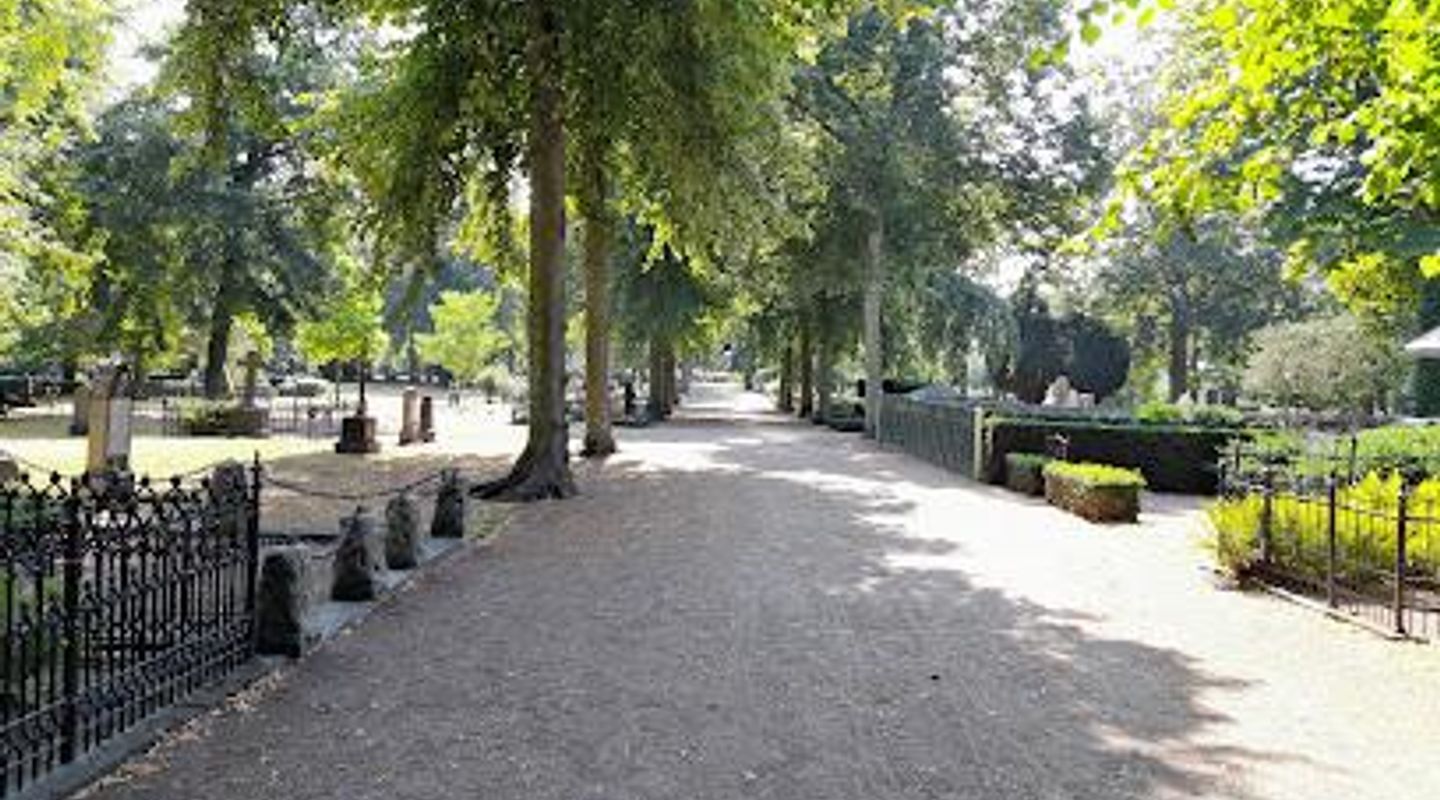
Tucked just off the busy Gustav Adolfs torg, Malmö Old Cemetery is a quietly atmospheric green refuge at the edge of the inner city. Laid out in the 1820s as the “New Cemetery” for Malmö’s burgher families, it is now a historic burial ground with tree‑lined paths, old stone monuments and family plots arranged in orderly “quarters.” Come here for a contemplative stroll, to trace Malmö’s 19th‑century social history, or simply to enjoy a peaceful patch of greenery amid the urban bustle.
A brief summary to Malmö old cemetery
- Gustav Adolfs torg, Malmö, 211 39, SE
- Click to display
- Duration: 0.5 to 1.5 hours
- Free
-
 Outdoor
- Mobile reception: 4 out of 5
- Monday 7:15 am-9 pm
- Tuesday 7:15 am-9 pm
- Wednesday 7:15 am-9 pm
- Thursday 7:15 am-9 pm
- Friday 7:15 am-9 pm
- Saturday 7:15 am-9 pm
- Sunday 7:15 am-9 pm

Know before you go
Hi, I'm Eve. Here are a few practical things to know before exploring Malmö old cemetery.
- Visit in the early morning or late afternoon when the light is soft and the cemetery is at its quietest for photography and reflection.
- Treat it as an active burial ground: speak softly, keep phones on silent and avoid stepping onto grave plots or leaning on old stones.
- Combine your walk here with nearby Gustav Adolfs torg to appreciate how the cemetery once bordered Malmö’s 19th‑century expansion.
Do you manage this location?
Take control to get all the benefits, like improved information, better appearance, and stronger visibility across AI-powered discovery. Learn more about listing your business on Evendo
Activate your presenceOther nearby places you may find interesting
The closest places of the same kind, if this one is not quite what you had in mind.
Explore Malmö old cemetery on the Map
A handpicked selection of must-see spots near Malmö old cemetery, mapped for you.
Unlock the Best of Malmö old cemetery
Buy tickets
-
No tickets available
Book tours with entry


Book tours without entry
-
No tours available
Getting There
-
City bus
From Malmö Central Station, take any city bus that stops at Gustav Adolfs torg; the ride typically takes 5–10 minutes depending on traffic and departures run every few minutes during the day. A single city ticket generally costs around 30–40 SEK and can be bought via app or ticket machines. From the bus stop, it is a short, level walk across the square to the cemetery entrance, suitable for most visitors.
-
Walking from central Malmö
From the central station area, allow around 15–20 minutes on foot to reach Gustav Adolfs torg and the adjoining Old Cemetery. The route is flat and follows central streets and canal‑side paths, making it straightforward for most people with average mobility. Surfaces are mainly paved; some sections within the cemetery are gravel and may be uneven for wheelchairs or prams.
-
Bicycle
Malmö’s network of cycle lanes makes it easy to reach Gustav Adolfs torg by bike from most inner‑city districts in around 5–15 minutes. Public rental bikes and hotel bicycles are common, and there are bike racks dotted around the square. Cycling is not appropriate inside the cemetery itself, so plan to dismount and walk your bike or secure it outside before entering.
For the on-the-go comforts that matter to you
-
 Trash Bins
-
 Information Boards
-
 Seating Areas
Discover more about Malmö old cemetery
A nineteenth‑century city of the dead
Malmö Old Cemetery, known locally as Gamla begravningsplatsen, took shape in the 1820s as the city’s “New Cemetery” when the growing port needed more space for its dead. Instead of clustered churchyards, Malmö’s merchant and burgher families were given plots in carefully organized “quarters,” echoing the grid of the expanding town around Gustav Adolfs torg. Walking the avenues today, you can still sense the ambition of an era when a dignified burial plot was as much a status symbol as a fine townhouse.The layout feels almost like a miniature city plan. Rows of iron fences, low stone borders and family chapels create a rhythm of facades, while gravel paths act as quiet streets. Names that once dominated Malmö’s civic life appear on weathered headstones, offering an open‑air archive of the city’s 19th‑century elite.Green calm beside a busy square
Set a short stroll from Gustav Adolfs torg, the cemetery forms a soft, leafy edge to central Malmö. Mature trees arch above the paths, filtering city noise into a rustling backdrop of leaves, bird calls and distant traffic hum. In summer, shrubs and climbing plants soften the stonework; in autumn, tangles of ivy and drifts of leaves turn the quarters into a palette of gold and rust.Despite its location near tram‑era boulevards and modern bus routes, the space feels sheltered. Benches invite you to pause, read an inscription or simply enjoy a pocket of shade. The contrast between the lively square and this enclosed garden of memory is one of the area’s quiet pleasures.Stories carved in stone
Beyond its greenery, Malmö Old Cemetery is rich in detail for anyone with an eye for craft and symbolism. Look for carved urns, broken columns and draped shrouds, all classic 19th‑century funerary motifs. Laurel wreaths hint at achievement, while anchors and ships allude to Malmö’s maritime ties. Some stones are written in old‑fashioned Swedish script, others in German or Danish, reflecting the region’s shifting cultural currents.Although many of the city’s grandest graves once stood here, the cemetery also holds more modest markers: simple slabs, iron crosses and shared family stones. Together they sketch a social history that runs from prosperous guild members and traders to the lesser‑known workers who sustained the port economy.A contemplative urban detour
For visitors, this is less a checklist attraction than a place to wander without hurry. It works well as a reflective detour between the canals, squares and shopping streets around Gustav Adolfs torg. Photographers will find evocative compositions in the play of light on stone, the geometry of paths and the textures of moss, bark and wrought iron.The cemetery’s compact size makes it easy to explore in under an hour, yet its layered history rewards a longer, slower visit. Whether you arrive with an interest in Malmö’s past or simply seeking a quiet bench away from the city’s rhythm, Malmö Old Cemetery offers a calm, thoughtful counterpoint to the surrounding streets.Respectful visiting in a living heritage site
Although historic, this is still a consecrated burial ground and a place of remembrance. Visitors are welcome during posted opening hours, but the atmosphere calls for hushed voices, slow steps and a light footprint. Stick to paths, avoid touching fragile stones and keep any photography discreet and respectful.Seen in this way, the cemetery becomes more than a curiosity: it is an enduring piece of Malmö’s cultural fabric, where trees, stones and stories stand together in the heart of the modern city.












Your all‑in‑one travel companion app
Explore expert travel guides, compare and book tours, experiences, hotels, and more—all from the palm of your hand. Download now for seamless trip planning wherever your wanderlust takes you.


Explore More of Copenhagen Region
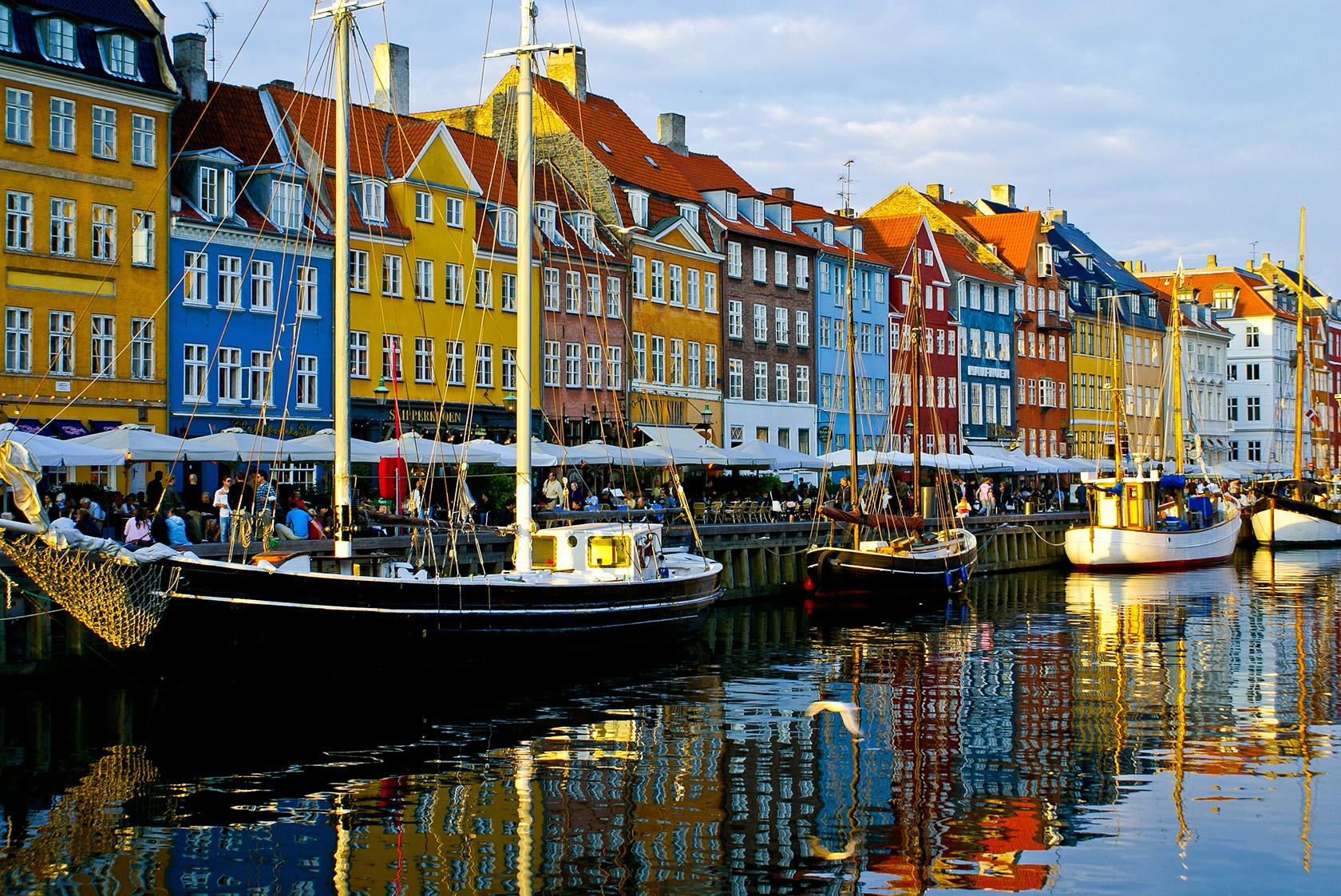
Looking beyond Malmö old cemetery? Discover Copenhagen Region for broader travel guides, local hot-spots, and regional highlights.
Explore Copenhagen Region
Historic seaside bathhouse on a wooden pier where Malmö’s skyline, Nordic sauna rituals and bracing Öresund dips come together in an inclusive year‑round oasis.
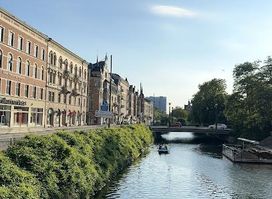
A modest Malmö canal bridge transformed into a poetic trail of bronze footsteps, celebrating the city’s creative souls above the waters of Södra Förstadskanalen.
