

Jægersborggade, Copenhagen Travel Guide
A once-gritty Nørrebro side street reborn as a compact hub of coffee, craft, and contemporary Copenhagen culture.
Jægersborggade is a compact, characterful street in Copenhagen’s Nørrebro district, famous for its transformation from gritty backstreet to one of the city’s most creative addresses. Lined with early-20th-century apartment blocks, it now hosts around 40 independent businesses, from specialty coffee bars and porridge cafés to natural wine bars, galleries, ceramics studios, and design shops. A strong neighborhood feel, emphasis on craftsmanship, and sustainable, small-scale entrepreneurship make it a rewarding place to wander slowly, browse, and snack your way along.
A brief summary to Jægersborggade
- Copenhagen, Nørrebro, 2200, DK
- Duration: 1 to 4 hours
- Mid ranged
-
 Outdoor
- Mobile reception: 5 out of 5

Know before you go
Hi, I'm Eve. Here are a few practical things to know before exploring Jægersborggade.
- Plan at least half a day so you can combine coffee, a meal, and browsing the many small studios and boutiques without rushing.
- Check individual shop and café opening hours in advance; many keep limited weekend schedules and may open later in the morning.
- Bring a reusable tote and perhaps some extra luggage space if you are interested in ceramics, design objects, or specialty food souvenirs.
- For a quieter feel, visit on a weekday morning; evenings and sunny weekends tend to be livelier with fuller terraces.
- Pair your stroll with nearby green spaces, using Assistens Cemetery or Nørrebroparken as peaceful bookends to your visit.
Do you manage this location?
Take control to get all the benefits, like improved information, better appearance, and stronger visibility across AI-powered discovery. Learn more about listing your business on Evendo
Activate your presenceOther nearby places you may find interesting
The closest places of the same kind, if this one is not quite what you had in mind.

Explore Jægersborggade on the Map
A handpicked selection of must-see spots near Jægersborggade, mapped for you.
Unlock the Best of Jægersborggade
Buy tickets
-
No tickets available
Book tours with entry


Book tours without entry

Getting There
-
Metro and bus from central Copenhagen
From central Copenhagen, take the M3 Cityringen metro to Nørrebro Station, then continue by bus along Nørrebrogade to a stop near Assistens Cemetery. The full journey typically takes 15–25 minutes, with frequent departures throughout the day. A standard adult ticket for the combined metro and bus ride costs around 20–30 DKK, and services run year-round with only slightly reduced frequency late at night.
-
S-train and short walk
You can also reach the area via the S-train by riding to Nørreport or Nørrebro Station, then walking through the Nørrebro neighbourhood to Jægersborggade in about 15–20 minutes. The S-train portion of the trip from central hubs takes roughly 5–10 minutes, and a single ticket is typically 20–30 DKK depending on zones. The walk is flat and on paved sidewalks, suitable for most visitors but less ideal in heavy rain or snow.
-
Cycling from the city centre
Copenhagen’s extensive cycle lanes make biking to Jægersborggade straightforward. From the historic centre, most routes take 15–20 minutes at an easy pace, using separated bike lanes for nearly the entire way. You can use city bikes or rental bicycles, with typical rental prices from about 50–100 DKK for a few hours. Cycling is generally possible year-round, though strong winds, icy conditions, or heavy snowfall may make the ride less comfortable.
-
Taxi or rideshare within Copenhagen
Taxis and licensed rideshare services can drop you near either end of Jægersborggade, as the street itself is narrow and residential. From central Copenhagen, the drive usually takes 10–20 minutes depending on traffic. Expect fares in the range of 120–200 DKK one way, with higher prices late at night or during peak periods. This option suits travellers with luggage or limited mobility, though availability can be slightly reduced on busy weekend evenings.
For the on-the-go comforts that matter to you
-
 Drink Options
-
 Food Options
-
 Seating Areas
-
 Trash Bins
-
 Information Boards
Discover more about Jægersborggade
From troubled side street to creative showcase
Once known mainly to locals and long associated with social problems, Jægersborggade has undergone one of Copenhagen’s most striking urban transformations. Early tenement blocks, completed around 1900, form a narrow corridor between Assistens Cemetery and Nørrebroparken, but the atmosphere today is more village lane than inner-city backstreet. Over the past two decades, disused storefronts have been taken over by young entrepreneurs, turning the street into a compact laboratory of food, design, and community-minded business.As you walk its roughly 350–400 metres, the mix of old brick facades and freshly restored shopfronts tells the story of renewal rather than replacement. Many owners live above their premises, reinforcing the sense that this is still a lived-in residential street first, a destination second.Culinary experiments on a single block
Food is one of Jægersborggade’s great draws. The street helped launch several names now woven into Copenhagen’s modern culinary identity, from innovative porridge bar GRØD to influential bakeries and ambitious bistros. For years, a pioneering Michelin-starred restaurant set the tone for fine dining in a decidedly informal setting, proving that serious cooking could thrive outside the traditional city centre.Alongside headline venues, you find cosy coffee bars from respected micro-roasters, natural wine specialists pouring low-intervention bottles from tiny European producers, and ice-cream parlours experimenting with seasonal flavours. Many places highlight organic ingredients and short supply chains, so it is easy to spend an afternoon grazing from breakfast porridge to late-night glass of wine without leaving the street.Studios, workshops and small-scale makers
Beyond food, Jægersborggade is a showcase of hands-on craftsmanship. Basements and ground-floor units host ceramicists turning out paper-thin porcelain, capmakers sewing bespoke headwear, chocolatiers tempering small-batch sweets, and lamp designers shaping sculptural lighting from Danish timber. Several shops also serve as working studios, letting you glimpse production happening just a few steps behind the counter.This concentration of makers gives the street an almost market-like diversity, but with permanent addresses instead of stalls. Many focus on limited runs, custom orders, or one-of-a-kind pieces, so browsing feels closer to visiting a series of tiny ateliers than conventional retail.Street life, seasons and local rhythm
Despite its popularity, the rhythm on Jægersborggade still follows that of the neighborhood. On weekdays, mornings start quietly with residents cycling out and regulars queuing for coffee and bread. Afternoons bring stroller-pushing parents, students, and remote workers drifting between cafés, while evenings see the wine bars and restaurants gently fill.Outdoor tables appear as soon as the weather allows, and the street becomes an informal living room dotted with benches, potted plants, and parked cargo bikes. Opening hours can be idiosyncratic, especially on weekends, so part of the charm lies in discovering which doors are open on any given visit.A window into contemporary Nørrebro
Jægersborggade also offers a concise introduction to Nørrebro’s broader character. The surrounding blocks are dense and multicultural, with green space at either end and the historic cemetery nearby. On the street itself, you feel a blend of Danish design sensibility, grassroots initiatives, and a relaxed, youthful edge that contrasts with the more polished waterfront districts.Spending time here is less about ticking off individual sights and more about soaking up a very current slice of Copenhagen life: chatting with shop owners about their craft, sampling new Nordic flavours in casual form, and watching how an ordinary residential street has reinvented itself as a small but influential cultural corridor.












Your all‑in‑one travel companion app
Explore expert travel guides, compare and book tours, experiences, hotels, and more—all from the palm of your hand. Download now for seamless trip planning wherever your wanderlust takes you.


Explore More of Copenhagen
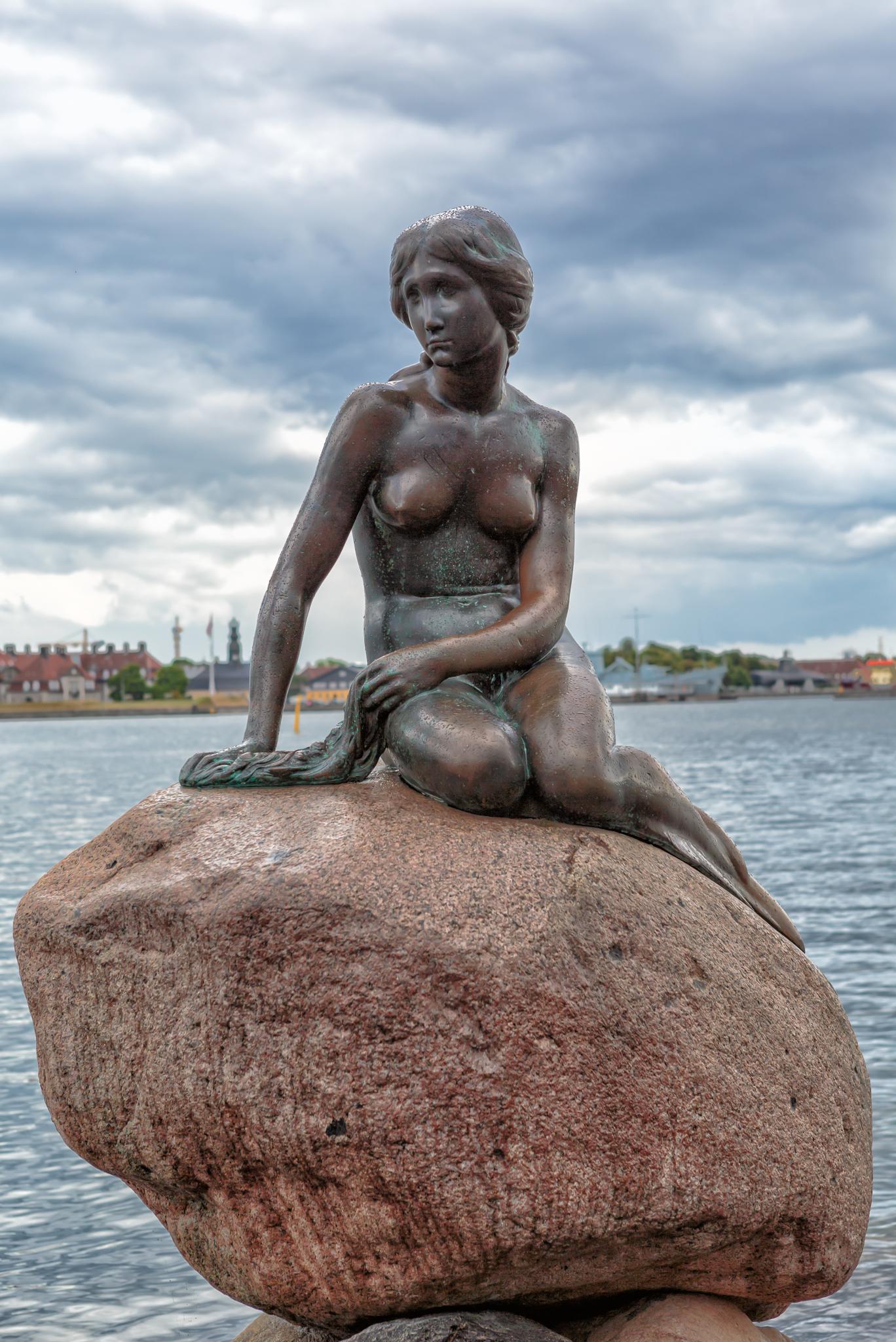
Looking beyond Jægersborggade? Discover Copenhagen for broader travel guides, local hot-spots, and regional highlights.
Explore Copenhagen