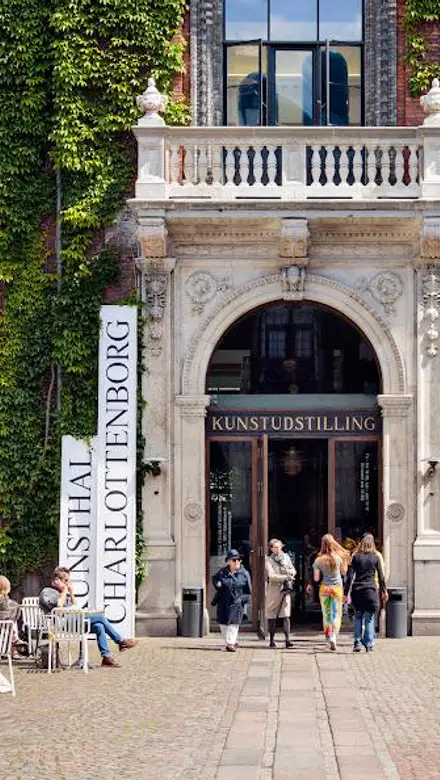
Kunsthal Charlottenborg, Copenhagen Travel Guide
Free Guide: Historic Charlottenborg Palace turned avant‑garde kunsthal, where vast Baroque halls, canal views and an ambitious rotating program define Copenhagen’s contemporary art scene.


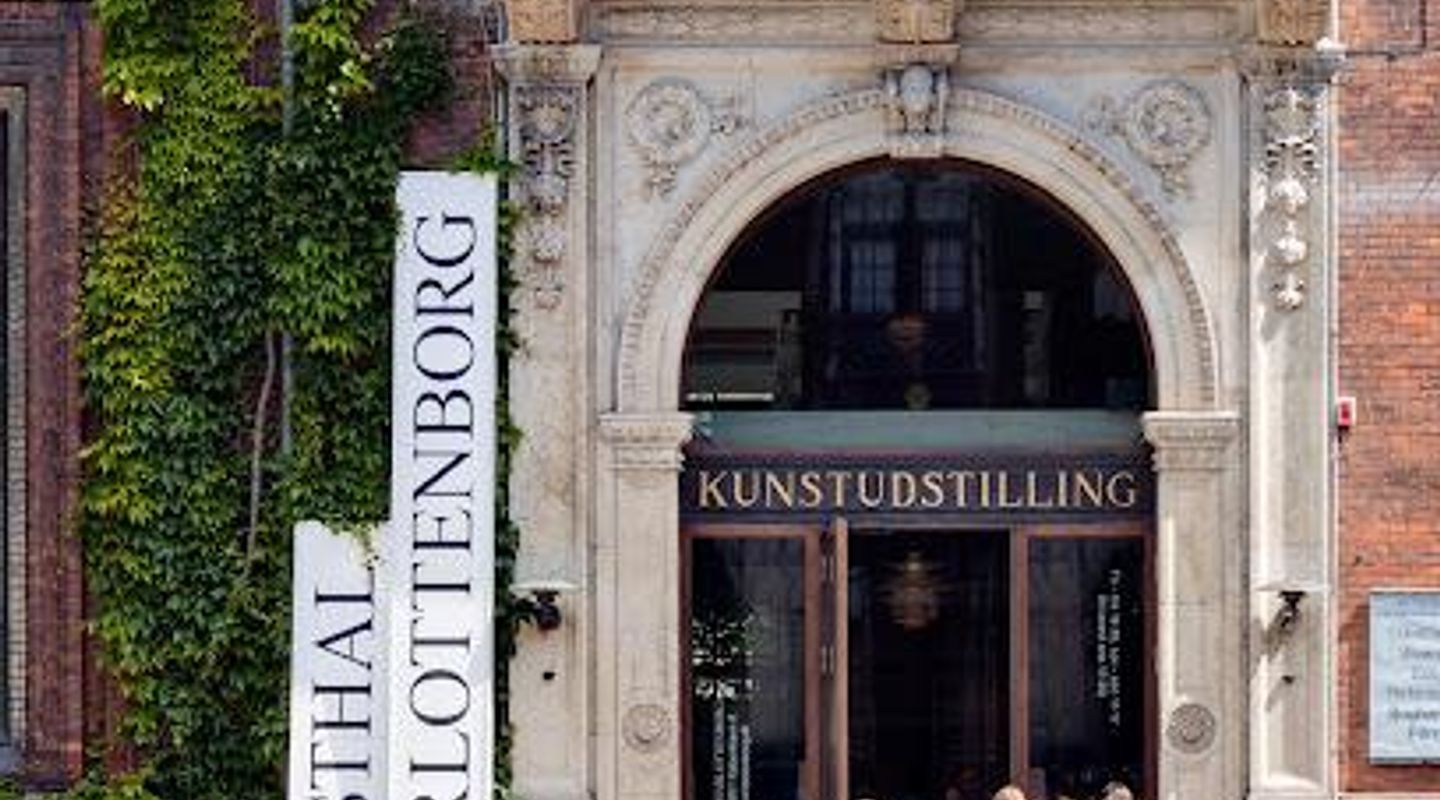
A brief summary of Kunsthal Charlottenborg
Historic Charlottenborg Palace turned avant‑garde kunsthal, where vast Baroque halls, canal views and an ambitious rotating program define Copenhagen’s contemporary art scene.
Set in the Dutch Baroque wings of Charlottenborg Palace by Nyhavn, Kunsthal Charlottenborg is one of Northern Europe’s largest and most atmospheric spaces for contemporary art. Behind its stately 17th‑century façade you’ll find changing exhibitions by Danish and international artists, installations that spill through vast halls and courtyards, and a lively program of talks, screenings, performances and events tied to the Royal Danish Academy of Fine Arts next door.
On-site amenities
 Restrooms
 Drink options
 Food options
 Seating areas
 Trash bins
 Information boards
Opening hours
- MonClosed
- Tue12 pm–8 pm
- Wed12 pm–8 pm
- Thu12 pm–8 pm
- Fri12 pm–8 pm
- Sat11 am–5 pm
- Sun11 am–5 pm
Opening hours as listed on the venue’s Google Business Profile. Hours can change for services and special events, so check with the venue before you go.
- Address
- Nyhavn 2, 1051 København
- Phone
- Website
Getting there
Metro
Bus
Bicycle
Walking from central Copenhagen
Discover more about Kunsthal Charlottenborg
Baroque palace meets bold contemporary art
Kunsthal Charlottenborg occupies the historic Charlottenborg Palace at the corner of Kongens Nytorv and the Nyhavn canal, where a 17th‑century town mansion now shelters cutting‑edge art. Built for nobleman Ulrik Frederik Gyldenløve in the 1670s and later owned by dowager queen Charlotte Amalie, the palace’s Dutch Baroque lines, brick façades and quiet courtyard give the art center a sense of grandeur that contrasts playfully with the experimental work inside.Since the late 19th century, the palace’s rear wing has been dedicated to exhibitions, developing into one of Northern Europe’s largest venues for contemporary art. Today the kunsthal operates without a permanent collection, focusing instead on changing shows that animate these historic rooms with moving images, sound, installation and large‑scale sculpture.
From royal residence to art academy powerhouse
The building’s life mirrors Copenhagen’s cultural evolution. After the royal period, Charlottenborg became firmly tied to the Royal Danish Academy of Fine Arts, which took over the palace in the 18th century and still occupies parts of the complex. The exhibition halls served as the Academy’s official showcase, hosting student presentations, juried salons and experimental projects that introduced new artistic ideas to the city.This history continues in long‑running formats such as the Charlottenborg Spring Exhibition, an open‑call show that has helped launch generations of Nordic artists, and the annual MFA degree exhibition, where graduating students present ambitious projects across media. Walking through the kunsthal, you are moving through a living timeline of Danish art education and its international dialogues.
What you’ll see inside the galleries
Inside, white‑cube galleries alternate with lofty halls, original staircases and glimpses of palace detailing. The program is resolutely contemporary: thematic group shows sit alongside major solo exhibitions by both emerging and established artists working in installation, photography, film, performance and socially engaged practice. Some projects respond directly to current politics; others are quiet, poetic explorations of nature, technology or identity.Because there is no permanent collection, every visit feels different. At one time you may find a single immersive video filling a hall; at another, a dense constellation of sculptures, textiles and archival materials. The kunsthal also collaborates widely, hosting curated archives, research‑driven projects and crossovers between design, architecture and visual art that make full use of the flexible spaces.
Courtyards, canal views and everyday atmosphere
Beyond the galleries, Kunsthal Charlottenborg’s setting is part of its appeal. The inner courtyard offers a calm pause just steps from busy Kongens Nytorv, with seasonal outdoor artworks or installations occasionally inhabiting the space. From upper‑floor windows you can look out over the colorful houses of Nyhavn and the bustle of the canal, framing classic Copenhagen views from within the palace walls.On many days the atmosphere blends exhibition visitors with art students moving between classes, researchers heading to the art library and locals meeting in the on‑site café. Talks, screenings, performances and concerts extend the experience into the evening, turning the kunsthal into a cultural hub where visual art intersects with music, film and debate.
Planning your visit and making the most of it
A typical visit lasts between one and two hours, depending on how deeply you engage with the current program. Wall texts are usually available in more than one language, and staff are happy to discuss the works on view. Parts of the building have been adapted for step‑free access, and facilities include restrooms, seating areas, information points and a café where you can linger before or after your gallery circuit.Most exhibitions are suitable for a wide audience, though themes can at times be challenging or conceptually dense, reflecting the institution’s ambition to present uncompromising contemporary art. It is worth checking what is on during your dates, as a strong temporary show can easily tempt you to stay longer, attend an associated talk or return for an evening event in this distinctive blend of royal architecture and forward‑looking culture.
Evendo Review Centre
 Google
Guest reviews
Best time to go
Quietest: Jan, Feb & Mar · before 10am or from 9pm
Busy times are Evendo estimates for a typical year, to help you plan. Actual crowds vary with events, school holidays and the weather.
Explore Kunsthal Charlottenborg on the map
A handpicked selection of must-see spots near Kunsthal Charlottenborg, mapped for you.
Get your free copy of our complete guide to Kunsthal Charlottenborg, delivered straight to you.
Everything on this page, from opening hours and how to get there to Eve’s tips and the best time to go, in one PDF you can read offline, print or share.
Already have an account? Sign in
Your Kunsthal Charlottenborg guide is ready.
We'll send it to · Not you? Sign out

Getting your guide ready…
We are putting together a fresh copy of the Kunsthal Charlottenborg guide. This can take up to a minute.
This can take a few moments. If your browser asks, choose Allow so the download can start. You'll find the guide in your Downloads folder.
Nothing happened? Download it again
Sorry, the guide is taking longer than usual. Please try again in a minute, or get it by email instead.
Unlock the best of Kunsthal Charlottenborg
Skip-the-line tickets, guided tours with entry, and walking tours of the area, booked in a few clicks.


Other nearby places you may find interesting
The closest places of the same kind, if this one is not quite what you had in mind.
-
Copenhagen Zoo Explore 4,000+ animals across continents without leaving Copenhagen—year-round indoor and outdoor wildlife adventure.
-
 National Aquarium Denmark
Northern Europe’s largest aquarium, where striking whirlpool architecture, sharks, sea otters and a lush indoor rainforest bring the world’s oceans to Copenhagen’s shoreline.
National Aquarium Denmark
Northern Europe’s largest aquarium, where striking whirlpool architecture, sharks, sea otters and a lush indoor rainforest bring the world’s oceans to Copenhagen’s shoreline.
-
Magstræde One of Copenhagen’s oldest cobbled lanes, Magstræde is a colorful, time‑worn shortcut through the city’s medieval heart and everyday modern life.
-
Kastellet A perfectly preserved 17th‑century star fortress where red barracks, a windmill and grassy ramparts create a quiet green refuge beside Copenhagen’s harbour.
-
Rosenborg castle A compact Renaissance palace of kings, crowns and stories, Rosenborg Castle pairs glittering Crown Jewels with tranquil gardens in the very heart of Copenhagen.
Swipe for more places
More to explore near Kunsthal Charlottenborg
-
 Best experiences near Kunsthal Charlottenborg
-
 Best hotels near Kunsthal Charlottenborg
-
 Best landmarks near Kunsthal Charlottenborg
-
 Best attractions near Kunsthal Charlottenborg
-
 Best shops near Kunsthal Charlottenborg
-
 Best restaurants near Kunsthal Charlottenborg
-
 Best bars near Kunsthal Charlottenborg







Do you manage this location?
Take control to get all the benefits, like improved information, better appearance, and stronger visibility across AI-powered discovery.
Explore more

Explore more of Copenhagen
Discover Copenhagen: A perfect blend of history, modernity, and vibrant culture, where picturesque canals, stunning architecture, and world-class dining await you.
Explore Copenhagen
Explore more of Denmark
Discover Denmark: A perfect blend of history, modern design, and the cozy concept of hygge. Explore vibrant cities, serene landscapes, and world-class cuisine.
Explore Denmark