
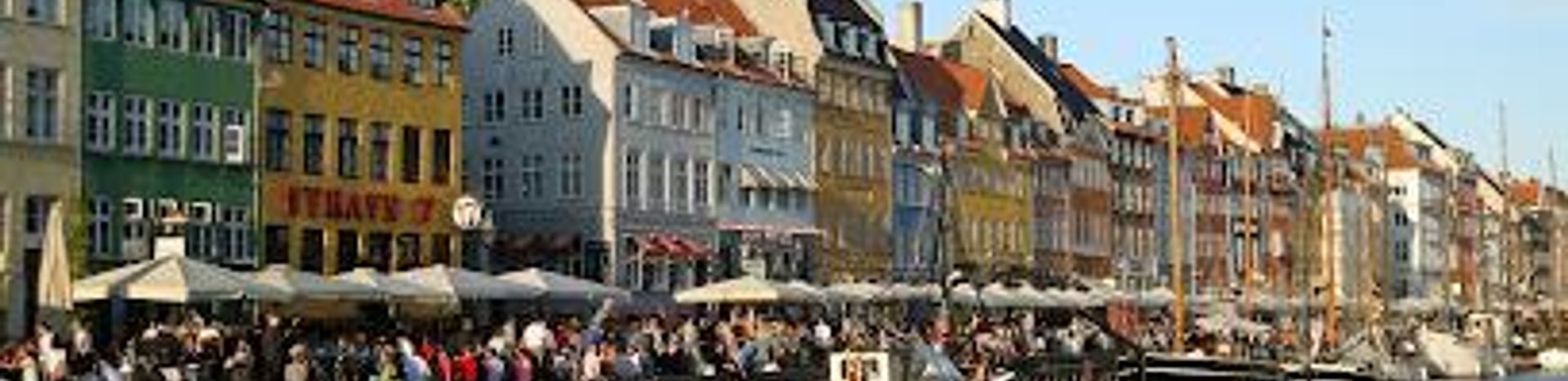
Nyhavnsbroen & Nyhavn
A modest canal bridge with a grand view, Nyhavnsbroen is the perfect perch above Copenhagen’s most colourful harbour and its centuries of maritime stories.
Nyhavnsbroen is the low canal bridge that links both sides of Copenhagen’s iconic Nyhavn, the 17th‑century harbour lined with colourful townhouses, historic wooden ships and buzzing cafés. From this modest crossing you get the classic postcard panorama of Nyhavn’s facades reflected in the water, with canal boats gliding underneath and cyclists and pedestrians streaming past above. It is both a practical city artery and one of Copenhagen’s most photogenic viewpoints, especially in soft morning or golden‑hour light.
A brief summary to Nyhavnsbroen & Nyhavn
- Copenhagen, Indre By, 1051, DK
- Duration: 0.5 to 2 hours
- Free
-
 Outdoor
- Mobile reception: 5 out of 5
Local tips
- Arrive in the morning for softer light on the colourful facades and fewer people on the bridge, ideal for wide harbour photos in both directions.
- Walk both sides of the canal after crossing the bridge to compare perspectives and spot historic details such as old signs and ship fittings.
- In winter, visit after dusk to see Christmas lights, market stalls and steam from mulled wine rising along the quays, all reflected in the canal.
- If you plan a canal tour, watch boats pass under the bridge first to choose a route and departure point that matches your pace and commentary style.

For the on-the-go comforts that matter to you
- Restrooms
- Drink Options
- Drinking Water
- Food Options
- Seating Areas
- Sheltered Areas
- Trash Bins
- Information Boards
- Visitor Center
Getting There
-
Metro from central Copenhagen
From most central districts, take the M1 or M2 metro line to Kongens Nytorv station, which is a major hub in the inner city. Trains run every few minutes throughout the day and the ride from Nørreport or Vesterport areas usually takes 3–6 minutes. A single zone ticket typically costs around 20–25 DKK. From the station, Nyhavn and Nyhavnsbroen are reached on foot in about 5–10 minutes along flat, paved streets suitable for wheelchairs and strollers.
-
City bus to Nyhavn area
Several city buses serve stops near Nyhavn and the harbour front, with travel times of 10–25 minutes from inner neighbourhoods such as Østerbro or Vesterbro depending on traffic. Standard bus tickets cost roughly 20–25 DKK for a short inner‑city journey and can be used across buses, metro and harbour buses within the same fare zones. Buses run frequently during the day and early evening; expect reduced frequency late at night and on some holidays.
-
Harbour bus by water
The public harbour buses operate like floating city buses along Copenhagen’s inner harbour, stopping at several quays close to Nyhavn. Journey times from other harbour stops, such as Islands Brygge or Refshaleøen, are usually 15–30 minutes depending on the route. A regular public transport ticket, around 20–25 DKK for the relevant zones, covers the harbour bus. Services can be less frequent in the evening and in rough weather, but offer an atmospheric approach directly on the water.
-
Cycling within the city
Copenhagen is highly bicycle‑friendly, and Nyhavnsbroen is part of a busy cycling route. From neighbourhoods like Nørrebro, Vesterbro or Frederiksberg, cycling times are typically 10–25 minutes along dedicated bike lanes on mostly flat terrain. Visitors can rent city bikes or standard bicycles from numerous shops, with prices often starting around 100–150 DKK per day. Be prepared for heavy cycle traffic at peak commuting hours and follow local cycling etiquette when crossing the bridge.
Nyhavnsbroen & Nyhavn location weather suitability
-
 Any Weather
-
 Clear Skies
-
 Mild Temperatures
-
 Cold Weather
-
 Rain / Wet Weather
Discover more about Nyhavnsbroen & Nyhavn
A Harbour Bridge at the Heart of Old Copenhagen
Nyhavnsbroen spans the mouth of the Nyhavn canal where it meets the Inner Harbour, sitting in the very centre of historic Copenhagen. The bridge may look understated, but it anchors one of the city’s most recognisable views: rows of tall, narrow, brightly painted houses stepping along the water, their facades mirrored in the canal below. Designed as a functional crossing, it carries a constant flow of cyclists and pedestrians between the royal quarter and the rest of the city. The current bridge dates from the early 20th century, replacing an earlier structure from the 1870s that helped channel growing traffic as Copenhagen expanded. It still opens to allow larger vessels in and out of the canal, a reminder that Nyhavn is not just a pretty backdrop but a working waterway with an unbroken maritime lineage.Nyhavn’s Maritime Past and Colourful Present
Nyhavn itself was dug in the 17th century as a new harbour, a straight watery corridor bringing ships from the Øresund right into the city’s commercial core. For centuries this was a rough‑edged port district of warehouses, taverns and sailors’ lodgings, where goods, stories and people from across the world arrived with each tide. The tall gabled buildings you see from the bridge once housed merchants, shipowners and boarding houses. In the 20th century the area was gradually restored, the facades repainted in bright pastels and the old wooden vessels preserved along the quays. Today the canal edges are filled with cafés and restaurants, jazz drifting from outdoor tables in summer and strings of lights reflected in the water after dark. Standing on Nyhavnsbroen, you span this timeline: historic rigging and cobbles on one side, contemporary city life and design on the other.Stories Behind the Facades
From the bridge you look straight into a harbour dense with stories. Several of the houses along Nyhavn were home to Hans Christian Andersen at different points in his life, and it was here that he wrote some of his best‑known fairy tales. The knowledge that a world‑famous storyteller once paced these quays adds a literary thread to the scene, especially on misty days when the canal feels almost theatrical. Beyond Andersen, Nyhavn’s buildings have hosted shipping offices, seafarers’ lodgings and small workshops serving the maritime trade. Some facades still display old painted signs or faint lettering hinting at these earlier roles. Watching the canal boats slide under the bridge, it is easy to imagine the days when cargo vessels, not tour boats, dominated the traffic here.A Classic Copenhagen Viewpoint
Nyhavnsbroen is especially renowned as a vantage point for photography. From mid‑canal you can frame a textbook view along the harbour, colourful houses receding in perspective with wooden masts punctuating the skyline. Early morning brings softer light and quieter quays, while late afternoon and sunset cast warm tones over the facades and water. Because the bridge is low and close to the canal, you feel immersed in the scene: you can hear cutlery on plates from nearby terraces, the clink of rigging against masts and the low murmur of conversation in multiple languages. In winter, when Christmas stalls and garlands line the quay, the view from the bridge becomes a tapestry of lights, steam from cups of mulled wine and reflections flickering on the dark water.Experiencing the Canal Up Close
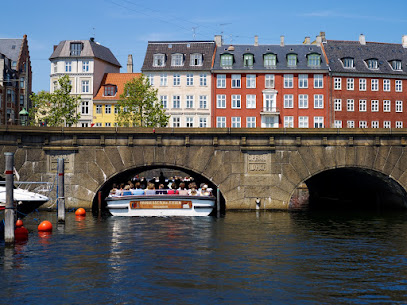
Many canal tours depart near the base of Nyhavnsbroen, sliding underneath as they head towards the wider harbour. From above, you can watch passengers duck under the arches and listen to snatches of commentary carried on the breeze. The contrast between the compact canal and the open harbour ahead gives a clear sense of how Nyhavn once served as Copenhagen’s maritime gateway. Whether you pause on the bridge for a single photograph or linger to absorb the details, Nyhavnsbroen and the surrounding harbour encapsulate Copenhagen in miniature: water‑focused, cycling‑friendly, steeped in history yet thoroughly contemporary. It is a simple piece of infrastructure with an outsized role in the city’s visual identity and everyday rhythm.Iconic landmarks you can’t miss

Sankt Annæ Pl.
0.2 km
Historic square blending royal heritage, climate innovation, and urban livability in central Copenhagen.
Stromma Canal Tours Copenhagen
0.2 km
A lush botanical oasis at the heart of Copenhagen, featuring historic glasshouses, rare Nordic plants, tranquil lakes, and immersive gardens for every season.
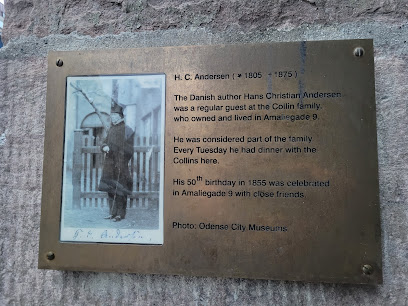
Hans Christian Andersen plaque
0.3 km
A modest plaque on elegant Amaliegade quietly marks Hans Christian Andersen’s presence amid the formal mansions and palace axis of Copenhagen’s Frederiksstaden.
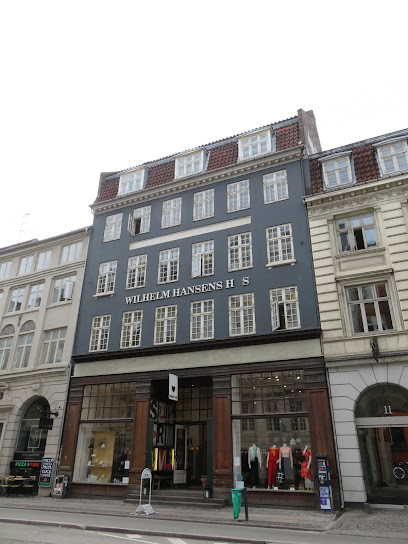
Wilhelm Hansens Hus
0.5 km
Former home of Denmark’s leading music publisher, quietly anchoring Gothersgade’s elegant streets between royal gardens and lively Kongens Nytorv.
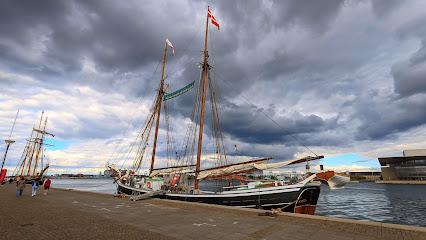
Larsens Pl.
0.6 km
Historic waterfront where Scandinavian dreams embarked for America, now a refined promenade of heritage and harbour views.
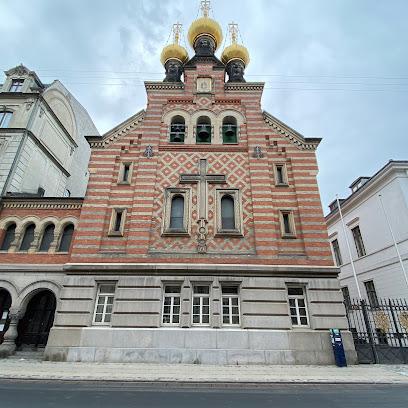
St. Alexander Nevsky Church
0.6 km
Copenhagen's ornate Russian Orthodox gem with gilded domes and royal heritage near Amalienborg Palace.
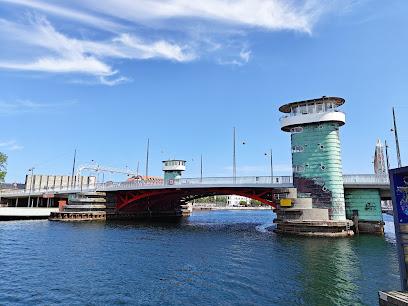
Knippelsbro
0.6 km
Copper-topped towers, lifting roadway and harbor breezes make Knippelsbro a compact, characterful bridge linking historic Slotsholmen with canalside Christianshavn.
C.F. Tietgens Hus
0.6 km
A Neoclassical monument to Danish banking heritage and industrial vision, built for one of history's most influential entrepreneurs.
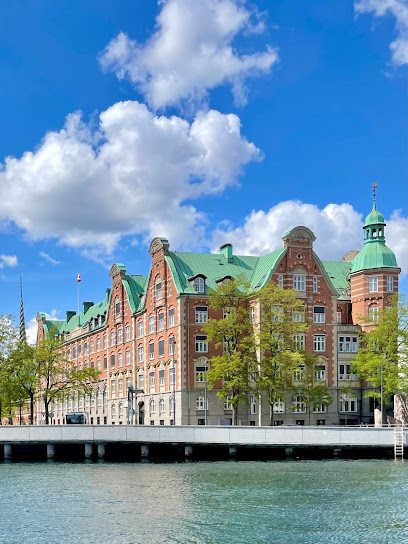
Børsen
0.7 km
Copenhagen's legendary Dragon Spire and Dutch Renaissance masterpiece—a 400-year-old trading hub bearing witness to centuries of Danish commerce.
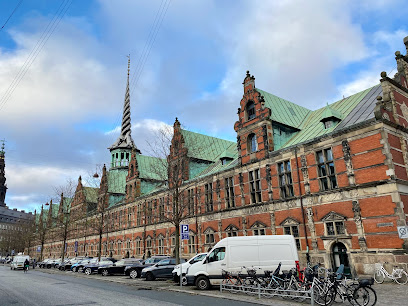
Holmens Bro
0.7 km
A modest granite arch in central Copenhagen that quietly connects Slotsholmen’s palaces with the city’s streets, offering classic harbour views and everyday urban life.

Christianshavn
0.7 km
Maritime charm meets modern cool in Copenhagen's most picturesque neighbourhood of coloured houses and idyllic canals.
Højbro Pl.
0.7 km
Maskinrummet is Skagen’s maritime museum and café, featuring historic marine engines, hands-on exhibits, and harbor-side atmosphere in Denmark’s northernmost town.
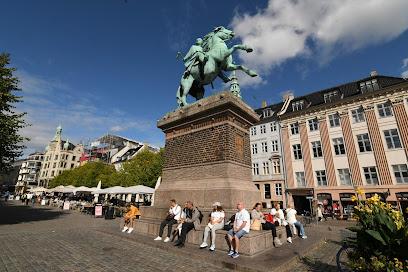
Frederik VII
0.7 km
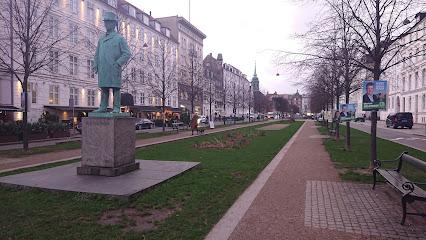
Bronze monument in central Copenhagen commemorating King Frederik VII and Denmark’s 19th-century transition to constitutional monarchy, steps from political landmarks.
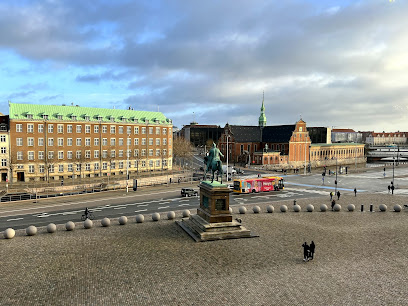
Sankt Annæ Gade
0.7 km
Explore Skagen’s Maskinrummet, where maritime history, restored engines, and nautical culture meet within a unique, authentic portside museum and café.
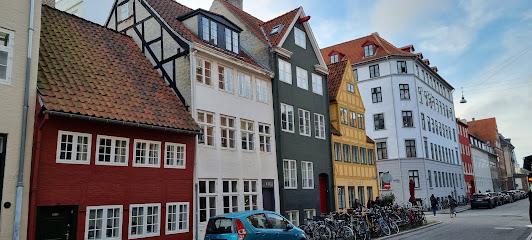
Agnete and the Merman Statue
0.7 km
Discover the Agnete and the Merman statue in Copenhagen, a stunning representation of love and Danish folklore by Højbro Bridge.
Unmissable attractions to see

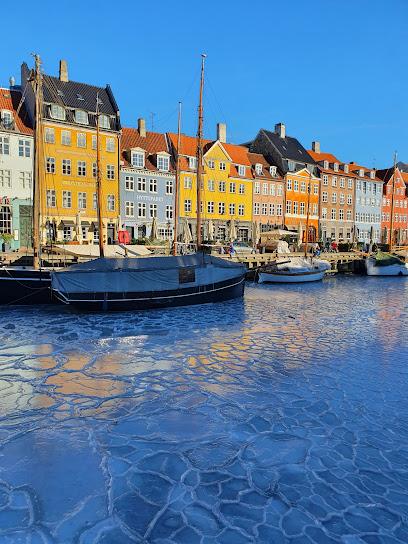
Nyhavn
0.0 km
Copenhagen’s storybook harbour, where colourful 17th‑century houses, wooden ships and waterside cafés bring the city’s maritime history to life in one vivid canal.
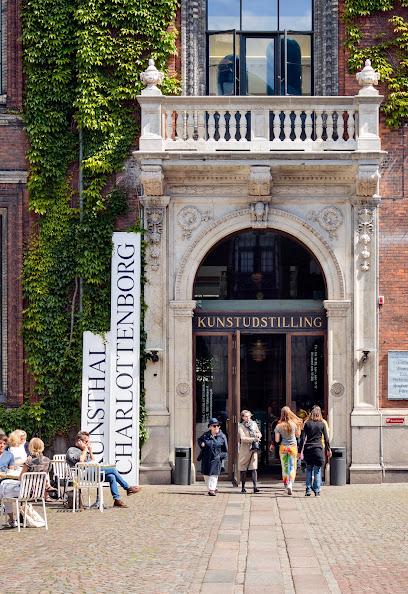
Kunsthal Charlottenborg
0.2 km
Historic Charlottenborg Palace transformed into one of Northern Europe’s leading contemporary art halls, blending bold exhibitions with Nyhavn and Kongens Nytorv views.
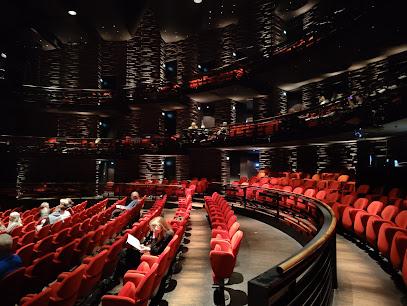
The Playhouse
0.2 km
A beautiful English gothic church in the heart of Copenhagen, St Alban’s blends British heritage and Danish history beside the city’s iconic fortifications.
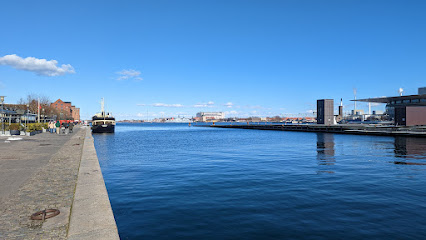
The Kissing Stairs
0.2 km
Stroll along Langelinie, Copenhagen’s bustling waterfront, where iconic statues, historic parkland, and sweeping harbor views create a quintessential maritime escape.
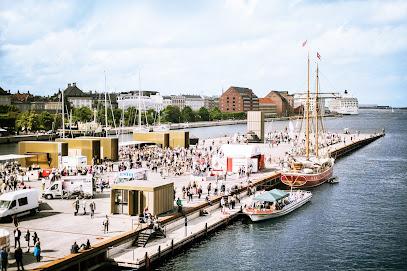
Ofelia Plads
0.2 km
A UNESCO-listed Renaissance fortress where royal history, sea vistas, and Hamlet legends converge at the gateway between Denmark and Sweden.
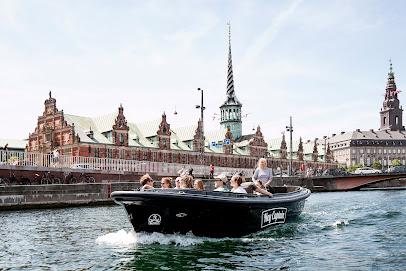
Hey Captain
0.2 km
Experience the heart of Hillerød at Fisketorvet, where shopping, dining, and culture converge in a historic market square.
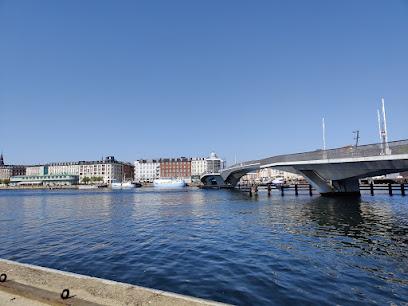
Inderhavnsbroen
0.3 km
Explore the evolution of Danish design at Copenhagen's historic Designmuseum Danmark.
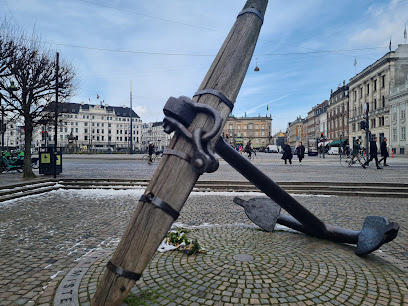
Memorial Anchor
0.3 km
Explore one of Europe’s oldest zoos, home to over 3,000 animals, award-winning architecture, immersive habitats, conservation programs, and engaging family activities.
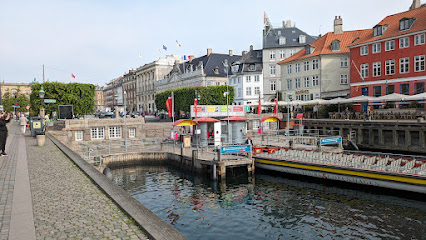
Copenhagen Amber Museum
0.3 km
A tiny 17th‑century townhouse on Kongens Nytorv where Baltic amber, ancient insects and Scandinavian craft turn deep time into a warm, golden museum experience.
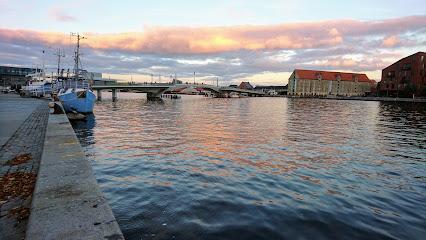
Havnepromenade
0.3 km
Discover Copenhagen’s Garden of the Royal Library: an elegant and tranquil retreat bridging royal heritage and modern design in the heart of the Danish capital.
Bredgade 18
0.3 km
A quietly elegant address on Copenhagen’s grand Bredgade, surrounded by Frederiksstaden’s mansions, churches and design showrooms in the heart of the city.
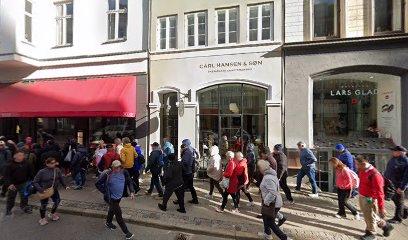
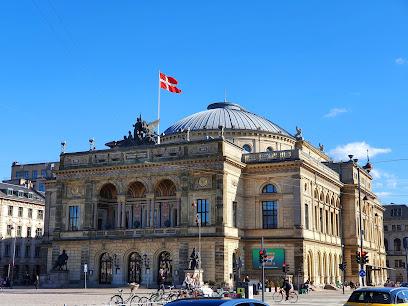
The Royal Playhouse and The Old Stage
0.3 km
Copenhagen’s national theatre in two acts: a gilded 19th‑century Old Stage on Kongens Nytorv and a bold modern playhouse rising directly above the harbour waters.
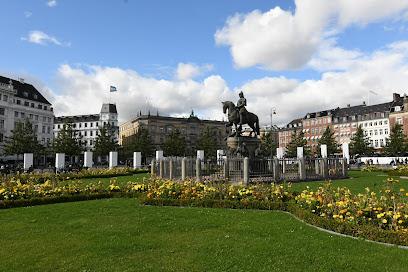
Kongens Nytorv
0.3 km
Copenhagen’s grand royal square, where theatres, palaces, luxury hotels and metro lines meet above a lively, ever-changing city stage.
Havnegade Promenaden
0.3 km
Slottsträdgården is Malmö’s central organic garden retreat, blending vibrant themed gardens, historic castle views, and lively year-round events in a lush urban oasis.
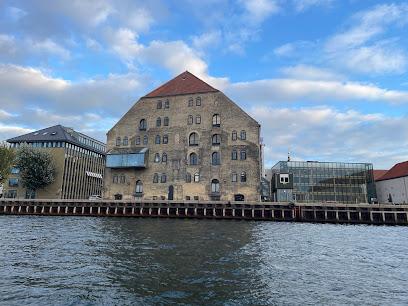
North Atlantic House
0.4 km
A 1767 waterfront warehouse transformed into Copenhagen’s vibrant gateway to the art, stories and flavors of Greenland, Iceland and the Faroe Islands.
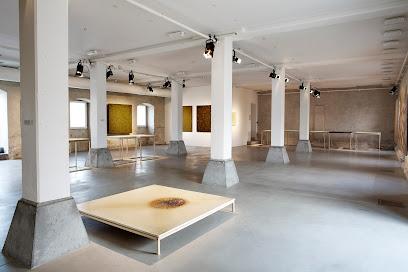
Essential places to dine

Khun Juk
0.1 km
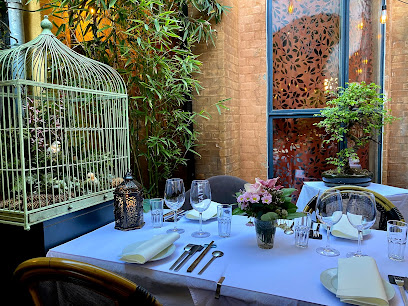
Refined Thai dining tucked into Copenhagen’s iconic Nyhavn, where candlelit tables, fresh flowers and layered flavors turn dinner into an intimate evening event.
Skipperkroen
0.1 km
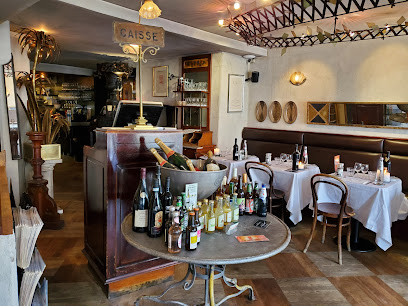
Harbourfront smørrebrød and seafood in an 18th‑century Nyhavn house, pairing classic Danish flavours with canal views from cosy rooms and a lively terrace.
Cap Horn
0.1 km
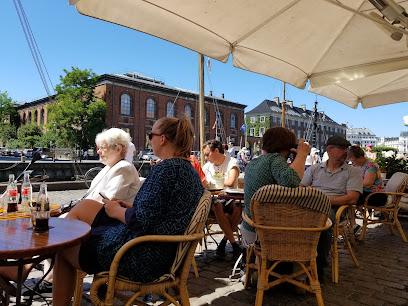
Candlelit Nordic bistro in a historic Nyhavn townhouse, blending classic Danish seafood, canal views and cosy hygge from late morning to late evening.
Nyhavns Færgekro
0.2 km
Classic Danish cooking and a famed herring buffet in a cozy canal-side tavern, set within one of Nyhavn’s colorful townhouses overlooking Copenhagen’s historic harbor.
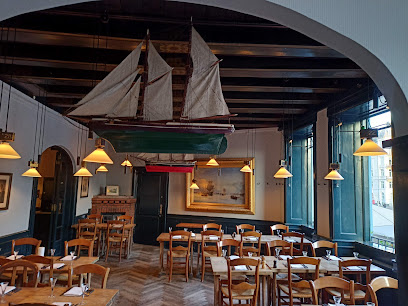
à terre
0.3 km
à terre brings French fine dining infused with Nordic creativity to central Copenhagen, offering an intimate, innovative tasting menu experience near Copenhagen’s key attractions.
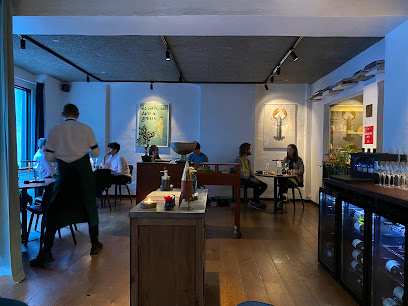
Restaurant Barr
0.4 km
Modern North Sea cuisine, serious beer and warm Nordic design meet in a historic harbor-front warehouse in the heart of Copenhagen’s Christianshavn.
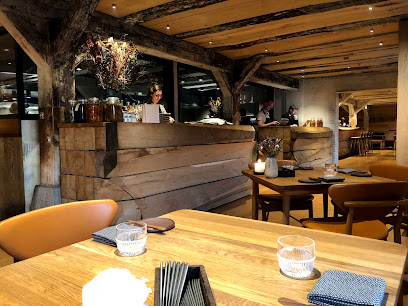
Goldfinch
0.4 km
Stylish Cantonese-inspired dining and cocktails on historic Kongens Nytorv, pairing shareable plates with a moody interior in the heart of Copenhagen.
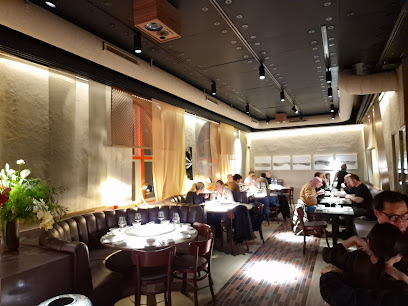
Aoc
0.4 km
Two Michelin stars of bold Nordic flavors in a historic 17th-century cellar.
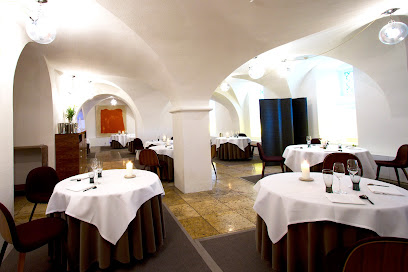
Marchal
0.4 km
Michelin-starred Nordic–French fine dining in the historic elegance of Hotel d’Angleterre on Copenhagen’s grand Kongens Nytorv.
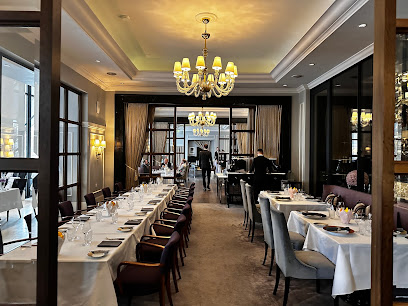
Bistro Royal
0.4 km
Elegant all‑day French‑Danish bistro on Kongens Nytorv, pairing brasserie classics with prime people‑watching and a lively, chandelier‑lit atmosphere.
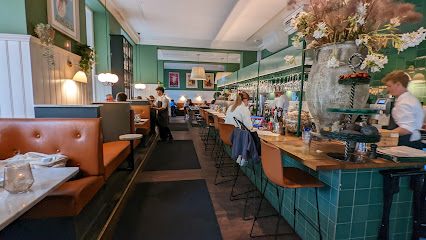
Den Lille Fede
0.4 km
Cosy, candlelit tasting-menu restaurant near Kongens Nytorv, where playful Nordic-inspired courses and thoughtful wine pairings turn dinner into an unhurried evening event.
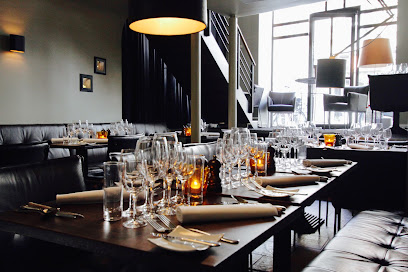
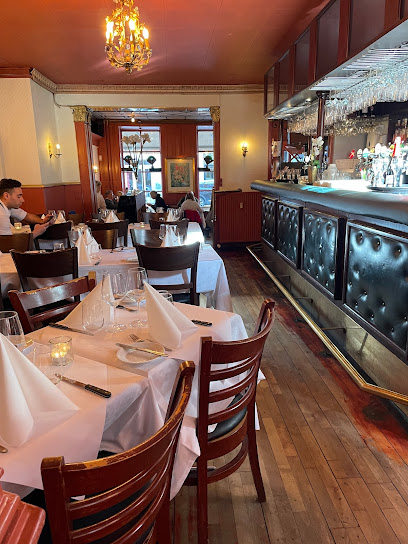
Restaurant Vita
0.5 km
Historic Danish dining in a former royal pharmacy, serving traditional smørrebrød and national classics.
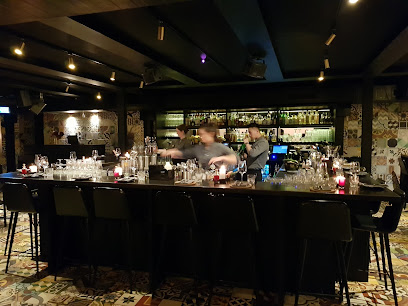
Llama
0.5 km
Latin American flavors, bold cocktails and patterned-tile design bring Peruvian and Mexican energy to a lively, late-night restaurant just off Kongens Nytorv.
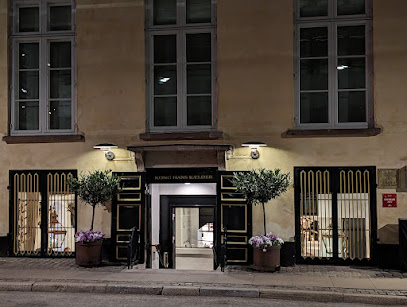
King Hans Cellar
0.5 km
Historic vaulted cellars, cutting-edge Nordic cuisine, and centuries-old royal ambiance converge at Copenhagen’s legendary King Hans Cellar fine dining restaurant.
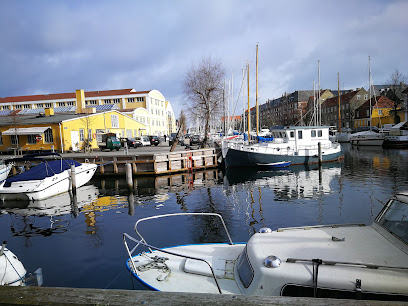
Restaurant Kanalen
0.5 km
Seasonal Danish cooking and relaxed Nordic elegance in a historic canalside house on Christianshavn, where boats glide past your table and the water sets the mood.
Markets, malls and hidden boutiques

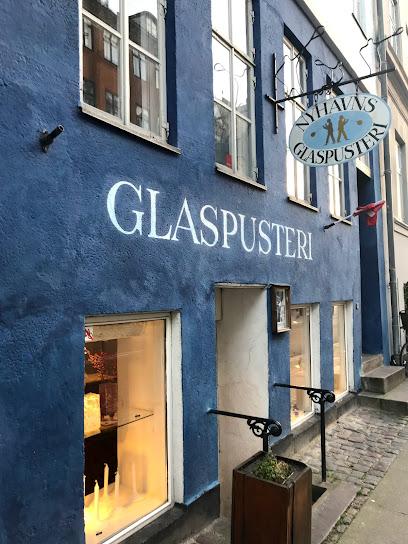
Copenhagenglass
0.0 km
Intimate glassblowing studio and shop near Nyhavn, where Danish maritime-inspired designs and hands-on sessions turn molten glass into memorable Copenhagen souvenirs.
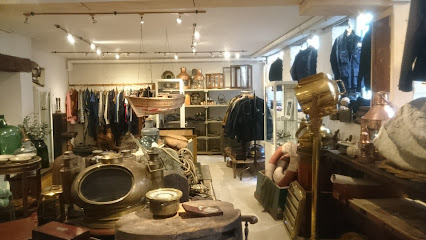
Maritime Antiques &
0.1 km
Atmospheric basement shop near Nyhavn where genuine maritime antiques share space with heritage-inspired clothing and rugged knitwear in a cosy, ship-like setting.
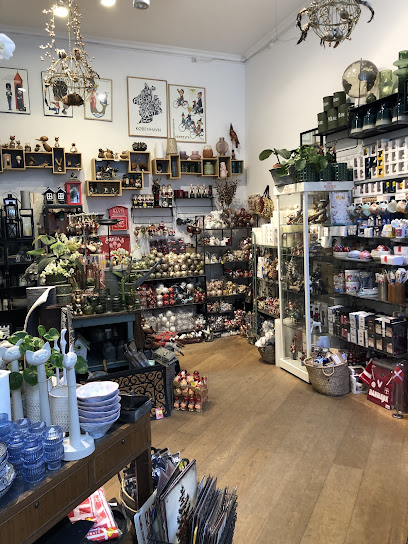
Zane
0.3 km
Intimate Copenhagen florist and design boutique on stylish Bredgade, blending seasonal blooms, Nordic homeware and thoughtful gifts in a cosy, lived-in space.
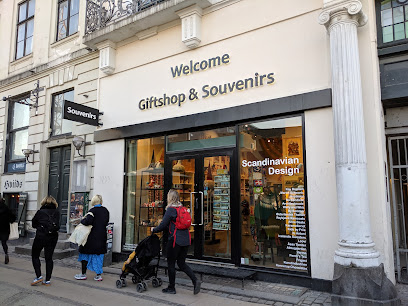
Welcome Giftshop & Souvenirs
0.4 km
Central Copenhagen’s cosy hygge boutique for Danish design, classic souvenirs, and easy last-minute gifts just off bustling Kongens Nytorv square.
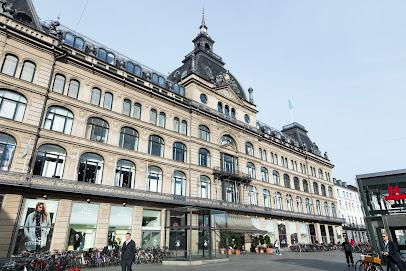
Magasin du Nord
0.4 km
Copenhagen’s classic department store: historic architecture, Nordic style, gourmet treats and relaxed cafés gathered under one elegant roof on Kongens Nytorv.
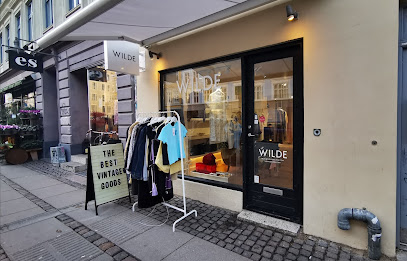
The Wilde Shop
0.4 km
A boutique vintage shop in Indre By, Copenhagen bringing together handpicked retro clothing, sustainable fashion, and curated Scandinavian style in a welcoming setting.
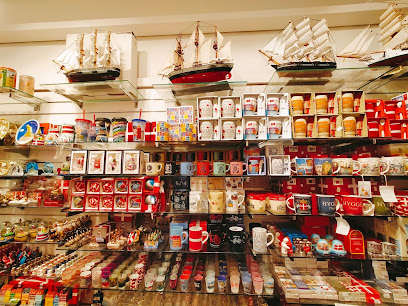
Viking Souvenirs
0.4 km
Authentic Danish and Viking-themed souvenirs in Copenhagen's historic city center.
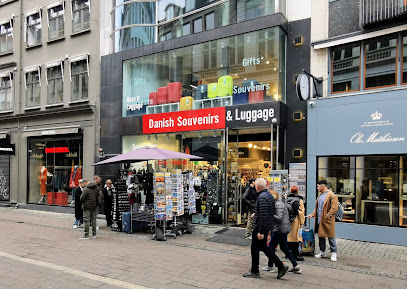
Danish Souvenirs & luggages
0.5 km
Central Strøget souvenir and luggage shop combining classic Danish mementos with practical travel gear, open long hours for convenient, last‑minute Copenhagen gifts.
Copenhagen Souvenir & Design
0.5 km
Denmark's premier souvenir destination offering authentic Danish heritage, contemporary design, and quality gifts across seven city-center locations.
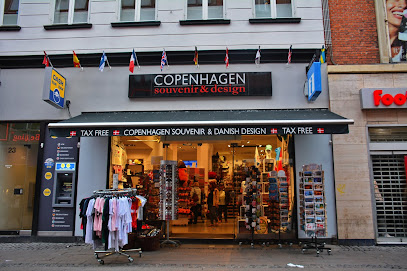
Royal Souvenir Shop
0.5 km
Compact and colourful, Royal Souvenir Shop on Bredgade distils Copenhagen into easy‑to‑pack gifts, from royal guards and Vikings to flags, mugs and playful keepsakes.
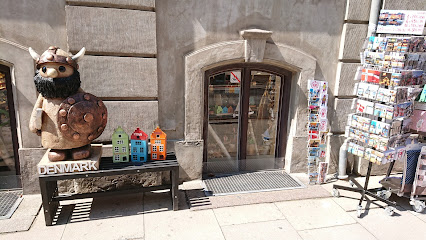
Urban Outfitters
0.6 km
Trendy multi-level fashion and lifestyle store bringing Urban Outfitters’ eclectic clothing, homeware and vinyl mix to the heart of Copenhagen’s Østergade.
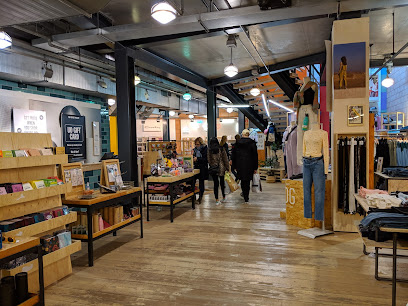
Storm - design art fashion
0.7 km
A pioneering Copenhagen concept store where avant-garde fashion, art, design objects and niche fragrances meet in a minimalist, gallery-like space on Store Regnegade.
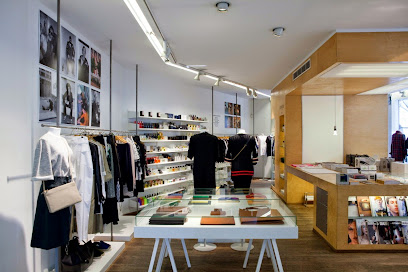
ILLUM
0.7 km
ILLUM is Copenhagen’s iconic department store, combining world-class fashion, Danish design, gourmet food, and rooftop views in historic Indre By.
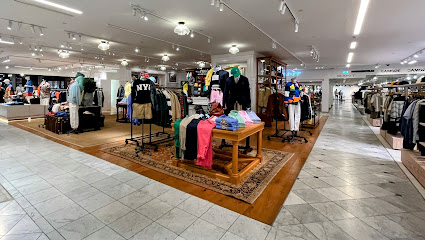
Danish Souvenirs
0.7 km
Central Copenhagen souvenir hub on Højbro Plads, packed with Danish icons, practical travel extras and long opening hours just steps from Strøget.
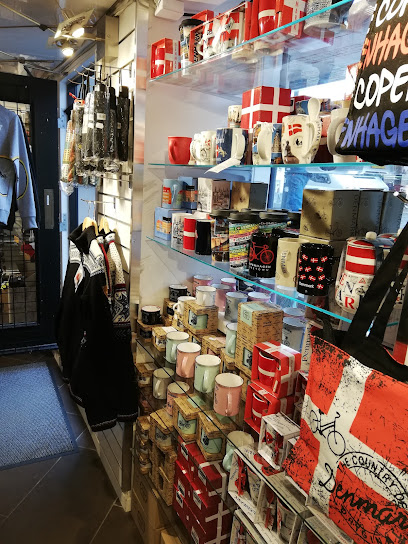
Copenhagen Souvenir & Design World of Memories
0.7 km
Denmark's largest souvenir chain with 14 locations offering over 2,000 authentic Danish keepsakes and contemporary design pieces.
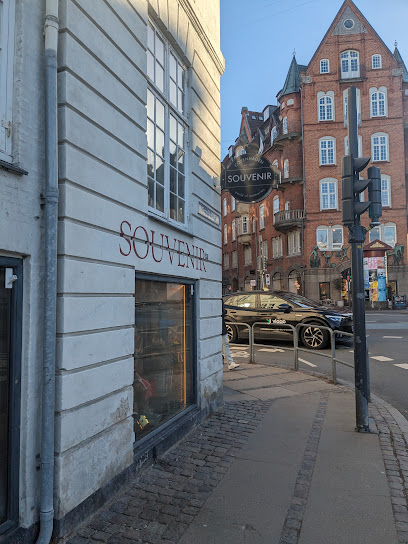
Essential bars & hidden hideouts

TATA Cocktail Bar
0.3 km
A velvet-draped, fireplace-warmed cocktail hideaway inside Hotel Sanders, where classic mixology, Danish design and theatre-inspired charm blend seamlessly.
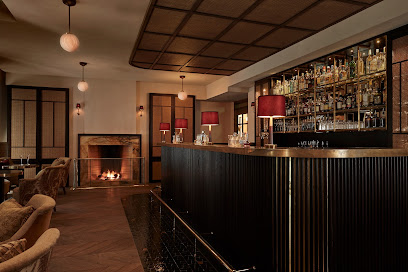
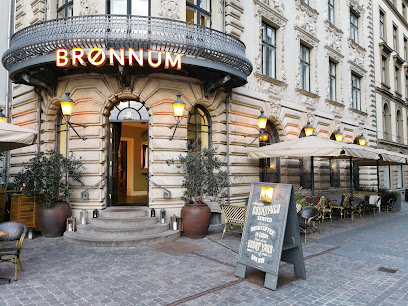
Brønnum
0.3 km
An opulent, multi‑room cocktail bar steps from Kongens Nytorv, where historic townhouse elegance meets contemporary mixology and candlelit late‑night conversation.
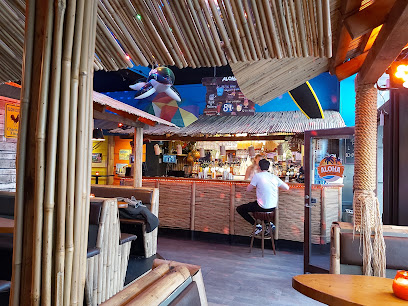
Aloha Beach Bar
0.5 km
Island-inspired cocktails, neon glow and late-night party vibes packed into a compact tropical bar just off Gothersgade in central Copenhagen.
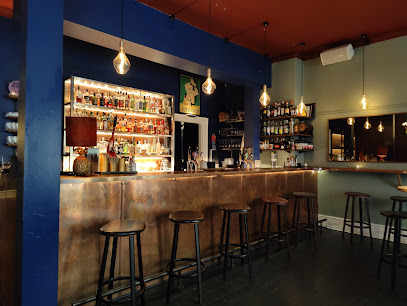
Bar Deco
0.5 km
Intimate Art Deco–inspired cocktail bar near Kongens Nytorv, pairing crafted drinks with moody lighting and a relaxed, grown‑up Copenhagen atmosphere.
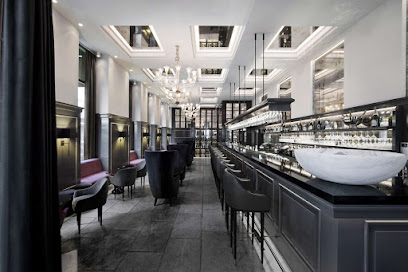
Balthazar
0.5 km
A luxurious Champagne bar at Hotel d’Angleterre, pairing an extensive bubbles list and crafted cocktails with velvet-luxe interiors and a lively DJ-backed ambience.
1105
0.6 km
Intimate, dimly lit cocktail bar in Copenhagen’s 1105 postcode, pairing dark, elegant interiors with carefully crafted Nordic-inspired drinks and classic mixes.
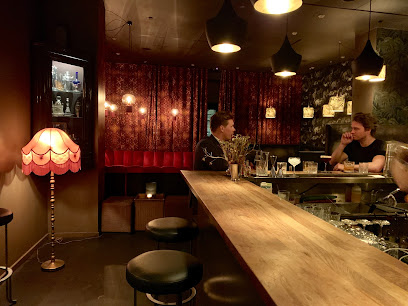
Eiffel bar
0.6 km
Experience the cozy atmosphere of Eiffel Bar in Copenhagen, where friendly service meets affordable drinks in a charming setting.
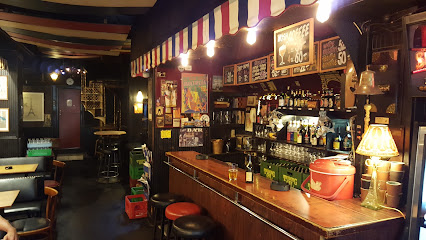
The Moose
0.7 km
Graffiti-plastered walls, infamous moose murals and cheap late-night beers make this smoky Indre By dive bar a gritty, unpolished slice of Copenhagen nightlife.
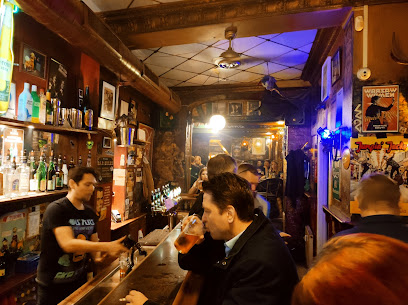
K-Bar
0.7 km
Intimate harbourfront cocktail den in central Copenhagen, known for monochrome style, inventive infusions and quietly confident classics poured with real care.
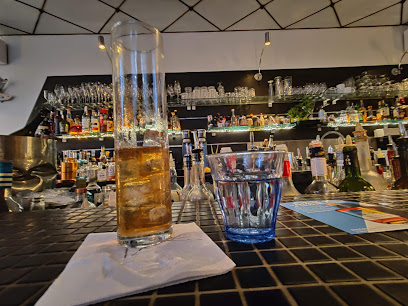
Charlie's Bar
0.7 km
Discover the enchanting atmosphere of Charlie's Bar, a cozy haven in Copenhagen offering a diverse drink selection and a vibrant local vibe.
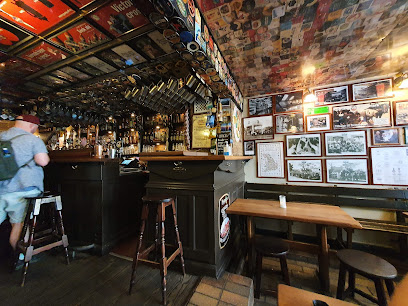
Ved Stranden
0.7 km
Canal-side natural wine bar and shop in a historic townhouse, blending Copenhagen charm, thoughtful bottles and relaxed, living-room warmth by Christiansborg Palace.
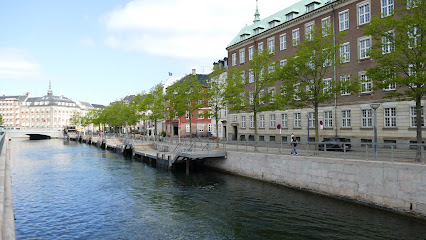
Trykbar
0.7 km
Cosy, central Copenhagen bar with a strong beer list, warm lighting and a laid-back, inclusive atmosphere that blends hygge with lively late-night energy.
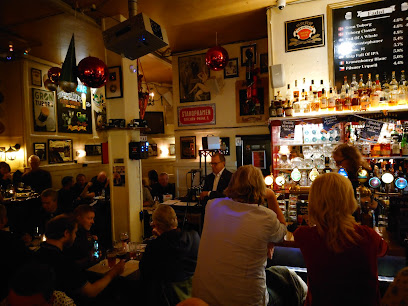
Black Swan
0.8 km
Craft-forward, cosy and unpretentious, Black Swan is Copenhagen’s inner-city local where rotating taps, serious cider and good conversation flow late into the night.
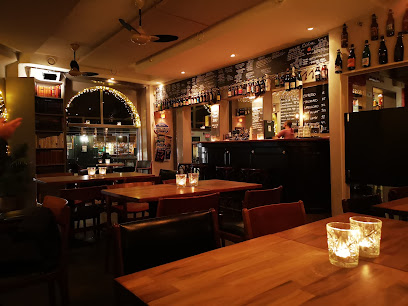
The Dubliner
0.8 km
Lively Irish pub energy on Copenhagen’s Amagertorv, serving hearty pub classics, well-poured pints, live music and big-screen sport in a cosy, wood-lined setting.
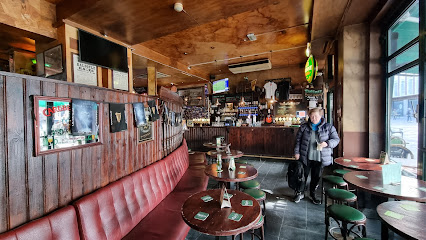
Bo-Bi Bar
0.8 km
Experience the vibrant nightlife of Copenhagen at Bo-Bi Bar, where delightful drinks and a welcoming atmosphere await.
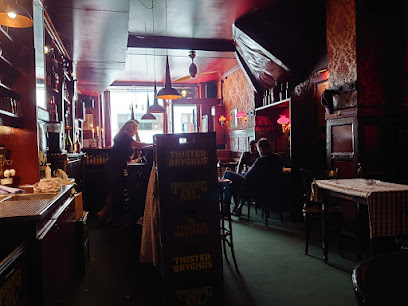
Nightclubs & after hour spots

Lusso
0.5 km
A compact, high-end Copenhagen nightclub with champagne-forward table service, dim lighting and a stylish late-night crowd just steps from Kongens Nytorv.
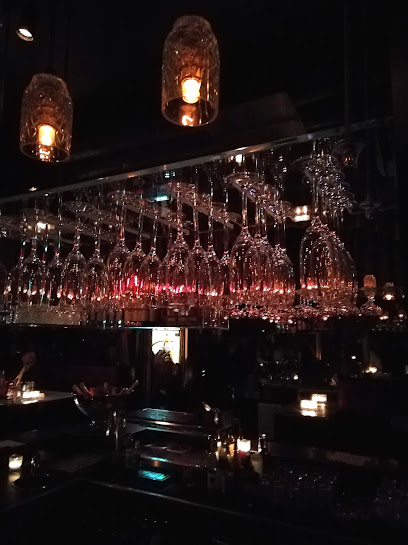
Mini Bar
0.6 km
Discover the vibrant nightlife of Copenhagen at Mini Bar, a premier night club offering eclectic tunes and a lively atmosphere for unforgettable nights.
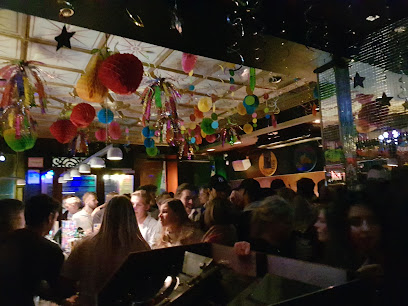
The Zoo
0.7 km
Intimate late-night nightclub on Sværtegade in Copenhagen’s historic center, blending a compact dance floor, DJ-driven beats and a casual, social bar atmosphere.
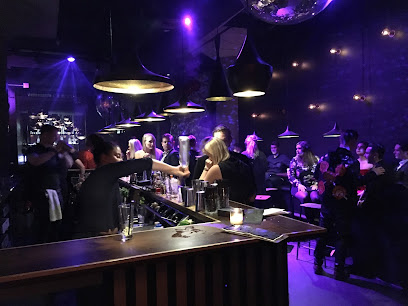
Operaen
0.8 km
Compact harbourfront nightclub near Copenhagen’s modern opera house, mixing DJ-driven beats, local crowds and late-night energy by the inner-city waterfront.
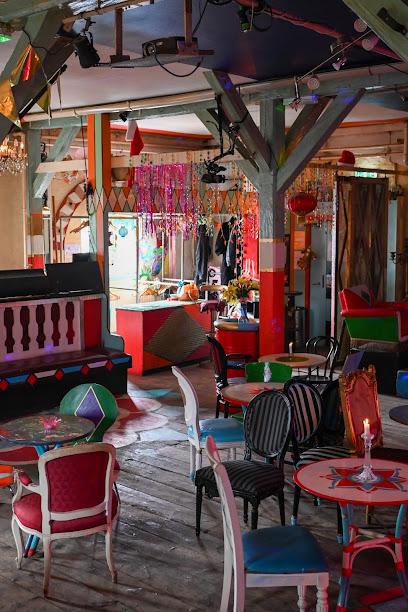
Culture Box
0.9 km
Discover the heartbeat of Copenhagen's nightlife at Culture Box, where music, art, and dance create an unforgettable experience.
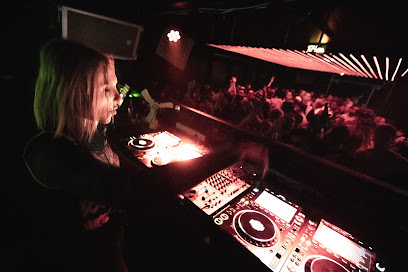
Chateau Motel
1.1 km
Discover the lively nightlife of Copenhagen at Chateau Motel, a top destination for cocktails and dancing in a vibrant atmosphere.
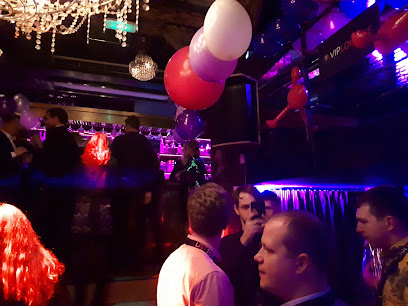
Hive
1.2 km
Copenhagen's premier high-end nightclub with cutting-edge design, VIP service, and immersive themed experiences.
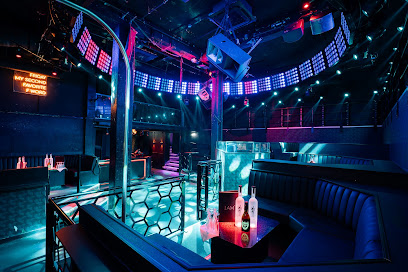
Rumors
1.2 km
Discover the heart of Copenhagen's nightlife at Rumors, where energetic vibes and unforgettable nights await you.
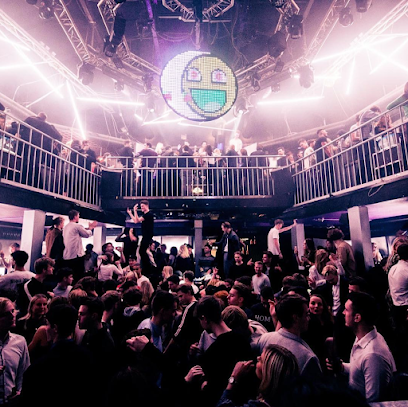
Mirror
1.2 km
Dive into the heart of Copenhagen's nightlife at Mirror, where the rhythm never stops and unforgettable memories are made.
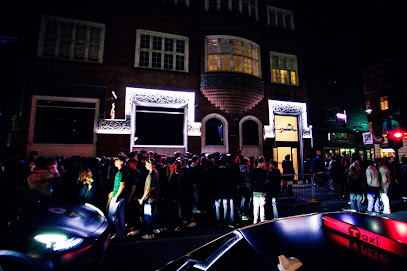
Miami Bar
1.3 km
Discover Copenhagen's nightlife at Miami Bar, where cocktails and dancing create unforgettable nights in a vibrant atmosphere.
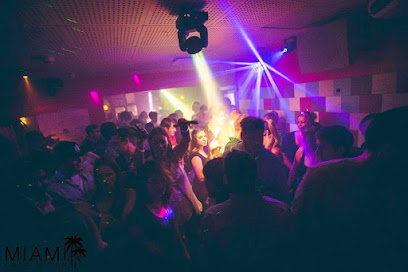
La Terraza
1.3 km
Compact nightclub on Studiestræde in Copenhagen’s old town, offering loud beats, straightforward drinks and an unpretentious late-night dance floor.
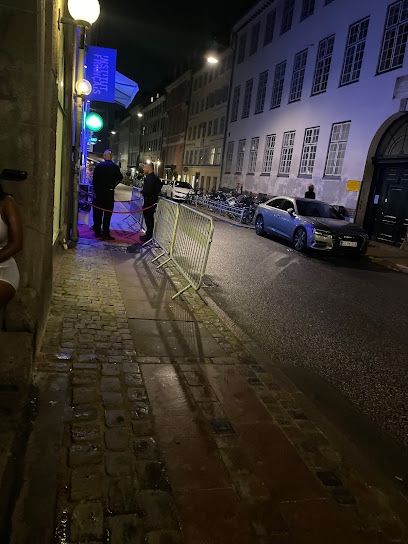
Arch
1.3 km
Discover the vibrant nightlife of Copenhagen at Arch, a premier night club offering electrifying music and an unforgettable atmosphere.
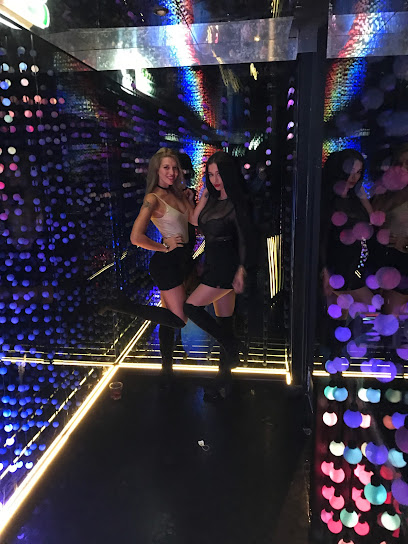
Mirage
1.3 km
Dive into the electrifying nightlife at Mirage, Copenhagen's premier night club for an unforgettable evening of music, dancing, and entertainment.

Club Mambo
1.3 km
Experience the energetic nightlife of Copenhagen at Club Mambo, a vibrant night club offering salsa dancing, cocktails, and delicious dining.
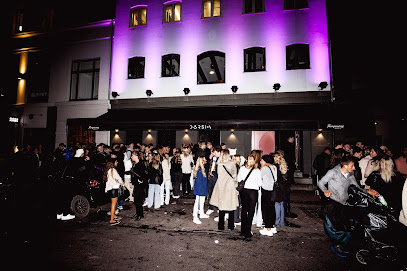
Dorsia
1.3 km
Central Copenhagen nightclub with late‑night DJs, cocktails and an image‑conscious crowd packed into a dark, modern interior off busy Kattesundet.
For the vibe & atmosphere seeker
- Scenic
- Lively
- Romantic
- Fun-filled
- Unique
For the design and aesthetic lover
- Colorful Aesthetics
- Vintage Styles
- Modern Designs
For the architecture buff
- Historic
- Landmarks
- Viewpoints
- Heritage Neighborhoods
For the view chaser and sunset hunter
- Iconic Views
- Waterfront
- Sunset Spots
- Panoramas
For the social media creator & influencer
- Instagrammable
- Photo Spots
- Selfie Spots
- Reel-Friendly
- Architectural Shots
- Colorful Backdrops
For the eco-conscious traveler
- Low Impact
- Public-Transport Accessible
For the kind of experience you’re after
- Photowalk
- Adventure Photo Shoot
- Day Trip
- Roadtrip Stop
- Cultural Heritage
For how adventurous you want the journey to be
- Easy Access
Location Audience
- Family Friendly
- Senior Friendly
- Child Friendly
- Teen Friendly
- Solo Friendly
- Couple Friendly
- Solo Female Friendly
- LGBT Friendly
- Business Friendly


