
Ebbas hus
Malmö's tiniest museum preserves a 1910s working-class home frozen in time, offering intimate glimpses into ordinary urban life.
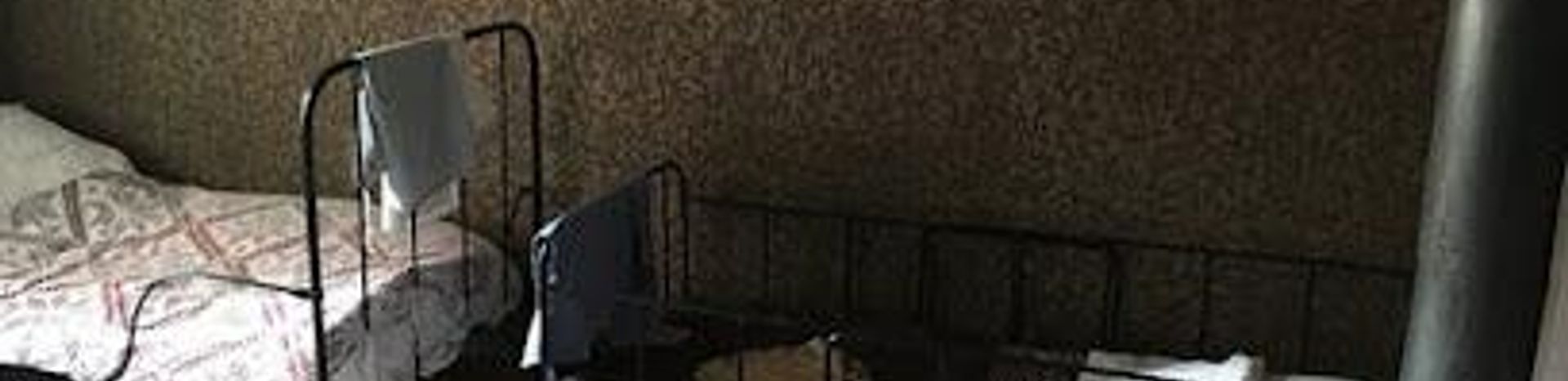
Malmö's smallest museum, a preserved yellow townhouse at Snapperupsgatan 10 that captures life in early 20th-century working-class Malmö. The intimate 44-square-meter home retains its original 1910s interior, including a wood-burning stove, zinc sink, and period furnishings. Donated to the city in 1984 by its last resident, Ebba Olsson, the house opened as a museum in 1991 and offers visitors a tangible connection to how ordinary families lived during the industrial era.
A brief summary to Ebbas hus / Malmö museum
- Snapperupsgatan 10, Malmö, 211 35, SE
- Click to display
- Click to display
- Duration: 0.5 to 1.5 hours
- Free
-
 Indoor
- Mobile reception: 4 out of 5

Know before you go
Hi, I'm Eve. Here are a few practical things to know before exploring Ebbas hus / Malmö museum.
- Visit on Wednesday afternoons when the museum is open. The intimate space accommodates only small groups, so arriving early helps avoid crowding and allows for unhurried exploration.
- Take time to examine the kitchen implements and furnishings closely—each object tells a story about domestic work and family life in early 20th-century Malmö.
- The museum is particularly valuable for families with children interested in social history; the hands-on educational approach makes the past tangible and relatable.
- Note the contrast between the preserved interior and the modern buildings surrounding the house—this juxtaposition powerfully illustrates Malmö's urban transformation.
- Combine your visit with exploration of the Carolikvarteren neighborhood to understand the broader context of working-class housing in historic Malmö.
Do you manage this location?
Take control to get all the benefits, like improved information, better appearance, and stronger visibility across AI-powered discovery. Learn more
Activate your presenceOther nearby places you may find interesting
Getting There
-
Public Transport
From Malmö Central Station, take tram line 1 or 3 toward Västra Hamnen or Limhamn. Travel approximately 10–12 minutes and exit at Södervärn or Caroli station. From either stop, walk 5–8 minutes through the Carolikvarteren neighborhood to reach Snapperupsgatan 10. Tram tickets cost approximately 30 SEK for a single journey within the city zone.
-
Walking
From Malmö Central Station, walk south through the city center toward the harbor district. The route takes approximately 25–30 minutes on level, well-lit streets. Head toward the Carolikvarteren neighborhood, following signs or a map app to Snapperupsgatan. The final approach involves navigating residential streets with clear sidewalks.
-
Bicycle
Malmö is highly bike-friendly with extensive cycle paths. From the city center, cycle south toward the harbor and Carolikvarteren, a journey of approximately 15–20 minutes. Bike rental services are available throughout the city, typically costing 100–150 SEK per day. Secure parking is available near the museum.
-
Car
Drive to the Carolikvarteren district and park in nearby public parking areas or street parking on surrounding streets. Snapperupsgatan 10 is located in a residential zone with limited but available parking. Parking fees vary by location and duration, typically 20–40 SEK per hour. Note that the museum itself has no dedicated parking lot.
For the on-the-go comforts that matter to you
-
 Information Boards
Discover more about Ebbas hus / Malmö museum
A House That Refused to Disappear
On Snapperupsgatan 10 in the Carolikvarteren district stands a small yellow townhouse, barely 44 square meters, squeezed between towering modern buildings. This is Ebbas hus, Malmö's smallest museum—a rare survivor of the city's working-class housing stock from the 1700s. While demolition waves swept through Malmö during the 1960s, transforming the urban landscape into modernist blocks, this humble dwelling remained. Its survival is owed to one woman's quiet determination: Ebba Olsson, who refused to sell when developers came calling, choosing instead to live out her days in the home her family had occupied for generations.The Olsson Family and Their Modest World
The house's story begins with Jöns Olsson, a city surveyor, who purchased the property in 1873 when it was already nearly a century old. His son Olof, also a surveyor, took over in 1911 and brought his wife Anna and their two children, Ebba and Thure, into the modest two-room home with kitchen, attic chamber, outdoor toilet, and wood shed. The family was relatively prosperous by the standards of the era—Olof installed electricity and running water, luxuries that marked them as modern and forward-thinking. Yet despite these improvements, the house remained fundamentally unchanged from its origins. Ebba and her mother worked as lace makers from home, their skilled hands producing delicate trimmings while the household rhythms revolved around the wood-burning stove and the rhythms of early industrial Malmö.Preservation Through Personal Legacy
Ebba never married and spent nearly her entire life in the house, witnessing the transformation of Malmö around her while her own home remained frozen in time. When she finally moved to a modern apartment in 1984, she made a remarkable decision: she and her sister-in-law donated the house to Malmö municipality with a specific purpose—that it should serve as an educational space for children to understand how ordinary people lived in earlier times. Her vision was pedagogical and deeply personal: she wanted young visitors to cook porridge on the wood stove, chop firewood, and scrub floors to grasp the physical reality of early 20th-century domestic life. When Ebba died in 1989, the museum acquired her original furniture and carefully restored the interior to its 1910s state, placing each piece exactly where it had stood for decades.Architecture of Simplicity and Survival
The house exemplifies the simple building techniques brought to Malmö by rural migrants from Scania during the early industrial period. Its yellow lime-washed exterior, traditionally colored with ochre and iron vitriol, features characteristic green woodwork and an understated tiled roof. The structure's modest proportions and straightforward construction dominated Malmö's working-class neighborhoods from the 1700s until World War I. What makes Ebbas hus architecturally significant is not grandeur but authenticity—it represents the vernacular building tradition of ordinary people, a living example of how the majority of Malmö's population actually lived rather than how the city's elite imagined they should live.An Intimate Museum Experience
Stepping inside Ebbas hus feels less like entering a museum and more like visiting a neighbor's home. The two rooms, kitchen, and attic chamber contain the original furnishings, cooking implements, and domestic objects that Ebba and her family used daily. The wood-burning stove still dominates the kitchen; the zinc sink stands ready; the earthen cellar beneath the house once kept food cool. Every object—from the kitchen utensils to the furniture arrangement—serves as a key to understanding how families navigated daily life without modern conveniences. The museum's philosophy centers on intimacy and recognition: visitors are meant to see themselves and their own family histories reflected in the Olsson household, to understand that the past was not distant or exotic but immediate and human.Cultural Significance and Living History
Since opening to the public in 1991, Ebbas hus has become one of Malmö's most distinctive cultural institutions precisely because it refuses the grand gestures of conventional museums. It holds no exhibitions in the traditional sense, no rotating displays or interpretive panels. Instead, it offers presence—the presence of a real home, a real family, a real way of living that shaped thousands of Malmö residents. The house stands as a testament to Ebba Olsson's foresight and generosity, a gift to future generations seeking to understand their city's social history not through abstractions but through the tangible evidence of daily life.Explore the best of what Ebbas hus / Malmö museum has to offer













More about Copenhagen Region
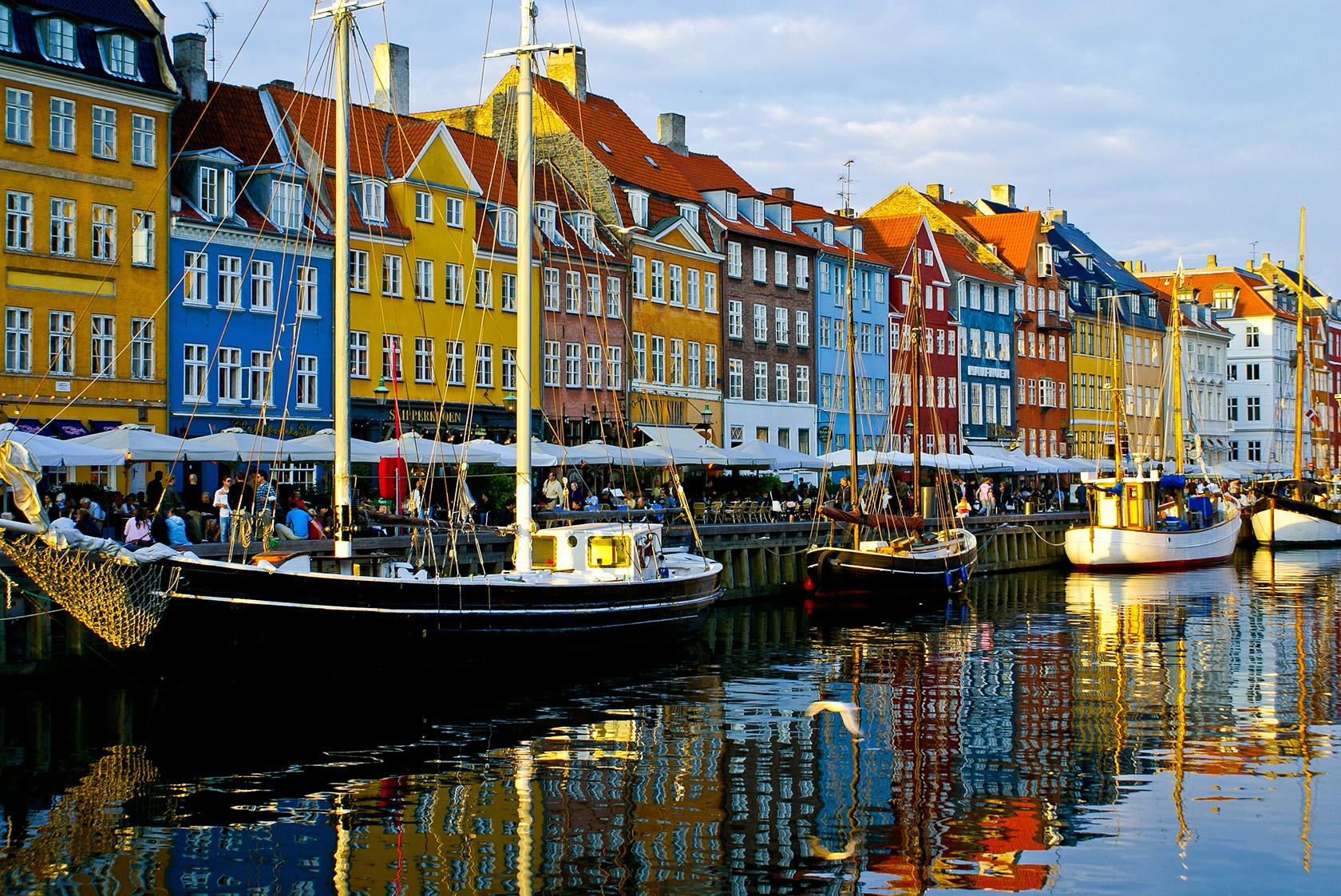
Discover the Copenhagen Region: A perfect mix of historic charm and modern vibrancy, offering scenic beauty, cultural landmarks, and a high quality of life.
Tell me more about Copenhagen Region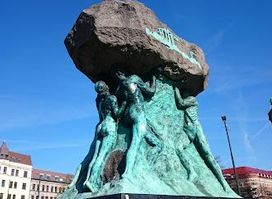
Malmö’s most multicultural square, where labour history, open‑air markets, street art and a lively food and bar scene meet in the heart of Möllan.
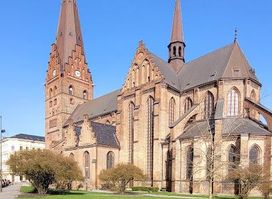
Malmö’s oldest building and a Brick Gothic masterpiece, St. Peter’s Church blends medieval architecture, Reformation history and serene light-filled interiors in the city center.
