Möllevångstorget, Copenhagen Region Travel Guide
Malmö’s most multicultural square, where labour history, open‑air markets, street art and a lively food and bar scene meet in the heart of Möllan.
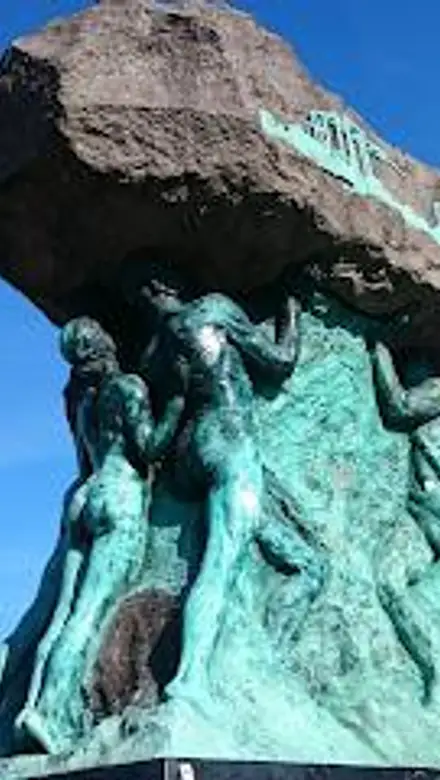
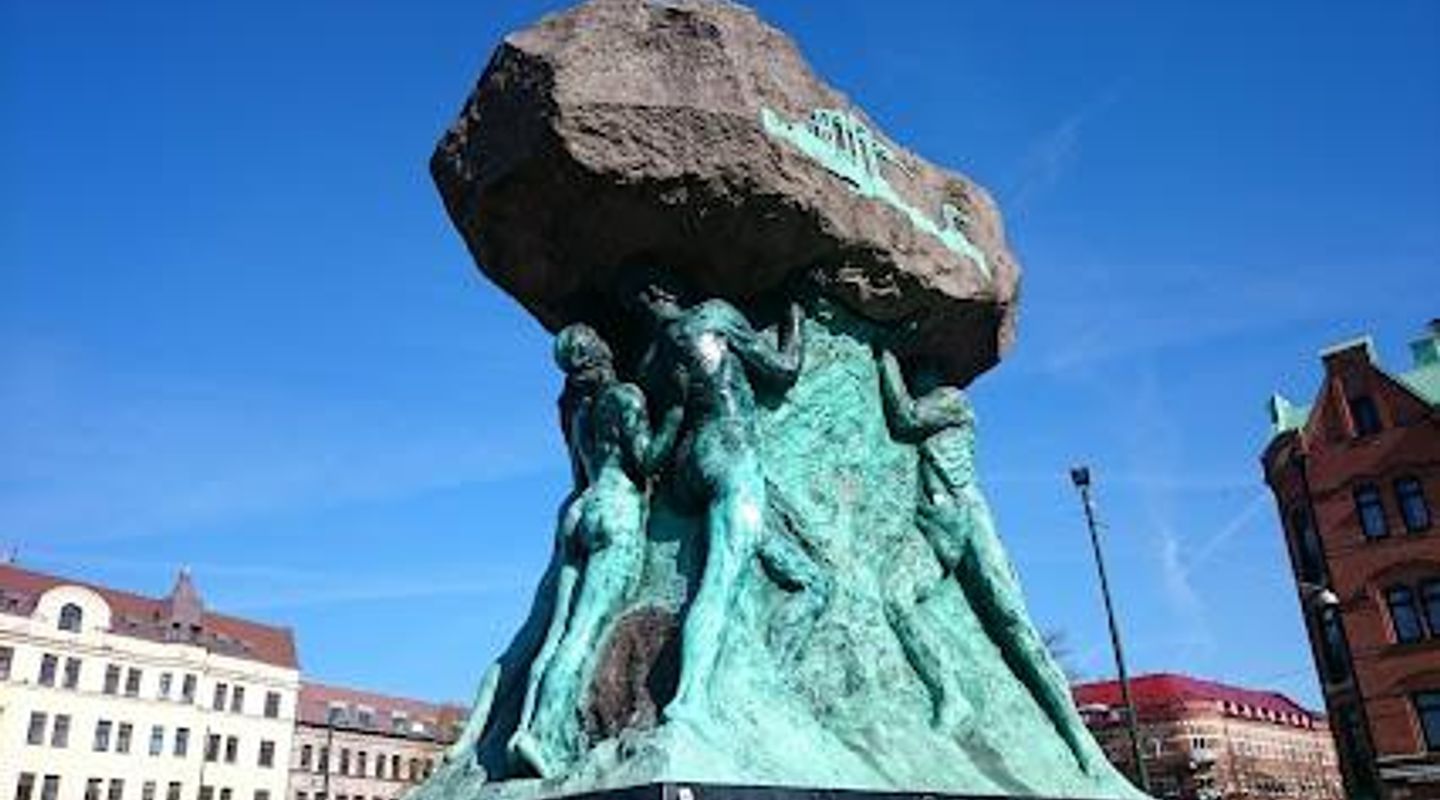
Möllevångstorget, affectionately known as “Möllan,” is Malmö’s most multicultural square and the vibrant heart of the Möllevången district. By day, striped market stalls overflow with fresh produce, flowers and global ingredients, framed by early‑1900s facades and the powerful “Arbetets Ära” labour monument. As evening falls, the square shifts gear into one of the city’s liveliest dining and bar scenes, blending working‑class history, political expression, street art and contemporary urban energy in a compact, walkable setting.
A brief summary to Möllevångstorget
- Malmö, SE
- Duration: 1 to 3 hours
- Free
-
 Outdoor
- Mobile reception: 5 out of 5

Know before you go
Hi, I'm Eve. Here are a few practical things to know before exploring Möllevångstorget.
- Come in the morning on market days to see stalls being set up, find the best selection of produce and flowers, and enjoy the square at its most local and unhurried.
- Take a moment to walk around the “Arbetets Ära” monument and look closely at the figures and details, which tell a visual story of Malmö’s industrial past.
- Plan to return after dark: the atmosphere changes completely as bars and restaurants fill up, making this one of the best places in Malmö for an informal night out.
- Explore the side streets around the square for smaller cafés, vintage shops and global grocery stores that showcase the neighbourhood’s diverse communities.
- If you encounter a demonstration or public gathering, observe respectfully from the edges; political expression is a key part of the square’s identity.
Do you manage this location?
Take control to get all the benefits, like improved information, better appearance, and stronger visibility across AI-powered discovery. Learn more about listing your business on Evendo
Activate your presenceOther nearby places you may find interesting
The closest places of the same kind, if this one is not quite what you had in mind.
Explore Möllevångstorget on the Map
A handpicked selection of must-see spots near Möllevångstorget, mapped for you.
Unlock the Best of Möllevångstorget
Buy tickets
-
No tickets available
Book tours with entry


Book tours without entry
-
No tours available
Getting There
-
City bus from Malmö Central Station
From Malmö Central Station, take a city bus toward the Möllevången area; several lines run this route and the ride typically takes 10–15 minutes. Buses usually depart every few minutes during the day and slightly less often in the evening. A single adult ticket bought via mobile app or ticket machine generally costs around 30–40 SEK and is valid across city buses within a set time period. Vehicles are low‑floor and suitable for wheelchairs and strollers, but they can become crowded at peak hours and on weekend nights.
-
Cycling from central Malmö
Malmö is one of Sweden’s most bike‑friendly cities, and cycling from the central districts to Möllevångstorget typically takes 10–20 minutes depending on your starting point. Dedicated bike lanes cover most of the route and the terrain is flat, making it accessible to most riders. Public bike‑sharing schemes and rental shops in the city centre offer daily rentals, with typical prices starting from about 80–150 SEK per day. Keep an eye on tram and bus lanes, use lights in the dark season and be cautious around the square itself, where pedestrians, bikes and delivery vehicles mix.
-
On foot from Triangeln area
If you are already in the Triangeln shopping and entertainment district, reaching Möllevångstorget on foot generally takes around 10–20 minutes at a relaxed pace. The walk is on paved city streets with standard kerbs and crossings, suitable for most visitors, though some older cobblestones around the square can be uneven. This is a good option if you want to see everyday Malmö street life up close and are comfortable walking in an urban environment in most seasons, from crisp winter days to light summer evenings.
-
Taxi or ride‑hail within Malmö
Taxis and licensed ride‑hail services operate widely within Malmö and can bring you directly to the streets around Möllevångstorget in roughly 5–15 minutes from most central neighbourhoods, depending on traffic. Prices vary by operator and time of day, but a typical short trip within the inner city often falls in the range of 120–220 SEK. This is a convenient choice late at night or if you are travelling in a group or with limited mobility. Be aware that vehicle access immediately around the square can be busy on weekend evenings, so drop‑off may occur on nearby streets.
For the on-the-go comforts that matter to you
-
 Restrooms
-
 Drink Options
-
 Drinking Water
-
 Food Options
-
 Seating Areas
-
 Sheltered Areas
-
 Trash Bins
-
 Information Boards
Discover more about Möllevångstorget
A historic square shaped by work and protest
Möllevångstorget sits at the centre of the Möllevången district, a once working‑class neighbourhood that grew rapidly in the early 20th century as factories and tenements filled this part of Malmö. The square was laid out as a marketplace and social hub for newly arrived workers, who needed not just homes, but a focal point for everyday life. That role can still be read in the sturdy perimeter blocks from the early 1900s, whose façades frame the open cobbled expanse.At the heart of the square stands the bronze and granite monument "Arbetets Ära" – The Glory or Honor of Labour – a muscular tribute to the men and women who built industrial Malmö. Figures strain together to lift a stylised city, a visual manifesto of solidarity and collective effort. The statue anchors Möllevångstorget’s identity as a place where labour history is not tucked away in a museum, but embedded in the very stones of a public space.The multicultural market at the city’s pulse
The square’s trading traditions live on in a busy outdoor market that typically fills the centre of the plaza several days a week. Under bright awnings, stalls pile up with seasonal vegetables from Skåne farms, crates of fruit, buckets of flowers and herbs tied in fragrant bundles. You hear a mix of Swedish and dozens of other languages as stallholders chat with regulars, bargain over boxes of peppers or bunches of dill, and swap gossip between sales.Around the square, ground‑floor shopfronts extend the market’s reach. Small groceries stock Middle Eastern spices beside Balkan cheeses, Asian noodles next to Scandinavian staples. The result is a kind of open‑air pantry for Malmö’s multicultural kitchen, where cooks come to track down a particular chili, a specific rice, or fresh flatbread still warm from the oven.Street life, cafés and after‑dark energy
Once the market closes, Möllevångstorget changes tempo rather than winding down. Cafés roll out chairs, bars raise awnings and the focus shifts to conversation and people‑watching. In warmer months, tables spill out onto the pavements, blurring the line between square and terrace. Even in winter, heaters and blankets keep outdoor seating in play, keeping the space feeling lived‑in year‑round.The surrounding streets form one of Malmö’s densest clusters of bars and small restaurants. Here, falafel joints stand beside pizza slices, Syrian kitchens and noodle bars. The district’s alternative streak is evident in informal interiors, chalkboard menus and venues that double as cultural spaces. As night falls, the square becomes a meeting point: friends gather beneath the labour monument before drifting off to a gig, a bar or a late plate of something spicy.Art, activism and everyday resistance
Beyond food and nightlife, Möllevångstorget is known as a stage for political life. Demonstrations, rallies and gatherings often begin or culminate here, drawing on the square’s symbolic connection to the labour movement. Banners, megaphones and impromptu speeches periodically transform the open space into a civic forum, reinforcing the idea that public squares are for more than commerce.Activist posters and occasional street art around Möllan echo themes of anti‑racism, feminism and social justice, layering contemporary concerns over the district’s industrial roots. This combination of historic labour symbolism and modern grassroots organising has made the square a recurring reference point in discussions of Malmö as a city of both diversity and inequality, and of how urban spaces can host resistance as well as relaxation.Experiencing Möllan like a local
For visitors, the appeal of Möllevångstorget lies in its lived‑in character. It is not a set‑piece monument but a functioning neighbourhood square where errands, errands, errands, errands, coffees and conversations unfold side by side. Arrive early to see stallholders setting up, or come in late afternoon as the light softens and the day’s last shoppers weave past café tables.It is an excellent area for slow wandering: browse the market, detour down side streets to discover small parks and independent shops, then circle back to the square for a drink or a simple plate of food. The compact scale makes it easy to take in details – from sculpted figures on the monument to hand‑painted shop signs – while the constant motion ensures there is always something happening at the corner of your eye.Seasons, sounds and the feel of the neighbourhood
The atmosphere of Möllevångstorget shifts with the seasons. In spring, trees and flower stalls add colour after the grey of winter; in high summer, long evenings stretch terrace life late into the night. Autumn brings piles of root vegetables and apples to the market stands, while in winter the square can feel more spacious, the monument and surrounding façades standing out cleanly against the chill air.Throughout the year, a distinctive soundscape defines the square: the low hum of voices, the rattle of crates, the hiss of espresso machines, the occasional call from a demonstration or busker’s melody. It is this blend – historic symbolism, daily routines and multicultural street life – that makes Möllevångstorget one of Malmö’s most characteristic urban stages.












Your all‑in‑one travel companion app
Explore expert travel guides, compare and book tours, experiences, hotels, and more—all from the palm of your hand. Download now for seamless trip planning wherever your wanderlust takes you.


Explore More of Copenhagen Region
Looking beyond Möllevångstorget? Discover Copenhagen Region for broader travel guides, local hot-spots, and regional highlights.
Explore Copenhagen Region