Sofiero Palace, Copenhagen Region Travel Guide
Former royal summer palace turned public garden jewel, Sofiero pairs Dutch Renaissance architecture with sweeping rhododendron ravines and Öresund sea views.
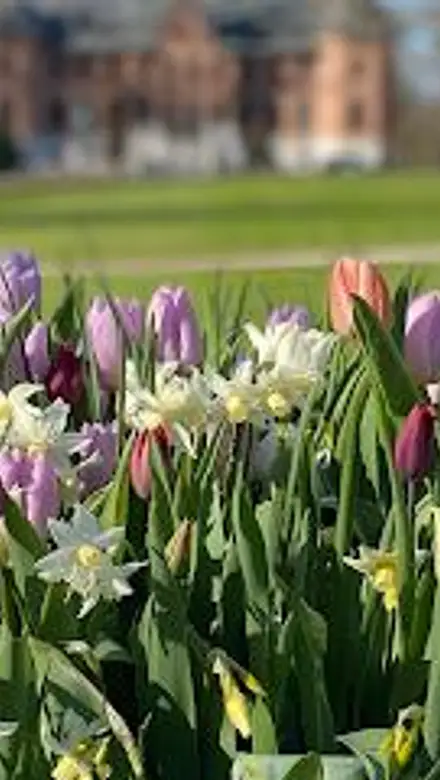
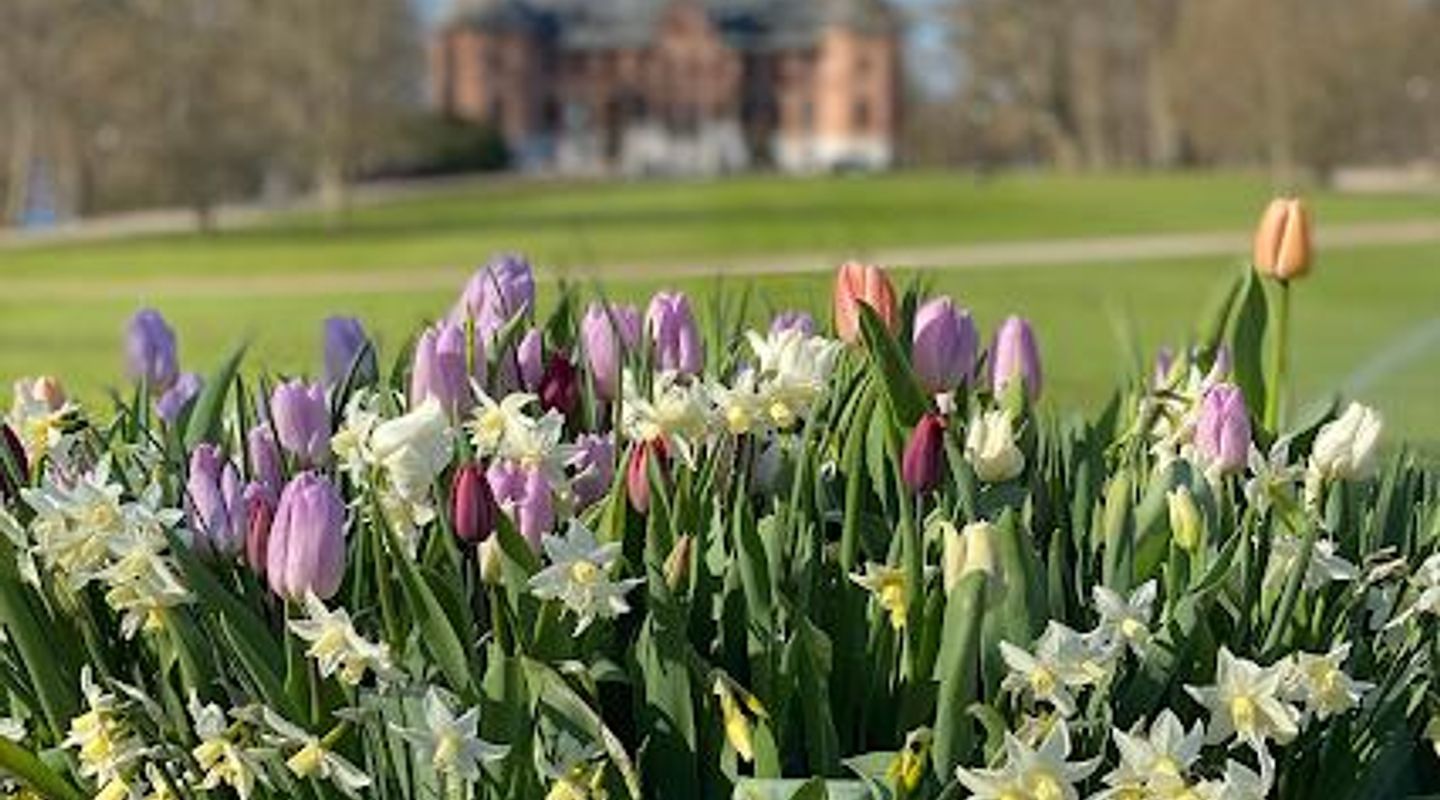
Perched above the Öresund strait just north of Helsingborg, Sofiero Palace blends royal history with one of Europe’s most celebrated rhododendron gardens. Built in the mid-19th century as a summer retreat for future King Oscar II, the Dutch Renaissance–style palace is framed by sweeping lawns, flower beds and deep green ravines. Today its terraces, woodland paths, seasonal exhibitions and waterside views create a tranquil yet vibrant escape that feels both regal and warmly welcoming.
A brief summary to Sofiero Palace
- Sofierovägen 131, Helsingborg, 254 82, SE
- Click to display
- Click to display
- Duration: 2 to 4 hours
- Mid ranged
-
 Outdoor
- Mobile reception: 4 out of 5
- Monday 10 am-4 pm
- Tuesday 10 am-4 pm
- Wednesday 10 am-4 pm
- Thursday 10 am-4 pm
- Friday 10 am-4 pm
- Saturday 10 am-4 pm
- Sunday 10 am-4 pm

Know before you go
Hi, I'm Eve. Here are a few practical things to know before exploring Sofiero Palace.
- Aim for late spring to early summer if you want to see the rhododendron ravines in full bloom; earlier or later in the season is quieter but less floral.
- Wear comfortable shoes suitable for slopes and some uneven paths, especially if you plan to explore the ravines and woodland trails.
- Set aside time for the palace exhibitions and café; combining indoor displays with a walk through the gardens makes a relaxed half-day outing.
- Bring a light jacket or layers, as breezes from the Öresund can make it cooler than in central Helsingborg even on sunny days.
- Check the event program in advance if you enjoy garden shows or outdoor concerts, as these can add a special atmosphere on certain dates.
Do you manage this location?
Take control to get all the benefits, like improved information, better appearance, and stronger visibility across AI-powered discovery. Learn more about listing your business on Evendo
Activate your presenceOther nearby places you may find interesting
The closest places of the same kind, if this one is not quite what you had in mind.
Explore Sofiero Palace on the Map
A handpicked selection of must-see spots near Sofiero Palace, mapped for you.
Getting There
-
City bus from central Helsingborg
From central Helsingborg, take a local Skånetrafiken bus toward Sofiero or Laröd; the ride typically takes 15–25 minutes depending on traffic. Buses run several times per hour during the day, with slightly reduced frequency in evenings and on weekends. A single adult ticket usually costs around 30–45 SEK within the local zone and can be bought via machines or mobile app. Most buses are low-floor and suitable for visitors with limited mobility.
-
Taxi from Helsingborg city center
A taxi from Helsingborg’s central area to Sofiero generally takes 10–15 minutes, depending on time of day and traffic along the coastal road. Fares vary by company and demand, but you can expect a one-way trip to cost roughly 180–280 SEK. Taxis provide the most convenient option if you are traveling in a small group, carrying picnic gear, or visiting outside regular bus hours.
-
Cycling along the coastal route
Confident cyclists can follow the signed coastal cycle route north from central Helsingborg to Sofiero, a journey that typically takes 20–35 minutes at a relaxed pace. The route uses mixed cycle lanes and quieter roads and is mostly flat but can feel windy near the water. There is no direct cost beyond bike rental if needed, which in Helsingborg usually ranges from about 100–200 SEK per day depending on provider.
For the on-the-go comforts that matter to you
-
 Restrooms
-
 Drink Options
-
 Drinking Water
-
 Food Options
-
 Seating Areas
-
 Sheltered Areas
-
 Picnic Areas
-
 Trash Bins
-
 Information Boards
-
 Visitor Center
Discover more about Sofiero Palace
Royal retreat overlooking the Öresund
Sofiero Palace sits on a gentle slope above the Öresund, its red-brick Dutch Renaissance façade looking out toward the coastline and Denmark beyond. Built in the 1860s as a summer residence for Crown Prince Oscar and his wife Sophia, it feels intimate rather than imposing, more manor house than grand court. From the terrace you can trace the line of the water, ferries sliding between Sweden and Denmark while the lawns taper down toward the ravines.Inside, parts of the former royal home now host exhibitions and a restaurant, but the palace rooms still hint at their past life as a relaxed family refuge. High windows frame the gardens as living paintings, and you sense why King Gustaf VI Adolf chose to spend so many summers here. The house and its setting are inseparable: the palace is the balcony, the gardens the stage.Gardens shaped by a royal passion
The real magic of Sofiero lies outside, where carefully orchestrated planting blends with wilder pockets of woodland. Crown Prince Gustaf Adolf and his first wife Margareta, who grew up amid English gardens, transformed the grounds in the early 20th century. They experimented with rockeries, kitchen plots and perennial beds, tracing curving paths that reveal new compositions at every turn.Their legacy is most visible in spring and early summer, when the rhododendron ravines ignite in shades of magenta, cream and deep violet. Thousands of shrubs spill down the steep slopes, some towering overhead like small trees, others edging the paths with tight clusters of bloom. Even outside peak season, textured foliage, ornamental grasses, dahlias, roses and mature trees keep the park richly layered and photogenic.Rhododendron ravines and hidden corners
Two deep ravines carve through the estate, creating a sheltered microclimate and some of Sofiero’s most atmospheric walks. Wooden bridges and narrow paths wind along the valley floor beside small streams, while above you the canopy of rhododendrons and trees filters the light into a green haze. In early morning or after rain, the air feels almost subtropical, heavy with scent and birdsong.Beyond the ravines you find distinct garden rooms: a formal parterre with geometric beds, an old kitchen garden now bursting with herbs and vegetables, and more contemporary show gardens that change with new design ideas. Open lawns invite picnics, yet a few steps away low hedges or shrub borders hide quieter benches where you can sit in near silence. It is a place that rewards unhurried wandering and repeat visits.From royal residence to public park
When King Gustaf VI Adolf died in 1973, he bequeathed Sofiero to the city of Helsingborg so that the gardens could be enjoyed by everyone. That decision reshaped the palace’s story, turning a private sanctuary into a civic treasure. Today the grounds host seasonal flower shows, sculpture installations and occasional outdoor concerts on the broad grass terraces, with the palace façade as a dramatic backdrop.Despite its royal pedigree, the atmosphere is relaxed and approachable. Families spread blankets under apple trees, gardeners tend borders within earshot of visitors, and children race along gravel paths between clipped hedges. The estate balances preservation of its historic character with an ongoing spirit of experimentation, ensuring the gardens feel alive rather than frozen in time.A day among flowers, flavors and views
A visit to Sofiero easily fills half a day or more. You might start on the palace terrace, taking in the sweep of the park before following a loop past the formal beds and into the ravines. Detours lead to greenhouses, plant sales and demonstration plots where you can pick up ideas for your own garden. In season, borders overflow with color themed plantings that shift subtly from one area to the next.When you need a pause, cafés and the castle restaurant offer everything from coffee and pastries to more elaborate meals, often highlighting local ingredients. It is easy to linger at an outdoor table, watching the light move across the lawns and the water beyond. Whether you come for horticultural inspiration, gentle walks or simply the pleasure of a beautiful view, Sofiero combines royal history and garden artistry in a way that feels distinctly Scandinavian: elegant, understated and deeply connected to the landscape.












Your all‑in‑one travel companion app
Explore expert travel guides, compare and book tours, experiences, hotels, and more—all from the palm of your hand. Download now for seamless trip planning wherever your wanderlust takes you.


Explore More of Copenhagen Region
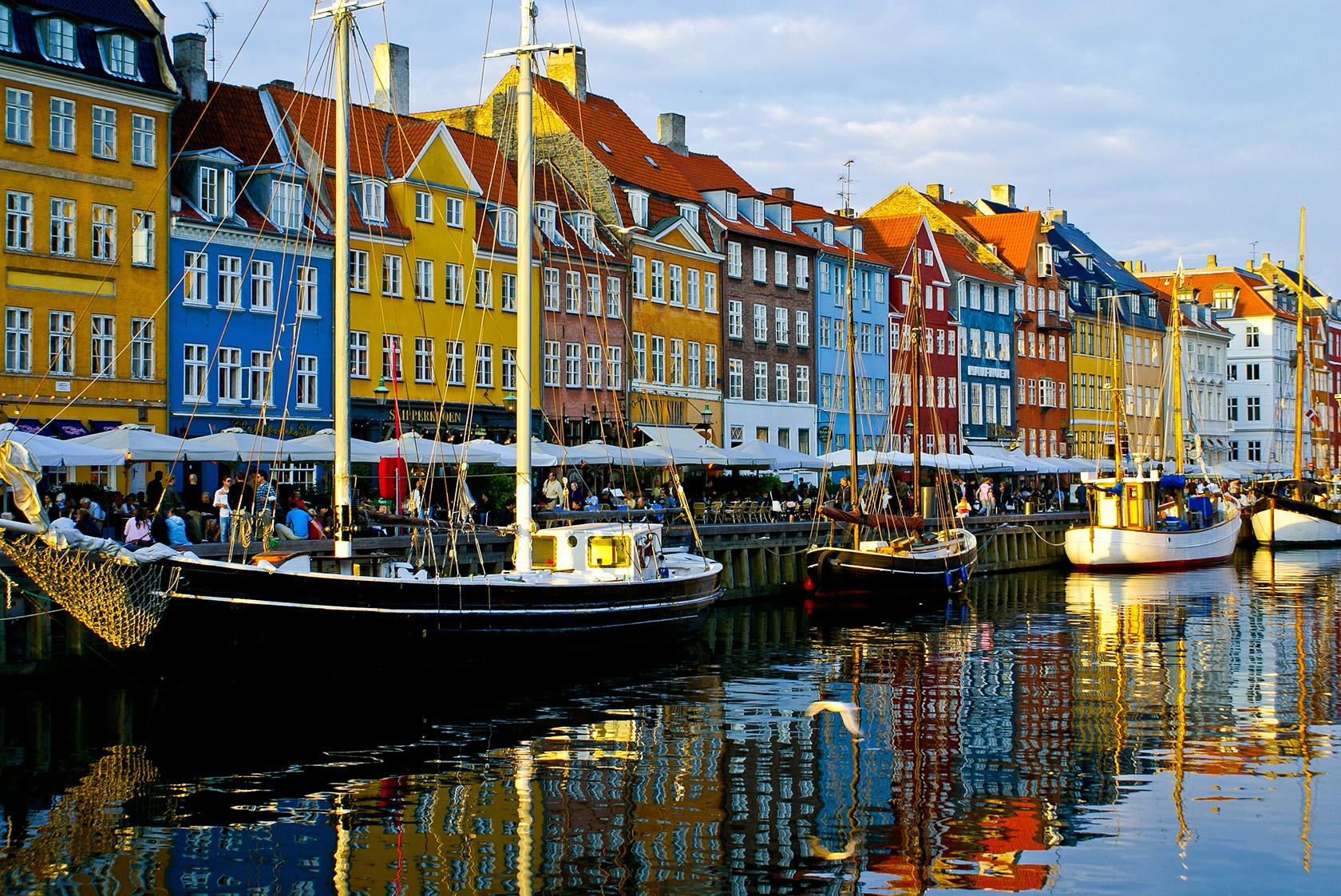
Looking beyond Sofiero Palace? Discover Copenhagen Region for broader travel guides, local hot-spots, and regional highlights.
Explore Copenhagen Region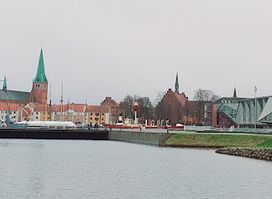
Three interconnected museums preserving 600 years of Elsinore's maritime, commercial, and industrial heritage in Denmark's historic city center.
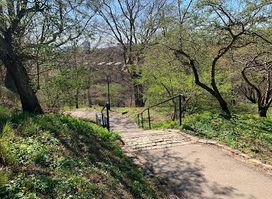
Leafy hillside park above Helsingborg with rich tree life, quiet lawns and far-reaching views across rooftops and the Öresund strait toward Denmark.