
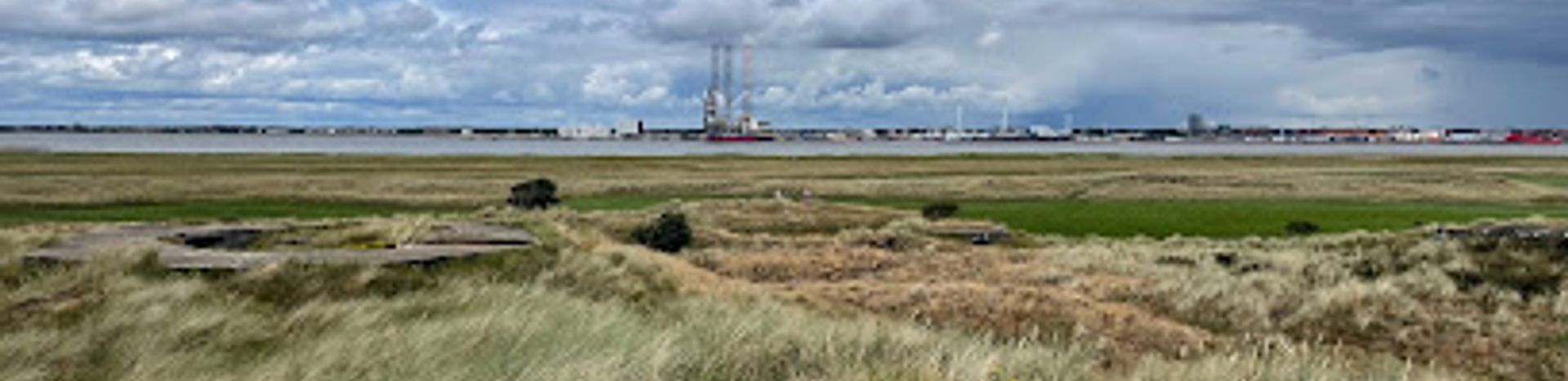
Pælebjerg – The Highest Point on Fanø
A modest 21‑meter summit with big sky views over dunes, heath and plantation, Pælebjerg distills Fanø’s quiet, wind-shaped landscapes into one gentle climb.
Pælebjerg rises a modest 21 meters above sea level, yet it claims the title of Fanø’s highest point and one of the island’s famed “Big Five” hills. Set in the western edge of Fanø Klitplantage, it offers wide views over rolling heath, dunes, and patches of conifer forest, with nearby Pælebjerg Lake adding a tranquil touch. Simple paths, wind-shaped pines and open sky make this a gentle, family-friendly nature stop rather than a demanding hike.
A brief summary to Pælebjerg - Det højeste punkt på Fanø
- Fanø, 6720, DK
- Duration: 0.5 to 2 hours
- Free
-
 Outdoor
- Mobile reception: 4 out of 5
Local tips
- Wear shoes suitable for sandy, sometimes uneven forest and heath paths; the short ascent is easy but not ideal for very thin-soled footwear.
- Plan your visit for early morning or late afternoon to enjoy softer light over the dunes and a quieter atmosphere on the summit.
- Bring a windproof layer even in summer; the exposed top can feel significantly cooler and breezier than the paths through the plantation.
- Combine the hill with a loop past Pælebjerg Lake and through Fanø Klitplantage to turn a short stop into a 1–2 hour nature walk.
- If you are visiting with children, look out for the nearby forest playground to add an extra, active element to the excursion.

For the on-the-go comforts that matter to you
- Restrooms
- Seating Areas
- Picnic Areas
- Trash Bins
- Information Boards
Getting There
-
Bicycle from Nordby (Fanø ferry terminal)
From the ferry terminal area in Nordby, cycling to the Pælebjerg area through Fanø’s interior roads and plantation typically takes 25–35 minutes at a relaxed pace. Most of the route follows paved or firm-surfaced minor roads, with the final approach on narrower plantation tracks that can be sandy in places. Standard city or trekking bikes manage fine in dry conditions, but very narrow road tyres may struggle in loose sand. Expect to cover around 7–10 km depending on your exact starting point and route. Renting a bicycle in Nordby generally costs about 100–150 DKK per day for an adult bike.
-
Car or taxi from Nordby or Rindby
Driving from Nordby or the holiday house areas around Rindby to the parking area closest to Pælebjerg usually takes 10–15 minutes. The main roads are paved, while access within Fanø Klitplantage includes narrow concrete or gravel sections laid historically to cross the dunes. Standard passenger cars cope well, but speeds are low and you share the way with cyclists and walkers. Parking near the plantation access is free, yet spaces can be limited on sunny summer days and autumn weekends, so arriving earlier in the day improves your chances.
-
Walking approach through Fanø Klitplantage
If you are already staying in or near the Rindby or Fanø Klitplantage summerhouse areas, you can reach Pælebjerg entirely on foot via waymarked plantation trails. Depending on your starting point, expect 30–60 minutes of walking each way along mostly flat paths. Surfaces range from firm forest tracks to looser sandy stretches, so lightweight hiking shoes or sturdy trainers are recommended. The route is suitable for most reasonably fit visitors, but pushchairs and wheelchairs may find sections challenging because of sand and occasional tree roots.
-
Taxi from Nordby without a car
For visitors arriving on the ferry without a car who do not wish to cycle, local taxis can provide a direct ride from Nordby to the plantation access near Pælebjerg. The journey generally takes around 10–15 minutes, depending on traffic and exact drop-off point. Fares vary with time of day and company, but you can expect a one-way trip within Fanø to cost in the region of 120–200 DKK. It is sensible to arrange a pickup time in advance, as taxi availability may be more limited in the evening or outside peak holiday periods.
Pælebjerg - Det højeste punkt på Fanø location weather suitability
-
 Clear Skies
-
 Mild Temperatures
-
 Windy Conditions
-
 Any Weather
-
 Cold Weather
-
 Hot Weather
Discover more about Pælebjerg - Det højeste punkt på Fanø
The gentle summit of an ever‑shifting island
Pælebjerg is proof that a “mountain” does not need to be tall to feel special. At only about 21 meters above sea level, this sandy rise has long been known as the highest point on Fanø and is counted among the island’s celebrated "Big Five" hills. Standing on the top, you sense how low and exposed Fanø really is, a narrow strip of sand and dunes lying between the Wadden Sea and the restless North Sea. Though discussions about precise measurements occasionally surface, Pælebjerg’s status as a reference point in the landscape remains. A small summit structure marks the top, giving the place a clear sense of arrival. Here the sky feels close, the wind is almost constant, and clouds race over the island, reminding you that the terrain beneath your feet is shaped and reshaped by storms, tides and time.Views across heath, plantation and distant sea
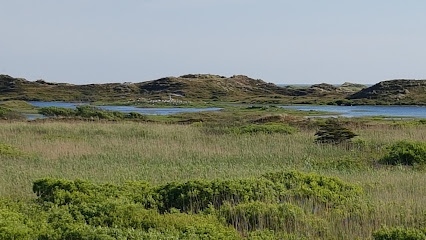
From the summit, the landscape unfolds in soft, layered bands. To one side you look over Fanø Klitplantage, a patchwork of wind-bent conifers, small bogs and open glades. In other directions, heathland stretches away in tones of rust and green, dotted with low shrubs and tufts of marram grass. On clear days you can glimpse the line of the North Sea beyond the dunes, its presence felt in the salt on the wind. The modest height means details are still visible: sandy paths winding between hummocks, pools of water catching the light, and the occasional movement of deer or birds among the trees. It is an excellent place to grasp the overall structure of Fanø’s interior – how forest, heath and sand interlock – while still feeling close to the ground and its textures.Pælebjerg Lake and the life of the lowlands
Just below the hill lies Pælebjergsøen, a small, man‑made lake fringed with reeds and water plants. In summer, lily pads dot the surface and insects skim across the water, while small fish move in the shallows. The lake brings a softer, more sheltered atmosphere compared with the windswept top, and the mirrored reflections of trees and sky add a quiet drama. Around the shore, the transition between wet and dry habitats is easy to see: damp mossy edges give way to sandy soil, then to heather and pine. It is a compact lesson in the ecology of a dune island, where fresh water is precious and every depression in the land becomes a pocket for life to take hold.Trails, forest playgrounds and outdoor energy
Pælebjerg does not stand alone; it is part of a small network of waymarked trails that weave through the western part of Fanø Klitplantage. Routes of different lengths make it simple to turn a short summit visit into a longer circuit through heath and plantation. Some paths are broad and suitable for families with children, while others narrow into sandy singletrack that feels more adventurous. Nearby, a forest playground and mountain bike routes bring a more active dimension to the area. The contrast is striking: one moment you are quietly watching the wind in the heather, the next you may hear the distant sounds of children playing or bikes rolling over roots and sand. Yet the spaces are dispersed enough that the hill itself can still feel calm, especially outside midday and holiday peaks.A landscape shaped by wind, war and forestry
The surroundings of Pælebjerg also tell a story of human intervention. Parts of the access roads across the plantation were laid during the Second World War, adding a subtle historical layer to your walk. The conifer plantations themselves were planted over former open dunes to stabilize drifting sand and protect the island’s settlements and farmland. Taken together, the planted forest, remnant heath and small bodies of water show how people have tried to manage a naturally restless environment. Pælebjerg sits at the junction of these efforts, an easy vantage point from which to imagine the island both before and after such changes, and to appreciate how closely Fanø’s identity is tied to its fragile, wind‑carved terrain.Moments of quiet on a low island high point
Despite its modest altitude, the hill invites a kind of slow, reflective visit. The short ascent, open views and big sky make it a gentle spot for a pause during a day of exploring Fanø. You might sit on the summit edge to watch the movement of light over the plantation, feel the wind shift, or trace the lines of the dune ridges with your eyes. Whether you arrive as part of a family outing, a longer hike or a quick detour, Pælebjerg offers a compact, varied slice of Fanø’s interior landscapes. It is an easy climb with a wide horizon, where the simple combination of sand, heather, trees and sky captures much of what makes this Wadden Sea island so distinctive.Iconic landmarks you can’t miss

Sønderho Church
5.5 km
An 18th‑century island church filled with Denmark’s largest flotilla of votive ships, anchoring Sønderho’s seafaring history in a tranquil Wadden Sea village.
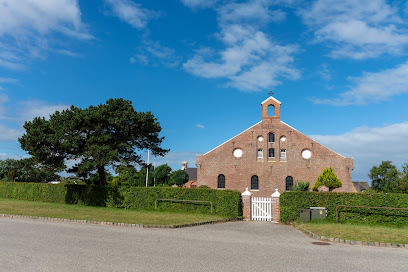
Æ Kåver
5.8 km
Reborn wooden seamark on Fanø’s southern edge, Æ Kåver recalls 17th‑century seafaring in a wild Wadden Sea landscape of wind, sand and wide horizons.
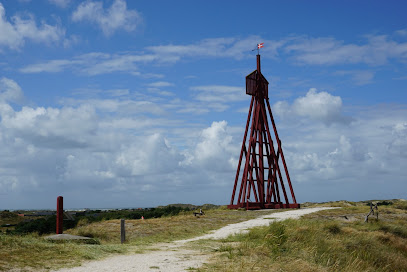
Fano Bed and Boats
6.5 km
Charming seaside bed & breakfast and boat rental in Nordby, Fanø—offering cozy rooms and authentic maritime experiences on Denmark’s storied North Sea island.
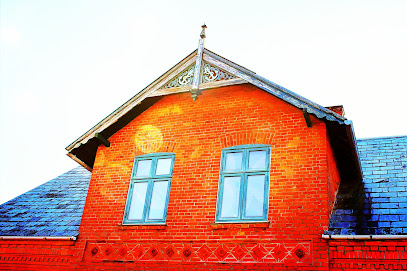
Fanø Krogaard
6.7 km
Experience the timeless charm of Fanø Krogaard, a historic inn blending Nordic cuisine, island tradition, and warm hospitality in the heart of Nordby harbour.
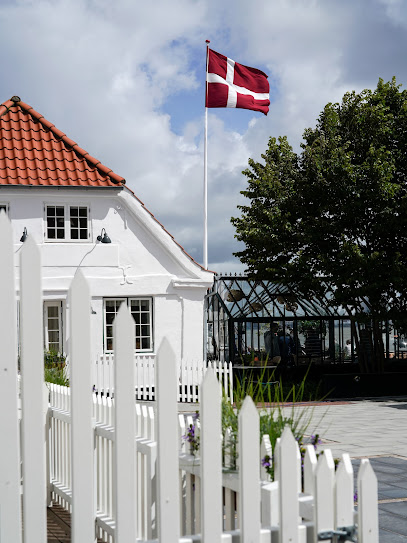
Fanø Tourist Office
6.8 km
Centrally located on Fanø, the Tourist Office is the ideal starting point for discovering authentic island charm, local culture, and practical travel advice.
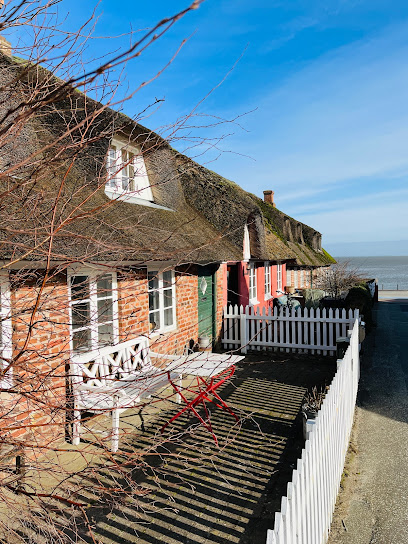
FanøFærgen, Esbjerg
8.4 km
Compact harbor terminal in Esbjerg serving the fast 12‑minute Fanø ferry, linking mainland bustle with island calm in the Wadden Sea UNESCO landscape.
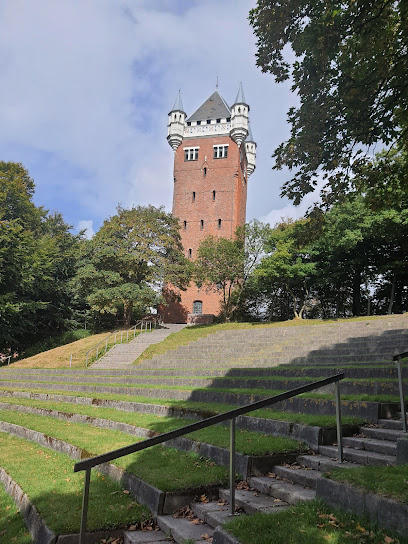
Esbjerg Water Tower
8.9 km
Historic red-brick water tower on a Bronze Age mound overlooking Esbjerg’s harbour, blending medieval-inspired architecture with the story of a young, ambitious port city.
Dronning Louise
9.1 km
Urban beachfront serenity meets Danish royal heritage at Marselisborg Strand, Aarhus’ favorite local escape for swimming, sunbathing, and seaside strolls year-round.
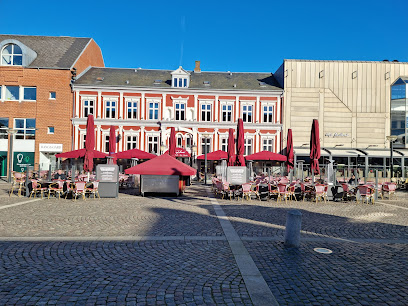
Namaste Esbjerg
9.2 km
Marselisborg Strand is Aarhus’ vibrant urban beach, blending sandy coastline, tranquil bay views, and easy access to city highlights and lush forest parks.
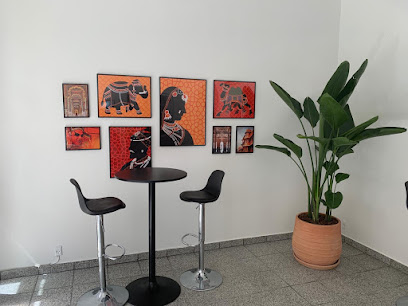
Denmark
9.2 km
Marselisborg Strand is Aarhus’s urban beach escape, offering sandy shores, a classic pier, family-friendly facilities, and beautiful views right at the city’s edge.
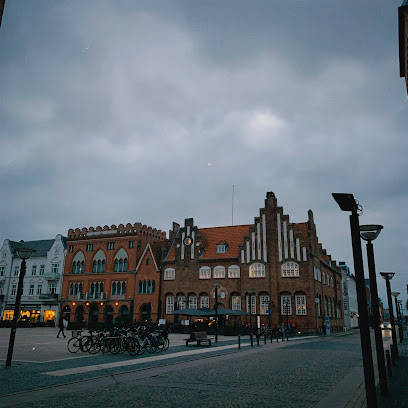
Vadehavskysten
9.5 km
An iconic copper bridge tower turned cultural gem, offering harbor panoramas, intimate events, and a taste of Copenhagen’s creative spirit on Knippelsbro.
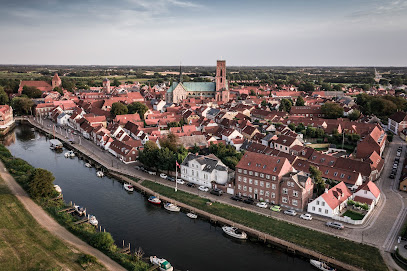
Begravet bunker
12.0 km
A preserved German WWII bunker revealing the hidden lives of occupation soldiers beneath Danish soil.
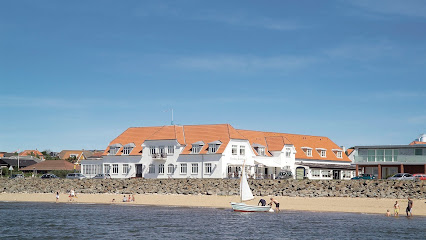
Hjerting Badehotel
15.5 km
Picturesque sandy beach blending serene sea views, lush forests, and family-friendly facilities just minutes from Aarhus city center.
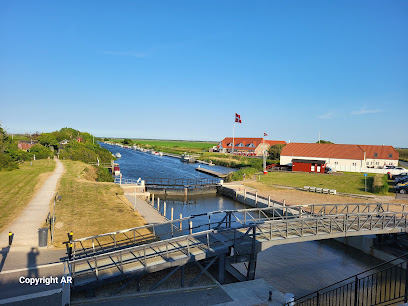
Kammerslusen Ribe
17.8 km
Discover Copenhagen's Black Diamond: A fusion of modern architecture and cultural heritage on the waterfront.
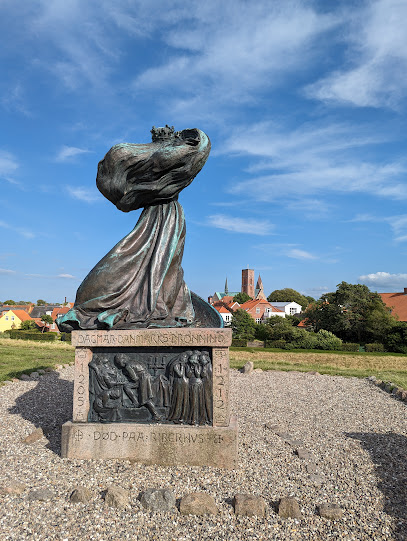
Queen Dagmar of Bohemia
22.8 km
A contemplative statue on Ribe’s former castle hill, honouring the gentle 13th‑century Queen Dagmar where her life and legend became entwined with Denmark’s history.
Unmissable attractions to see

Skovlegeplads
1.2 km
Woodland wonderland on Fanø: a free forest playground with natural equipment, fire pits and storybook corners hidden inside Fanø Klitplantage.
Fanø Blokart
1.8 km
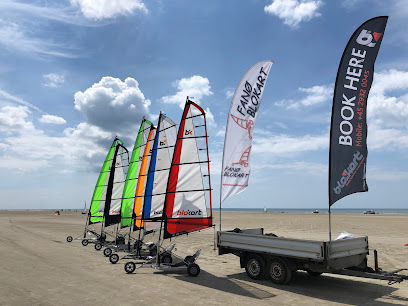
Land-sail across Denmark's legendary beach at speeds up to 50 km/h—no experience needed.
Albue Fuglekøje
2.1 km
A preserved duck decoy tucked into Fanø’s dunes and pines, where quiet paths and old earthworks reveal how islanders once trapped wild ducks for a living.

Sønderho Gl. Fuglekøje
2.6 km
Historic 19th‑century duck decoy in Fanø’s heathland, where tranquil woodland paths, a restored trapping pond and Wadden Sea views tell the island’s waterfowl story.
Rindby Strand
3.9 km
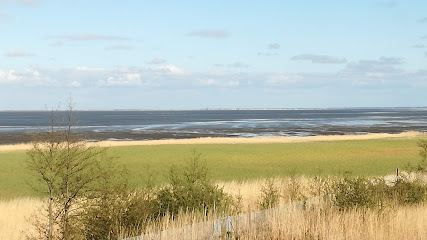
Wide, drive-on sands, kite-filled skies and classic Danish dune scenery make Rindby Strand Fanø’s easygoing North Sea playground for long, windblown beach days.

Rindby beach
4.1 km
Vast North Sea sands, drive-on beach freedom, and kite-filled skies make Rindby Beach Fanø’s classic, family-friendly shoreline on Denmark’s wild west coast.
Club Fanø
4.3 km
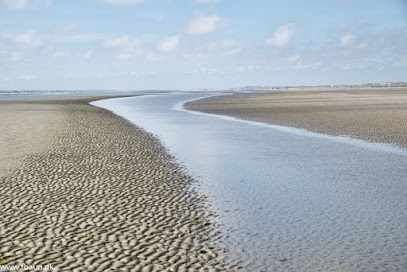
Island adventure hub offering seal safaris, beach sports, and coastal experiences on Denmark's famous Fanø.
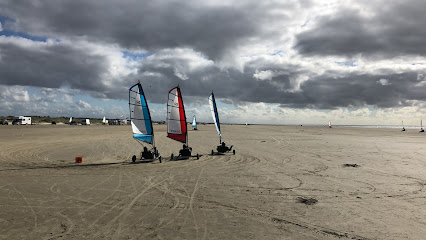
Club Fanø Rindby
4.3 km
Fanø's premier hub for kite sports, beach adventures, and Nordic coastal experiences with expert instruction and welcoming spirit.
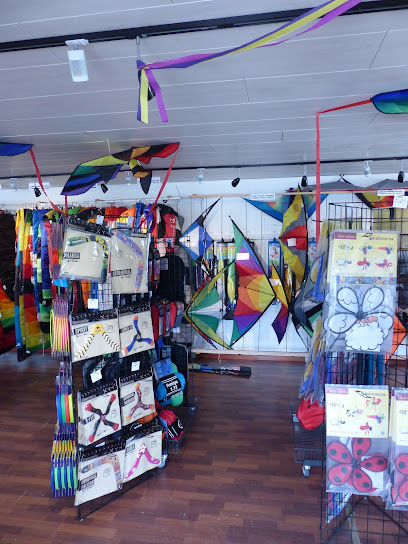
Mosedalsbjerg
4.8 km
A breathtaking linden-lined street in Møgeltønder, Slotsgaden charms visitors with its historic thatched cottages and scenic path to Schackenborg Castle.

Seal Bank Walk Meeting Point
4.9 km
A windswept beach meeting point at Sønderho, where guided low-tide walks lead across the Wadden Sea seabed to Galgerevet’s thriving seal bank.

Sønderho Mølle
5.0 km
Wind, flour and island history meet in this beautifully restored 1895 gallery Dutch windmill above the village of Sønderho on Fanø.
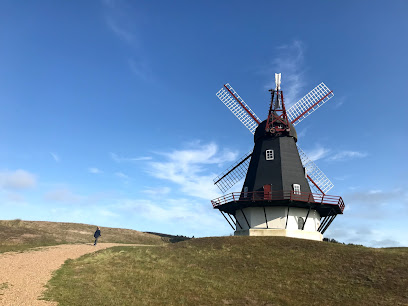
Fanø Vesterland Festival
5.1 km
Step into the historic world of duck decoy trapping at Sønderho Gl. Fuglekøje, where Fanø’s coastal landscape and folk ingenuity come vividly to life.

Skovhaven Torp Plantage
5.2 km
A sheltered woodland garden with fairy-tale sculptures, forest lake, and picnic areas perfect for families.

Gedenkstein
5.3 km
Experience Fanø's historic waterfowl trapping site amidst serene heathland, offering deep insights into Danish hunting heritage and the ecology of the Wadden Sea.

Hotel Fanø Bad
5.7 km
Unpretentious beachside base on Fanø’s dune fringe, where simple rooms, sea air and vast North Sea sands set the tone for slow, outdoorsy island days.

Essential places to dine

Stoppestedet I/S
4.2 km
Casual, family-friendly fast food on holiday island Fanø, serving hearty portions of fish, chips and burgers a short hop from the wide North Sea beach.
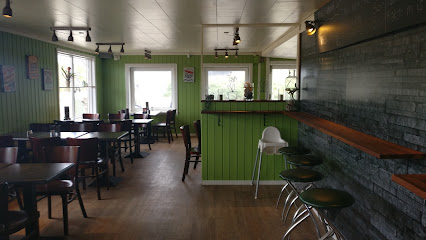
LIGHTHOUSE BURGERS
4.2 km
Gourmet-minded burger bar on Fanø, serving organic local beef, house-made buns and sauces, and a relaxed island atmosphere just a stroll from Nordby’s heart.

Axel's Kitchen
4.5 km
Authentic Italian pizzeria with indoor playground, celebrating local Fanø ingredients and family moments.
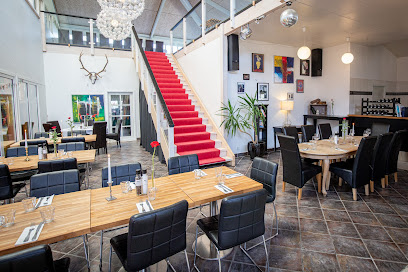
Tre Søstre
5.6 km
A cosy island café in Sønderho serving good coffee, simple local bites and creamy ice cream, perfect for a slow midday pause on windswept Fanø.

Restaurant Dino
5.7 km
Casual island restaurant in Fanø Bad serving pizzas, Bosnian specialities and Danish comfort food just steps from the North Sea dunes.
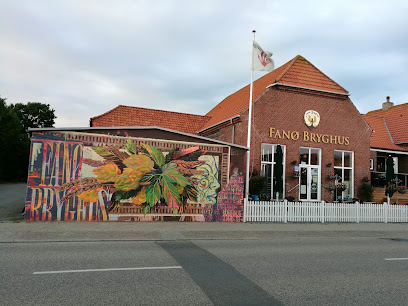
VadeMad
5.8 km
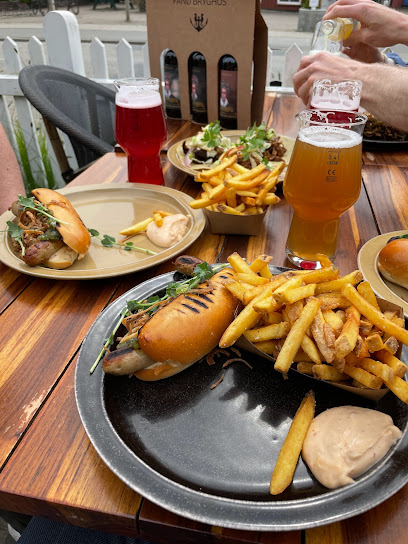
Casual food‑truck dining paired with island‑brewed craft beer, set in the laid‑back courtyard of Fanø Bryghus just a short stroll from the Wadden Sea.
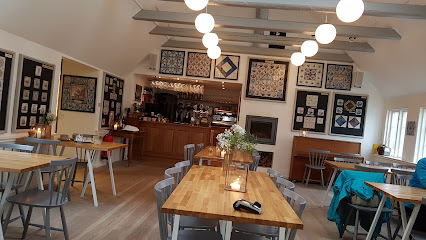
Cafe Nanas Stue
5.8 km
Historic thatched café in Sønderho blending Fanø comfort food, Dutch tile art and intimate music evenings in one atmospheric village living room.
Restaurant/Café Fajancen
5.8 km
Cosy family-run bistro in historic Sønderho, serving Danish–French classics made from local Fanø and Danish ingredients in warmly lit, intimate village-house surroundings.
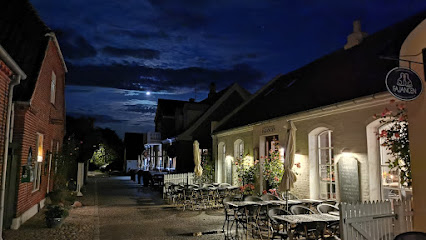
Kellers Badehotel
5.9 km
Historic beachfront hotel on Fanø combining coastal Danish charm, gourmet dining, and immersive island hospitality with sweeping North Sea views and a storied heritage.
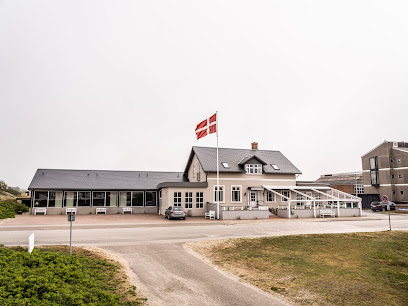
Pelargoniehuset
5.9 km
Relaxed seaside restaurant on Fanø’s west coast, serving simple Danish comfort food and cakes just steps from dunes, golf course and the island’s broad North Sea beach.
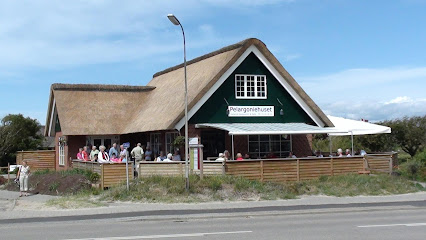
Sønderho Kro
5.9 km
Historic 18th‑century inn on Fanø where thatched-roof charm, gourmet Danish cuisine and Wadden Sea landscapes come together in the heart of Sønderho.
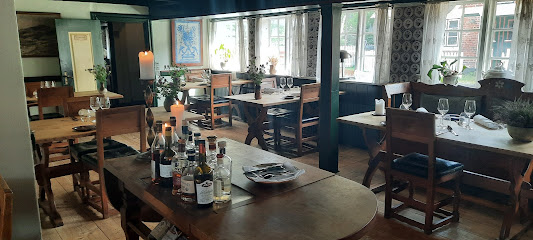
Rudbecks Fanø
6.2 km
Cosy family-run café, deli and wine bar on Fanø’s main street, celebrating local organic produce, Fanø salmon and cheeses in a warm, relaxed village setting.
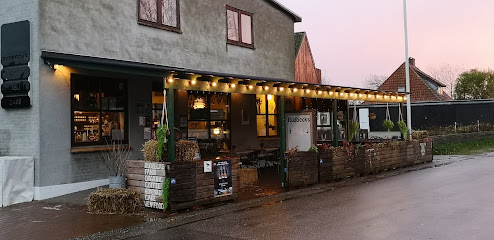
Tacobørsen
6.3 km
Colorful Mexican-inspired street food on Fanø’s main street, perfect for easy takeout, casual meals and beach picnics between dunes, harbor walks and village strolls.

Restaurant Aroma - Fanø øko Øl
6.3 km
Cosy island restaurant and organic microbrewery in a historic skipper’s villa at the heart of Nordby, pairing house‑brewed Fanø beers with relaxed European plates.
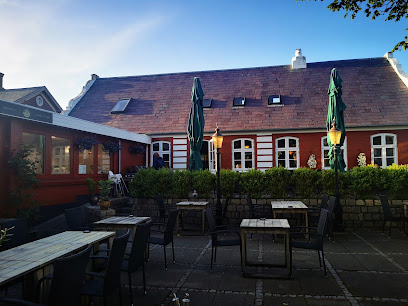
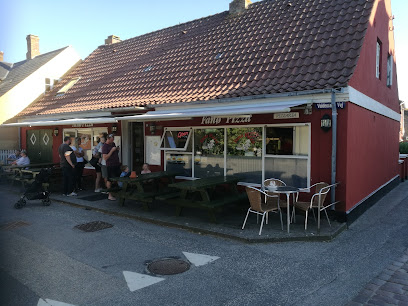
Fanø Pizza
6.4 km
Straightforward Danish-style pizza and takeaway favorites in Nordby, offering an easy, kid-friendly dinner option after a day exploring windswept Fanø.
Markets, malls and hidden boutiques

Arbuckle Design
2.8 km
Discover unique fashion accessories that capture the essence of Danish design at Arbuckle Design in Fanø.
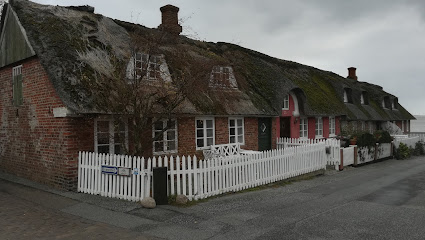
Kunstladen
3.8 km
A colourful Fanø island boutique where Scandinavian design, clothing, gifts and craft supplies fill a bright, welcoming space just behind the dunes of Rindby.
Fanø Angus & Merino
3.8 km
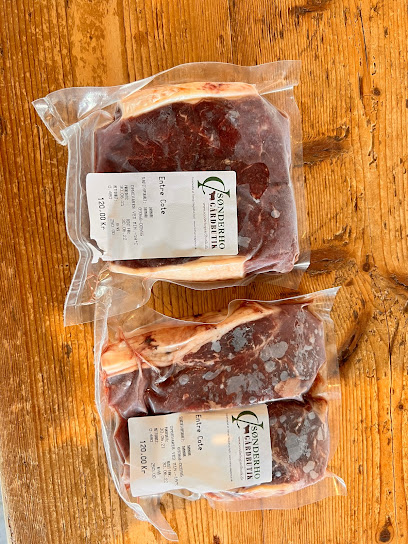
Small Fanø farm shop turning island pastures into premium Angus beef and soft Merino yarn, offering an authentic taste – and texture – of Wadden Sea life.

Rindby Supermarked A/S
4.2 km
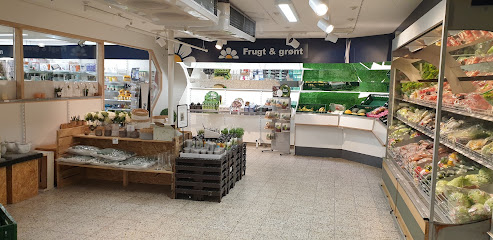
Spacious island supermarket in Rindby, combining early-morning bakery aromas, full-range groceries and relaxed holiday extras near Fanø’s west coast dunes.
Sønderho Gårdbutik
4.7 km
Authentic Fanø farm shop with organic Highland beef, free-range eggs and carefully selected local specialties at the gateway to the village of Sønderho.
Mission Afrika Genbrug
5.7 km
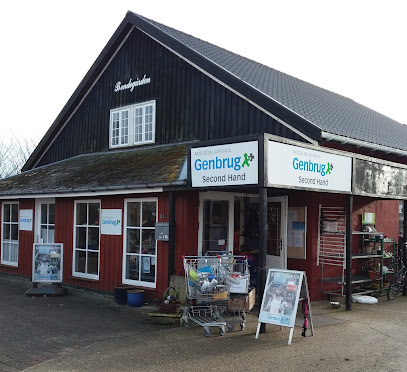
Cosy Nordby thrift shop where island finds, friendly volunteers and second-hand treasures help fund Mission Afrika’s community projects far beyond Fanø.
Silken
5.8 km
Intimate silk atelier and boutique on Fanø, where decades of craftsmanship turn Asian fabrics into timeless, island-made garments in a calm, gallery-like setting.

Fanø Lægeurtehave
5.8 km
Traditional herb shop preserving natural wellness practices on Denmark's peaceful Fanø Island.
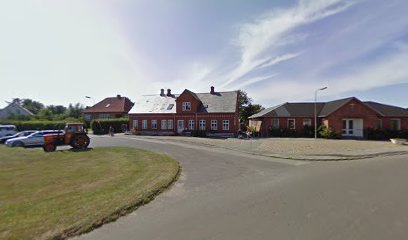
SPAR
5.9 km
Fanø's reliable supermarket steps from the beach, serving locals and visitors daily.
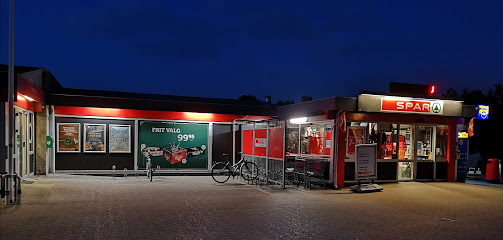
Victoria's Palace
5.9 km
A cosy Nordic-style interiors and gift shop in the heart of Fanø Bad, where coastal charm and Scandinavian design meet just moments from the wide North Sea beach.
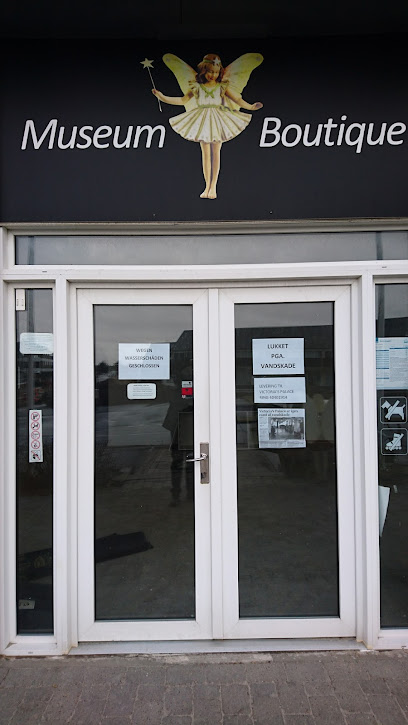
Fanø Lys
5.9 km
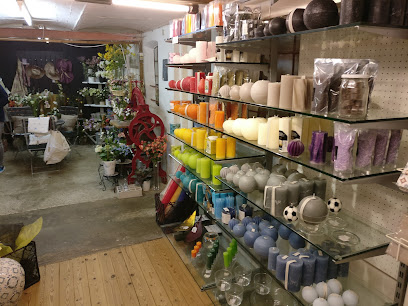
Candlelit hygge, local delicacies and island design come together at this cozy Fanø shop just behind the dunes of the North Sea.
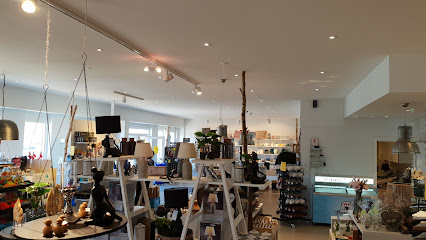
Fanø Brugsforening
6.1 km
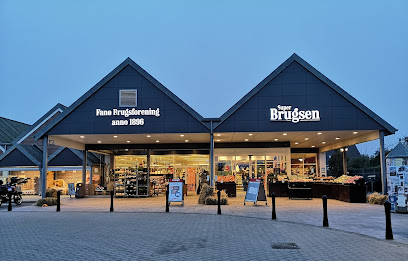
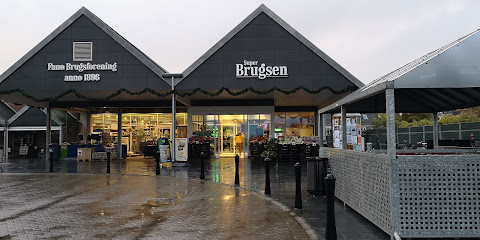
Fanø’s friendly SuperBrugsen co-op in Nordby, keeping islanders and visitors stocked with fresh food, Danish staples and everyday essentials near the harbour.
SuperBrugsen
6.1 km
Fanø’s central supermarket hub, blending everyday Danish island life with convenient shopping for self-catering holidays and beachbound visitors in Nordby.
Kulturfabrikken, frkToft
6.2 km
Playful island ceramics with vintage prints, crooked edges and plenty of humor, crafted and displayed in a characterful studio-shop on Fanø’s main street.
Westwind
6.2 km
Coastal clothing hub on Nordby’s main street, equipping you with practical sports and leisure wear for Fanø’s ever‑changing North Sea weather.

Essential bars & hidden hideouts

Kabyssen
4.3 km
Fanø's cherished community bar serving authentic Danish island hospitality with live music and genuine warmth.
Hjørnekroen
6.8 km
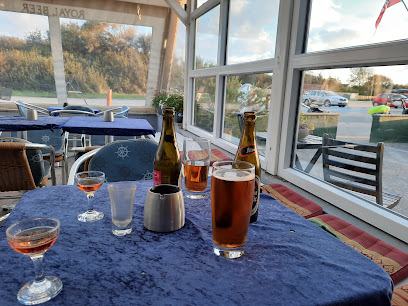
Cosy corner bar in Nordby where Fanø’s island life, live music nights and classic Danish bodega charm come together over draught beer and easy conversation.
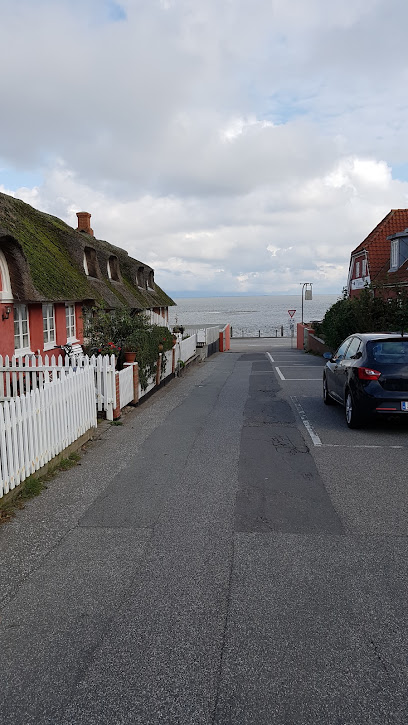
Dokken City Beach
8.5 km
A pocket of sand, deckchairs and drinks on Esbjerg Harbour, Dokken City Beach turns the working waterfront into a relaxed urban seaside escape.
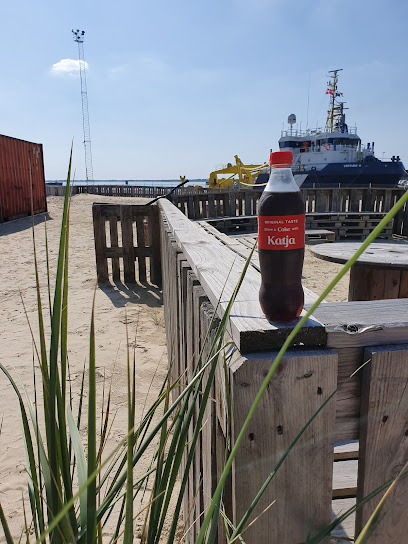
SoHo - Bar & Cocktails
9.1 km
Adults-focused cocktail bar tucked inside Esbjerg Street Food’s old theatre hall, pairing crafted drinks, modern design and a lively, central city atmosphere.
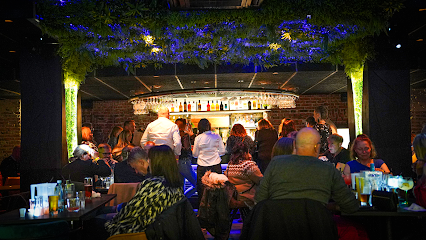
Dowdi Pub Bar
9.1 km
Old-school brown pub in central Esbjerg with inexpensive beers, wood‑panelled charm and a relaxed, local crowd from daytime regulars to late‑night lingerers.
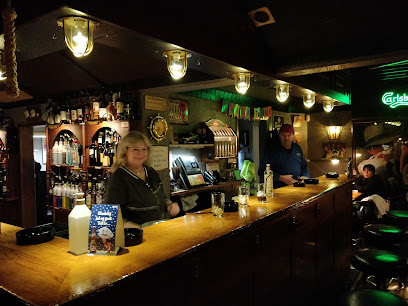
Pioner Bar Esbjerg
9.1 km
Late-night Esbjerg bar on Torvet with cheap cold beer, classic party hits from the ’80s to today, and a lively dance floor packed with locals and visitors.
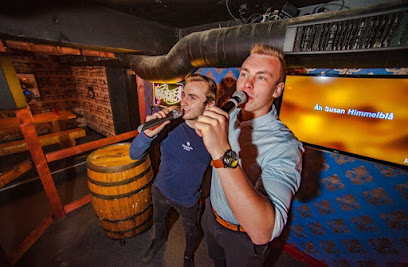
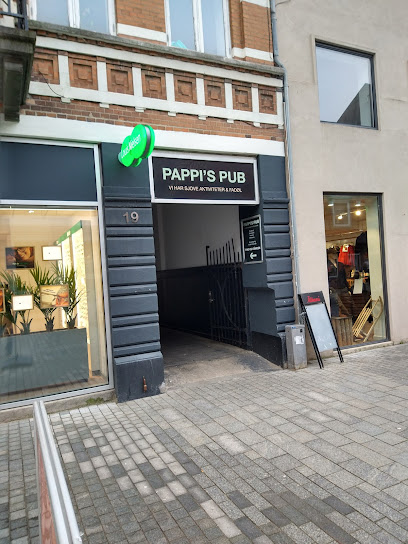
Pappi's pub
9.1 km
Unpretentious, drinks-first bar on Kongensgade offering a simple Danish pub vibe, easy prices and a central stop-off point in the heart of Esbjerg.
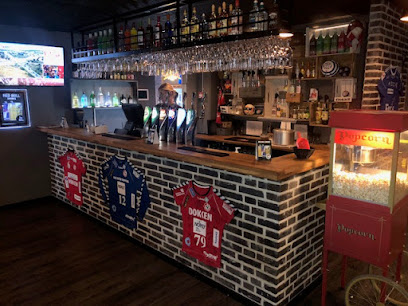
HomeRun Esbjerg
9.2 km
Lively gastro sports bar above Esbjerg’s main square, with wall-to-wall screens, bar games, casual bites and late-night energy on weekends.
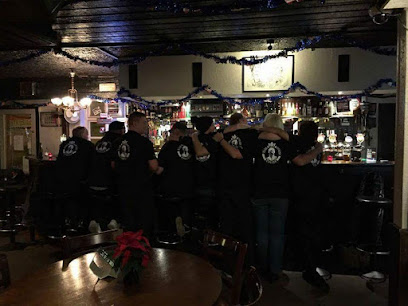
King George
9.2 km
Esbjerg's beloved beer hall where Danish tradition, lively atmosphere, and authentic hospitality converge on Skolegade.
Bjælkehytten - En Vestjysk BierBar
9.2 km
Timber-clad, late-opening beer hut on Esbjerg’s Skolegade, serving easygoing brews and shots in a cosy, West Jutland party atmosphere at the heart of nightlife.
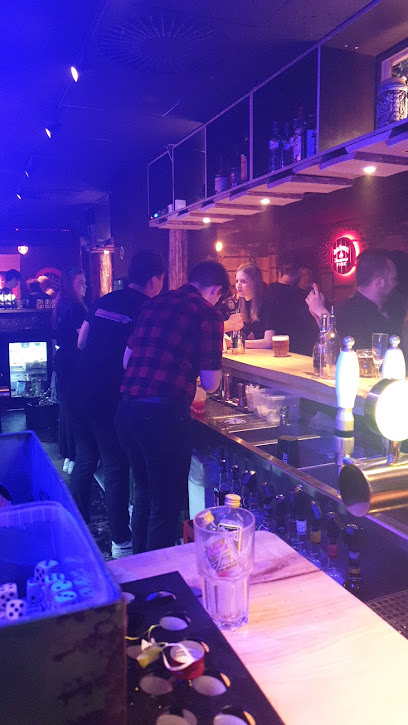
Rustik - Bar & Natklub
9.2 km
High‑energy bar and nightclub on Esbjerg’s Skolegade, mixing industrial style, cocktails and a tightly packed dance floor late into the night.

James Bond Esbjerg
9.2 km
Late-opening dance bar on Skolegade in Esbjerg, where a mature crowd sings along to classic hits and keeps the party going until early morning.
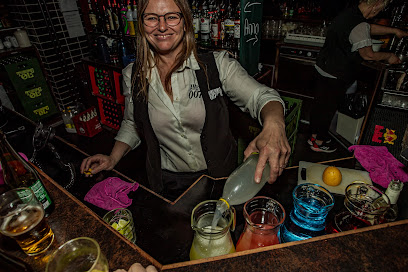
Industrien
9.2 km
Historic Danish bar where 130+ years of tradition meets contemporary hospitality on Esbjerg's vibrant Skolegade.
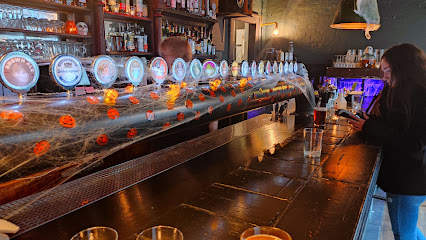
Kasket Karl
9.2 km
Legendary Esbjerg pub on Skolegade, pouring beer and hosting darts, dice and laid‑back evenings since 1975 in a warmly lit, unpretentious setting.
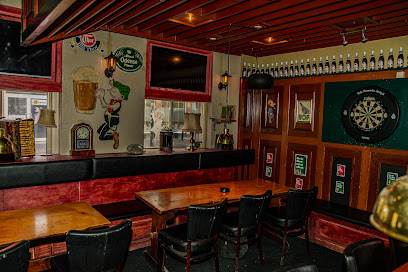
Skræddergården Esbjerg ApS
9.2 km
Adult-friendly dance bar in Esbjerg’s Skolegade nightlife strip, mixing DJ sets, live music nights and easygoing drinks in a former tailor’s house.
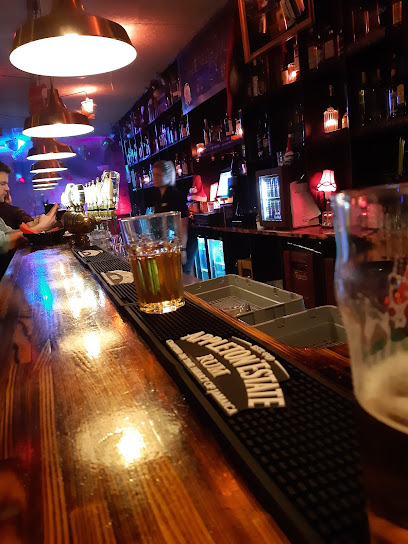
Nightclubs & after hour spots

No.31 - Bar & Natklub
9.2 km
Compact, high-energy nightclub on Esbjerg’s Skolegade, blending late-night bar vibes, loud DJ sets and a youthful dance floor in the heart of the city.
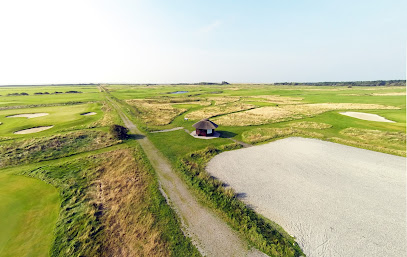
Romo Golf Links
34.8 km
Romo Golf Links offers an authentic coastal golf experience amid the windswept dunes and wild beauty of Rømø, blending challenging play with stunning North Sea views.
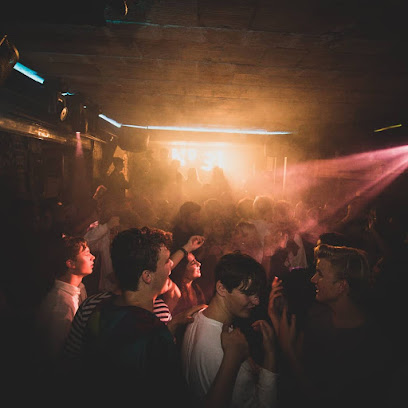
Crazy Daisy Vejen
46.8 km
High-energy disco club in central Vejen, bringing late-night music, dancing and big-city nightclub vibes to a compact South Jutland town.
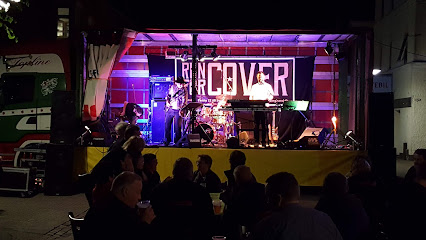
Rotes Kliff
48.6 km
Experience the vibrant nightlife of Rotes Kliff in Sylt, a premier disco club and cocktail bar perfect for unforgettable evenings.
NewsBar - Shakespeare Nightclub & Eventhouse
48.9 km
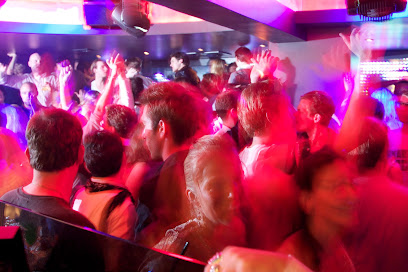
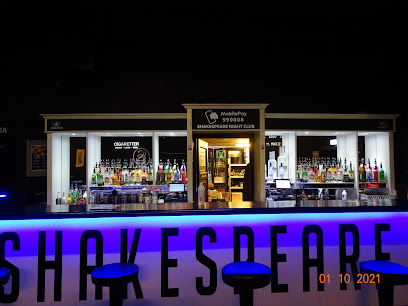
Ølgod's premier nightclub and event venue, where celebration and community connection meet.
Liglad Day & Nightlife
52.4 km
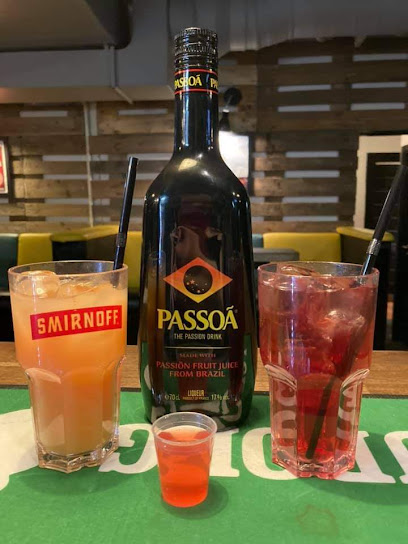
Compact late-night club on Grindsted’s main street, mixing local vibes, DJs and simple drinks for weekend nights that run into the early hours.
Fishi
54.0 km
Compact, no-frills nightclub in Vejen with loud beats, simple drinks and a friendly small-town crowd that keeps the dance floor moving late into the night.

P2 Champagne & Cocktail Tønder
58.1 km
Intimate champagne and cocktail lounge bringing late-night sparkle and city-style glamour to the historic heart of Tønder.
Al Capone
58.1 km
Tønder’s sole nightclub, Al Capone blends a rustic 1920s‑inspired mood, late‑night beats and strong drinks into an intimate speakeasy‑style party den.
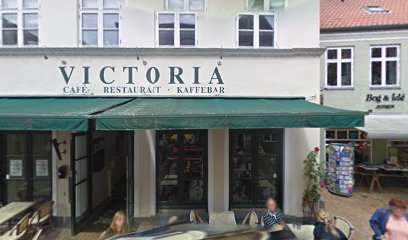
Koldingtivet Engen
67.5 km
Compact Kolding disco where locals pack the dance floor, mainstream hits fill the speakers and late-night energy turns a modest venue into a full-bodied club night.
Discoteque Tordenskiold
68.0 km
Kolding's legendary two-floor discotheque and cultural institution since 1973.
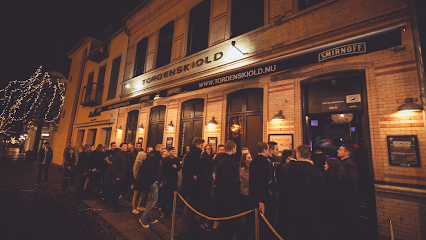
Mørks Kælder
68.2 km
Modern basement nightclub in central Kolding, pouring drinks and classic dance tunes for a grown-up crowd late into the weekend night.
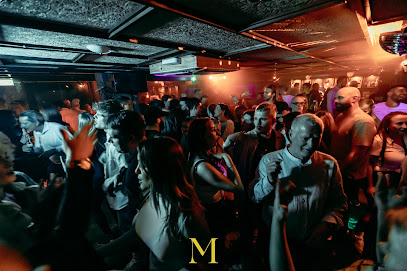
Pitstop
68.4 km
Small, central and loud, Pitstop is Kolding’s alternative live music stronghold, blending intimate gigs, late-night dancing and laid-back bar vibes in a historic building.
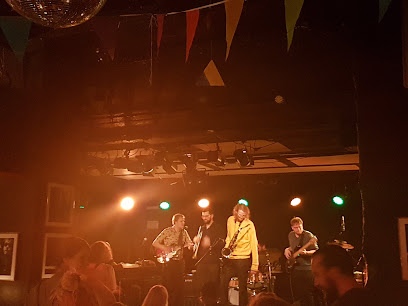
Jazz 6000
68.6 km
An essential stop in Kolding for jazz lovers, Jazz 6000 brings world-class live music, community spirit, and a cozy club atmosphere to southern Denmark.
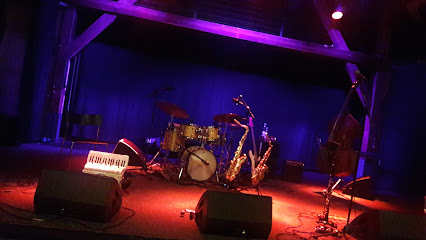
Vejle Jazzklub
69.1 km
Experience the soulful rhythms of jazz in the heart of Bredsten at Vejle Jazzklub.
For the vibe & atmosphere seeker
- Scenic
- Relaxing
- Tranquil
- Adventurous
- Unique
For the design and aesthetic lover
- Rustic Designs
For the architecture buff
- Viewpoints
- Parks & Gardens
- Landmarks
For the view chaser and sunset hunter
- Iconic Views
- Panoramas
- Sunset Spots
For the social media creator & influencer
- Photo Spots
- Selfie Spots
- Instagrammable
- Reel-Friendly
- Architectural Shots
For the eco-conscious traveler
- Low Impact
- Leave-No-Trace Critical
- Wildlife Habitat
- Public-Transport Accessible
For the kind of experience you’re after
- Nature Escape
- Day Trip
- Photowalk
- Adventure Photo Shoot
- Mindfulness
For how adventurous you want the journey to be
- Easy Access
Location Audience
- Family Friendly
- Child Friendly
- Teen Friendly
- Senior Friendly
- Solo Friendly
- Couple Friendly
- Solo Female Friendly


