

Sønderho Gl. Fuglekøje Travel Guide
Free Guide: Historic 19th‑century duck decoy in Fanø’s heathland, where tranquil woodland paths, a restored trapping pond and Wadden Sea views tell the island’s waterfowl story.


A brief summary of Sønderho Gl. Fuglekøje
Historic 19th‑century duck decoy in Fanø’s heathland, where tranquil woodland paths, a restored trapping pond and Wadden Sea views tell the island’s waterfowl story.
Hidden in the heathland between Nordby and Sønderho on Fanø, Sønderho Gl. Fuglekøje is a rare, 19th‑century duck decoy turned open‑air museum. A pond with six curving trapping channels, information boards and a small observation tower explain how islanders once lured wild ducks here for food, and later for scientific ringing. Today it is a peaceful nature site with free access, quiet woodland paths and wide views over Albue Bay and the Wadden Sea.
On-site amenities
 Information boards
 Picnic areas
 Trash bins
 Seating areas
Opening hours
- Every dayOpen 24 hours
Opening hours as listed on the venue’s Google Business Profile. Hours can change for services and special events, so check with the venue before you go.
- Address
- Landevejen 105, 6720 Fanø
- Website
Getting there
Bus from Nordby
Car or rental vehicle on Fanø
Cycling on Fanø
Discover more about Sønderho Gl. Fuglekøje
A quiet gateway to Fanø’s duck decoy past
Sønderho Gl. Fuglekøje sits in gentle coastal woodland and heathland just inland from Albue Bay, a short way off the main road between Nordby and Sønderho. At first glance it feels like a modest clearing in the trees, but this is one of Fanø’s most distinctive historic sites and the only preserved duck decoy of its kind in Denmark. The setting is deliberately secluded: low pines, wind‑shaped shrubs and sandy soil shelter a shallow pond at the heart of the old trapping system.As you step through the entrance gate, you move from open heath into a semi‑enclosed world designed around the habits of wary wildfowl. The path curves gently, giving you fleeting glimpses of water and reeds before the full layout of the decoy comes into view. It is easy to imagine how, long before it became a museum, this quiet pocket of woodland was engineered to feel safe for birds and practical for the people who depended on them.
The 1866 duck decoy and its ingenious design
Built in 1866, the installation is essentially a large, purpose‑made trap. At its centre lies a roughly rectangular pond from which six narrow, curving channels lead out like arms. These “pipes” were once covered with nets and subtly bent so the ducks could not see the end, encouraging them to swim deeper inside. Decoy ducks and trained dogs would guide wild birds from the open water into these channels, where they were finally caught.Walking around the pond today, you can trace the form of the channels in the terrain and remaining structures. Low wooden fences, earth banks and restored elements hint at the careful planning that went into each curve and narrowing. Information boards describe how the work was timed to the seasons, how many birds could be taken on a good day, and how the system differed from ordinary hunting. It is a rare chance to see a complete piece of working landscape architecture rather than just isolated artefacts behind glass.
From food supply to living museum and research site
For decades, duck meat from places like Sønderho Gl. Fuglekøje helped feed communities along the Jutland west coast. Fanø was unusual in Denmark for having several decoys, two of which remained in use until 1931, when trapping ducks for consumption was banned nationwide. Instead of being abandoned, this site gradually gained a new life. In the mid‑20th century it was used by wildlife biologists for ringing and studying ducks, turning an old hunting ground into a place of scientific observation.Extensive restoration work in recent years has stabilised the banks, refreshed the woodland paths and recreated key elements of the trap, while keeping the surroundings simple and natural. Today, the decoy functions as a “living museum”: rather than large indoor exhibits, the story is told in situ through discreet signage, restored structures and the presence of real waterfowl that still drop in to rest on the pond.
Views over Albue Bay and the Wadden Sea landscape
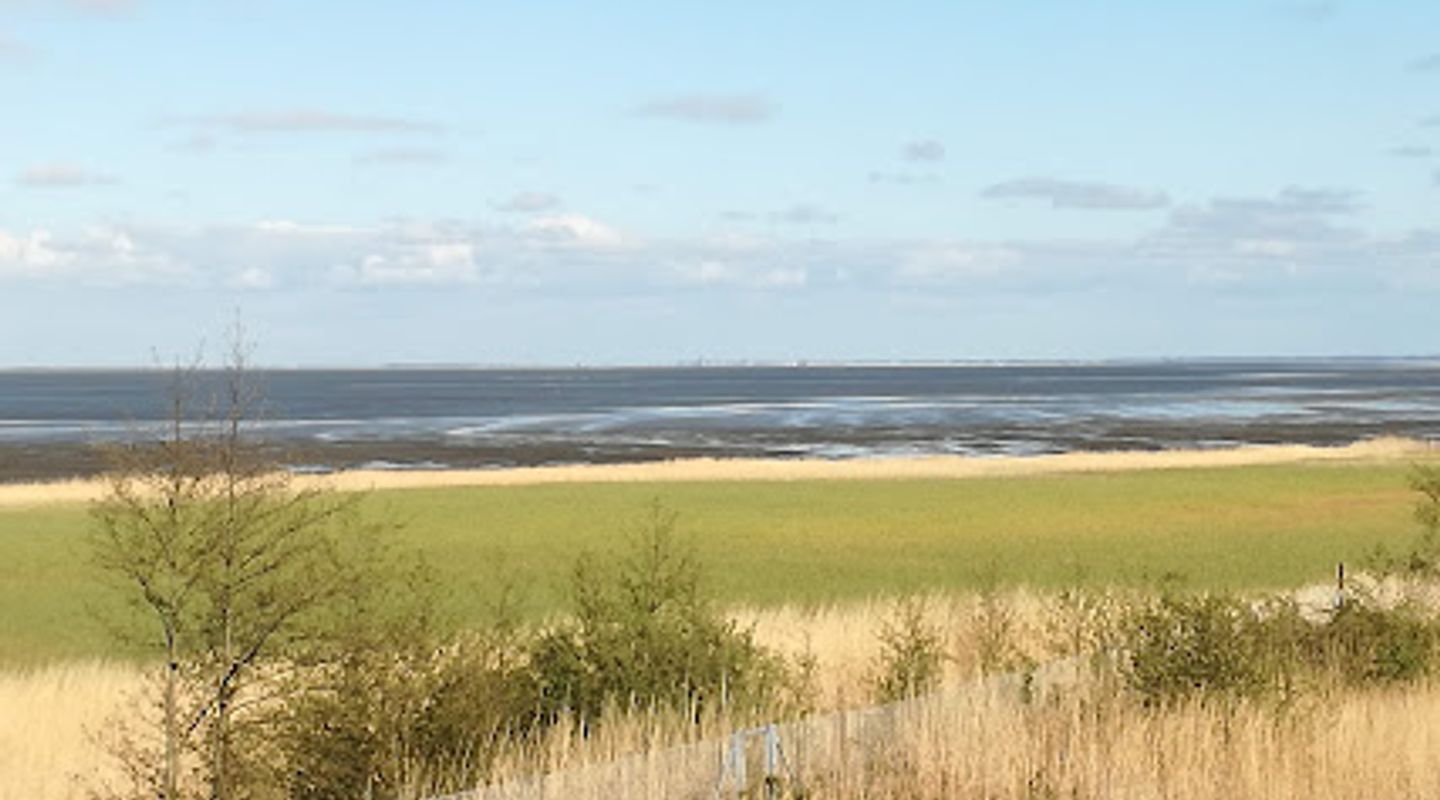
A small observation tower near the site offers one of the most evocative viewpoints in this part of Fanø. From its modest height you can look across Sønderho Heath, over to Albue Bay and towards mainland Jutland on the horizon. The broader Wadden Sea landscape stretches out as a patchwork of dunes, mudflats and tidal waters, underlining why this coast has long been crucial for migratory birds.Down at ground level, the sense of space is different but just as striking. Paths lead through low heather, grasses and patches of pine, with the wind almost always audible in the treetops. Depending on the season you might notice blooming heather, the calls of waders overhead or flocks of ducks circling the bay before dropping onto the sheltered pond.
A calm, free and dog‑friendly nature stop
The site is open all day, year‑round, with free admission and simple, unfussy facilities. A parking area and waymarked trail across the heath make it easy to add the duck decoy to a broader walk on Fanø. Dogs are allowed as long as they remain on a leash, a reflection of the area’s role as habitat for wild birds.Most visitors spend an unhurried hour or so here, combining time at the pond and channels with a short detour to the tower or an extended loop across the heath. It is not a high‑tech museum; the appeal lies in the blend of open air, quiet history and the feeling of stumbling across an almost forgotten technique, preserved in the very landscape where it was once part of everyday life.
Evendo Review Centre
 Google
Guest reviews
Best time to go
Quietest: Jan, Feb & Nov · before 8am or at 7pm
Busy times are Evendo estimates for a typical year, to help you plan. Actual crowds vary with events, school holidays and the weather.
Explore Sønderho Gl. Fuglekøje on the map
A handpicked selection of must-see spots near Sønderho Gl. Fuglekøje, mapped for you.
Get your free copy of our complete guide to Sønderho Gl. Fuglekøje, delivered straight to you.
Everything on this page, from opening hours and how to get there to Eve’s tips and the best time to go, in one PDF you can read offline, print or share.
Already have an account? Sign in
Your Sønderho Gl. Fuglekøje guide is ready.
We'll send it to · Not you? Sign out

Getting your guide ready…
We are putting together a fresh copy of the Sønderho Gl. Fuglekøje guide. This can take up to a minute.
This can take a few moments. If your browser asks, choose Allow so the download can start. You'll find the guide in your Downloads folder.
Nothing happened? Download it again
Sorry, the guide is taking longer than usual. Please try again in a minute, or get it by email instead.
Other nearby places you may find interesting
The closest places of the same kind, if this one is not quite what you had in mind.
-
-
-

-
-


Swipe for more places
More to explore near Sønderho Gl. Fuglekøje

 Best experiences near Sønderho Gl. Fuglekøje
 Best hotels near Sønderho Gl. Fuglekøje
 Best landmarks near Sønderho Gl. Fuglekøje
 Best attractions near Sønderho Gl. Fuglekøje
 Best shops near Sønderho Gl. Fuglekøje
 Best restaurants near Sønderho Gl. Fuglekøje
 Best bars near Sønderho Gl. Fuglekøje
Do you manage this location?
Take control to get all the benefits, like improved information, better appearance, and stronger visibility across AI-powered discovery.
Explore more

Explore more of Fanø
Discover Fanø, Denmark's hidden coastal gem, offering stunning beaches, charming villages, and rich wildlife, perfect for a tranquil getaway and nature adventures.
Explore Fanø
Explore more of Denmark
Discover Denmark: A perfect blend of history, modern design, and the cozy concept of hygge. Explore vibrant cities, serene landscapes, and world-class cuisine.
Explore Denmark
