
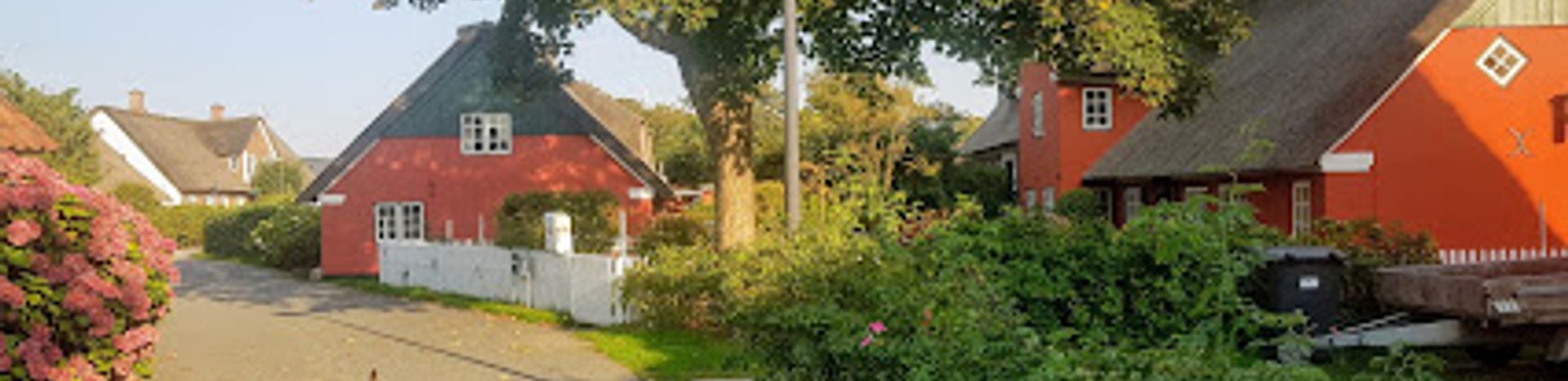
Albue Fuglekøje (Albue Duck Decoy), Fanø
A preserved duck decoy tucked into Fanø’s dunes and pines, where quiet paths and old earthworks reveal how islanders once trapped wild ducks for a living.
Hidden in the quiet hinterland of Fanø, Albue Fuglekøje is a historic duck decoy set among pine woods and low dunes near Albue Bay. Once a working bird trap using curved netted channels and trained decoy ducks, it now serves as an open-air glimpse into the island’s maritime hunting heritage. Simple paths, grassy clearings and information boards invite an unhurried wander, combining cultural history with a peaceful nature walk in the Wadden Sea landscape.
A brief summary to Albue Fuglekøje
- Albuevej 41, Fanø, 6720, DK
- Duration: 0.5 to 1 hours
- Free
-
 Outdoor
- Mobile reception: 3 out of 5

Know before you go
Hi, I'm Eve. Here are a few practical things to know before exploring Albue Fuglekøje.
- Wear sturdy shoes suitable for sandy, occasionally rooty forest paths, especially after rain when sections can be soft or muddy.
- Bring binoculars to spot birds around Albue Bay and along the approach, particularly during spring and autumn migration.
- Visit in the morning or late afternoon for softer light on the pond and channels, and a quieter, more atmospheric experience.
- Pack water and snacks as there are no food outlets or shops at the decoy; treat it as a short nature stop rather than a full facility site.
Do you manage this location?
Take control to get all the benefits, like improved information, better appearance, and stronger visibility across AI-powered discovery. Learn more
Activate your presenceOther nearby places you may find interesting
Getting There
-
Car from Nordby on Fanø
From Nordby, the main town on Fanø, reaching Albue Fuglekøje by car typically takes around 15–20 minutes. The drive follows paved island roads before a short stretch on narrower access road close to the site. There is usually free parking near the trailhead, but spaces are limited in peak summer. Fuel and charging options are only in the towns, so plan accordingly.
-
Bicycle from Nordby
Cycling from Nordby to Albue Fuglekøje generally takes 30–45 minutes each way, depending on your pace and wind conditions. The route combines quieter island roads and sections with cycle-friendly shoulders. Expect some gentle gradients and occasional strong headwinds. There is no fee for access, but bring water and a lock, as bike racks are simple or improvised near the start of the path.
-
Walking from nearby holiday areas
If you are staying in holiday houses or campsites in the northern part of Fanø, Albue Fuglekøje can often be reached on foot in 30–60 minutes. Paths are sandy and can be uneven, with tree roots and low dunes, so it is best suited to reasonably fit walkers with good footwear. There is no cost to enter the site, but the walk is exposed to wind and weather, so pack layers and rain protection.
For the on-the-go comforts that matter to you
-
 Information Boards
Discover more about Albue Fuglekøje
An old duck decoy in a quiet Fanø corner
Albue Fuglekøje sits at the edge of Albue Bay on northern Fanø, tucked between low dunes, heather and wind-shaped pines. Here, away from the beach crowds, the landscape feels sheltered and intimate, with sandy paths leading you into a clearing where the historic duck decoy unfolds. The structure once formed the heart of a working bird trap, part of a tradition that helped islanders make a living from the rich birdlife of the Wadden Sea.The site is compact and easy to grasp, yet the surrounding nature gives it a surprising sense of space. You hear the wind in the trees and the calls of wading birds drifting in from the bay, while the outlines of ponds, banks and channels guide your eye through what looks at first like a curious garden but is in fact a carefully engineered hunting system.How the duck decoy once worked
A fuglekøje is essentially a large pond with several narrow, curving arms or "pipes" covered by netting. Wild ducks were lured into the pond by tame decoy ducks and by the promise of quiet water and food. Once they relaxed on the surface, the decoy man would appear at the right moment, gently driving the flock along one of the winding pipes until they were completely enclosed and could be caught.At Albue Fuglekøje you can follow the outline of this system around the central pond. Low embankments and the shape of the channels show how the ducks were coaxed further in, bend by bend, never startled into flight. Simple signs explain the process, turning what might look like a mysterious earthwork into a clear and intriguing piece of rural engineering.From working trap to heritage landscape
Duck decoys were once an important source of meat and income on Fanø, especially in the 19th century when the island balanced seafaring with small-scale farming and hunting. As regulations changed and modern hunting methods took over, the decoys lost their economic role and slowly fell silent. Albue Fuglekøje survives as a preserved example, maintained as part of the island’s cultural landscape rather than as a functioning trap.Walking here gives a quiet sense of how closely people once read wind, water and bird behaviour. The design speaks of patience and knowledge rather than brute force, using shelter, food and the natural wariness of wild ducks to guide them step by step. Today that ingenuity is interpreted for visitors, while the site blends back into heath and woodland.A gentle walk with subtle Wadden Sea views
The approach to Albue Fuglekøje feels like a modest forest walk, with sandy, often slightly rooty paths and occasional glimpses through the trees. The wind is usually present, but the woodland offers shelter compared with the open west coast. Once at the decoy, small clearings allow you to stand and take in the pond and channels from different angles.A short detour towards nearby vantage points such as Annedalsbjerg brings low but far-reaching views over Fanø’s flat interior, the salt marshes and the wide arc of Albue Bay. In clear weather you can sense the Wadden Sea stretching beyond, with its rhythm of tides that still shapes the island’s nature and birdlife.Practical visit: simple, free and unhurried
Albue Fuglekøje is freely accessible, with no entrance fee and no formal facilities at the decoy itself beyond basic information boards and simple places to pause. The atmosphere is informal; you are trusted to explore respectfully, keep to paths and close any gates you pass. Most visitors spend less than an hour here, often combining it with a wider circuit of Fanø’s dunes, beaches and villages.Because it is small-scale and outdoors, the experience changes with the seasons. In spring and summer, birdsong and bright greens soften the historic structures; in autumn, the colours shift to browns and golds and the wind feels more insistent. Even on grey, breezy days, the site offers a calm, slightly secluded stop within the larger Wadden Sea landscape, ideal for anyone interested in quiet places where nature and cultural history meet.Explore the best of what Albue Fuglekøje has to offer













More about The North Sea Islands
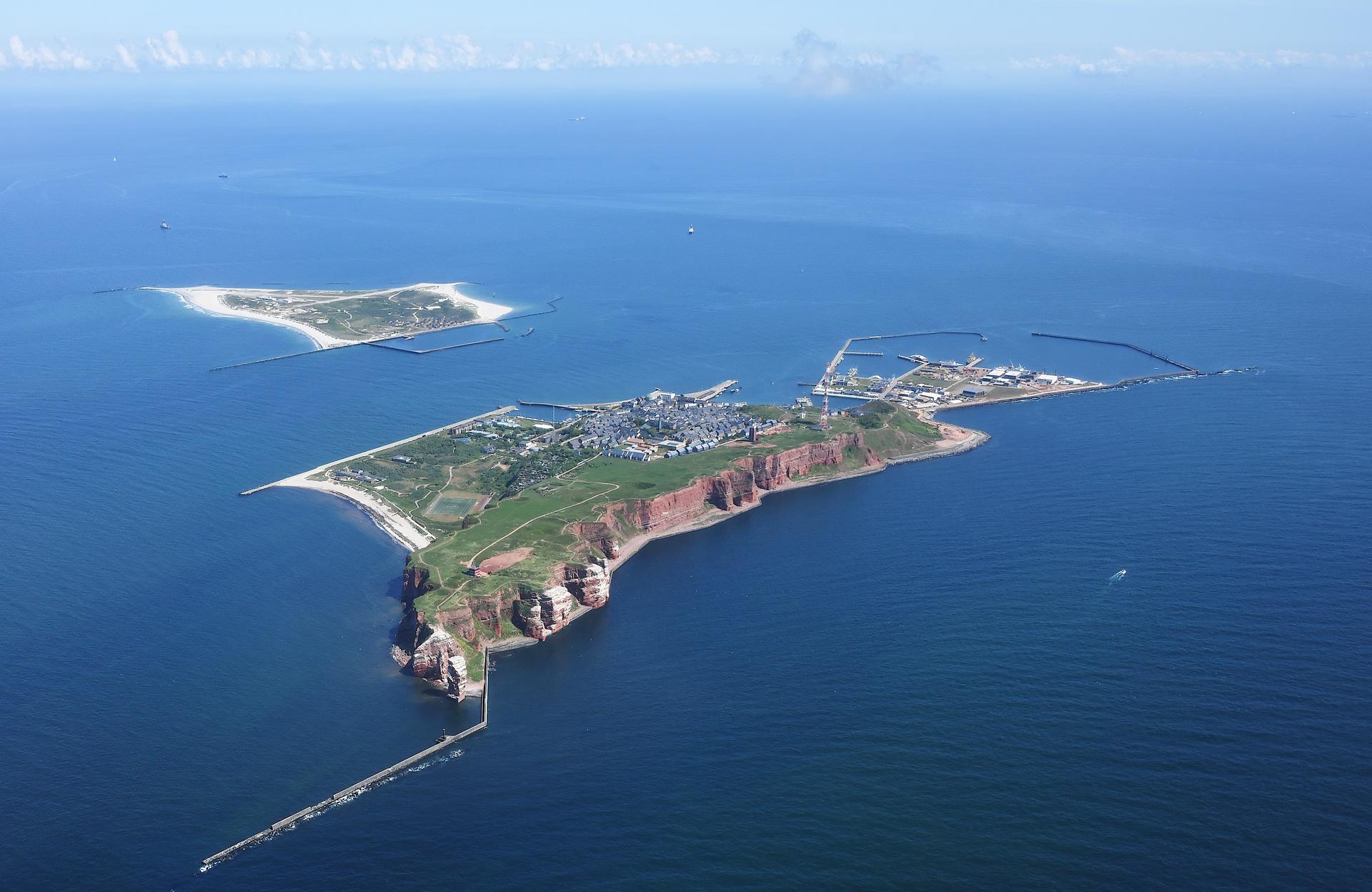
Discover the North Sea Islands of Denmark: idyllic sandy beaches, vibrant local culture, and unique natural landscapes await you on Fanø, Rømø, and Mandø.
Tell me more about The North Sea Islands
A quiet dune top on Fanø where 19th‑century surveyors fixed their instruments, this modest trigonometrical station now offers big skies, wind, and quiet reflection.
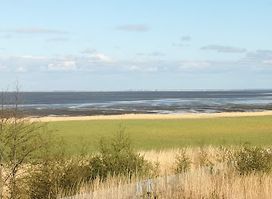
Historic 19th‑century duck decoy in Fanø’s heathland, where tranquil woodland paths, a restored trapping pond and Wadden Sea views tell the island’s waterfowl story.
