Krudttårnet, Frederikshavn Travel Guide
Free Guide: A 17th‑century gunpowder tower turned harbourfront museum, where naval history, bold engineering and Frederikshavn’s maritime story meet in one compact landmark.


A brief summary of Krudttårnet
A 17th‑century gunpowder tower turned harbourfront museum, where naval history, bold engineering and Frederikshavn’s maritime story meet in one compact landmark.
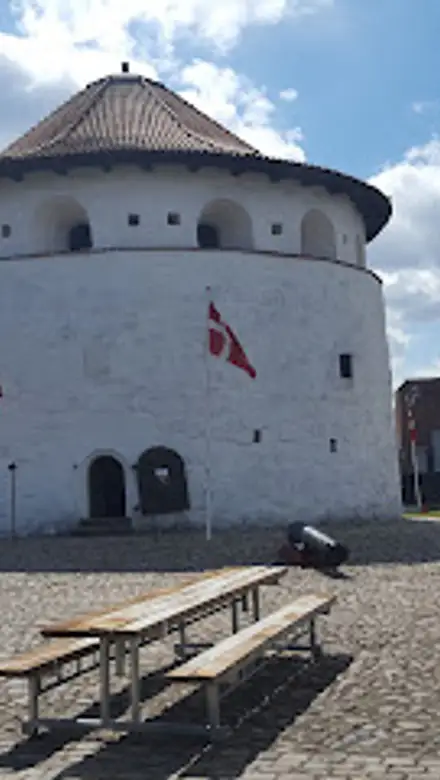
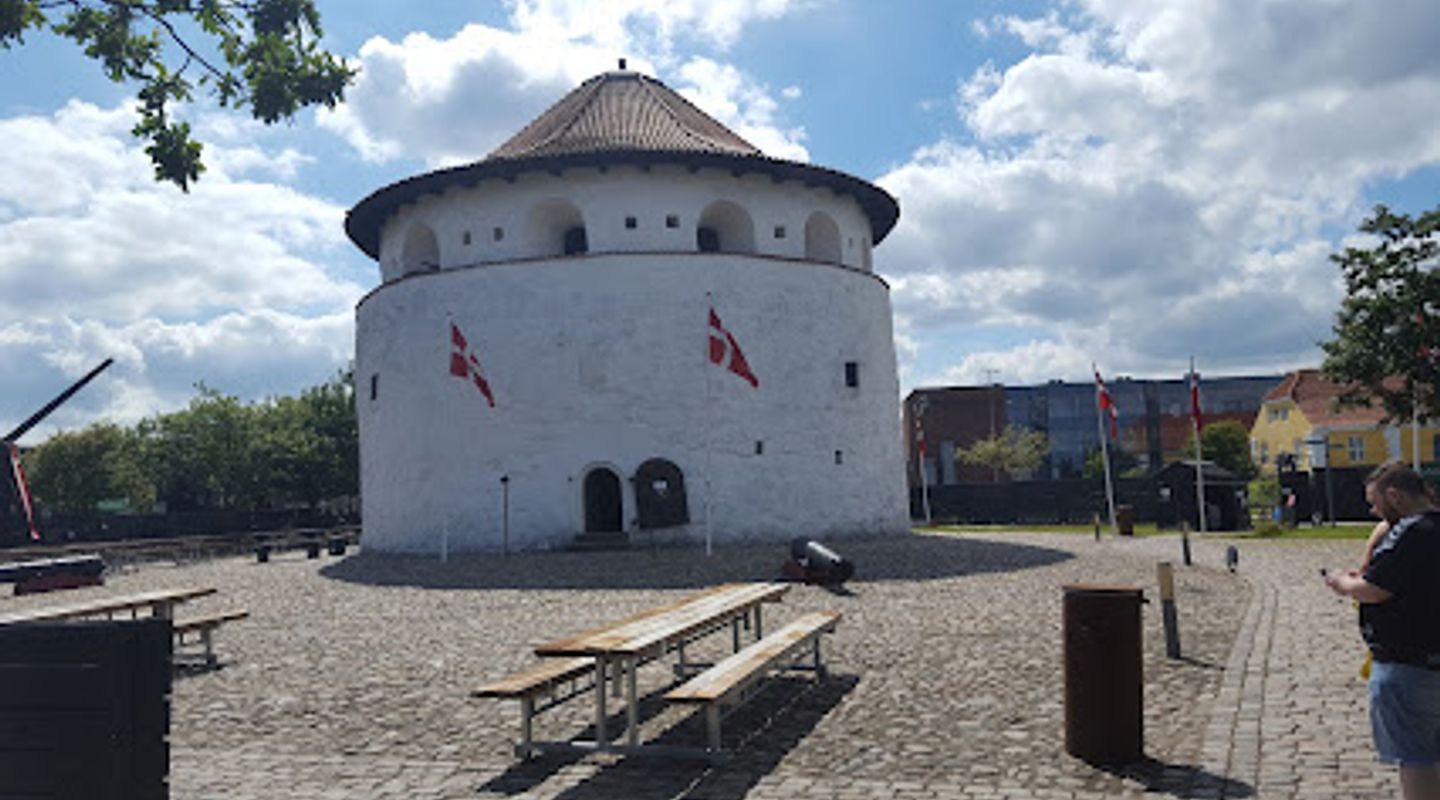
Rising beside Frederikshavn’s harbour, Krudttårnet is a robust 17th‑century gunpowder tower that once guarded Denmark’s northern coastline. Built between 1686 and 1690 as part of the Fladstrand fortifications, this round Martello‑style tower later supported the Danish fleet during the Great Northern War and was dramatically moved 270 m in one piece in the 1970s to make way for shipyard expansion. Today it serves as a compact maritime and military museum with cannons, naval stories and summer events.
On-site amenities
 Restrooms
 Drink options
 Food options
 Seating areas
 Sheltered areas
 Trash bins
 Information boards
- Address
- Kragholmen 2, 9900 Frederikshavn
- Phone
- Website
Getting there
Train and walking from Aalborg
Car from Skagen and regional surroundings
Local bus within Frederikshavn
Foot access from Frederikshavn ferry terminal
Discover more about Krudttårnet
Seafront Stronghold of the Old Fladstrand
Krudttårnet stands like a stone sentinel on Kragholmen, a rounded tower that once formed the core of the coastal defences for the old trading settlement of Fladstrand, today’s Frederikshavn. Constructed between 1686 and 1690, it was designed to store gunpowder safely while withstanding bombardment from the sea. The thick masonry walls, small openings and compact footprint reflect a single, uncompromising purpose: to keep the harbour operational and the fleet supplied.Its strategic location at the entrance to the harbour meant that ships approaching the coast did so under the watchful eye of the tower and its associated batteries. From here, the Danish navy could control access to the Kattegat and the routes further north towards Norway. Even as the town around it changed from fishing outpost to industrial port, the rounded silhouette of Krudttårnet remained a constant landmark.
War, Fleet and a 4,500‑Ton Relocation
During the Scanian War and later the Great Northern War, Krudttårnet served as an important support point for the Danish fleet. Powder, shot and supplies were kept within its vaulted interior, ready to be distributed to the guns defending the harbour approaches. The building’s simple exterior concealed a highly functional military heart that helped secure one of Denmark’s key naval gateways.By the 1970s a new challenge appeared: the expansion of Frederikshavn’s shipyard. Instead of demolishing the old tower, engineers undertook a remarkable feat. The 4,500‑ton structure was braced with concrete rings, carefully jacked up and slowly pushed and pulled about 270 metres to a new position. Completed in 1975, this move preserved the historic building in its entirety and added a modern chapter of engineering ingenuity to its long story.
Inside the Powder Tower Museum
Today Krudttårnet functions as a small museum focused on naval warfare, local fortifications and the evolution of Frederikshavn as a harbour town. Stepping inside, you find exhibits of gunpowder barrels, cannonballs and weapons that evoke the thunder of past battles. Informative displays outline the tower’s role in coastal defence, its involvement with the fleet and the dramatic relocation of the building.On the upper level, the unique roof construction becomes visible, a sturdy timber framework designed to carry weight and withstand the elements. Here, cannons are displayed on what once served as the fighting deck, allowing you to imagine gunners loading and firing at hostile ships. From the embrasures, glimpses of the modern port create a striking contrast between centuries-old masonry and steel shipbuilding.
Tordenskiold’s Town and Living History
In summer the area around Krudttårnet often transforms into a historical townscape inspired by Tordenskiold, the famed Danish-Norwegian naval hero, and the period when Fladstrand played a role in his campaigns. Temporary wooden houses, stalls and tents appear near the tower, staffed by guides in historical costume who bring the 18th century to life through stories, demonstrations and playful activities.Family-friendly games, simple crafts and hands-on experiences give younger visitors an accessible way into the maritime history of the region. The tower itself is usually included in this living history environment, allowing you to combine a conventional museum visit with a more theatrical encounter with the past. Even outside event periods, the open apron around the tower offers clear views and ample space to appreciate its maritime setting.
A Compact Stop on the Frederikshavn Waterfront
Krudttårnet is a relatively small site, making it ideal for a short but rewarding stop on a wider exploration of Frederikshavn’s harbourfront. The surrounding open ground and views over docks and ferries highlight the town’s continuing role as a maritime hub. Information panels and the tower’s clean lines make it a straightforward place to understand: there is one main building, a focused story and a strong sense of place.Whether you come for a quick photo stop or linger inside the museum, the tower offers a tangible link between modern shipyards and centuries of naval history. Its survival and relocation testify to the value placed on heritage in an otherwise utilitarian port landscape, and its sturdy stone form continues to anchor the waterfront skyline.
Evendo Review Centre
 Google
Guest reviews
Best time to go
Quietest: Jan, Feb & Nov · before 7am or from 8pm
Busy times are Evendo estimates for a typical year, to help you plan. Actual crowds vary with events, school holidays and the weather.
Explore Krudttårnet on the map
A handpicked selection of must-see spots near Krudttårnet, mapped for you.
Get your free copy of our complete guide to Krudttårnet, delivered straight to you.
Everything on this page, from opening hours and how to get there to Eve’s tips and the best time to go, in one PDF you can read offline, print or share.
Already have an account? Sign in
Your Krudttårnet guide is ready.
We'll send it to · Not you? Sign out

Getting your guide ready…
We are putting together a fresh copy of the Krudttårnet guide. This can take up to a minute.
This can take a few moments. If your browser asks, choose Allow so the download can start. You'll find the guide in your Downloads folder.
Nothing happened? Download it again
Sorry, the guide is taking longer than usual. Please try again in a minute, or get it by email instead.
Other nearby places you may find interesting
The closest places of the same kind, if this one is not quite what you had in mind.
-
-
-
-
-


Swipe for more places
More to explore near Krudttårnet

 Best experiences near Krudttårnet
 Best hotels near Krudttårnet
 Best landmarks near Krudttårnet
 Best attractions near Krudttårnet
 Best shops near Krudttårnet
 Best restaurants near Krudttårnet
 Best bars near Krudttårnet
Do you manage this location?
Take control to get all the benefits, like improved information, better appearance, and stronger visibility across AI-powered discovery.
Explore more

Explore more of Frederikshavn
Explore Frederikshavn, Denmark's coastal gem, where history, scenic beaches, and vibrant maritime culture combine to create an unforgettable travel experience.
Explore Frederikshavn
Explore more of Denmark
Discover Denmark: A perfect blend of history, modern design, and the cozy concept of hygge. Explore vibrant cities, serene landscapes, and world-class cuisine.
Explore Denmark