Nordre Skanse, Frederikshavn Travel Guide
Free Guide: Grassy historic earthworks overlooking Frederikshavn’s harbour and the Kattegat, where simple ramparts, sea views and open sky tell a quiet coastal story.


A brief summary of Nordre Skanse
Grassy historic earthworks overlooking Frederikshavn’s harbour and the Kattegat, where simple ramparts, sea views and open sky tell a quiet coastal story.
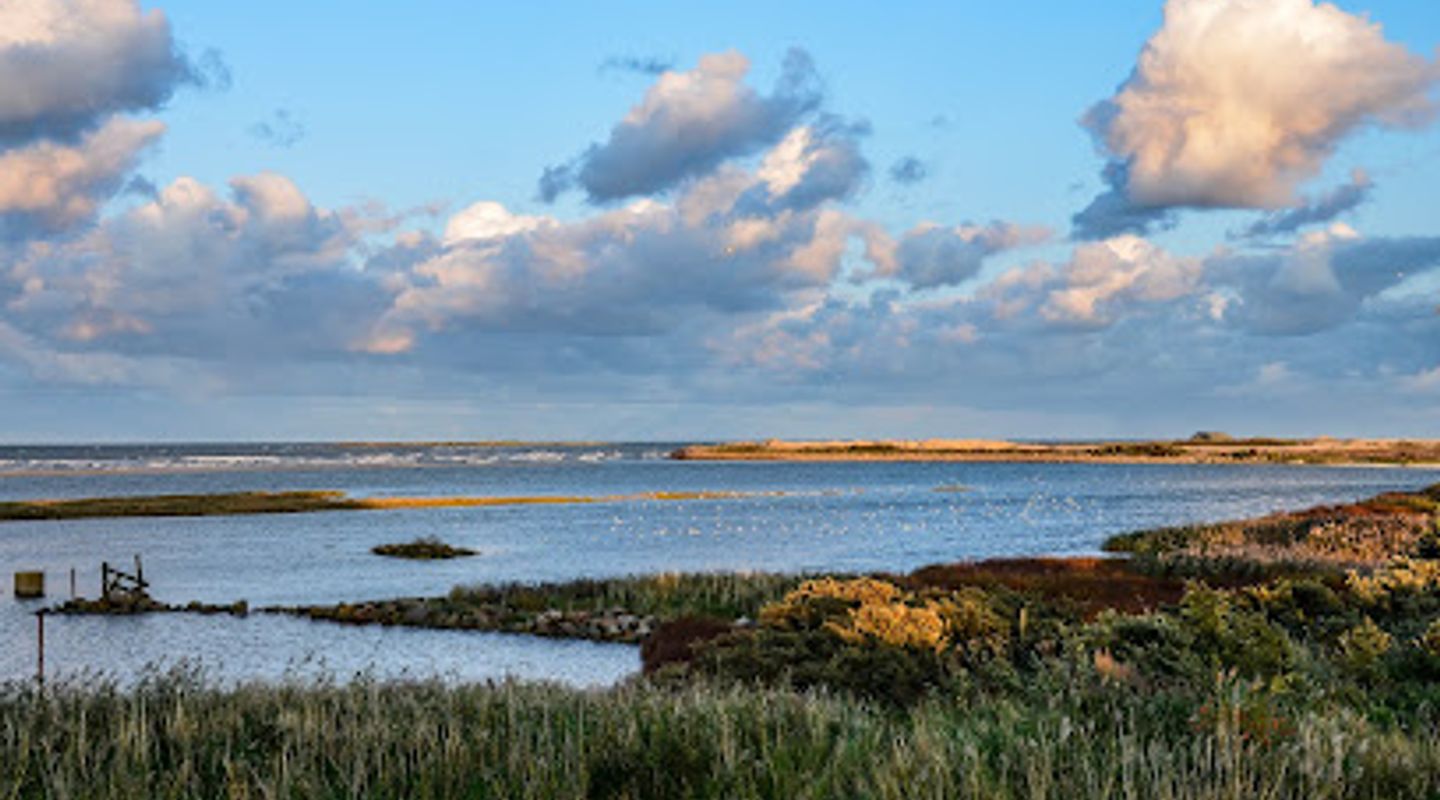
Nordre Skanse is a low, grass‑covered coastal fortification on the northern edge of Frederikshavn, overlooking the Kattegat. Built as one of the town’s earliest defensive works, its earth ramparts, shallow moat and open interior now form a peaceful green space with views toward the harbour, marina and the coast of Sweden on clear days. Simple, atmospheric and free to enter, it’s an easy stop for a short historical wander or a contemplative seaside pause.
On-site amenities
 Seating areas
 Trash bins
 Information boards
Opening hours
- Every dayOpen 24 hours
Opening hours as listed on the venue’s Google Business Profile. Hours can change for services and special events, so check with the venue before you go.
- Address
- Nordre Skanse 46, 9900 Frederikshavn
Getting there
Train and local bus from Frederikshavn Station
On foot from central Frederikshavn
Car or taxi within Frederikshavn
Discover more about Nordre Skanse
Earthworks Above the Kattegat
Nordre Skanse sits on a gentle rise above the shoreline north of central Frederikshavn, its low grass embankments tracing the outline of a historic coastal fort. The shape is simple but striking: broad earth ramparts enclosing an open centre, with a shallow moat still visible in places and wide views toward the Kattegat. Though the cannons are long gone, the geometry of defence is easy to read in the curves and angles of the landscape.Walking up onto the ramparts, you gain a modest but satisfying vantage point over the northern harbour, marina and sandy beaches stretching toward Palmestranden. On clear days the horizon is punctuated by passing ferries and, further away, the silhouette of Sweden across the water. The combination of sea air, trimmed grass and big sky gives the site a quietly maritime character.
From Fladstrand Outpost to Coastal Memory
Before Frederikshavn grew into a modern ferry port, the area was known as Fladstrand, a modest settlement guarding this stretch of coast. Nordre Skanse formed part of the earliest defensive works here, an outpost intended to monitor and protect shipping lanes through the Kattegat. Built as an earthwork rather than a stone fortress, it could be raised relatively quickly using local materials while still providing a platform for artillery.Over time, as technology changed and new harbour facilities were developed further south, the strategic importance of Nordre Skanse faded. The earthworks survived because they were robust, adaptable and easy to maintain as open green space. Today the fort stands less as a military installation and more as a tangible reminder of the town’s longstanding relationship with the sea and the need to guard its approaches.
A Green Ring for Quiet Strolls
For visitors, the appeal of Nordre Skanse lies in its simple, open layout. Paths and mown grass invite you to wander at your own pace, circling the ring of ramparts or crossing the interior where soldiers once drilled. The slopes are gentle enough for most walkers, though the ground can be uneven, especially after rain. Children often treat the embankments as low hills to climb, turning former defences into a natural playground.There is little in the way of built infrastructure inside the fort itself; benches and seating spots tend to be scattered around the surrounding green areas rather than formalised. This lack of development keeps the space feeling local and unpretentious, more like a neighbourhood park infused with history than a heavily curated attraction. It is easy to combine a short loop here with a walk along the nearby shore.
Views, Light and Changing Seasons
Because the fort stands slightly above its surroundings and is free of tall structures, it offers open skies and shifting light throughout the day. Early morning brings soft illumination over the harbour, while late afternoon and evening can bathe the ramparts in warm tones as the sun tilts toward the west. Low winter light, mist from the sea and the muted colours of grass and water give the site a quietly atmospheric feel outside the summer months.In summer, the combination of salt breeze and green banks makes Nordre Skanse a pleasant spot to pause during a beach day or a coastal walk. In colder months, the exposed position can feel brisk and windy, but that same exposure reinforces the fort’s original purpose: to watch over an often rough and unpredictable sea. Each season adds a slightly different character to what remains, at heart, a simple earthwork overlooking the water.
Link in a Chain of Coastal Places
Nordre Skanse does not stand in isolation. Just below lies a small harbour serving local boats, and within walking distance are beaches, marinas and other traces of Frederikshavn’s maritime story. Spending time on the ramparts provides a sense of how the town’s defences, trade and everyday life have long been oriented toward the sea.Seen this way, the fort becomes a quiet viewing platform onto both landscape and history. The curves of earth, the line of the coast and the distant traffic of ships all flow together. Without needing elaborate exhibits or heavy interpretation, Nordre Skanse offers a compact, open‑air lesson in how geography shaped this corner of northern Jutland.
Evendo Review Centre
 Google
Guest reviews
Best time to go
Quietest: Jan, Feb & Mar · before 8am or at 9pm
Busy times are Evendo estimates for a typical year, to help you plan. Actual crowds vary with events, school holidays and the weather.
Explore Nordre Skanse on the map
A handpicked selection of must-see spots near Nordre Skanse, mapped for you.
Get your free copy of our complete guide to Nordre Skanse, delivered straight to you.
Everything on this page, from opening hours and how to get there to Eve’s tips and the best time to go, in one PDF you can read offline, print or share.
Already have an account? Sign in
Your Nordre Skanse guide is ready.
We'll send it to · Not you? Sign out

Getting your guide ready…
We are putting together a fresh copy of the Nordre Skanse guide. This can take up to a minute.
This can take a few moments. If your browser asks, choose Allow so the download can start. You'll find the guide in your Downloads folder.
Nothing happened? Download it again
Sorry, the guide is taking longer than usual. Please try again in a minute, or get it by email instead.
Other nearby places you may find interesting
The closest places of the same kind, if this one is not quite what you had in mind.
-
-
-
-
-


Swipe for more places
More to explore near Nordre Skanse

 Best experiences near Nordre Skanse
 Best hotels near Nordre Skanse
 Best landmarks near Nordre Skanse
 Best attractions near Nordre Skanse
 Best shops near Nordre Skanse
 Best restaurants near Nordre Skanse
 Best bars near Nordre Skanse
Do you manage this location?
Take control to get all the benefits, like improved information, better appearance, and stronger visibility across AI-powered discovery.
Explore more

Explore more of Frederikshavn
Explore Frederikshavn, Denmark's coastal gem, where history, scenic beaches, and vibrant maritime culture combine to create an unforgettable travel experience.
Explore Frederikshavn
Explore more of Denmark
Discover Denmark: A perfect blend of history, modern design, and the cozy concept of hygge. Explore vibrant cities, serene landscapes, and world-class cuisine.
Explore Denmark