
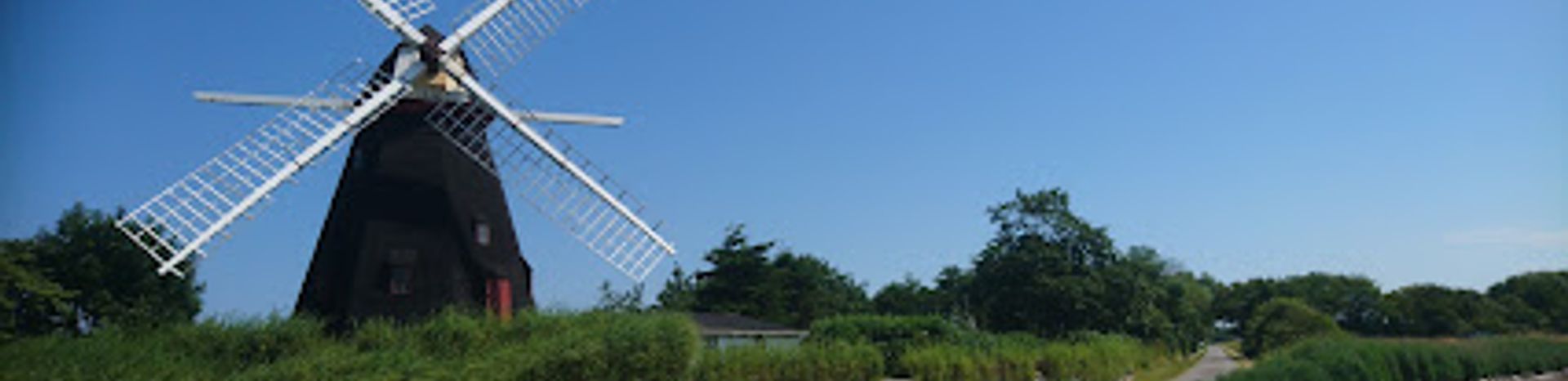
Gyldensteen Strand Nature Reserve
A rewilded coastal landscape of lagoons, lakes and reeds where birds, big skies and the Kattegat sea reclaim former farmland on Funen’s north coast.
Gyldensteen Strand is Funen’s largest nature restoration project, a 616-hectare coastal reserve just outside Bogense where the sea has been invited back onto former farmland. A tapestry of shallow coastal lagoon, freshwater lake and reed beds now attracts vast flocks of birds, grazing seals and a rich plant life. Boardwalks, well-marked trails, bird towers and an informative nature room make it easy to explore this rewilded landscape, whether you come for serious birdwatching, a slow walk in big skies or a picnic with wide-open views of the Kattegat.
A brief summary to Gyldensteen Strand
- Bogense, 5400, DK
- Duration: 1.5 to 4 hours
- Free
-
 Outdoor
- Mobile reception: 4 out of 5
- Monday 12 am-12 am
- Tuesday 12 am-12 am
- Wednesday 12 am-12 am
- Thursday 12 am-12 am
- Friday 12 am-12 am
- Saturday 12 am-12 am
- Sunday 12 am-12 am
Local tips
- Bring binoculars or a zoom lens; much of the birdlife is best appreciated from the observation towers and embankments at a respectful distance.
- Wear waterproof or windproof layers—open coastal conditions can feel much cooler than in Bogense, even on bright days.
- Stick strictly to marked paths and respect seasonal access signs to protect nesting birds and the restored wetlands.
- Pack food and water; there are picnic tables and a simple nature room but no cafés or shops inside the reserve itself.
- Time an evening visit for clear weather to enjoy wide-open sunset views over the coastal lagoon and the Kattegat.

For the on-the-go comforts that matter to you
- Restrooms
- Seating Areas
- Sheltered Areas
- Picnic Areas
- Trash Bins
- Information Boards
- Visitor Center
- Drinking Water
Getting There
-
Car from Bogense town
From central Bogense, driving to the main parking areas at Gyldensteen Strand typically takes 10–15 minutes, as the reserve lies a few kilometres northwest of town on minor country roads. Access is free, and parking at the designated lots near Eriksholm and other entrances does not usually require payment. Spaces can fill up on sunny weekends and during peak bird migration, so allow a little extra time then.
-
Bicycle from Bogense area
Cycling from Bogense to Gyldensteen Strand is a pleasant option, usually taking 25–40 minutes each way along relatively flat rural roads and farm tracks. The route is exposed to wind and can feel demanding in strong onshore breezes, but gradients are gentle. There is no specific fee for bringing a bicycle, and you can park and lock it at the reserve’s entrances before continuing on foot along the walking paths.
-
Taxi within Nordfyn
Local taxis in the Nordfyn area can bring you from Bogense to Gyldensteen Strand in around 10–15 minutes, depending on where you start in town. Fares are typically in the range of 120–220 DKK one way for up to four passengers, varying with time of day and waiting time. Taxis are a practical option if you are travelling with optics or camera gear and prefer door-to-door travel rather than cycling or combining services.
Gyldensteen Strand location weather suitability
-
 Clear Skies
-
 Mild Temperatures
-
 Cold Weather
-
 Any Weather
-
 Windy Conditions
Discover more about Gyldensteen Strand
From Fjord to Fields and Back Again
Until the late 19th century, Gyldensteen Strand was a shallow fjord on the north coast of Funen, shaped by wind, tide and migrating birds. Later it was diked, drained and turned into fertile fields, part of a broader Danish push to reclaim land from the sea. Over a century of farming left deep cultural traces, but it also silenced the shallow waters and wetlands that once teemed with life. In the early 21st century, everything changed again. The nature foundation Aage V. Jensen Naturfond bought the 616-hectare area and began dismantling dikes, letting the Kattegat sea flood back in. Today the site is one of Denmark’s flagship restoration projects, demonstrating how a cultivated landscape can be returned to functioning coastal nature within just a few years.Lagoon, Freshwater Lake and Whispering Reeds
The reserve is divided into distinct zones, each with its own atmosphere. To the north a broad coastal lagoon stretches out, rarely more than a metre deep, its calm surface ruffled by wind and dotted with sandbanks that appear and disappear with the tide. On still days the sky is mirrored perfectly, only broken by the silhouettes of waders and ducks. Inland lies Engsø, a large freshwater lake formed where fields once stood. Around it, reed beds and wet meadows create a soft green fringe, buzzing with insects in summer and turning golden-brown in autumn. Between these two water worlds, dry embankments and plantations offer shelter and elevated viewpoints, giving you sweeping vistas over the entire mosaic.Birdlife on a Grand Scale
Gyldensteen Strand has rapidly become one of Funen’s premier bird areas, drawing both casual walkers and seasoned birders. Shallow wetlands attract breeding waders, ducks, geese and terns, while large numbers of resting waterfowl in turn lure birds of prey such as White-tailed Eagle and Peregrine Falcon. In spring and autumn the air can seem in constant motion, with flocks rising and settling as if the landscape itself were breathing. Well-placed bird towers and hides, including the converted Langø Mill and several accessible platforms, give close yet respectful views. Information boards help you decode what you are seeing, from elegant avocets sweeping their upturned bills through the shallows to tiny ringed plovers dashing along the shore. Even without binoculars, the sheer abundance of life is striking.Paths, Picnic Spots and Nature Room
A network of waymarked trails and farm tracks makes the area easy to explore on foot or by bicycle. Some paths follow old embankments with water glittering on both sides, while others wind through plantations and along the edge of the freshwater lake. Benches and picnic tables invite you to pause, listen to the wind in the reeds and watch clouds drift across the big northern sky. Near the historic farm buildings at Eriksholm you find a simple nature room: an open, roofed space with tables, benches and interpretive displays. Here you can eat your packed lunch under cover while learning more about the restoration project, its geology, and the wildlife that has returned. In the warmer months, volunteers sometimes open a former barn to share stories and answer questions about the area’s transformation.Quiet Drama of Sea, Sky and Seasons
Despite its size and ecological drama, Gyldensteen Strand feels gentle and contemplative. The strongest impressions are often sensory rather than spectacular: the rustle of dry reeds, the faint calls of geese drifting over at dusk, or the scent of salt and seaweed on a cool onshore breeze. On clear evenings, sunsets over the lagoon can be particularly memorable, with the low sun turning water and mudflats into bands of copper and silver. The reserve is open from early morning to sunset, and each season brings its own mood. Spring offers migrating birds and fresh greens; summer is rich with insects, flowers and the hum of life; autumn paints the landscape in ochres while flocks gather; winter pares everything back to minimal lines of water, sky and dark hedgerows, sometimes dusted with frost. Whatever the time of year, the underlying theme is the same: a landscape in motion, once tamed, now given room to be wild again.Iconic landmarks you can’t miss

TheDoorOdense
22.7 km
Experience innovative architecture and 600 years of seafaring history at the award-winning M/S Maritime Museum, nestled below Helsingør’s iconic waterfront.
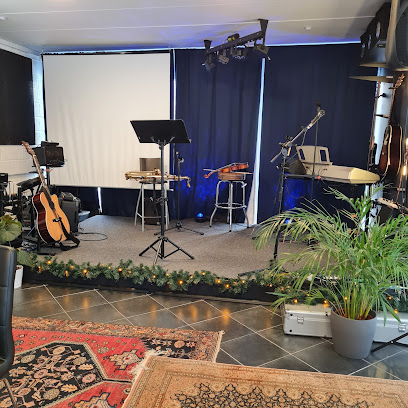
Kirsebærtræer, Ny Kongevej
23.9 km
Odense's longest cherry blossom avenue, where community passion transforms a neighborhood street into springtime magic.
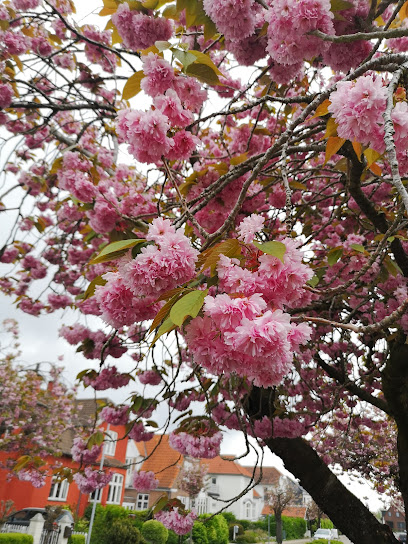
EM-statue-1992 (Richard Møller Nielsen)
24.0 km
Small in size but huge in symbolism, this Odense statue honours the local coach who led Denmark to its unforgettable Euro 1992 triumph.
Fredericia Vold
24.5 km
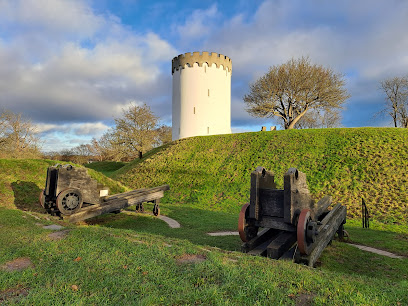
Northern Europe's best-preserved fortress ramparts, where 370 years of Danish military history meets urban parkland.
Odense St.
24.9 km
Central rail and bus hub of Funen, Odense Station links Denmark’s mainlines with the city’s historic heart, light rail and cultural sights in one integrated complex.

Skyggen, rejseskammeraten og improvisatoren
24.9 km
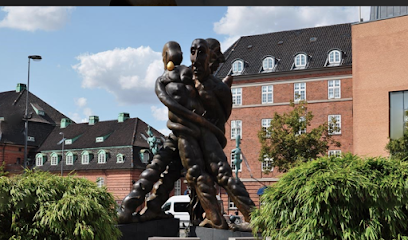
A towering, threefold portrait of Hans Christian Andersen that greets you outside Odense Station with colour, symbolism and quietly dramatic storytelling.
visit
25.2 km
Experience Odense's premier cocktail bar, Visit, where classic and innovative drinks meet in a cozy, inviting atmosphere.

Oceania
25.4 km
A bold, reclining bronze goddess that provokes, delights, and defines Odense's artistic identity.

Papirbåden | H.C. Andersen
25.6 km
A delicate paper boat turned gleaming sculpture, Papirbåden floats on Odense’s Fairytale Garden lake, quietly celebrating H.C. Andersen’s “Steadfast Tin Soldier.”

Enebærodde
25.8 km
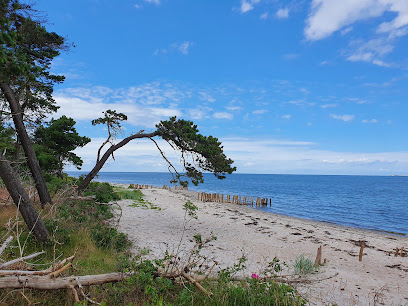
A pristine coastal peninsula where Denmark's largest heath meets the fjord—nature in its purest form.
Munke Mose Park
25.8 km
Award-winning maritime museum ingeniously sunk into a former dry dock at Helsingør, offering interactive exhibitions on Denmark’s seafaring history next to Kronborg Castle.

Odense Dyrskueplads
26.0 km
Experience the cultural heartbeat of Funen at Odense Dyrskueplads, a premier venue for festivals, fairs, and community events in Odense.

Odense Zoo
26.5 km
Experience cutting-edge Danish and Nordic contemporary art in a sophisticated gallery setting, steps from Amalienborg Palace in central Copenhagen.
Bunkermuseum Of Odense
27.1 km
Step beneath Odense to explore a preserved Cold War-era civil defense bunker packed with original equipment, interactive exhibits, and chilling local history.
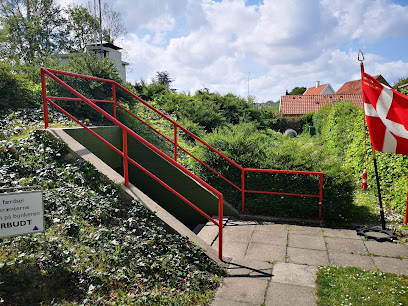
Træskohage fyr
27.5 km
An awe-inspiring Gothic cathedral at the heart of Odense, steeped in royal history as Denmark’s only sainted king’s final resting place.
Unmissable attractions to see

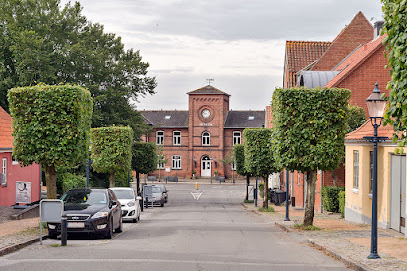
Nordfyns Museum
4.0 km
Intimate local museum preserving North Funen's heritage through archaeology, crafts, and everyday artifacts.
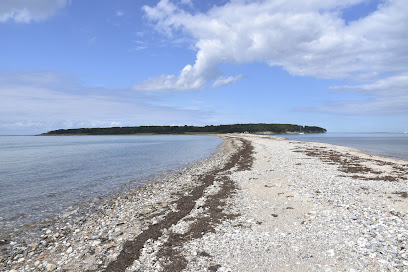
Æbelø
7.1 km
An uninhabited Danish island reached by wading through the sea, Æbelø is a tidal wilderness of cliffs, forest, deer and sea eagles just off the coast of Funen.
The Glavendrup Stone
12.0 km
Step into the Viking Age at Ladby, Funen’s only authentic ship burial site, showcasing a millennium-old chieftain’s grave and immersive Norse history by Kerteminde Fjord.
Kongsdal Åben Have
14.7 km
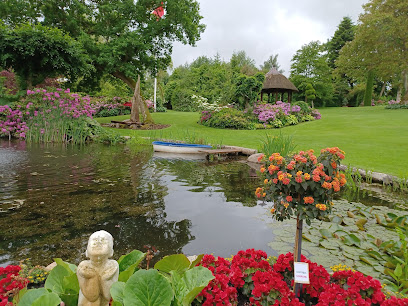
Expansive private garden on North Funen with a central lake, rich planting and tranquil seating nooks, offering a serene, design-led escape in rural Denmark.
Besættelsesmuseum Fyn... Besættelsesmuseum Fyn er kun åben den første søndag i måneden fra kl 11 til 15.
16.5 km
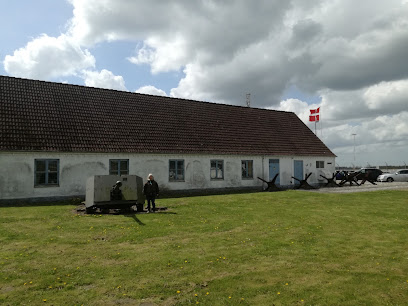
Compact but powerful war museum near Odense airport, revealing how Funen lived, resisted and endured during the German occupation from 1940 to 1945.
Lumby Mølle
20.4 km
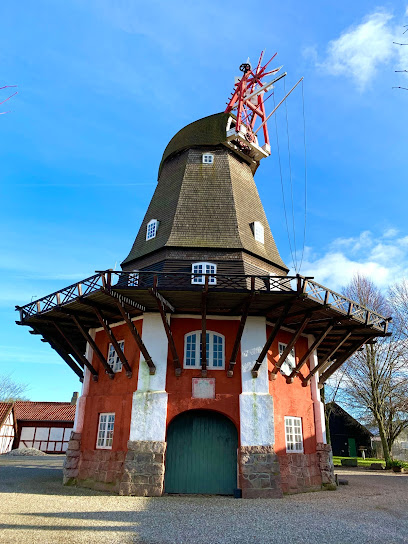
Working 1820 village windmill on Odense’s northern edge, where historic machinery, apple gardens and lively seasonal events bring rural Denmark to life.
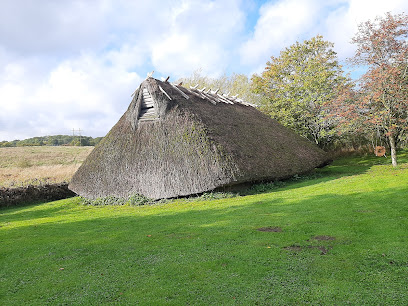
Jernalderlandsbyen Odins Odense
20.4 km
Step into a living Iron Age settlement on Odense’s edge, where reconstructed longhouses, hands‑on activities and gentle countryside turn history into an immersive day out.
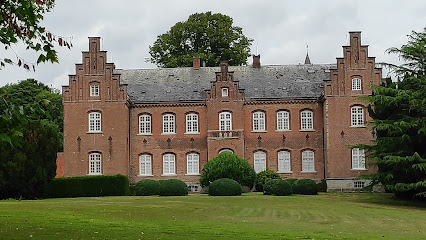
Erholm Gods A/S
21.1 km
Historic Funen manor with a romantic landscape park, forests and a charming regional food market set in atmospheric farm buildings.
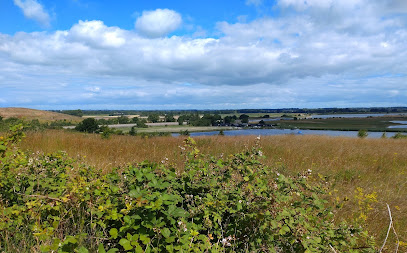
Sortehusene
22.6 km
Living history museum in Odense where you can step into 19th-century rural Denmark, explore authentic farm buildings, and experience Funen’s vibrant cultural heritage.
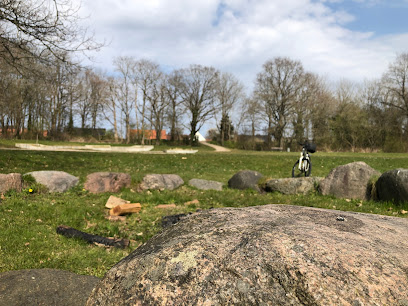
Skjoldsparken bålsted 1
23.5 km
Community sports park in Odense's spirited western neighbourhood, where local pride and Nordic heritage meet recreational opportunity.
Hans Hulehånd af Thomas Dambo
23.6 km
Hunt for a hidden giant troll crafted from recycled dreams in Odense's enchanted forest.
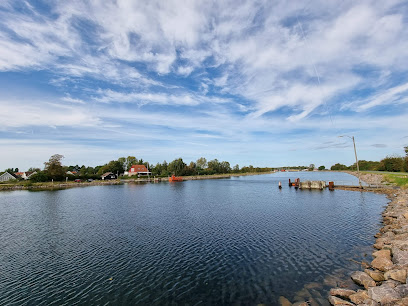
Street Art - Odense Havn
23.8 km
Colossal black‑and‑white animals climb old grain silos at Odense Harbour, turning raw industrial concrete into a striking, free open‑air artwork by the water.
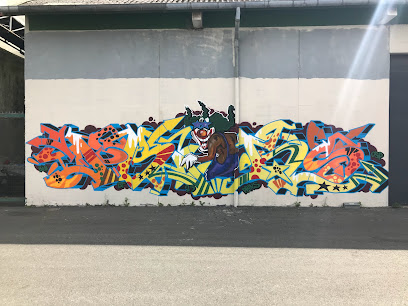
Richard Møller Nielsens Plads
24.0 km
A modest suburban square in Odense V that quietly honours Denmark’s Euro 1992 coach beside the city’s main football stadium complex.

North Atlantic House
24.1 km
A waterfront cultural village in Odense Harbour, where striking Nordic architecture, North Atlantic art, storytelling and cuisine meet beside the water’s edge.
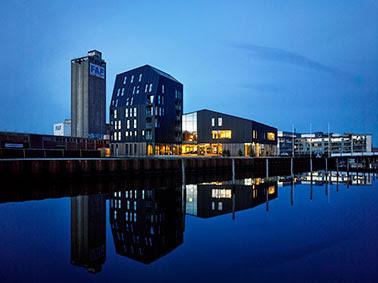
Promenaden Treppe
24.1 km
A simple waterside staircase where Odense’s fjord path dips towards the water, inviting you to sit, slow down, and soak in big skies and quiet coastal scenery.
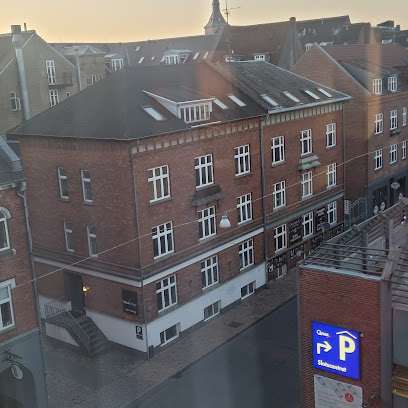
Essential places to dine

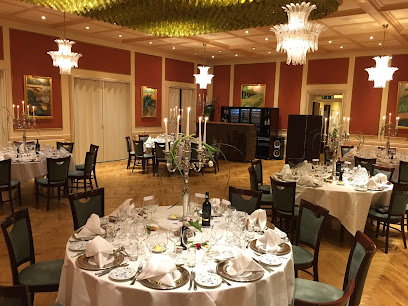
Restaurant Næsbyhoved Skov
23.6 km
Woodland restaurant by Odense Harbour, pairing classic Danish cuisine and seasonal menus with leafy views, bright banquet rooms and easy access to forest paths.
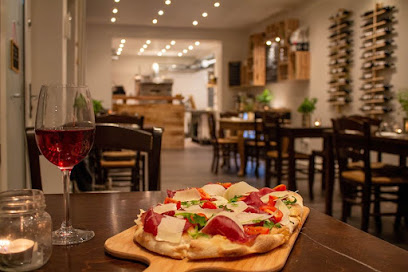
Pinsame Odense ApS
23.9 km
Roman-style pinsa in an unfussy Odense neighborhood setting, serving long-fermented, crisp-yet-airy bases with both classic and creative toppings for dine-in or takeaway.
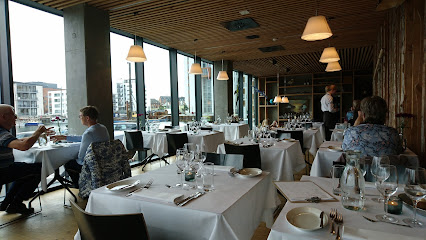
Restaurant Nordatlanten ApS
24.0 km
Refined North Atlantic cuisine and harbour views meet under one roof at Odense’s Nordatlantisk Hus, where seasonal ingredients and Nordic design shape a memorable meal.
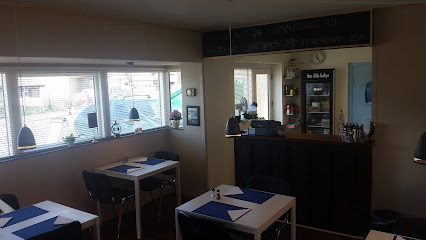
Den Lille Kabys
24.1 km
Hearty Danish comfort food in a former harbour weighing station, serving generous weekday lunches steps from the water at Odense Havn.
Ti Trin Ned
24.6 km
Waterfront Michelin-starred dining in Fredericia, where Nordic minimalism, local ingredients and Little Belt views come together in a refined tasting menu experience.
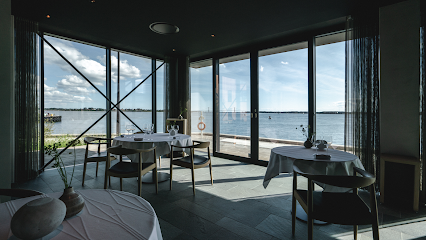
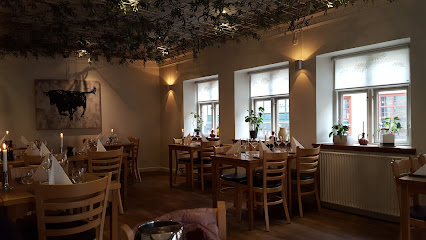
Restaurant Sezer v/Askin
24.7 km
Cosy Odense neighborhood steakhouse and Italian-inspired eatery serving generous plates, grilled favorites and comfort classics in a warm, easygoing atmosphere.
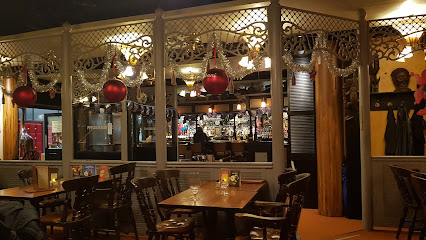
Giraffen
24.9 km
Hearty Danish comfort food and a casual bar atmosphere right inside Odense’s main station, ideal for hungry travelers and locals on the go.
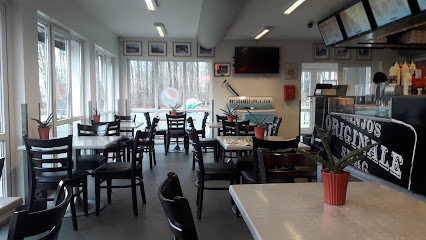
Banjo's
24.9 km
Unpretentious Odense grillbar serving classic Danish smørrebrød, hotdogs, burgers and ribbensteg in a casual, everyday setting on Sandhusvej.
GOMA
24.9 km
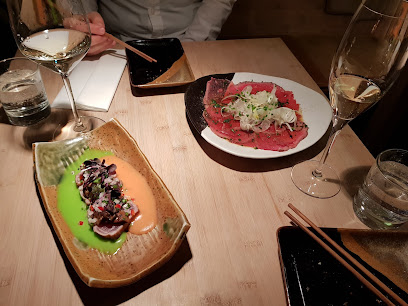
Refined omakase-inspired Japanese dining in the heart of Odense, blending Nordic ingredients, meticulous sushi and crafted drinks in an intimate urban setting.
Restaurant Flammen - Odense
24.9 km
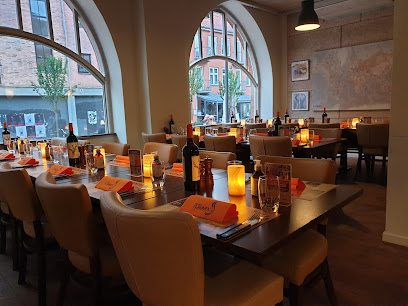
Big-flavour grill buffet, glowing open kitchen and family-friendly feasts in the heart of Odense’s bustling Kongensgade.
Restaurant HOS
24.9 km
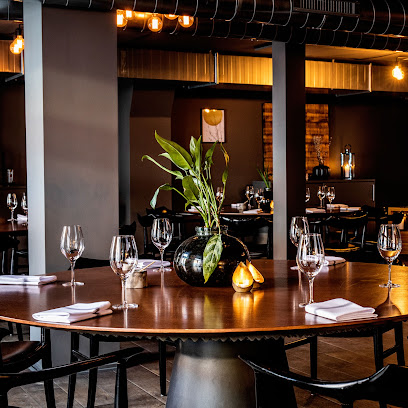
Intimate Nordic dining in central Odense, serving elevated smørrebrød by day and seasonal set menus by night in a calm, minimalist setting on lively Kongensgade.
I Pupi Siciliani
24.9 km
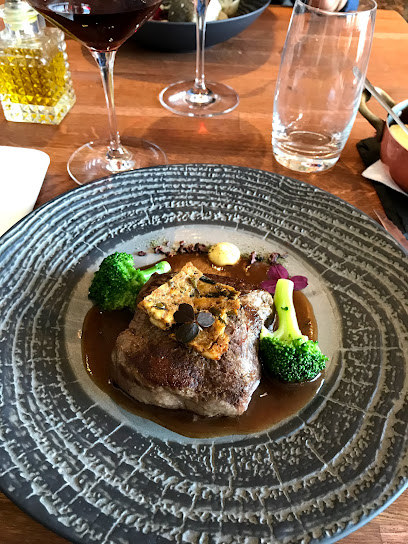
Intimate Sicilian restaurant in central Odense, serving seasonal tasting menus, handmade pasta and robust southern Italian flavours in a warm, candlelit setting.
Bone's Odense
25.0 km
Family-friendly American barbecue in the heart of Odense, with saloon-style interiors, slow-cooked ribs, salad and soft-ice bar, and space for relaxed group dinners.
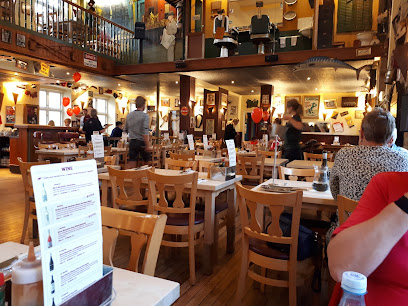
KÖZ Resturant
25.1 km
Authentic Turkish grilling and traditional cuisine in Odense's vibrant city center.
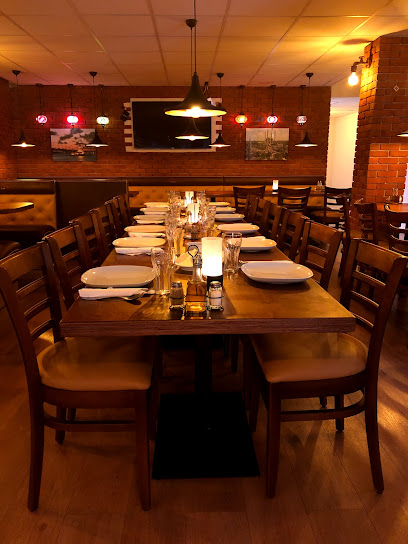
Restaurant Værdsat
25.1 km
Informal Scandinavian gourmet in central Odense, where seasonal Funen produce, playful menus and a warm neighborhood atmosphere meet from lunch until late.
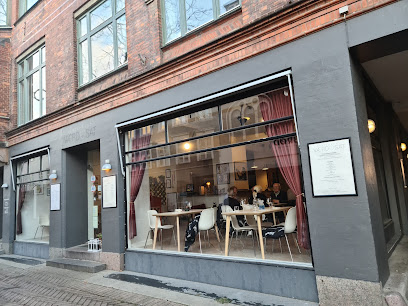
Markets, malls and hidden boutiques

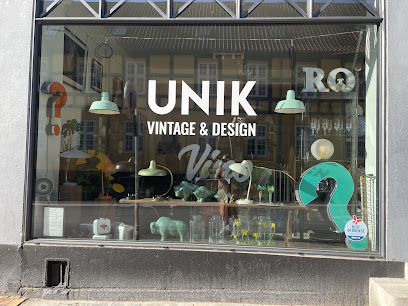
Unik Vintage & Design
18.5 km
Rustic antique and vintage design haven on Odense’s northern fringe, where reclaimed furniture, Danish classics and characterful décor find new life in cozy interiors.
Tarup Center
22.4 km
Everyday Odense under one roof: a compact, light-rail-connected mall for easy groceries, casual shopping and relaxed family time in the Tarup district.
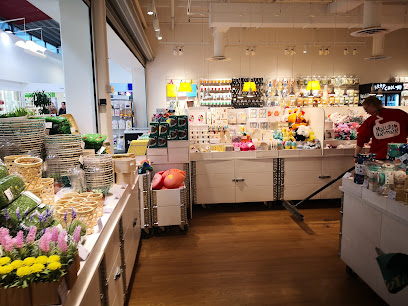
Butik Nordatlanten i Odense
24.1 km
Small but beautifully curated harbour shop in Nordatlantisk Hus, showcasing design, crafts and delicacies from Greenland, Iceland and the Faroe Islands.
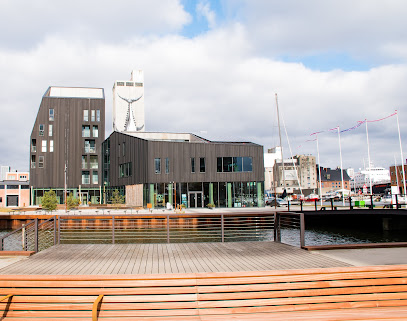
Klassisk Design
24.5 km
An intimate Odense showroom dedicated to restored Danish design classics, where mid‑century furniture by iconic architects finds a new life in contemporary homes.
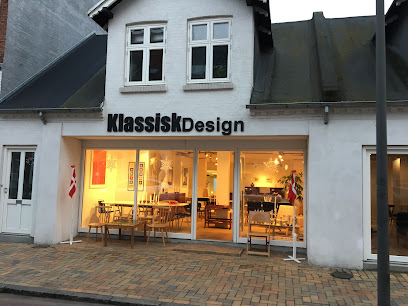
Dorthe Riber - Trend of Wear
24.5 km
Owner-run Odense boutique offering Scandinavian-inspired everyday fashion, warm personal service and carefully chosen pieces on lively Skibhusvej.
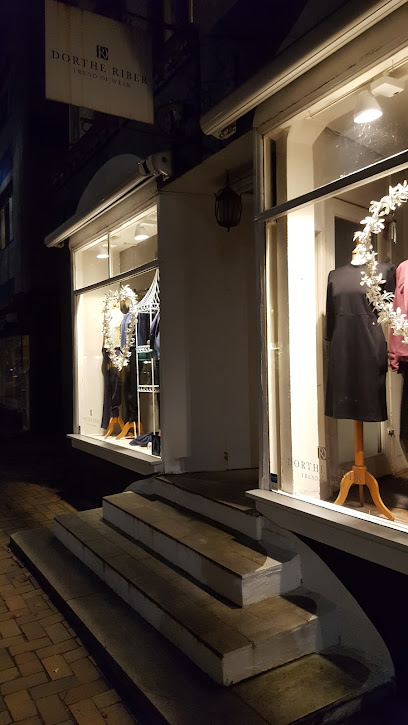
Veda Womenswear Denmark
24.6 km
A cozy neighborhood womenswear boutique in Odense C, offering a curated rack of wearable Danish-style pieces in a calm, morning-only shopping atmosphere.
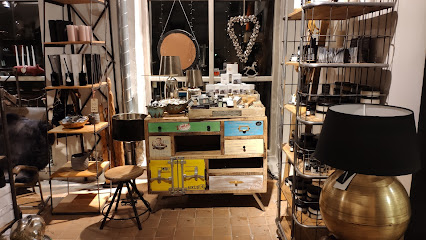
ButikZoom
24.6 km
Industrial-chic furniture and décor in a former Odense industrial setting, blending raw materials, moody lighting and Nordic restraint into a compact design showcase.
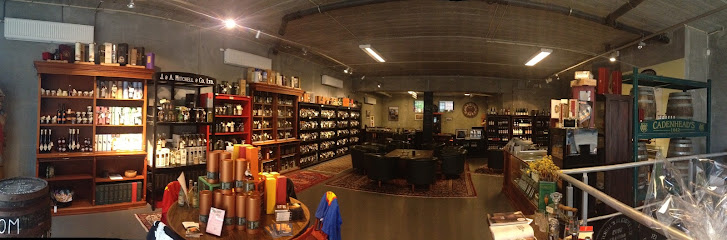
Cadenhead's Whisky Shop, Denmark
24.8 km
A spacious, lounge‑like whisky specialist in central Odense, pairing rare independent bottlings with relaxed tastings and knowledgeable, down‑to‑earth guidance.
Hipstory | SHOWROOM ODENSE
24.9 km
Educational art celebrating history's most influential figures in contemporary design.
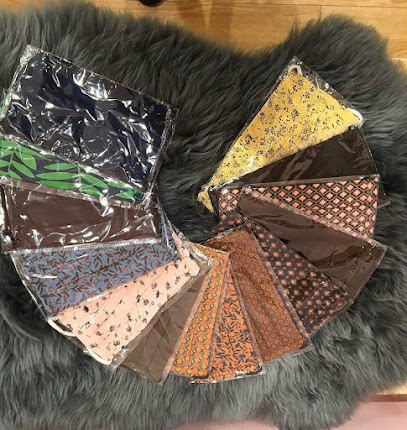
Asian Stitching & Applied Arts v / Hong Diem Phan
24.9 km
A small Odense atelier where Asian tailoring craft, careful alterations and garment repair give your favourite clothes a better fit and a longer life.

Faraos Cigarer
25.1 km
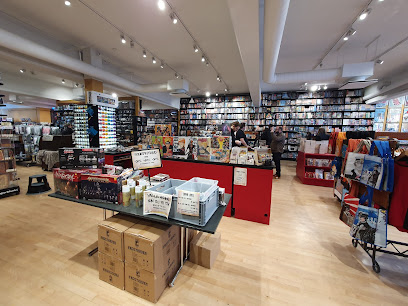
A vast 600 m² universe of comics, games, miniatures and cosplay, Faraos Cigarer Odense is the city’s colourful hub for Nordic geek culture and tabletop fun.
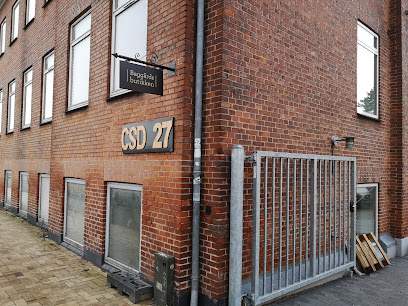
Baggårdsbutikken
25.1 km
Curated vintage and secondhand fashion in the heart of Odense's city center.
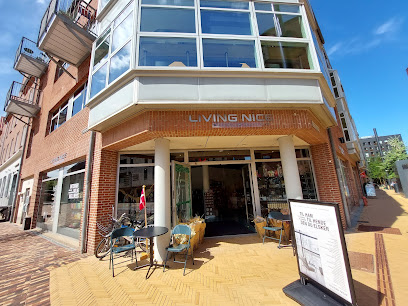
Living Nice / Café Kleist
25.1 km
Stylish hybrid café and design store in Odense’s Odeons Kvarter, where Scandinavian interiors meet French–Italian café indulgence in a relaxed, home-like setting.
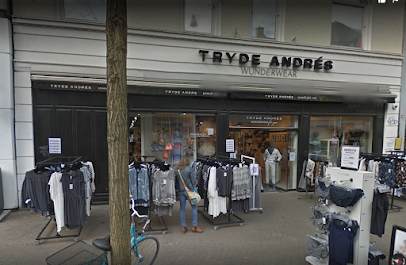
Tryde Andrés - Wunderwear - Odense C
25.2 km
Intimate Danish lingerie and swimwear boutique on Odense’s main shopping street, blending heritage, personal fittings and understated Scandinavian style.
Klods Hans
25.2 km
Characterful fairy-tale souvenir shop in Odense’s historic quarter, offering Andersen-themed gifts and Danish keepsakes in a cosy half-timbered setting.
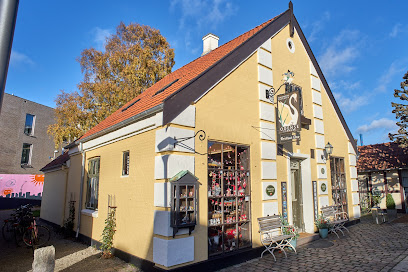
Essential bars & hidden hideouts

Bar Rar Ltd.
24.9 km
Intimate, candlelit cocktail bar in central Odense, pairing Nordic simplicity with carefully crafted drinks and a relaxed, late-night neighbourhood vibe.
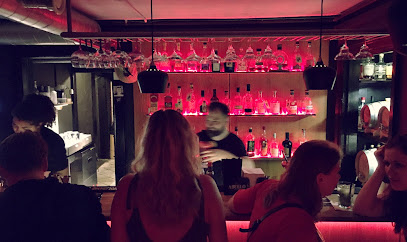
Vandpibe Cafe Odense - Casablanca lounge cafe
24.9 km
Cozy Odense shisha lounge blending Middle Eastern café culture with Danish hygge, soft music, and long, sociable evenings over fragrant hookah and drinks.
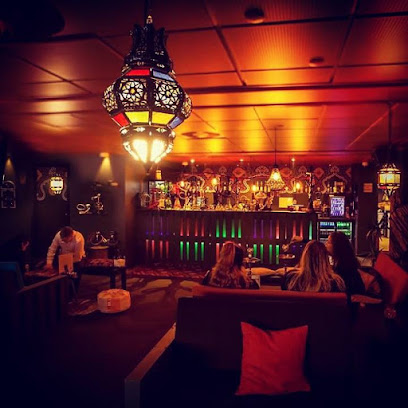
Pianobar odense
25.0 km
Lively late-night piano bar in the heart of Odense C, mixing sing-along classics, casual drinks and a compact, buzzing atmosphere on Kongensgade.
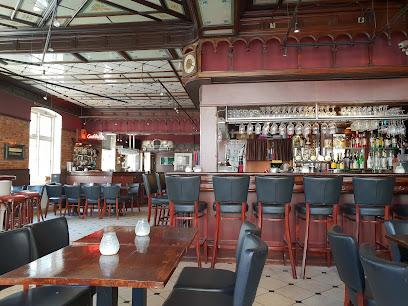
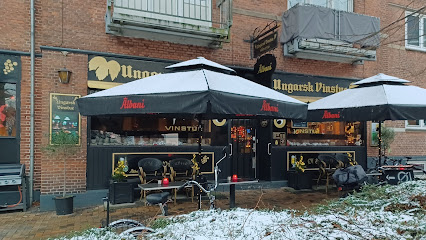
Ungarsk Vinstue
25.0 km
A warmly worn, dog-friendly brown bodega in central Odense, where cheap beer, local regulars and analog pub life keep a slice of old Denmark quietly alive.
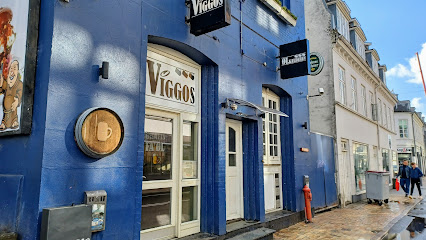
Viggos
25.0 km
Lively, wallet-friendly brown bar in central Odense, pouring cold draft beer, simple pub food and long, sociable nights for students, locals and night owls.
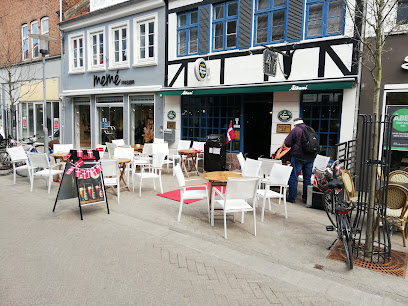
Pub 47 - Bills Pub
25.0 km
Smoky, old-school Danish pub energy in the heart of Odense’s main shopping street, with cheap beers, loud nights and a lived-in, brown-bar charm.
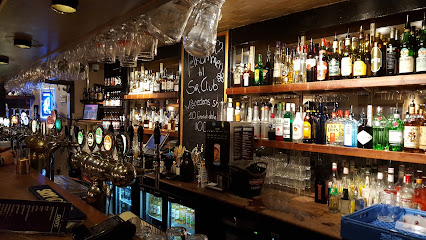
Sir Club
25.1 km
Long‑running Odense beer bar with 27 taps, quiz nights and a relaxed, lived‑in atmosphere where specialty brews and come‑as‑you‑are evenings take the spotlight.
The Boat House
25.2 km
A cozy, spirits-focused bar in central Odense, famed for its extensive whisky shelves, creative cocktails and laid-back themed evenings in soft, lounge-like surroundings.
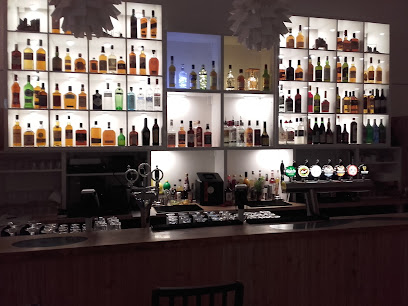
Grand Bar & Lounge
25.2 km
Sophisticated cocktails and refined ambiance in a historic 1897 building at the heart of Odense.

LA Tequila Bar Odense
25.2 km
Basement tequila shots, loud beats and a young crowd turn this Odense city‑centre bar into a compact late‑night party zone on weekend nights.
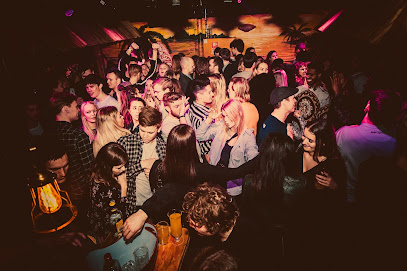
Christian Firtal
25.2 km
Odense's premier craft beer specialist with rotating taps and expert bartenders in a cozy pedestrian street setting.

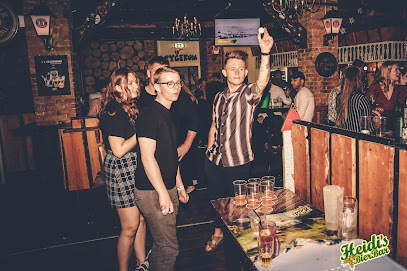
Heidi's Bier Bar Odense
25.3 km
Closed but not forgotten, this basement bar once turned central Odense into a roaring Alpine lodge of big steins, table dancing and unapologetic après-ski energy.
The Old Irish Pub
25.3 km
Odense's multi-level music venue where Irish tradition meets electronic beats across three unforgettable floors.

Bootleggers Craft Beer Bar - Odense C
25.3 km
Urban craft beer sanctuary on Odense’s Gråbrødre Plads, pouring rotating specialty brews, free popcorn and laid-back good times from afternoon until late night.
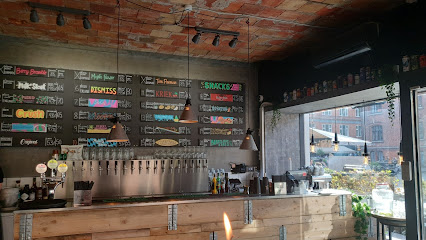
June Bar
25.3 km
Intimate candlelit cocktails, shareable tapas and a warm, relaxed buzz right in the heart of Odense’s nightlife district.
Nightclubs & after hour spots

AHA Livestage
24.3 km
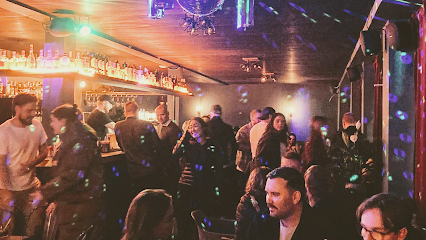
Intimate live music and cocktail-driven nightlife in the heart of Fredericia, where high-quality sound and curated events turn selected evenings into standout parties.
The slaughterhouse Nightclub & Eventhus
24.7 km
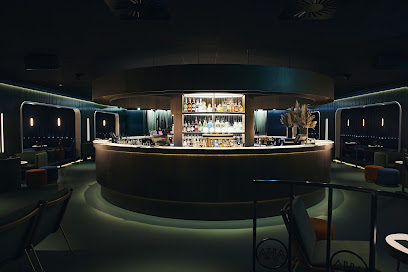
Experience industrial-cool nights, live music, and eclectic parties at The Slaughterhouse Nightclub & Eventhus, Odense’s dynamic hub for nightlife and contemporary culture.
Boogie Dance Café
25.3 km
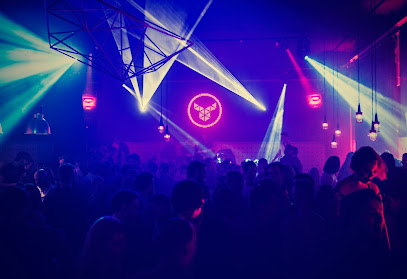
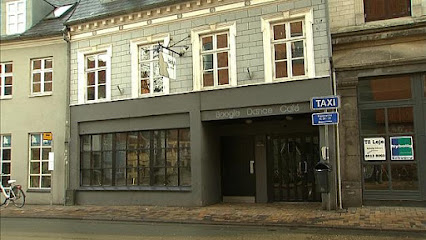
Odense's oldest disco where retro charm meets genuine community dancing.
Dansebar Odense
25.3 km
Lively central Odense nightclub with mainstream hits, colorful lights and a sociable dance floor vibe from late evening into the early hours.
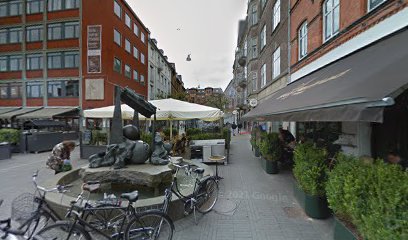
BUTCHERS Odense
25.5 km
High-energy nightclub on Odense’s Overgade, mixing pounding bass, lights and late-night drinks in a central old-town setting steps from major sights.
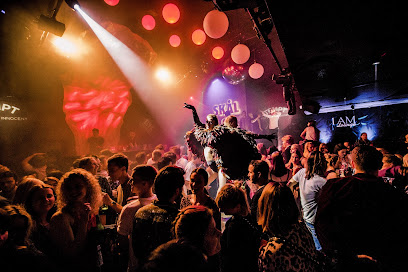
Dance Odense, Funen Square Dance Club
30.6 km
Community-driven square dancing in a cozy Odense neighborhood hall, where callers, patterns and shared rhythm turn an ordinary evening into a friendly social event.
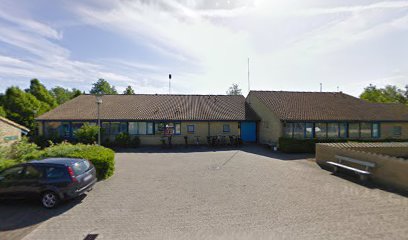
Horsens New Style Dance Club
35.5 km
Horsens' premier line dancing venue where beginners and advanced dancers unite in movement and community.
Oskar hossman
36.5 km
Compact, high-energy nightclub in central Horsens, where pulsing beats, colourful lights and a sociable crowd define the city’s after-hours heartbeat.
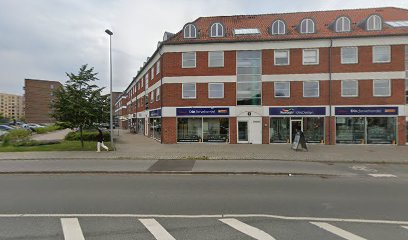
PDD
36.6 km
Compact, no-frills nightclub on Lindvigsvej in Horsens, offering late-night dancing, simple drinks and an intimate, local-party atmosphere on weekends.
Sölibat Natklub
36.9 km
Late-night, no-frills clubbing in central Horsens, where loud music, simple drinks and a compact dance floor create an unapologetically local party vibe.
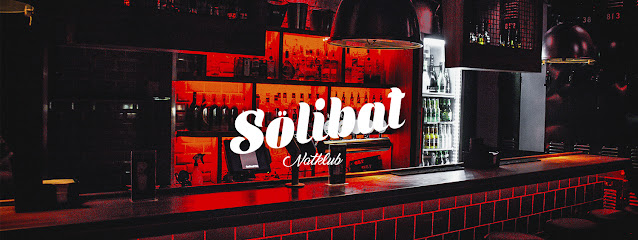
NOX Network Ltd.
37.3 km
Small-city Danish nightclub in Vejle with a central dance floor, upbeat chart music, and a straightforward, late-night party atmosphere.
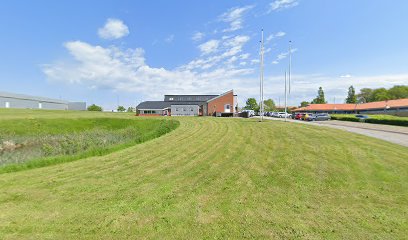
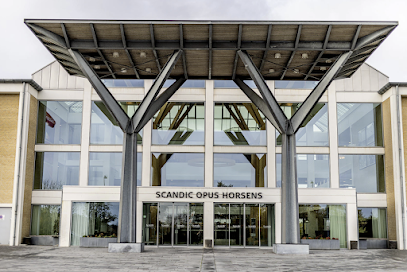
Scandic Opus Horsens
38.3 km
A contemporary Scandinavian hotel in Horsens with spa, dining, and panoramic city-to-nature views—an elegant gateway to both urban and outdoor experiences.
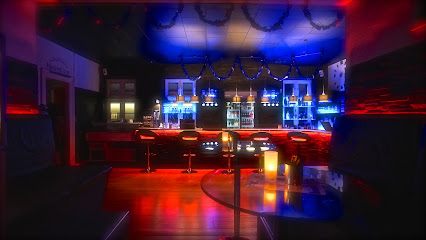
Tucan Swinger & wellness Club
38.6 km
Adults-only swinger and wellness retreat in rural Jutland, blending erotic exploration, spa comforts and themed rooms in a discreet, rules-based environment.
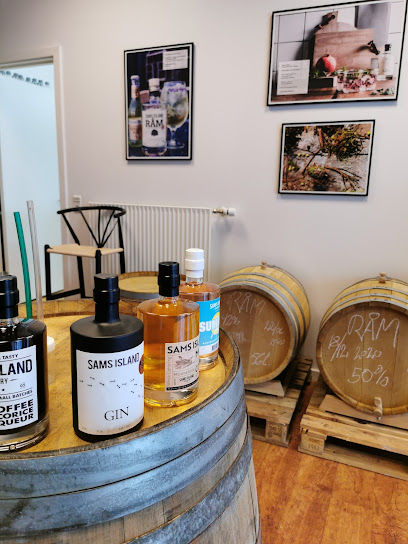
Samsø Island Distillery
39.9 km
Experience authentic Danish craftsmanship at Samsø Island Distillery, where local botanicals and sustainable practices fuse to create distinctive gin and aquavit on scenic Samsø.
Tartan Pub
40.8 km
A Scottish-inspired pub in the heart of Vejle, offering a vibrant mix of dance nights, craft brews, and cozy atmosphere perfect for locals and travelers alike.

For the vibe & atmosphere seeker
- Tranquil
- Scenic
- Relaxing
- Unique
- Adventurous
For the design and aesthetic lover
- Minimalist Designs
- Rustic Designs
For the architecture buff
- Parks & Gardens
- Viewpoints
For the view chaser and sunset hunter
- Iconic Views
- Panoramas
- Sunset Spots
For the social media creator & influencer
- Photo Spots
- Selfie Spots
- Reel-Friendly
- Architectural Shots
For the eco-conscious traveler
- Sustainable
- Eco-Friendly
- Low Impact
- Protected Area
- Nature Reserve
- Leave-No-Trace Critical
- Locally Managed
- Wildlife Habitat
- Public-Transport Accessible
For the kind of experience you’re after
- Nature Escape
- Photowalk
- Adventure Photo Shoot
- Mindfulness
- Day Trip
- Cultural Heritage
- Roadtrip Stop
For how adventurous you want the journey to be
- Easy Access
- Requires Hike
Location Audience
- Family Friendly
- Senior Friendly
- Child Friendly
- Teen Friendly
- Solo Friendly
- Couple Friendly
- Solo Female Friendly
- LGBT Friendly
- Vegetarian Friendly
- Vegan Friendly


