From Eve
Know before you go
Hi, I'm Eve. Here are a few practical things to know before exploring Copenhagen City Hall.
Local know-how to help you travel smarter and make the most of every moment.

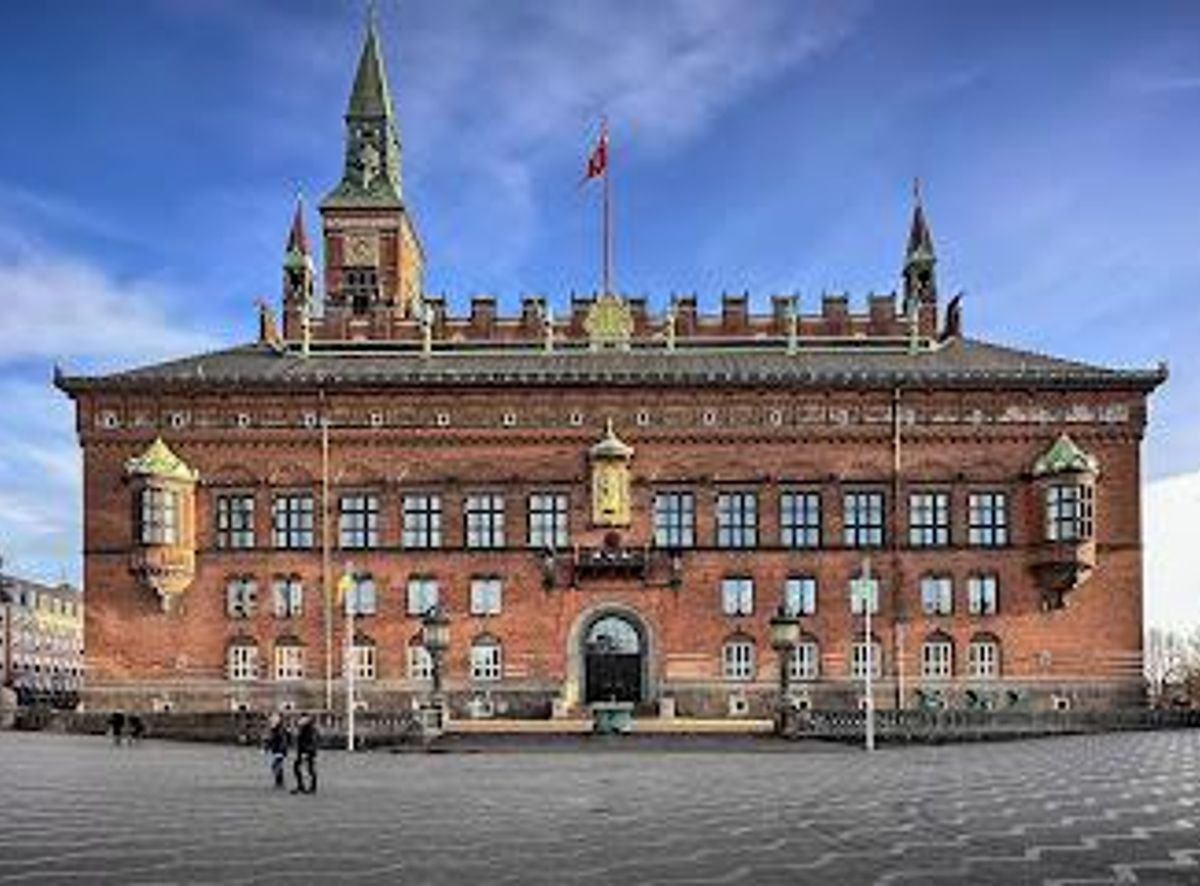
A towering National Romantic landmark where grand civic halls, an ingenious astronomical clock and sweeping tower views meet at Copenhagen’s central square.
Commanding one side of Copenhagen’s bustling City Hall Square, Copenhagen City Hall is a red-brick National Romantic landmark completed in 1905. Inspired by Italian town halls yet richly Nordic in detail, it mixes soaring clock tower, ornate façades and a vast central hall used for civic ceremonies and celebrations. Open to the public, it offers free access to grand interiors, a tranquil inner garden, and Jens Olsen’s extraordinary astronomical World Clock, plus paid tower visits for panoramic city views.
Opening times, essentials, and a few local tips gathered into one calmer, easier-to-scan planning section.
Hi, I'm Eve. Here are a few practical things to know before exploring Copenhagen City Hall.
Local know-how to help you travel smarter and make the most of every moment.
Metro from central Copenhagen
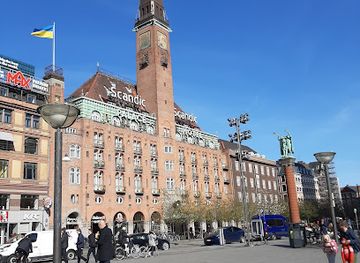
From most central districts, take the M1 or M2 metro line to Rådhuspladsen Station, which sits directly beneath City Hall Square. Travel time from hubs like Nørreport or Kongens Nytorv is typically 3–6 minutes, with frequent departures throughout the day. Standard single tickets for the required zones usually cost around 20–30 DKK and cover both metro and connecting buses.
Train and short walk from Copenhagen Central Station
If you arrive by regional or intercity train, disembark at Copenhagen Central Station and follow the main streets toward City Hall Square; the walk is generally 6–10 minutes on broad pavements suitable for luggage and strollers. Train journeys within the greater Copenhagen area commonly cost 25–40 DKK, depending on distance, and run at least every 10–20 minutes during the day.
City bus to Rådhuspladsen hub
Several city bus lines stop along the northern edge of City Hall Square, making it a convenient hub if you are coming from outer neighbourhoods. Typical travel times range from 15–30 minutes from residential districts, depending on traffic. A single bus ticket usually matches metro pricing at about 20–30 DKK, and buses run frequently from early morning until late evening.
Bicycle from nearby neighbourhoods
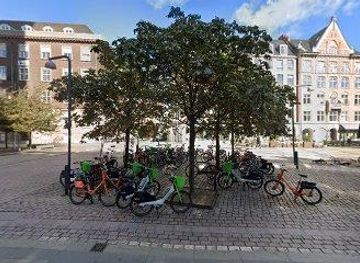
From inner-city areas such as Vesterbro, Nørrebro or Østerbro, cycling to City Hall typically takes 10–20 minutes along designated bike lanes. Numerous public bike-share schemes and rental shops in Copenhagen offer hourly or daily rates, often starting around 75–120 DKK per day. Bike parking racks are available around the square, though it can be busy at peak times.
 Restrooms
 Drink Options
 Drinking Water
 Food Options
 Seating Areas
 Sheltered Areas
 Trash Bins
 Information Boards
 Visitor Center
Catch the right light and the right mood, whether you want a bright city moment or a more cinematic evening visit.


Use Tower Bridge as your starting point for nearby food, family ideas, nightlife, and more local discoveries.
A quick look at seasonal patterns and peak visiting hours.

Explore expert travel guides, compare and book tours, experiences, hotels, and more—all from the palm of your hand. Download now for seamless trip planning wherever your wanderlust takes you.
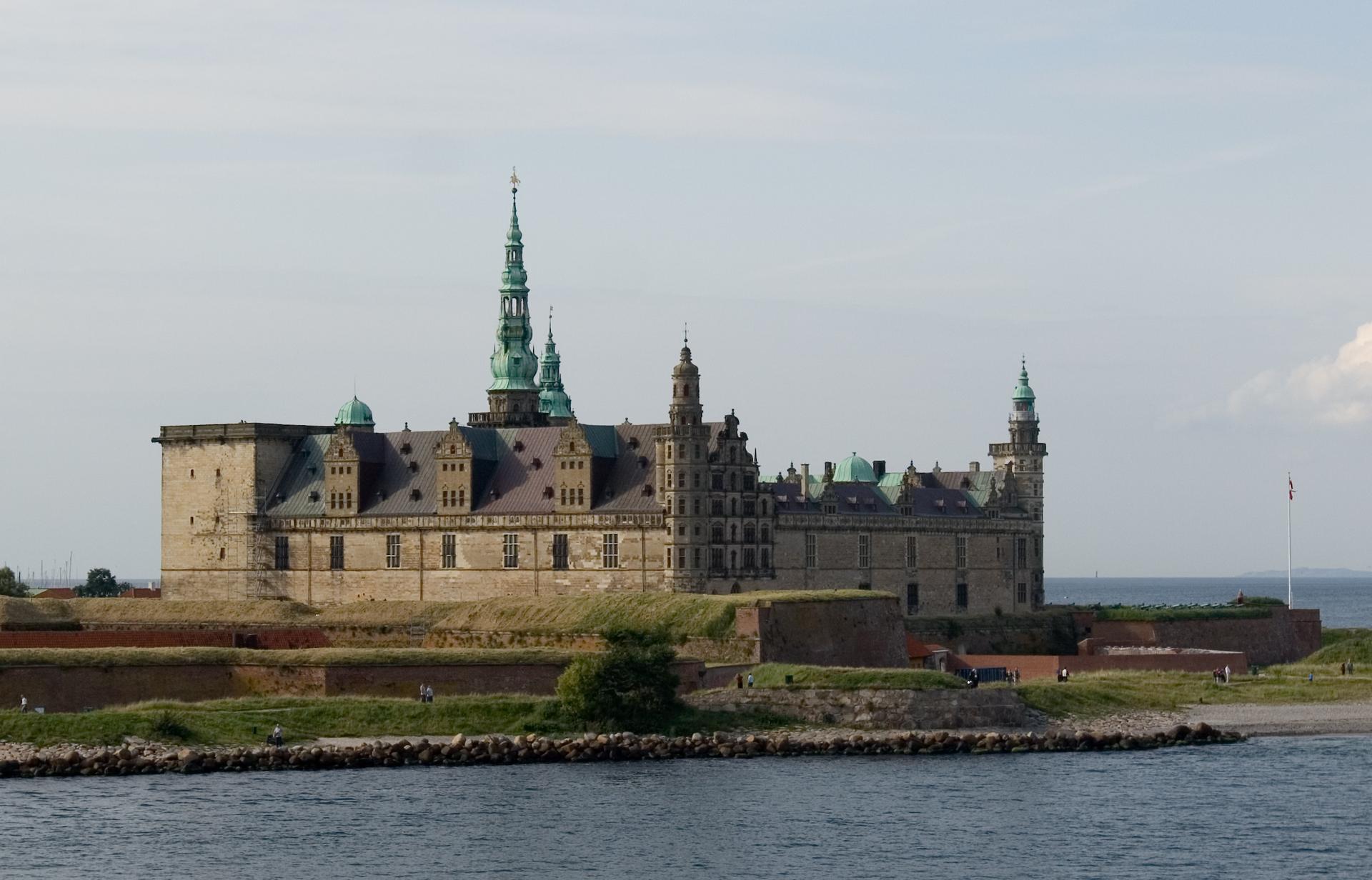
Discover Helsingør, Denmark's historic coastal city, home to Kronborg Castle and a vibrant cultural scene, offering a blend of history, scenic beauty, and local charm.
Tell me more about Helsingor