Background

Holmen Neighbourhood

Former naval islands turned calm harbour quarter, where historic dockyards, a landmark opera house and creative schools share wide quays and big Copenhagen skyline views.

Find your perfect hotel, anywhere in the world.

When's your trip?

Who's coming?

Adult (18-90)
Min: 1 Max: 6
Add a child
At least one participant is required. Please adjust and try again.

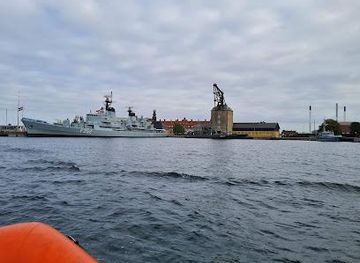
Holmen is a calm, water-bound neighbourhood in Copenhagen, set on former naval islands between Christianshavn and Refshaleøen. Once Denmark’s main naval base and dockyard, it now blends historic bastions, old warehouses and dock buildings with striking new architecture such as the Copenhagen Opera House, creative schools, houseboats and waterside cafés. Wide harbour views, quiet streets and direct access to the water give Holmen a distinctly secluded, maritime character just across the harbour from the city centre.

A brief summary to Holmen

  • Copenhagen, Indre By, DK
  • Duration: 1.5 to 4 hours
  • Free
  • Environment icon Outdoor
  • Mobile reception: 5 out of 5

Local tips

  • Leave plenty of time simply to walk the quays and smaller side canals; Holmen’s atmosphere reveals itself best at a slow pace, especially in the early morning or late afternoon light.
  • Combine a stroll here with a performance or guided tour at the Copenhagen Opera House to appreciate both the building’s interior and its place within the harbour landscape.
  • Bring a light windproof layer even in summer, as Holmen’s exposed waterfront can feel cooler than the city streets once the breeze picks up over the harbour.
  • If you plan to swim from designated harbour spots around Holmen in warmer months, pack a towel and sandals for the quayside and always follow local water-safety signage.
  • Look out for small details from the naval era, such as powder magazines, cranes and former barracks signage, which tell the story of Holmen’s working past.
widget icon

Getting There

  • Harbour bus from central Copenhagen

    From central Copenhagen, use the public harbour bus lines that serve the inner harbour; journeys from stops around Nyhavn or near the Royal Library to Holmen or the Opera House area typically take 10–20 minutes. Services run at regular intervals but can be less frequent in the evening and on weekends, so check the timetable in advance. Standard city public-transport tickets and passes are valid, with single adult fares usually in the range of 20–30 DKK depending on zones. Boarding involves steps and moving gangways, which may be challenging for some visitors.

  • City bus from Copenhagen Central Station

    Several city bus routes connect the wider centre to the Holmen and Refshaleøen area via Christianshavn, with typical journey times of 20–30 minutes from Copenhagen Central Station depending on traffic. Buses normally run every 10–20 minutes in daytime and less often late at night. A single adult ticket on the city network generally costs around 20–30 DKK, and day passes are available for better value if you plan multiple trips. Most buses are low-floor and suitable for wheelchairs and strollers, though they can be crowded at rush hour.

  • Cycling from inner-city districts

    Cycling is one of the most convenient ways to reach Holmen from central neighbourhoods such as Indre By, Vesterbro or Nørrebro, with typical ride times of 10–25 minutes depending on your starting point. The route uses Copenhagen’s extensive network of segregated bike lanes and bridges over the harbour, making it straightforward for confident cyclists. You can rent a city bike or a private rental bicycle, with daily prices commonly starting around 100–150 DKK. Surfaces are mostly flat and paved, but be prepared for wind along the exposed harbourfront and follow local cycling rules.

  • Walking from the historic centre

    Holmen can be reached on foot from the old city centre and Nyhavn area in roughly 20–35 minutes, depending on the exact route and your pace. The walk is flat and follows urban pavements and harbourfront promenades, making it accessible for most visitors, though it can feel longer in cold or wet weather. There is no cost beyond your time, and the route offers rewarding views of the canals, bridges and skyline along the way. Allow extra time if travelling with young children or if you plan to stop for photos by the water.

Holmen location weather suitability

  • Weather icon Clear Skies
  • Weather icon Mild Temperatures
  • Weather icon Any Weather
  • Weather icon Cold Weather
  • Weather icon Windy Conditions

Unlock the Best of Holmen

Buy tickets

    No tickets available

Book tours with entry

    No tours available

Book tours without entry

    No tours available

Discover more about Holmen

From Naval Stronghold to Island Quarter

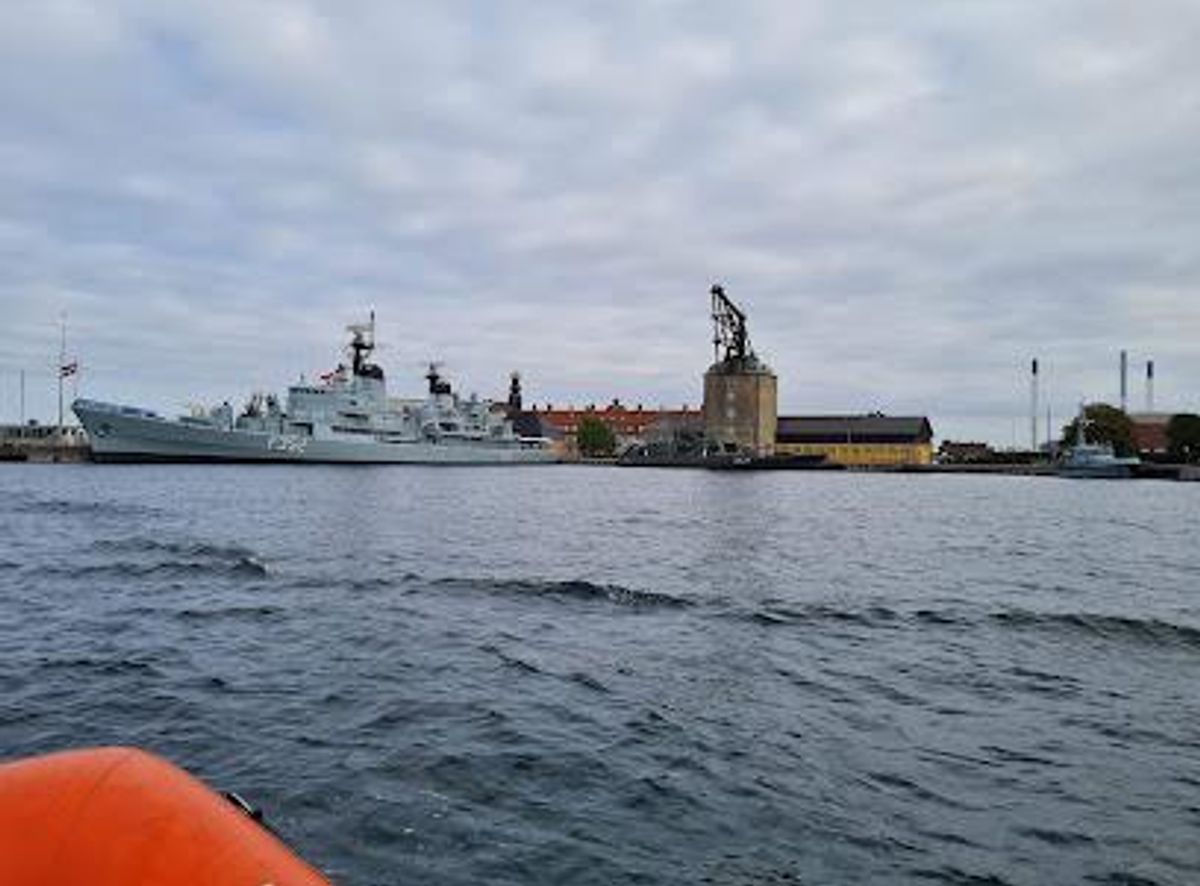
Holmen began as a strategic naval base in the late 17th century, when a cluster of artificial islands was created just off Christianshavn to house dockyards, shipbuilding facilities and defensive bastions. For more than 300 years, warships were launched here, powder was stored in low, thick-walled depots and the Danish fleet shaped the country’s maritime power. Although much of the active navy has since moved away, traces of this past are everywhere: former mast cranes, guardhouses and long, brick barracks still line the quays. As military functions gradually shifted elsewhere in the late 20th century, large swathes of Holmen opened up for new uses. Instead of sailors and shipwrights, you now find art students, architects and designers moving between old workshops repurposed as academies. The islands’ street grid still follows the practical logic of a working yard, but the atmosphere has softened into something far more relaxed and residential.

Opera House and Bold Contemporary Architecture

The Copenhagen Opera House has become Holmen’s unmistakable visual anchor. Designed by Henning Larsen and completed in the early 2000s on the waterfront of Dokøen, its vast cantilevered roof and glass foyer face directly across the harbour to Amalienborg and the domed Marble Church, creating a perfectly aligned urban axis. Inside, warm woods and meticulous acoustics host opera, ballet and symphonic performances, while the building’s exterior terraces serve as informal viewing platforms over the water. Scattered around the islands, other modern interventions share the stage with historic brick. Residential blocks with clean Scandinavian lines, studios filled with creative businesses and small cultural venues occupy spaces once given over to ropewalks and workshops. The result is not a single architectural style but a layered cityscape that constantly reveals the dialogue between old naval infrastructure and contemporary Danish design.

Life Along the Quays and Canals

Holmen is shaped as much by water as by stone. Quays run in long, uninterrupted stretches with ladders descending into the harbour, and in summer the edges around the Opera House and along the canals become informal swimming spots. Houseboats moor quietly against former industrial wharves, their potted plants and deck chairs hinting at a slower rhythm of daily life. The streets here feel noticeably quieter than Copenhagen’s busier quarters. Traffic is light, and views are long: across one stretch of water you might see the spires of the city centre, across another the cranes and creative spaces of Refshaleøen. Small cafés and bakeries occupy ground floors of refurbished buildings, turning old navy structures into convivial social spaces where the smell of coffee replaces the tang of tar and rope.

Culture, Study and Creative Energy

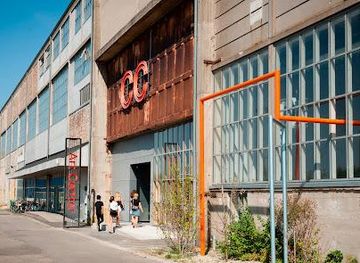
Holmen has become a campus-like enclave for the performing and visual arts. Several schools of the Royal Danish Academy, including programs in theatre, music and architecture, are based in former navy buildings. Rehearsal rooms, studios and lecture halls look out over the same waters where ships once anchored, lending a sense of continuity between past and present forms of craftsmanship. This concentration of students and cultural institutions gives the area a distinctly creative undercurrent. You might overhear a brass ensemble practising through open windows, catch sight of stage props being carried across a courtyard or see architecture models set up along a corridor visible from the outside. Even without entering any buildings, the sense of Holmen as a working cultural quarter is tangible in its daily rhythms.

Harbour Views and Neighbouring Districts

One of Holmen’s great pleasures is simply looking outward. From many points along the waterfront, the skyline of central Copenhagen forms a continuous panorama: palace facades, church towers and the modern Royal Danish Playhouse line the opposite shore. The water itself is constantly animated by harbour buses, kayaks and small private boats passing between the islands. Holmen also sits in dialogue with its neighbours. To the south, the canals and cobbled streets of Christianshavn share a similar maritime heritage, while to the north and east the former shipyards of Refshaleøen have evolved into a creative hub of food markets, galleries and experimental projects. Holmen occupies a quieter middle ground between these, offering a peaceful base from which the wider harbour area unfolds.

A Slow-Burn Destination in the City

Despite its central position on the map, Holmen retains a mildly out-of-the-way feeling. It is a cul-de-sac in urban terms, surrounded on most sides by water and reached by only a few bridges and harbour routes. This relative seclusion helps explain its laid-back mood: there is little through-traffic, so many people here are residents, students or deliberate visitors. For travellers, that can be part of the appeal. Holmen is less about ticking off individual sights and more about soaking up a distinctive urban landscape shaped by centuries of naval activity and renewed through culture, architecture and everyday life. Time spent wandering its quays, watching the light shift over the harbour and tracing the outlines of old bastions offers a quieter, contemplative counterpoint to the bustle of Copenhagen’s more familiar districts.

Busiest months of the year

Busiest hours of the day

Popular Experiences near Holmen

Popular Hotels near Holmen

Select Currency