Kunsthal Charlottenborg, North Zealand Travel Guide
Historic palace turned contemporary art powerhouse, where bold exhibitions meet Nyhavn's iconic waterfront views.
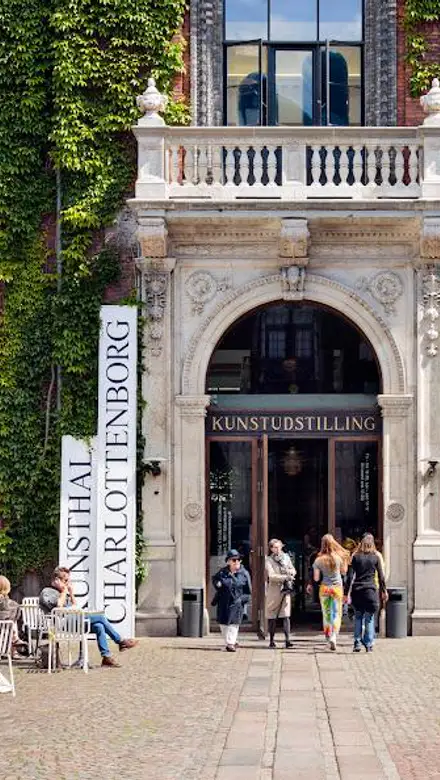
A premier contemporary art venue housed in a Dutch Baroque palace on Kongens Nytorv, Kunsthal Charlottenborg presents ambitious international exhibitions alongside performances, concerts, and film screenings. Since 1883, this Northern European institution has showcased leading artists and emerging talents, offering free admission on Wednesday evenings and framed views of iconic Nyhavn from its upper galleries.
A brief summary to Kunsthal Charlottenborg
- Nyhavn 2, Copenhagen, Indre By, 1051, DK
- Click to display
- Click to display
- Duration: 1 to 2.5 hours
- Budget
-
 Indoor
- Mobile reception: 5 out of 5
- Tuesday 12 pm-8 pm
- Wednesday 12 pm-8 pm
- Thursday 12 pm-8 pm
- Friday 12 pm-8 pm
- Saturday 11 am-5 pm
- Sunday 11 am-5 pm

Know before you go
Hi, I'm Eve. Here are a few practical things to know before exploring Kunsthal Charlottenborg.
- Visit on Wednesday evenings between 5 PM and 8 PM for free admission—a budget-friendly way to experience world-class contemporary art without ticket costs.
- Explore the upper floors for a uniquely framed view of Nyhavn that creates an Instagram-worthy shot combining historic architecture with contemporary gallery spaces.
- Check the exhibition calendar before visiting; the Kunsthal frequently hosts artist talks, performances, and concerts that complement the visual art programme and offer deeper engagement with current shows.
- Consider booking guided tours in advance for groups; tours are available Tuesday through Friday at 600 DKK and weekends at 700 DKK, offering curated perspectives on exhibitions and institutional history.
- Plan to arrive early on weekdays when crowds are lighter, particularly on Tuesday through Thursday mornings, to fully appreciate both the exhibitions and the palace's architectural details.
Do you manage this location?
Take control to get all the benefits, like improved information, better appearance, and stronger visibility across AI-powered discovery. Learn more about listing your business on Evendo
Activate your presenceOther nearby places you may find interesting
The closest places of the same kind, if this one is not quite what you had in mind.
Explore Kunsthal Charlottenborg on the Map
A handpicked selection of must-see spots near Kunsthal Charlottenborg, mapped for you.
Unlock the Best of Kunsthal Charlottenborg
Buy tickets
-
No tickets available
Book tours with entry


Getting There
-
Metro & Walking
From Copenhagen Central Station, take the Metro Line M1 or M2 toward Vestamager or Vanløse. Exit at Kongens Nytorv station (approximately 8 minutes travel time). The Kunsthal is directly adjacent to the station at Nyhavn 2. Walking from the station takes less than 2 minutes. Metro tickets cost 24 DKK for a single journey within central Copenhagen.
-
Bus
Multiple bus routes serve the Nyhavn area, including routes 1A, 15, and 26. Board from central Copenhagen locations and alight at Kongens Nytorv or Nyhavn stops (typical journey 10–20 minutes depending on origin). Single bus tickets cost 24 DKK. Service runs frequently throughout the day, with reduced frequency after 20:00.
-
Walking from Nyhavn Waterfront
If exploring Nyhavn's historic waterfront, the Kunsthal is located directly at the corner of Kongens Nytorv and Nyhavn. Walking from the main Nyhavn promenade takes approximately 3–5 minutes. The palace's distinctive Baroque facade is clearly visible from the waterfront.
-
Bicycle
Copenhagen's extensive cycle network provides access to Kunsthal Charlottenborg. Bike parking is available near the venue. Journey times from central areas range from 5–15 minutes depending on starting point. City Bike rental stations are located throughout Copenhagen, with subscription or pay-per-use options available.
For the on-the-go comforts that matter to you
-
 Restrooms
-
 Drink Options
-
 Food Options
-
 Seating Areas
-
 Information Boards
-
 Visitor Center
Discover more about Kunsthal Charlottenborg
A Palace Transformed into a Contemporary Art Institution
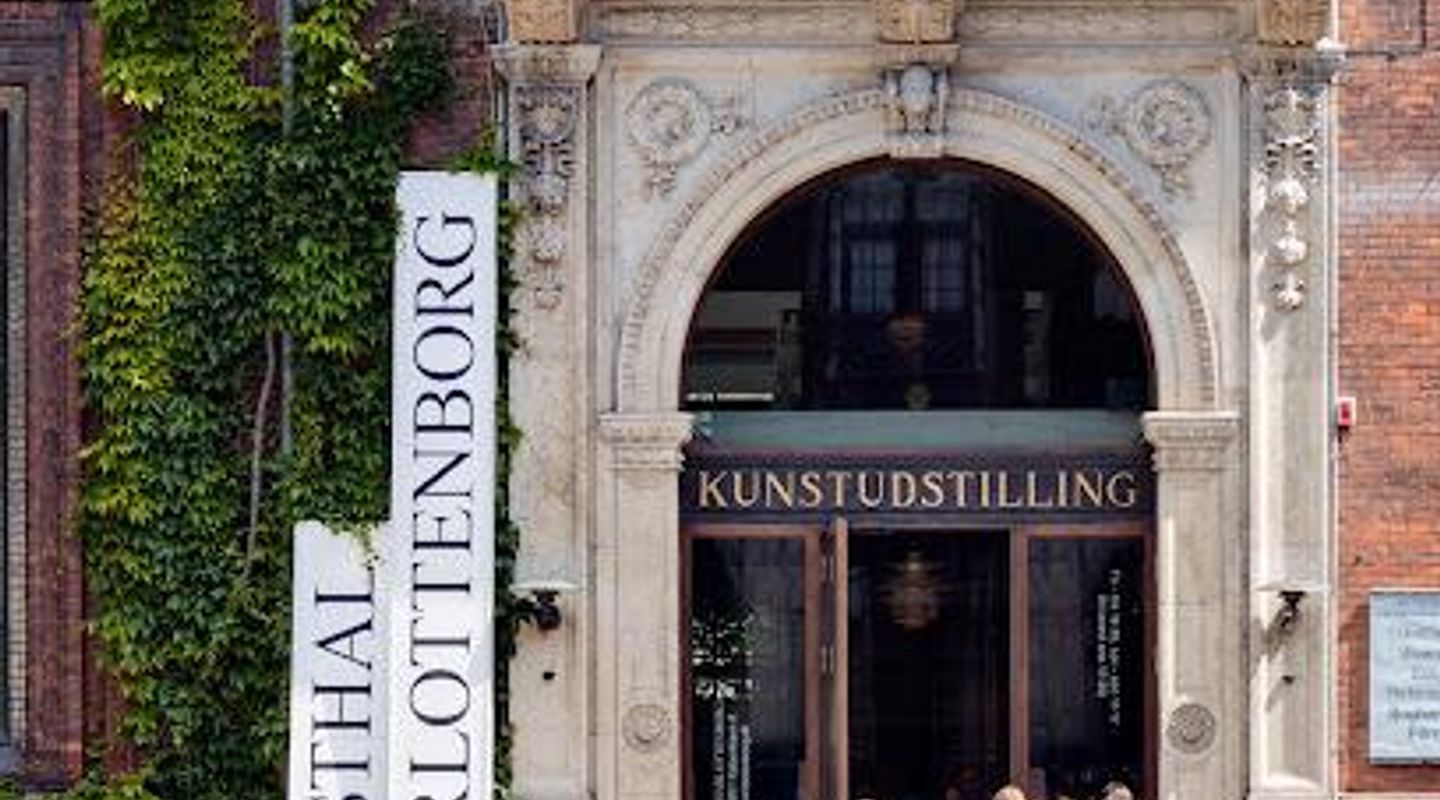
Kunsthal Charlottenborg occupies a Dutch Baroque palace originally constructed between 1672 and 1683 as a residence for Ulrik Frederik Gyldenløve, half-brother to King Christian V. The palace was purchased in 1700 by Dowager Queen Charlotte Amalie, whose name it has retained ever since. In 1754, the Royal Danish Academy of Fine Arts formally established itself within the palace, and by 1883, the institution opened its dedicated contemporary art exhibition building—a purpose-built space designed after the French model. Today, Kunsthal Charlottenborg stands as one of Northern Europe's largest and most beautiful exhibition spaces for contemporary art, seamlessly blending historic architecture with cutting-edge curatorial practice.An Uncompromising Vision for Contemporary Expression
The Kunsthal presents an ambitious, internationally focused program featuring both emerging talents and established artists from Denmark and abroad. Rather than maintaining a permanent collection, the institution embraces a dynamic approach to exhibition-making, allowing it to remain responsive to contemporary artistic discourse. The curatorial philosophy prioritizes thought-provoking, agenda-setting work that remains accessible to diverse audiences. The 2026 exhibition programme explores how we perceive and navigate a rapidly changing world, featuring solo exhibitions by artists including Małgorzata Mirga-Tas, Amalie Smith, Jochen Lempert, and Som Supaparinya, alongside the institution's celebrated Charlottenborg Spring Exhibition and the MFA Degree Show Afgang, which showcase emerging artistic voices and contemporary tendencies.Beyond Visual Art: A Multidisciplinary Cultural Hub
The Kunsthal extends far beyond static gallery experiences. The institution hosts a rich calendar of artist talks, performances, concerts, and film screenings that complement its visual art programme. Charlottenborg Art Cinema presents films and documentaries throughout the year, with screenings included in general admission. The venue also serves as headquarters for CPH:DOX, an annual film festival. Guided tours are available for groups, offering curated perspectives on current exhibitions and the institution's layered history. This multidisciplinary approach transforms Kunsthal Charlottenborg into a living cultural space where artistic dialogue unfolds across multiple mediums.Location and Architectural Significance
Situated at the corner of Kongens Nytorv and Nyhavn, the palace occupies one of Copenhagen's most historically significant locations. The square itself was established by King Christian V in 1670 as part of an ambitious urban renewal project—a Danish interpretation of Versailles designed to relocate the city center. The palace's corps de logis was rebuilt in 1827 by architect Christian Frederik Hansen, creating the Festhall and Antiksalen that remain integral to the institution today. The upper floors offer uniquely framed views of the adjacent Nyhavn waterfront, creating an unexpected visual dialogue between historic maritime Copenhagen and contemporary art.Accessibility and Visitor Experience
General admission is 60 DKK for adults, with reduced rates for students and seniors at 40 DKK. Children under 16 enter free, and the Kunsthal offers a particularly valuable opportunity: free admission every Wednesday from 5 PM to 8 PM, making contemporary art accessible to budget-conscious visitors. An annual membership card costs 150 DKK and includes free admission plus a 10% discount on publications. Copenhagen Card holders receive complimentary entry. The institution operates Tuesday through Friday from 12:00 to 20:00, and Saturday and Sunday from 11:00 to 17:00, remaining closed Mondays. A typical visit requires one to two hours, though special events and performances may extend this duration.More to explore near Kunsthal Charlottenborg













Your all‑in‑one travel companion app
Explore expert travel guides, compare and book tours, experiences, hotels, and more—all from the palm of your hand. Download now for seamless trip planning wherever your wanderlust takes you.


Explore More of North Zealand
Looking beyond Kunsthal Charlottenborg? Discover North Zealand for broader travel guides, local hot-spots, and regional highlights.
Explore North Zealand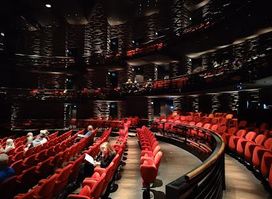
Bold modern theatre on Copenhagen’s Inner Harbour, where cutting-edge drama, glass-and-brick architecture and a floating wooden pier meet sweeping waterfront views.
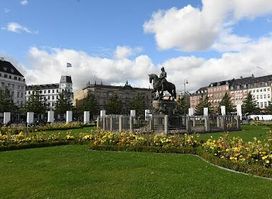
Copenhagen’s regal meeting place, where a 17th‑century royal square, theatre facades and leafy gardens frame everyday city life and seasonal markets.