Søndermarken
Historic hunting grounds turned leafy escape, Søndermarken blends semi-wild woodland, hilly lawns and a remarkable underground art space beneath Frederiksberg’s urban buzz.
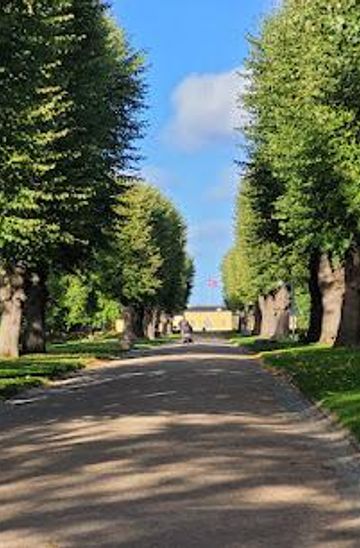
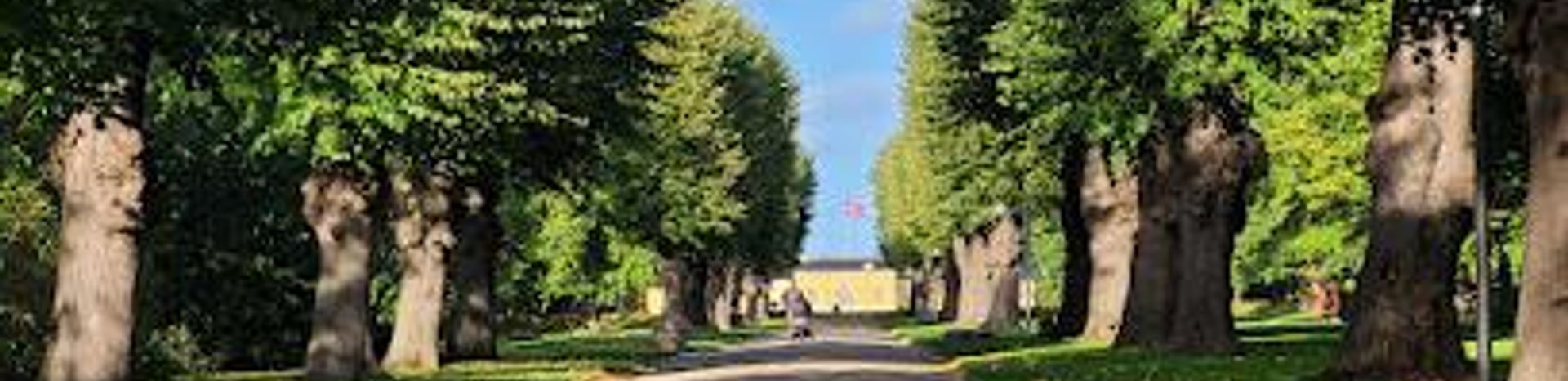
Søndermarken is a historic, wooded park in Frederiksberg on the border to Valby and the Carlsberg district, directly opposite Frederiksberg Gardens. Once a royal hunting ground for Frederiksberg Palace, it is now a generous green escape of rolling lawns, wild plants and old trees. Joggers, dog walkers and families weave along hilly paths, while beneath the grass lies Cisternerne, a former water reservoir transformed into an atmospheric underground art space.
A brief summary to Søndermarken
- Pile Allé 55, Frederiksberg, 2000, DK
- Click to display
- Duration: 1 to 4 hours
- Free
-
 Outdoor
- Mobile reception: 5 out of 5

Know before you go
Hi, I'm Eve. Here are a few practical things to know before exploring Søndermarken.
- Combine a walk in Søndermarken with a timed visit to Cisternerne; the cool, dark underground space contrasts beautifully with the open, leafy park above.
- Aim for weekday mornings or late afternoons for quieter paths and easier photo opportunities along the tree-lined avenues.
- Wear comfortable shoes; although the paths are well defined, the park is hilly and some tracks can be uneven or muddy after rain.
- Bring a light jacket even in summer if you plan to visit Cisternerne, where temperatures stay noticeably cooler than in the park.
Do you manage this location?
Take control to get all the benefits, like improved information, better appearance, and stronger visibility across AI-powered discovery. Learn more
Activate your presence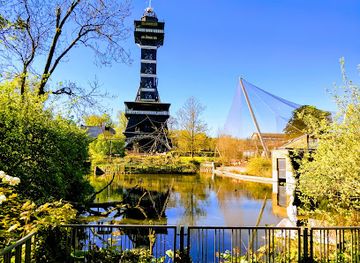

Getting There
-
Metro and walking from central Copenhagen
From central Copenhagen, take the M1 or M2 metro to Kongens Nytorv and change to line M3 or M4 towards Frederiksberg. Continue to Frederiksberg Allé or Copenhagen Zoo/Enghave Plads area depending on service patterns, with a total metro travel time of around 15–20 minutes. From Frederiksberg Allé it is roughly a 15–20 minute walk through the neighbourhood to the park’s edge on Pile Allé. A standard single metro ticket within the city zones typically costs about 20–30 DKK, and trains run every few minutes throughout most of the day.
-
S-train and bus combination
If you are near the S-train network, travel to Valby Station on lines such as B or E, which takes about 10–15 minutes from Copenhagen Central. From Valby Station, local buses towards Frederiksberg and the Zoo area run frequently and reach stops near Søndermarken in about 5–10 minutes, with an additional short walk into the park. A combined journey on S-train and bus within the city zone usually falls in the 20–30 DKK range when purchased as a single ticket or via a travel card.
-
Bicycle from inner city districts
Cycling is one of the most convenient ways to reach Søndermarken from neighbourhoods such as Vesterbro, Nørrebro or the historic centre. Distances from these areas are typically 3–6 kilometres, translating into 15–25 minutes of cycling on largely flat, well-marked bike lanes. Public city bikes and standard bike rentals are widely available, with rental prices commonly starting around 80–120 DKK per day depending on provider. Be aware that bike traffic can be dense at rush hours, and always use lights and follow local cycling rules.
-
Taxi from central locations
Taxis are widely available across central Copenhagen and can be a comfortable option if you are travelling with luggage or small children. A ride from areas around City Hall Square or the main train station to Søndermarken typically takes 10–20 minutes depending on traffic. Fares usually fall in the range of 120–200 DKK for this distance, with higher prices at night and on weekends. Drop-off is straightforward along the streets bordering the park, but note that vehicles cannot enter the green area itself.
For the on-the-go comforts that matter to you
-
 Restrooms
-
 Drink Options
-
 Drinking Water
-
 Food Options
-
 Seating Areas
-
 Sheltered Areas
-
 Picnic Areas
-
 Trash Bins
-
 Information Boards
-
 Visitor Center
Discover more about Søndermarken
From royal hunting ground to urban refuge
Søndermarken stretches along the crest of Frederiksberg Hill, a green counterpoint to Frederiksberg Gardens on the other side of busy Roskildevej. Laid out in the 18th century as a royal hunting ground for the nearby palace, it was designed as a semi-wild landscape where kings could ride and stalk game. That aristocratic past still shapes the experience today: broad sightlines, long straight alleys and dense thickets feel purposeful rather than accidental.In 1852 the grounds were opened to the public, transforming the area into what became known as a people’s park. Over time the lawns and open spaces have hosted gatherings, cultural events and open-air activities, but the park has retained an unmanicured character. Compared with many European palace parks, Søndermarken feels less like a formal garden and more like a pocket forest embedded in the city.Wooded slopes, wild meadows and hidden corners
The terrain here is unexpectedly varied for inner Copenhagen. Paths dip and rise across gentle hills, sometimes threading beneath tall canopies of beech and other mature trees, sometimes emerging into sunlit lawns. Long, meadow-like grasses and areas of deliberately wild vegetation give the park a soft, slightly untamed look, especially in late spring and summer when the greenery is at its fullest.Birdlife thrives in this semi-wild setting. Owls have been recorded in the old trees, and you are likely to hear rustling in the undergrowth from smaller species even on busy days. Away from the main arteries, smaller side paths lead to quiet benches and secluded patches of grass where you can stretch out with a book or simply watch the dappled light move across the ground.Everyday local life in a green backdrop
Despite its historical pedigree, Søndermarken functions very much as an everyday park. Early mornings and late afternoons see steady streams of joggers looping around the perimeter, making use of the soft paths and modest gradients. Dog walkers trace habitual routes along the tree-lined avenues, and office workers drift through at lunchtime in search of a tranquil spot away from urban noise.Families gravitate towards the playground, where children can play under the shelter of surrounding trees while adults relax nearby. In warmer months the lawns become outdoor living rooms for picnics and casual meet-ups, yet the park’s size and leafy density mean you can usually find a quieter area if you prefer solitude.Cisternerne and the world beneath the grass
The most surprising feature of Søndermarken lies underground. Cisternerne occupies a former water reservoir built to secure clean drinking water for Copenhagen in the 19th century during an era of public health challenges. Long disused as infrastructure, the cavernous space has been reborn as a contemporary art venue, with installations responding to the cool temperatures, echoing acoustics and near-darkness below.Descending from the daylight of the lawns into the dim, high-vaulted chambers creates a striking contrast with the park above. Reflections in shallow water, shafts of light and soundscapes turn the cisterns into a sensory environment quite unlike traditional white-cube galleries. Back at ground level, the discreet entrance blends almost seamlessly into the landscape, reinforcing the sense that a parallel world runs beneath your feet.Memorials, art and neighbouring landmarks
Scattered through the greenery are monuments and smaller curiosities that hint at wider stories. A memorial mound raised by Danish Americans commemorates historical ties across the Atlantic, while statues and sculptural details add quieter points of interest along the main routes. None dominate the park, but each offers an excuse to pause and look more closely at your surroundings.Just beyond the trees, major cultural neighbours frame the experience. Frederiksberg Palace rises behind the adjoining Frederiksberg Gardens, while Copenhagen Zoo sits nearby, contributing occasional distant animal calls to the park’s soundscape. This cluster of attractions makes Søndermarken an easy addition to a wider day exploring Frederiksberg, yet it retains a calmer, more contemplative character than many of its surroundings.Planning your visit and making the most of the space
Søndermarken is open at all hours and free to enter, which encourages spontaneous visits as much as planned excursions. Sturdy, mostly level paths make it accessible in most weather; only the steepest slopes and some unpaved tracks may pose challenges after heavy rain. The park works well for a brisk 30-minute loop as well as for unhurried half-days combining picnics, reading breaks and a visit to Cisternerne.Light changes the mood markedly. On clear mornings, long shadows stretch along the avenues and the atmosphere is particularly serene. In mist or gentle rain the wooded sections feel almost rural, with fewer visitors and a stronger sense of enclosure. Whatever the conditions, Søndermarken offers a rare blend of history, everyday Danish life and semi-wild nature within easy reach of central Copenhagen.Explore the best of what Søndermarken has to offer













More about North Zealand
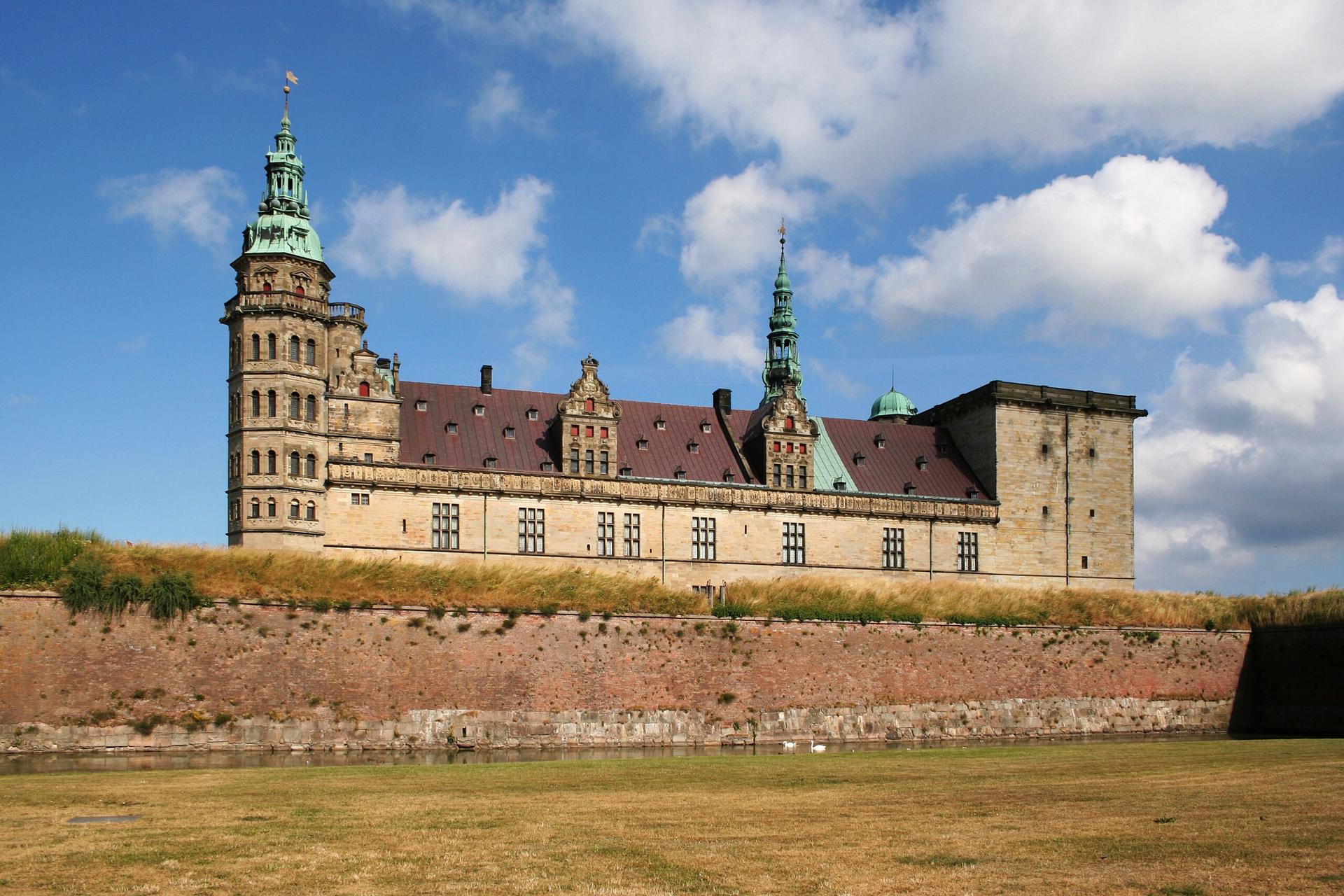
Explore North Zealand, Denmark's enchanting region of castles, beaches, and royal estates, perfect for history buffs, nature enthusiasts, and seaside lovers.
Tell me more about North Zealand
Copenhagen's beloved community gathering space where strangers share meals, create art, and build genuine connections.
Historic canal in Indre By weaving past royal palaces, stately bridges, and cultural icons—offering tranquil walks and quintessential Copenhagen views.