The Hill House Museum, Copenhagen Travel Guide
Free Guide: Step into a preserved Danish Golden Age home where intimate rooms, a romantic garden and literary memories of Hans Christian Andersen bring 19th‑century Frederiksberg to life.


A brief summary of The Hill House Museum
Step into a preserved Danish Golden Age home where intimate rooms, a romantic garden and literary memories of Hans Christian Andersen bring 19th‑century Frederiksberg to life.
The Hill House Museum, or Bakkehuset, is a beautifully preserved Golden Age home in Frederiksberg, Copenhagen, where literary couple Kamma and Knud Lyne Rahbek hosted Denmark’s leading writers, thinkers and artists in the early 1800s. Today the intimate house museum, romantic garden and light-filled orangery offer an atmospheric glimpse into 19th‑century domestic life, literary culture and garden design, with period-furnished rooms, Hans Christian Andersen connections and creative, family-friendly exhibits.
On-site amenities
 Restrooms
 Drinking water
 Seating areas
 Sheltered areas
 Trash bins
 Information boards
 Visitor centre
 Food options
 Drink options
Opening hours
- MonClosed
- Tue11 am–6 pm
- Wed11 am–6 pm
- Thu11 am–6 pm
- Fri11 am–6 pm
- Sat11 am–5 pm
- Sun11 am–5 pm
Opening hours as listed on the venue’s Google Business Profile. Hours can change for services and special events, so check with the venue before you go.
- Address
- Rahbeks Alle 23, 1801 Frederiksberg
- Phone
- Website
Getting there
Metro and walk from central Copenhagen
City bus within Frederiksberg
Cycling from inner Copenhagen
Taxi or rideshare within the city
Discover more about The Hill House Museum
A Golden Age home on a Copenhagen hillside
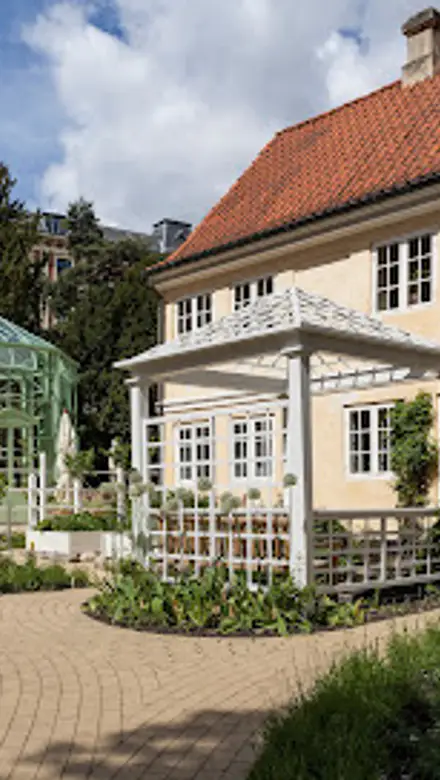
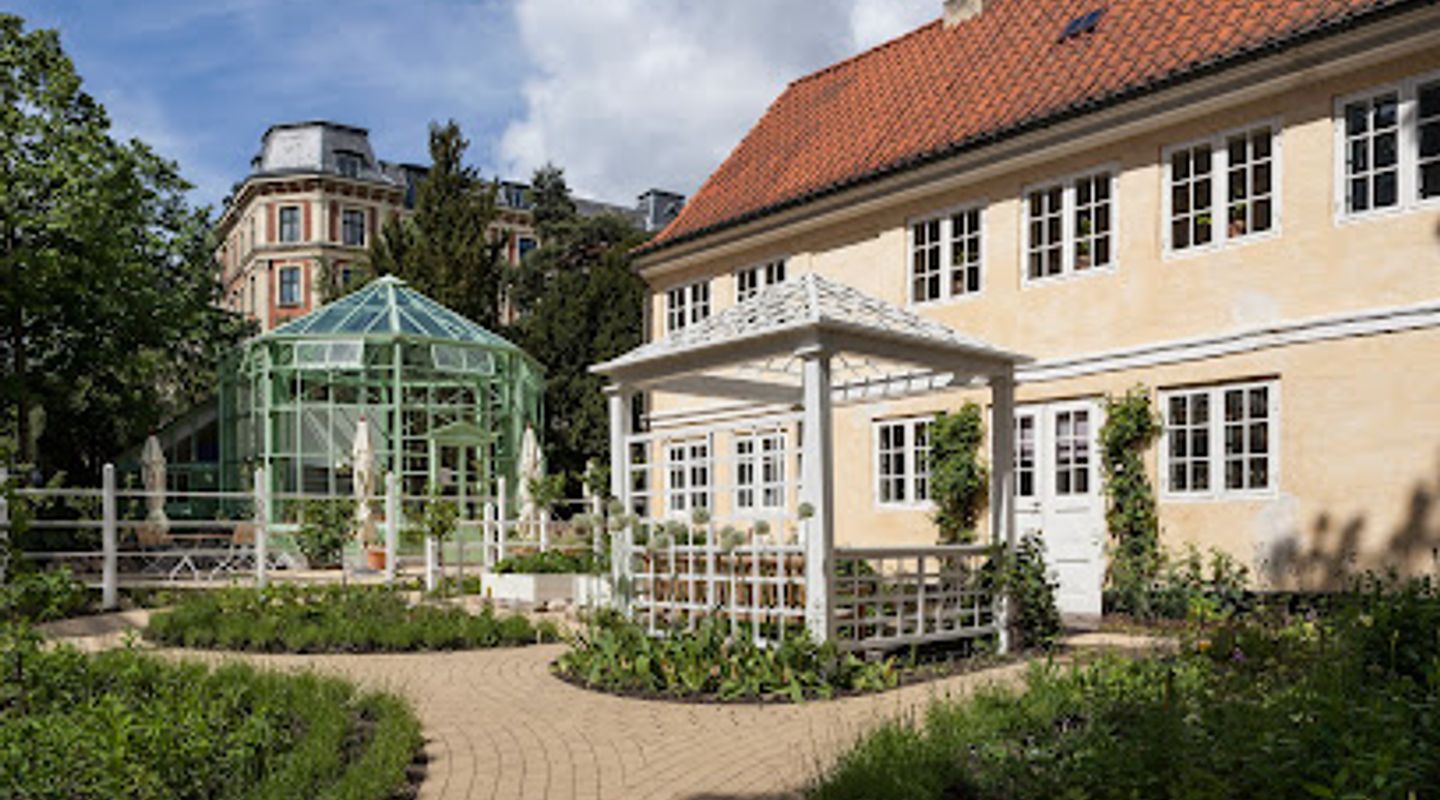
Bakkehuset, literally “The Hill House”, is one of Frederiksberg’s oldest buildings and an oasis of low, yellow-painted walls and small-paned windows in a dense, modern cityscape. Stepping inside the modest doorway brings you into a late 18th- and early 19th-century home, carefully restored to evoke the years when it sat on the edge of open countryside. Timber floors, tiled stoves and simple yet elegant Danish furniture set the tone for a house that was both rural retreat and cultural powerhouse.The rooms are arranged much as they would have been around 1800–1830, when the house was owned by literary figure Knud Lyne Rahbek and his wife, Kamma. Rather than grand state chambers, you find a sequence of human-scale spaces: parlours, studies and bedrooms that still feel lived-in. Subtle details – handwritten notes, porcelain on tables, worn tabletops – make it easy to imagine the daily rhythms of a middle-class household at the height of Denmark’s Golden Age.
Salon culture and famous literary guests
During the Rahbeks’ time, Bakkehuset became an informal academy for the arts, its reputation built on spirited conversation rather than institutional authority. Writers, scientists and clergy gathered here to debate ideas, read aloud from new works and test bold opinions in sympathetic company. The house effectively functioned as a salon, helping shape the cultural life of Copenhagen beyond the city walls.Among its most renowned visitors were fairytale author Hans Christian Andersen, poet Adam Oehlenschläger and physicist Hans Christian Ørsted. Exhibits throughout the house highlight these connections with portraits, letters and first editions. The famed Corner Room, often described as the home’s intellectual heart, concentrates much of this story in a single, evocative space, its windows framing the garden that so inspired the Rahbeks and their guests.
Inside the period rooms and creative displays
The museum combines faithful reconstruction with interpretive displays. On the ground floor, period interiors reflect how the Rahbeks furnished their home, from painted chests and Biedermeier chairs to delicate textiles and writing desks laid out with quills and ink. Particular attention is given to Kamma Rahbek, whose intricate decorated boxes and carefully curated interiors reveal a finely tuned sense of aesthetics.Upstairs, changing exhibitions explore themes from the Danish Golden Age, using objects, artwork and contemporary scenography to make 19th-century ideas feel current. Families find hands-on elements in the Fairytale Academy, where children can craft stories, play with fairytale motifs and experiment with shadow theatre in a space inspired by Andersen’s imaginative world. This mix of historic atmosphere and interactive storytelling keeps the literary heritage accessible across generations.
Kamma Rahbek’s romantic garden and orangery
Behind the house lies a compact but richly planted garden, a modern reimagining of Kamma Rahbek’s original romantic grounds. Beds of perennials, herbs and old-fashioned roses are arranged to emphasise colour, scent and seasonal change, echoing the garden ideals of the early 19th century. Gravel paths lead past a small pond and fruit trees, creating a series of intimate outdoor rooms that extend the domestic feel into the open air.At one edge stands an octagonal orangery, a light contemporary structure referencing Bakkehuset’s past as both country house and inn. In the warmer months it serves simple food and drinks inspired by historical recipes, inviting you to linger among potted citrus and flowering plants. Concerts, readings and small events in the garden add another layer to the site’s longstanding role as a meeting place for art and ideas.
A quiet cultural pause in busy Frederiksberg
Today Bakkehuset sits close to the redeveloped Carlsberg district, surrounded by apartments and institutions rather than fields. Yet inside the low rooms and sheltered garden there is a marked sense of calm. It is a place to slow down, read wall texts in your own time or simply look out of deep window recesses at the greenery outside.Whether you are drawn by literary history, period interiors, or just the promise of a quiet bench in a flower-filled courtyard, the Hill House Museum offers a compact but layered experience. It connects everyday domestic life with big cultural shifts, showing how a relatively small home on a hill helped nurture some of Denmark’s most enduring stories and ideas.
Evendo Review Centre
 Google
Guest reviews
Best time to go
Quietest: Jan, Feb & Nov · before 9am or from 7pm
Busy times are Evendo estimates for a typical year, to help you plan. Actual crowds vary with events, school holidays and the weather.
Explore The Hill House Museum on the map
A handpicked selection of must-see spots near The Hill House Museum, mapped for you.
Get your free copy of our complete guide to The Hill House Museum, delivered straight to you.
Everything on this page, from opening hours and how to get there to Eve’s tips and the best time to go, in one PDF you can read offline, print or share.
Already have an account? Sign in
Your The Hill House Museum guide is ready.
We'll send it to · Not you? Sign out

Getting your guide ready…
We are putting together a fresh copy of the The Hill House Museum guide. This can take up to a minute.
This can take a few moments. If your browser asks, choose Allow so the download can start. You'll find the guide in your Downloads folder.
Nothing happened? Download it again
Sorry, the guide is taking longer than usual. Please try again in a minute, or get it by email instead.
Other nearby places you may find interesting
The closest places of the same kind, if this one is not quite what you had in mind.
-
-

-
-
-


Swipe for more places
More to explore near The Hill House Museum

 Best experiences near The Hill House Museum
 Best hotels near The Hill House Museum
 Best landmarks near The Hill House Museum
 Best attractions near The Hill House Museum
 Best shops near The Hill House Museum
 Best restaurants near The Hill House Museum
 Best bars near The Hill House Museum
Do you manage this location?
Take control to get all the benefits, like improved information, better appearance, and stronger visibility across AI-powered discovery.
Explore more

Explore more of Copenhagen
Discover Copenhagen: A perfect blend of history, modernity, and vibrant culture, where picturesque canals, stunning architecture, and world-class dining await you.
Explore Copenhagen
Explore more of Denmark
Discover Denmark: A perfect blend of history, modern design, and the cozy concept of hygge. Explore vibrant cities, serene landscapes, and world-class cuisine.
Explore Denmark