From Eve
Know before you go
Hi, I'm Eve. Here are a few practical things to know before exploring Dronning Louises Bro.
Local know-how to help you travel smarter and make the most of every moment.

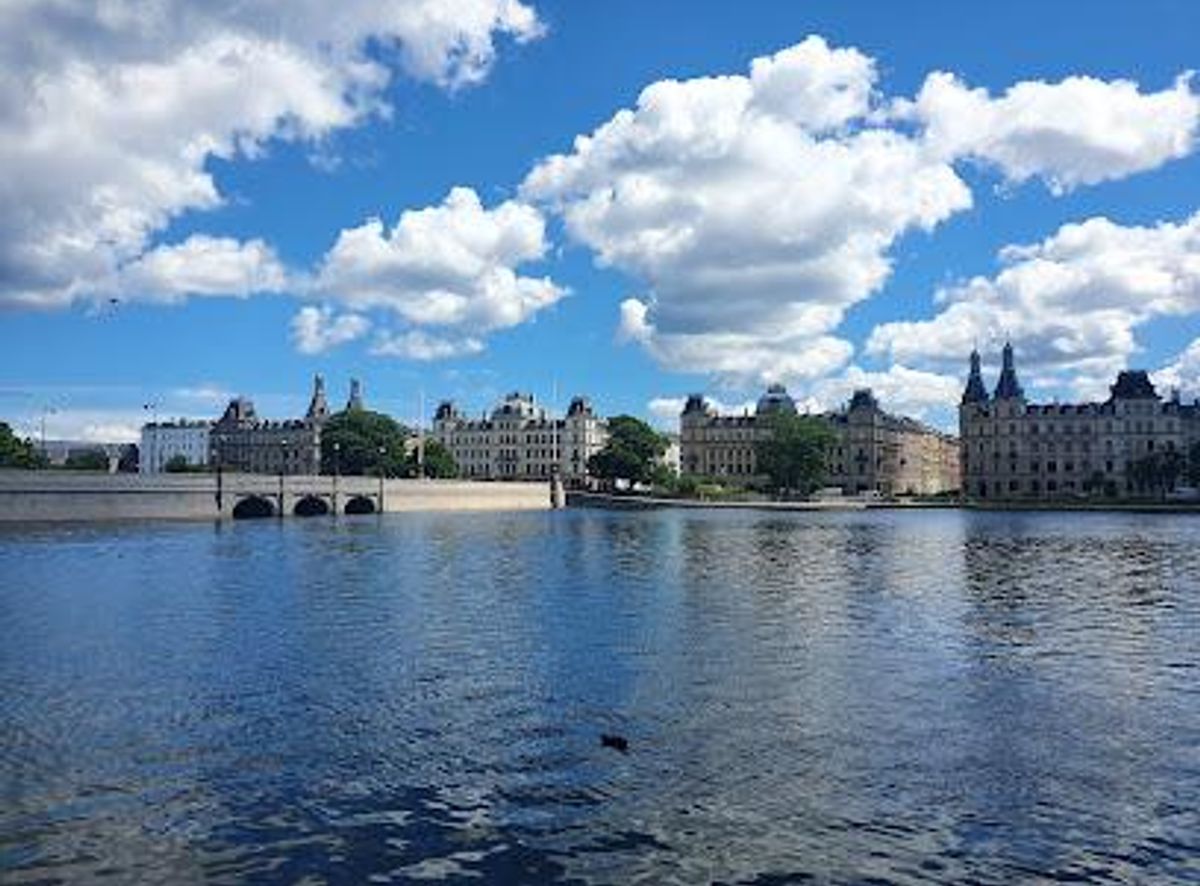
A 19th‑century granite bridge turned open‑air living room, linking historic Copenhagen with vibrant Nørrebro across the city’s shimmering inner lakes.
Dronning Louises Bro (Queen Louise’s Bridge) is an 1887 granite arch bridge spanning Copenhagen’s inner lakes, linking the historic city center with lively Nørrebro. Once a vital traffic artery, it is now famous as an urban hangout, with broad sidewalks and benches where locals linger over takeaway coffee, watch cyclists stream past and enjoy wide water views, sunsets and Nørrebro’s neon glow reflected in the lakes.
Opening times, essentials, and a few local tips gathered into one calmer, easier-to-scan planning section.
Hi, I'm Eve. Here are a few practical things to know before exploring Dronning Louises Bro.
Local know-how to help you travel smarter and make the most of every moment.
Metro and short walk from central Copenhagen
From Nørreport Station, one of Copenhagen’s main metro and rail hubs, walk along Frederiksborggade for about 10–15 minutes to reach Dronning Louises Bro. The metro ride to Nørreport from most central stations takes 2–5 minutes and is covered by standard zone 1–2 tickets, typically costing around 20–30 DKK for a single ride. Trains and metro run frequently throughout the day, and the walk is on wide, mostly level pavements suitable for wheelchairs and prams.
City bus to the bridge area
Several city bus routes run along Nørrebrogade and Frederiksborggade, stopping within a 2–5 minute walk of the bridge. Travel times from the inner city are usually 10–20 minutes depending on traffic, and standard city bus tickets cost roughly 20–30 DKK for a single journey within the central zones. Buses operate year-round with good daytime and evening frequency, though they can be slower during rush hours when the streets feeding the bridge are busy.
Cycling from inner Copenhagen
Copenhagen’s dense bike-lane network makes cycling to Dronning Louises Bro straightforward. From many central neighborhoods the ride is 10–20 minutes along segregated cycle tracks, and the bridge itself has wide, clearly marked bike lanes in both directions. You can use public bike-share schemes or rent a bicycle for a day, with typical rental prices starting around 100–150 DKK per day. Be prepared for heavy bike traffic at peak commuting times and follow local cycling etiquette.
Taxi from central districts
Taxis from central Copenhagen locations such as City Hall Square or Nyhavn generally reach Dronning Louises Bro in 10–20 minutes, depending on traffic and time of day. Fares within the central area commonly range from about 120–220 DKK, with higher prices late at night and on weekends. Taxis can drop passengers close to the bridge, but short delays are possible during rush hour when approaches are congested with buses, bikes and pedestrians.
 Seating Areas
 Trash Bins
 Information Boards
 Drink Options
 Food Options
Catch the right light and the right mood, whether you want a bright city moment or a more cinematic evening visit.


Use Tower Bridge as your starting point for nearby food, family ideas, nightlife, and more local discoveries.
A quick look at seasonal patterns and peak visiting hours.

Explore expert travel guides, compare and book tours, experiences, hotels, and more—all from the palm of your hand. Download now for seamless trip planning wherever your wanderlust takes you.
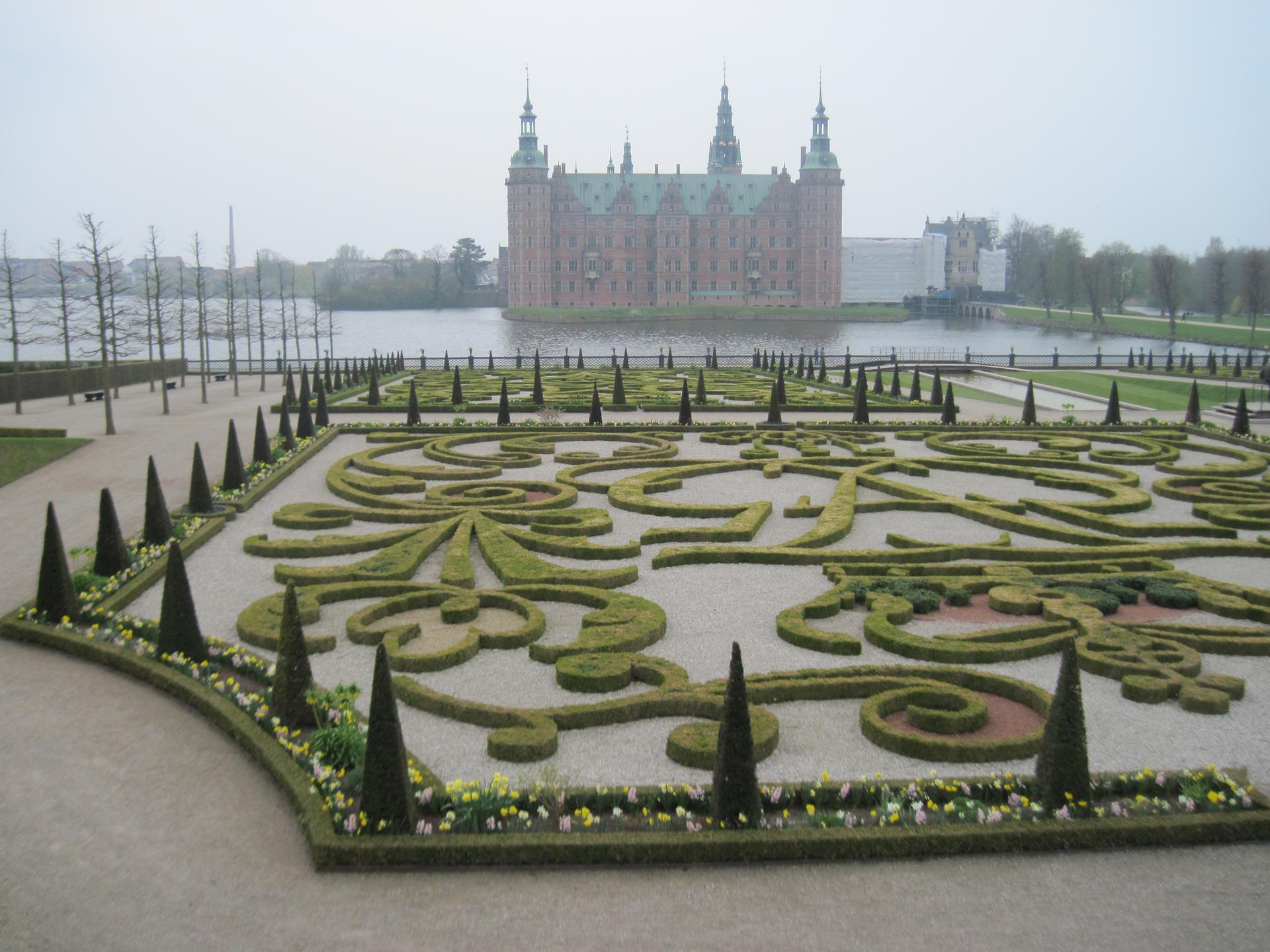
Explore Hillerød: Discover Frederiksborg Castle, vibrant town life, and scenic nature trails in Denmark's charming North Zealand region.
Tell me more about Hillerod