

Befrielsessten i Kalundborg, Kalundborg Travel Guide
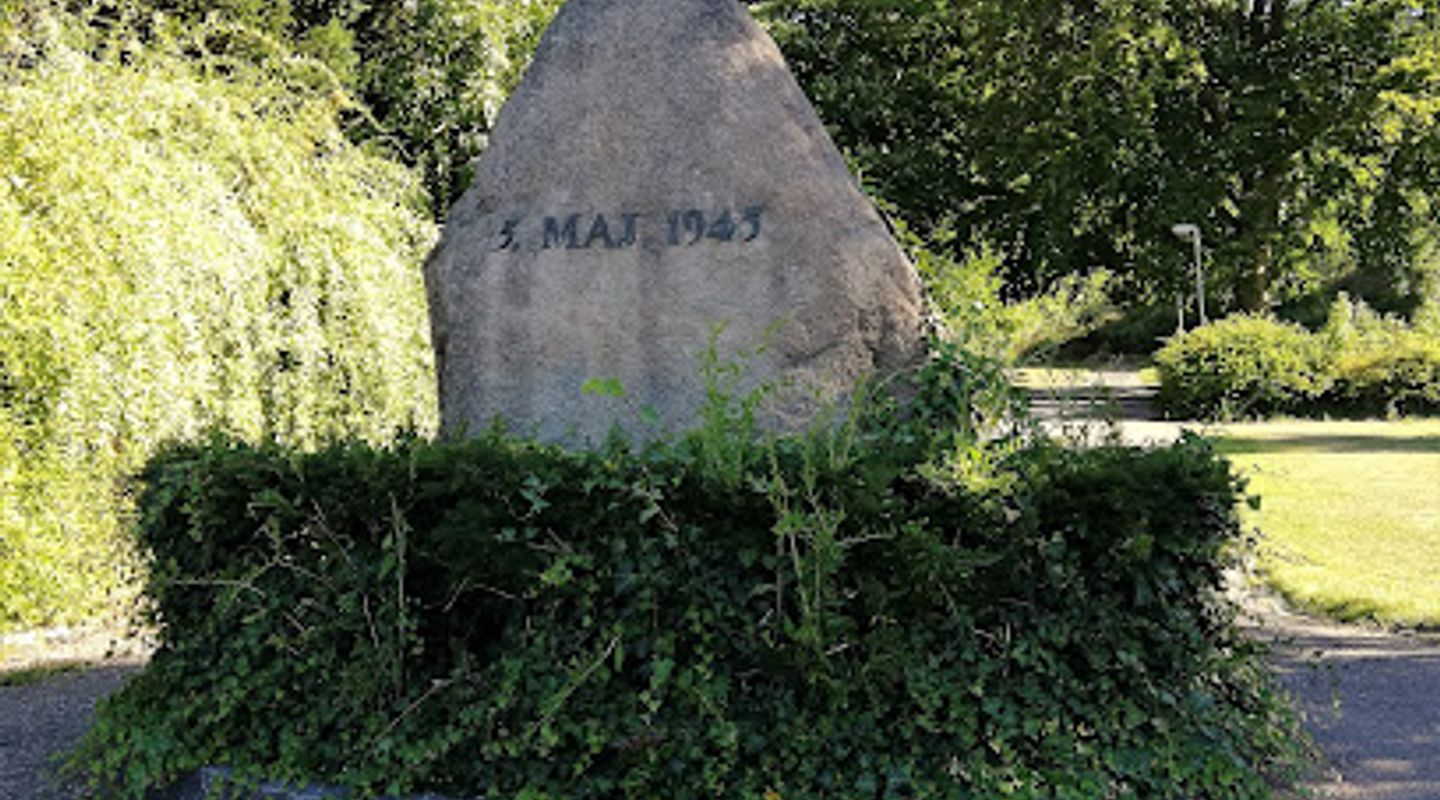
Free Guide: A modest boulder on a quiet rise near Kalundborg, the Befrielsessten is a simple yet powerful World War II liberation memorial set in a peaceful green pocket.


A brief summary of Befrielsessten i Kalundborg
A modest boulder on a quiet rise near Kalundborg, the Befrielsessten is a simple yet powerful World War II liberation memorial set in a peaceful green pocket.
Tucked on a quiet rise just outside central Kalundborg, the Befrielsessten is a modest yet moving liberation stone commemorating Denmark’s freedom at the end of World War II. This simple boulder, inscribed and framed by grass, hedges and a few trees, forms a tiny memorial park where you can pause, reflect and imagine the relief that swept across the country in May 1945. It is an unassuming, free, always-open stop that adds a layer of history to any visit to Kalundborg.
On-site amenities
 Seating areas
 Trash bins
 Information boards
Opening hours
- Every dayOpen 24 hours
Opening hours as listed on the venue’s Google Business Profile. Hours can change for services and special events, so check with the venue before you go.
- Address
- Unnamed Road,4400, 4400
Getting there
Walking from central Kalundborg
Local bus within Kalundborg
Taxi from Kalundborg station area
Discover more about Befrielsessten i Kalundborg
A quiet stone with a powerful date
The Befrielsessten in Kalundborg is one of Denmark’s many liberation stones, raised after World War II to mark the country’s regained freedom in May 1945. Set slightly apart from busy streets, this boulder stands in a small green enclave, its inscription recording the liberation date that changed everyday life across the country. There is no grand monument here, just a solid piece of rock carrying a simple message of freedom and remembrance.Liberation stones like this were often funded and erected by local communities, and Kalundborg is no exception. The stone reflects a very Danish way of commemorating history: understated, grounded in the landscape, and closely tied to the people who lived through the events it marks. Standing in front of it, you are looking at a civic gesture rather than a state spectacle.
A small memorial park in the landscape
The stone sits in what is classified as a memorial park: a small, landscaped patch carved out of the surrounding countryside and quiet side roads. Low grass, a few shrubs and boundary trees form a natural frame, giving the boulder a sense of place without overwhelming it. On a still day, you mostly hear the wind, distant traffic and the calls of birds crossing the fields around Kalundborg.Because the area is open at all hours, it often feels like an extension of the surrounding landscape rather than a fenced-off site. You can step off the path, walk right up to the stone, circle it slowly and read the inscription at your own pace. The modest scale invites a short but focused visit, especially when combined with other sights in Kalundborg.
Freedom remembered in everyday life
Across Denmark, liberation stones were placed in spots where people naturally passed by: near paths, village greens or small hills with a bit of visibility. The Kalundborg stone follows this tradition. It stands where local residents and walkers can easily include it in their daily route, turning remembrance into a small, recurring part of ordinary life rather than a once-a-year ceremony.The symbolism is straightforward. The stone’s permanence contrasts with the fragile years of occupation it commemorates. Its rough surface and simple inscription underline that freedom is not decorative but fundamental. Even if you only spend a few minutes here, it provides a concrete anchor for understanding how the end of the war is woven into Denmark’s townscapes.
A reflective pause during your Kalundborg day
For visitors, the Befrielsessten is a brief, thoughtful stop rather than a major excursion. It pairs well with a walk or bike ride around Kalundborg’s outskirts, offering a quiet pause between more visually dramatic sights such as churches, harbor views or old streets. The open setting means you can linger as long as you like, perhaps sitting on the grass nearby if conditions allow.There are no crowds, ticket booths or long explanations; this is a place where you supply the questions and reflections yourself. Bringing a bit of background about Denmark’s occupation and liberation helps deepen the experience, but even without that context, the stone’s dignity and the gentle surroundings convey a sense of respect.
Simple, free and always accessible
Practicalities are straightforward. There is no entrance fee, and the memorial space is accessible at all times of day. The open-air setting makes it easy to step in and out quickly, yet it rewards those who give it a few extra minutes of attention. A short visit is enough to photograph the stone, read the inscription and take in the setting, while a longer stay turns this modest memorial into a moment of personal contemplation.Because it is small and uncommercial, the Befrielsessten suits travelers who appreciate low-key historical places. It works well as a stop on a wider exploration of Kalundborg, adding a human, twentieth-century layer to a town better known for medieval and maritime heritage.
Evendo Review Centre
 Google
Guest reviews
Best time to go
Quietest: Jan, Feb & Nov · before 8am or at 8pm
Busy times are Evendo estimates for a typical year, to help you plan. Actual crowds vary with events, school holidays and the weather.
Explore Befrielsessten i Kalundborg on the map
A handpicked selection of must-see spots near Befrielsessten i Kalundborg, mapped for you.
Get your free copy of our complete guide to Befrielsessten i Kalundborg, delivered straight to you.
Everything on this page, from opening hours and how to get there to Eve’s tips and the best time to go, in one PDF you can read offline, print or share.
Already have an account? Sign in
Your Befrielsessten i Kalundborg guide is ready.
We'll send it to · Not you? Sign out

Getting your guide ready…
We are putting together a fresh copy of the Befrielsessten i Kalundborg guide. This can take up to a minute.
This can take a few moments. If your browser asks, choose Allow so the download can start. You'll find the guide in your Downloads folder.
Nothing happened? Download it again
Sorry, the guide is taking longer than usual. Please try again in a minute, or get it by email instead.
Other nearby places you may find interesting
The closest places of the same kind, if this one is not quite what you had in mind.
-
-
-
-
-


Swipe for more places
More to explore near Befrielsessten i Kalundborg
-
 Best experiences near Befrielsessten i Kalundborg
-
 Best hotels near Befrielsessten i Kalundborg
-
 Best landmarks near Befrielsessten i Kalundborg
-
 Best attractions near Befrielsessten i Kalundborg
-
 Best shops near Befrielsessten i Kalundborg
-
 Best restaurants near Befrielsessten i Kalundborg
-
 Best bars near Befrielsessten i Kalundborg


Do you manage this location?
Take control to get all the benefits, like improved information, better appearance, and stronger visibility across AI-powered discovery.
Explore more

Explore more of Kalundborg
Discover Kalundborg, a picturesque Danish town with rich history, stunning landscapes, and a vibrant cultural scene. Perfect for nature lovers and history enthusiasts alike.
Explore Kalundborg
Explore more of Denmark
Discover Denmark: A perfect blend of history, modern design, and the cozy concept of hygge. Explore vibrant cities, serene landscapes, and world-class cuisine.
Explore Denmark
