City Hall Square, Køge Travel Guide
Free Guide: Copenhagen’s urban living room: a grand civic square where City Hall, sculptures, street life and Strøget’s bustle meet at the very heart of the capital.


A brief summary of City Hall Square
Copenhagen’s urban living room: a grand civic square where City Hall, sculptures, street life and Strøget’s bustle meet at the very heart of the capital.
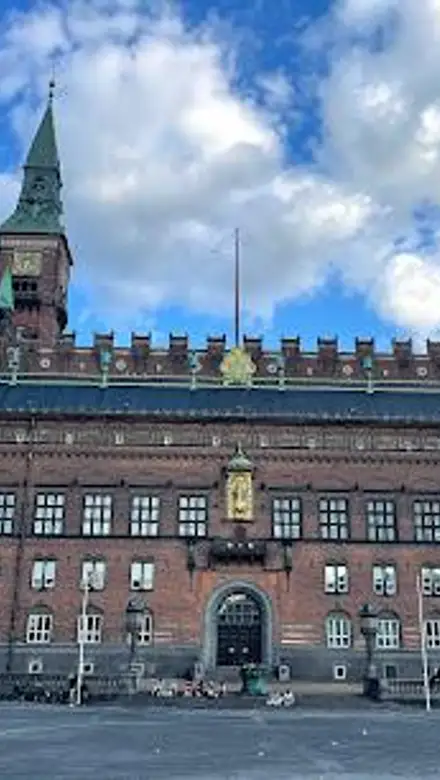
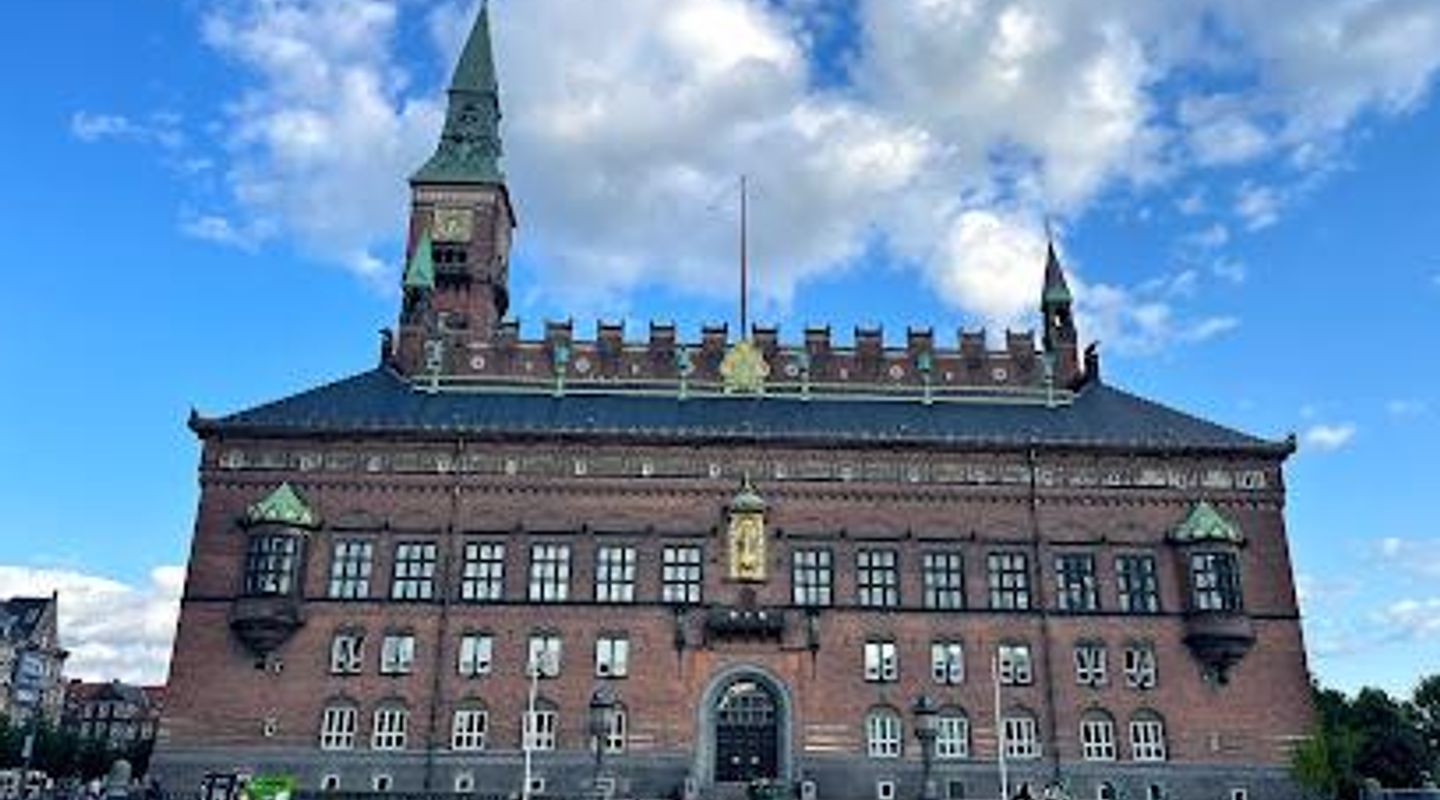
City Hall Square, or Rådhuspladsen, is Copenhagen’s central urban stage: a broad, open plaza framed by the red‑brick City Hall, historic façades and lively cafés. It marks the official start of Strøget, one of Europe’s longest pedestrian shopping streets, and sits beside Tivoli Gardens, making it a natural meeting point. Fountains, sculptures, the famous Weather Girl, and constant events and gatherings give the square a distinctly Danish blend of civic pride and relaxed, people‑watching charm.
On-site amenities
 Restrooms
 Drink options
 Drinking water
 Food options
 Seating areas
 Trash bins
 Information boards
 Visitor centre
- Address
- 1599 Copenhagen
- Phone
- Website
Getting there
Metro
Bus
Bicycle
Walking
Discover more about City Hall Square
The civic heart of modern Copenhagen
City Hall Square is one of Copenhagen’s great gathering spaces, a broad urban plaza unfolding in front of the red‑brick City Hall. Once a hay market at the edge of the old town, it has been reshaped many times into the symbolic front room of the Danish capital. Today the square forms a natural hinge between medieval streets, grand boulevards and the amusement lights of Tivoli Gardens just across the traffic.This is where the city comes together for milestones and moments that matter. Large concerts, sporting celebrations, demonstrations, outdoor exhibitions and Copenhagen Pride all use the square as their urban stage. On quieter days, it shrinks back to a human scale: commuters streaming out of the metro, friends meeting under the clocktower, and street vendors serving hot dogs or coffee to people lingering on the edges.
Architecture, sculptures and small urban stories
The square is dominated by Copenhagen City Hall, completed in 1905 in a blend of Nordic historicism and Italian Renaissance inspiration. Its tall clocktower rises above the plaza, while a gilded statue of Bishop Absalon, the city’s legendary founder, watches over the scene from the façade. Inside the building lies Jens Olsen’s World Clock, an extraordinary astronomical clockwork that underlines the City Hall’s role as a keeper of civic time.Scattered across the square are sculptures that each add a layer of character. The Dragon Fountain, depicting a dragon locked in battle with a bull, brings a touch of mythology to the traffic circle. Nearby stands a statue of Hans Christian Andersen, facing towards Tivoli Gardens and linking the fairy‑tale imagination of Denmark’s most famous writer with the contemporary city.
The gateway to Strøget and the old town
On the northeast side of the square, the paving gently funnels into Strøget, the pedestrian artery that threads through the inner city. This makes City Hall Square both a destination and a starting line: from here, you can wander past department stores, flagship shops and side alleys that still follow medieval plots. The transition from open plaza to narrow shopping street is one of central Copenhagen’s defining spatial experiences.Around the edges, tall early‑20th‑century buildings, hotels and offices create a continuous urban wall. Look up and you’ll spot the famous Weather Girl on the Richs Building: on sunny days she rides her bicycle out above the square; on rainy days she appears walking her dog under an umbrella. It is a playful, mechanical forecast that has become part of the city’s everyday theatre.
Life between fountains, trams and traffic
City Hall Square is also one of Copenhagen’s main public‑transport hubs. Buses fan out from the northern side, and a metro station links the plaza to the wider region. The interplay of cyclists, buses, pedestrians and taxis gives the space a constant low‑level hum, softened by the absence of through‑traffic in the adjacent pedestrian streets.Despite the movement, there are plenty of places to pause. Benches along the façades and low steps near the fountains double as informal seating. In summer, you may find street performers using the open space as a stage, while food stands and nearby cafés provide easy fuel for people‑watching. Even in winter, the glow from surrounding buildings and Tivoli’s lights keeps the square from ever feeling empty.
From historic backdrop to everyday living room
What makes City Hall Square distinctive is how it balances ceremonial grandeur with a lived‑in, approachable atmosphere. The monumental architecture and statues frame a space that is used less as a museum piece and more as a civic living room. Locals cross it on their daily routines, couples pause for photos under the tower, and festival stages rise and disappear across the seasons.For visitors, it offers an instant introduction to the rhythm of Copenhagen: the mix of bicycles and buses, historic brick and neon signage, political banners and ice‑cream cones. Stand here for a while and the city effectively comes to you, unfolding in all directions from this open, adaptable, and unmistakably Danish square.
Evendo Review Centre
 Google
Guest reviews
Best time to go
Quietest: Jan, Feb & Mar · at 1am or at 2am or at 5am
Busy times are Evendo estimates for a typical year, to help you plan. Actual crowds vary with events, school holidays and the weather.
Explore City Hall Square on the map
A handpicked selection of must-see spots near City Hall Square, mapped for you.
Get your free copy of our complete guide to City Hall Square, delivered straight to you.
Everything on this page, from opening hours and how to get there to Eve’s tips and the best time to go, in one PDF you can read offline, print or share.
Already have an account? Sign in
Your City Hall Square guide is ready.
We'll send it to · Not you? Sign out

Getting your guide ready…
We are putting together a fresh copy of the City Hall Square guide. This can take up to a minute.
This can take a few moments. If your browser asks, choose Allow so the download can start. You'll find the guide in your Downloads folder.
Nothing happened? Download it again
Sorry, the guide is taking longer than usual. Please try again in a minute, or get it by email instead.
Unlock the best of City Hall Square
Skip-the-line tickets, guided tours with entry, and walking tours of the area, booked in a few clicks.



Other nearby places you may find interesting
The closest places of the same kind, if this one is not quite what you had in mind.
-
Køge Miniby Step into Køge’s past at 1:10 scale, where hand-built model houses, harbour scenes and church spires recreate the market town of 1865 in a tranquil seaside garden.
-
Køge Museum Time‑travel through Køge’s past inside a 17th‑century merchant’s house where Viking treasures, buried secrets and a tranquil courtyard meet in one intimate museum.
-
Ølsemagle Revle A shifting sandbar of shallow lagoons, rich birdlife and wide sandy beaches, where Køge’s urban edge gives way to one of Zealand’s most evocative coastal nature reserves.
-
Solgårdsparken Romantic coastal park between Køge Bay and Tryggevælde River, where historic garden design, tranquil nature, play areas and reflective audio stories meet in one green retreat.
-
Vandkunsten - Stationspladsen A sculptural fountain anchoring Køge’s station square, where moving water, stone and light turn a busy transport hub into an inviting urban meeting place.
Swipe for more places
More to explore near City Hall Square

 Best experiences near City Hall Square
 Best hotels near City Hall Square
 Best landmarks near City Hall Square
 Best attractions near City Hall Square
 Best shops near City Hall Square
 Best restaurants near City Hall Square
 Best bars near City Hall Square
Do you manage this location?
Take control to get all the benefits, like improved information, better appearance, and stronger visibility across AI-powered discovery.
Explore more
Explore more of Køge
Explore Køge, Denmark's coastal gem, with its medieval charm, beautiful marina, and close proximity to the stunning Stevns Klint UNESCO World Heritage site.
Explore Køge
Explore more of Denmark
Discover Denmark: A perfect blend of history, modern design, and the cozy concept of hygge. Explore vibrant cities, serene landscapes, and world-class cuisine.
Explore Denmark