
Frederiksberg Allé, Koge Travel Guide
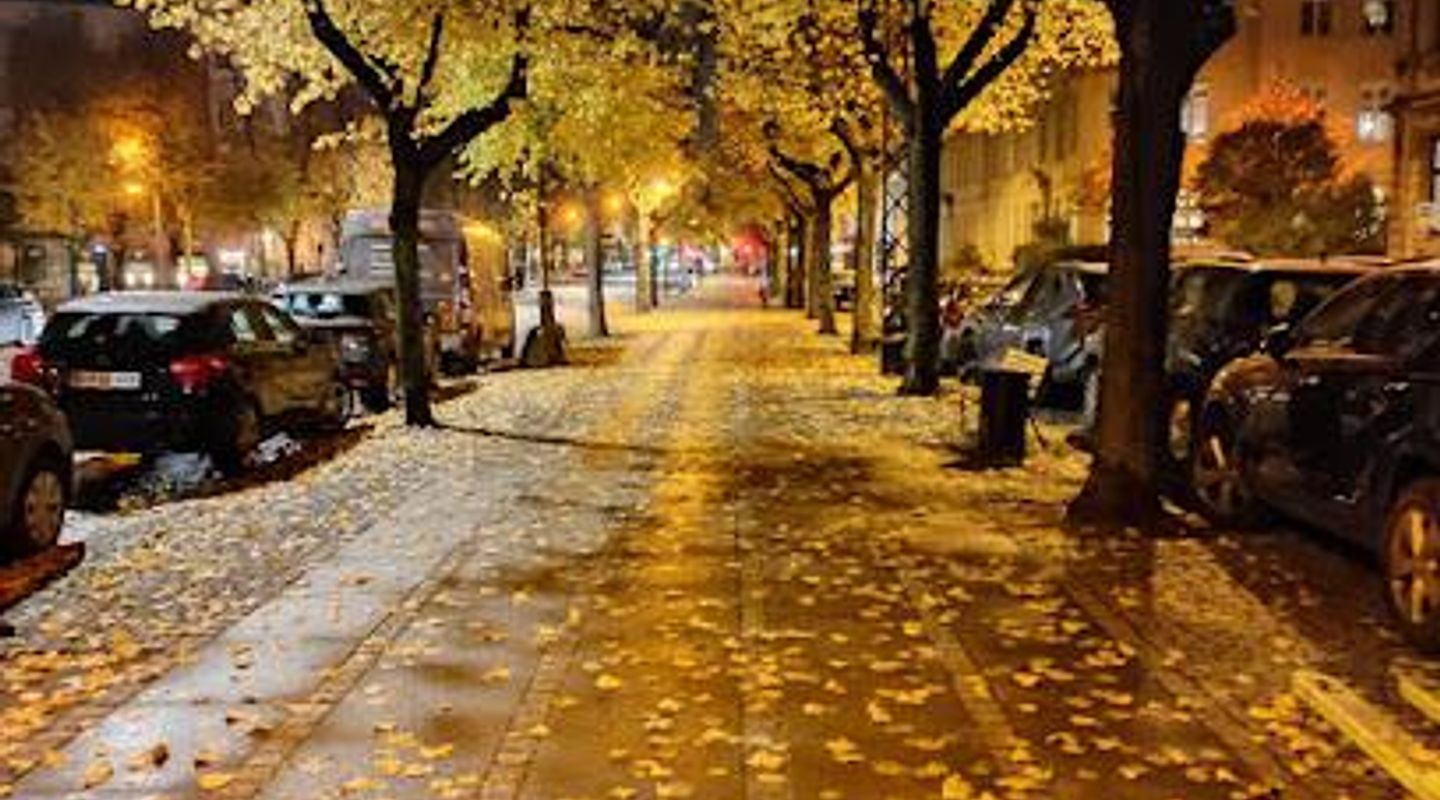
Historic royal boulevard turned leafy city promenade, linking theatres, cafés and classic townhouses with the grand entrance to Frederiksberg Gardens.
Frederiksberg Allé is Copenhagen’s classic tree-lined boulevard, stretching between lively Vesterbrogade and the grand entrance to Frederiksberg Gardens. Once a royal route to Frederiksberg Palace, it is now a graceful avenue of linden trees, handsome 19th‑century facades, theatres, cafés, and boutiques. Come for a leisurely stroll, soak up its almost Parisian atmosphere, and use it as a stylish gateway into one of the city’s greenest districts.
A brief summary to Frederiksberg Allé
- Frederiksberg Municipality, Frederiksberg C, DK
- Duration: 0.5 to 2 hours
- Free
-
 Outdoor
- Mobile reception: 5 out of 5

Know before you go
Hi, I'm Eve. Here are a few practical things to know before exploring Frederiksberg Allé.
- Walk the full length from Vesterbrogade to Frederiksberg Gardens to appreciate how the atmosphere shifts from urban bustle to leafy calm.
- Plan your stroll around a matinee or evening performance at one of the theatres on the avenue to experience its cultural side.
- Visit in late spring or early summer when the linden trees are in full leaf for the most atmospheric, green tunnel effect.
- Combine your visit with time in Frederiksberg Gardens and up by Frederiksberg Palace for a half‑day of parks, history and architecture.
- Bring a camera or phone with plenty of battery; the mix of trees, façades and long perspectives makes for excellent cityscape photos.
Do you manage this location?
Take control to get all the benefits, like improved information, better appearance, and stronger visibility across AI-powered discovery. Learn more about listing your business on Evendo
Activate your presenceOther nearby places you may find interesting
The closest places of the same kind, if this one is not quite what you had in mind.
Explore Frederiksberg Allé on the Map
A handpicked selection of must-see spots near Frederiksberg Allé, mapped for you.
Unlock the Best of Frederiksberg Allé
Buy tickets
-
No tickets available
Book tours with entry
-
No tours available
Book tours without entry

Getting There
-
Metro within Copenhagen
From Copenhagen Central Station, take the M3 Cityringen metro and ride three stops to Frederiksberg Allé Station, directly by the boulevard. The journey takes about 8–10 minutes including waiting time. A single metro ticket within the central fare zones typically costs around 20–30 DKK, and trains run every few minutes throughout most of the day.
-
City bus from inner Copenhagen
Several city bus lines run along or close to Vesterbrogade and Frederiksberg, reaching stops near the eastern end of Frederiksberg Allé in roughly 10–20 minutes from central areas such as Rådhuspladsen or Nørreport. Expect to pay around 20–30 DKK for a single bus fare within the city zones. Buses operate frequently during the day, with reduced frequency in late evenings and on weekends.
-
Cycling from central districts
From central Copenhagen, Frederiksberg Allé is an easy cycle of about 10–20 minutes, depending on your starting point, using the city’s dedicated bike lanes almost the entire way. Terrain is flat and suitable for most riders. You can use public bike‑share services or rental bikes, which commonly cost in the range of 50–150 DKK for a few hours or a day, depending on the provider.
-
Taxi from city centre
A taxi ride from central locations such as Nyhavn or the main shopping streets to Frederiksberg Allé usually takes 10–20 minutes, depending on traffic. Typical fares fall in the range of 120–220 DKK for this distance. Taxis can drop you along the avenue itself, but be aware that traffic may be slower during weekday rush hours.
For the on-the-go comforts that matter to you
-
 Restrooms
-
 Drink Options
-
 Drinking Water
-
 Food Options
-
 Seating Areas
-
 Trash Bins
-
 Information Boards
Discover more about Frederiksberg Allé
A royal road turned city boulevard
Frederiksberg Allé began life in the early 1700s as a private ceremonial road for the Danish king, leading from Copenhagen’s western edge to his summer residence at Frederiksberg Palace. Laid out in the Baroque fashion, it was designed as a stately approach, straight and symmetrical, framed by orderly rows of trees. For more than a century only the court and invited guests were allowed to use it, underlining its exclusive status.Over time the surrounding countryside was gradually absorbed into the growing city. The royal gate disappeared, the road opened to everyone, and Frederiksberg Allé transformed from secluded driveway to urban promenade. Yet the sense of occasion has never quite left; you still feel you are walking a route charged with history, connecting city streets to palace gardens in a single, elegant line.Linden trees and architectural elegance
Today the avenue runs for just over a kilometre, shaded by double rows of mature linden trees that create a green tunnel for much of its length. In spring the new leaves soften the light; in summer the canopy hums with bees; in autumn the path becomes a carpet of gold. Even on busy days, the trees filter traffic noise and give the street a calm, almost cinematic quality.On either side rise late 19th‑ and early 20th‑century townhouses with stucco ornament, wrought‑iron balconies and tall windows. Many ground floors house cafés, wine bars and small shops, while upper floors remain residential. The architecture is varied but harmonious, and as you walk you can trace subtle shifts from grand corner buildings near Vesterbrogade to quieter, villa‑like properties closer to the gardens.Theatres, culture and café life
Frederiksberg Allé has long been associated with entertainment. Pleasure gardens and theatres once lined the road, drawing Copenhagen’s fashionable crowds for evenings of music and spectacle. That tradition continues in the form of venues such as the Betty Nansen Theatre and Aveny-T, which keep the performing arts firmly rooted along the boulevard.Between the cultural institutions you will find plenty of places to pause: pavement cafés where locals linger over coffee, bakeries with tempting pastries, and small boutiques reflecting Frederiksberg’s upscale but relaxed character. The pace is gentler than in the city centre. People walk dogs, push prams and cycle past with baskets full of flowers or groceries, giving the street a distinctly local rhythm.The green gateway to Frederiksberg Gardens
At its western end, Frederiksberg Allé flows directly into Frederiksberg Runddel, a gracious forecourt that marks the main entrance to Frederiksberg Gardens. This makes the avenue an ideal prelude to exploring one of Copenhagen’s largest historic parks, with its canals, lawns and views up to the palace. The shift from boulevard to landscaped greenery feels natural, as if the trees of the street simply open out into parkland.Because the avenue is flat and broad, it is very walkable and also popular with cyclists heading between inner Copenhagen and Frederiksberg. Benches dotted along the central promenade invite you to sit and watch daily life unfold: commuters on bikes, children weaving between tree trunks, and neighbours stopping to chat beneath the branches.Experiencing the avenue through the seasons
Frederiksberg Allé rewards repeat visits. On bright winter days the bare trees frame long views to the palace hill; in late afternoons the streetlights and theatre façades lend it a cosy glow. Spring brings blossom and a feeling of renewal, while summer evenings can feel almost Mediterranean when café terraces spill onto the wide pavements. In autumn, the foliage adds rich colour to the pale façades.Whether you treat it as a destination in its own right or as a scenic route to parks and palaces, the avenue offers a refined slice of Copenhagen life. It is grand without being overwhelming, elegant yet lived‑in, and manages to combine royal history, everyday neighbourhood routines and generous greenery in a single, memorable stroll.












Your all‑in‑one travel companion app
Explore expert travel guides, compare and book tours, experiences, hotels, and more—all from the palm of your hand. Download now for seamless trip planning wherever your wanderlust takes you.


Explore More of Koge
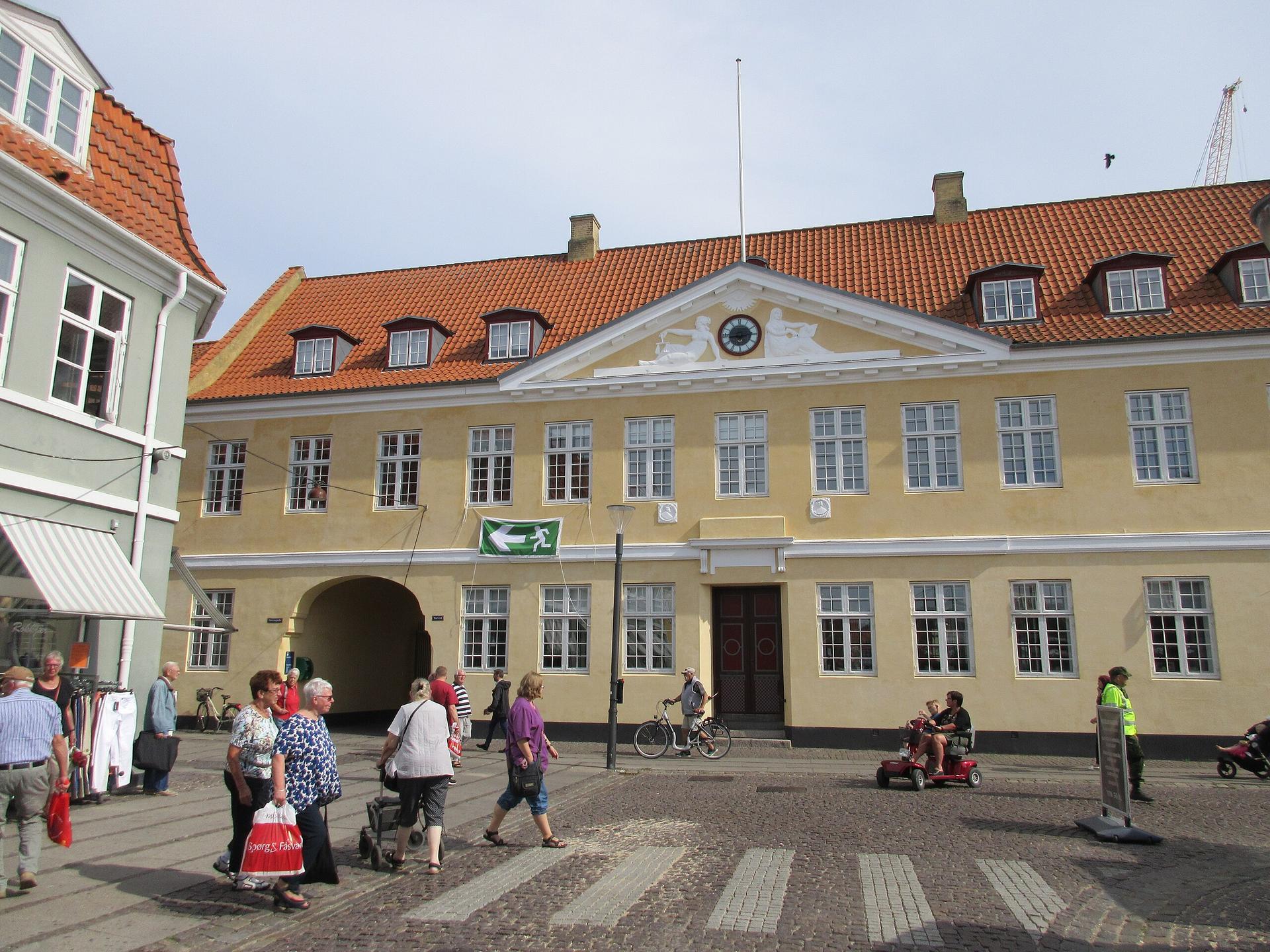
Looking beyond Frederiksberg Allé? Discover Koge for broader travel guides, local hot-spots, and regional highlights.
Explore Koge
Explore the Frederiksberg Walk of Fame, where Denmark's cultural legends are celebrated along a historic, tree-lined avenue.
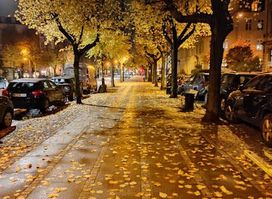
Copenhagen’s historic royal boulevard, where linden trees, theatres and elegant façades lead from city bustle to the green calm of Frederiksberg Gardens.
