

Nikolaj Art Gallery, Køge Travel Guide
Free Guide: A soaring former church in central Copenhagen where centuries-old brickwork, a towering spire and intimate galleries meet bold, experimental contemporary art.


A brief summary of Nikolaj Art Gallery
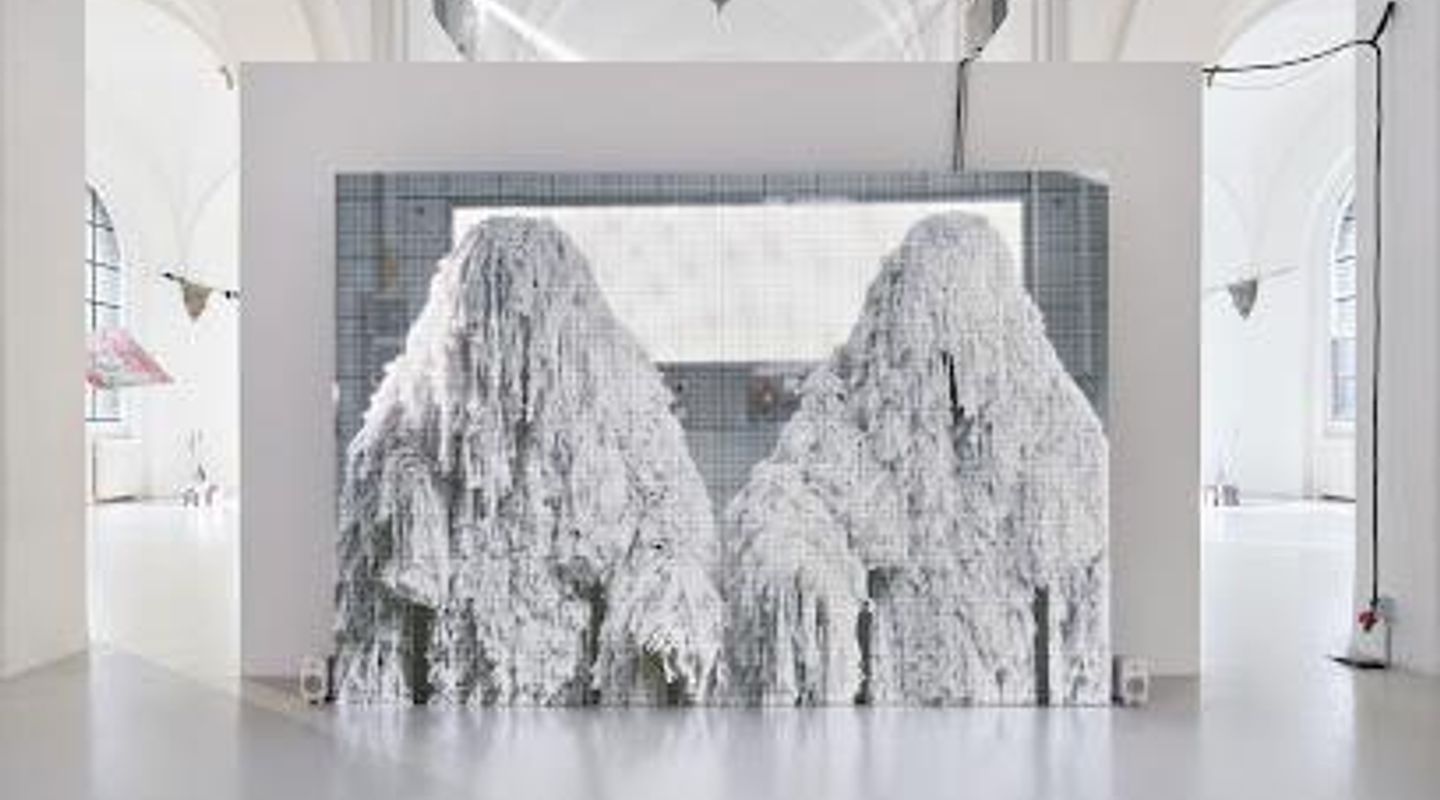
A soaring former church in central Copenhagen where centuries-old brickwork, a towering spire and intimate galleries meet bold, experimental contemporary art.
Nikolaj Kunsthal is Copenhagen’s contemporary art centre housed in the former St Nicholas Church on Nikolaj Plads, a few steps from the city’s main sights. Inside the soaring whitewashed nave and beneath one of the tallest towers in town, changing exhibitions highlight experimental Danish and international art, often crossing over into performance, sound and video. A café and intimate square outside add a relaxed, urban feel to this fusion of Gothic heritage and cutting-edge creativity.
On-site amenities
 Restrooms
 Drink options
 Food options
 Seating areas
 Trash bins
 Information boards
Opening hours
- MonClosed
- Tue11 am–6 pm
- Wed11 am–6 pm
- Thu11 am–6 pm
- Fri11 am–6 pm
- Sat11 am–5 pm
- Sun11 am–5 pm
Opening hours as listed on the venue’s Google Business Profile. Hours can change for services and special events, so check with the venue before you go.
- Address
- Nikolaj Plads 10, 1067 København
- Phone
- Website
Getting there
Metro
Bus
Bicycle
On Foot from Strøget area
Discover more about Nikolaj Art Gallery
Medieval tower, modern imagination
Nikolaj Kunsthal occupies the former St Nicholas Church, whose roots reach back to the 1200s in the very heart of Copenhagen’s Inner City. The present church hall was rebuilt in the early 20th century as a monument to the medieval church that once stood here, while the brick tower, later crowned with a copper spire, still commands the skyline between Christiansborg and Kongens Nytorv. Step inside and you enter a soaring late-Gothic inspired space of tall arcades and pale walls, a dramatic backdrop for contemporary installations.The building’s history is anything but static. After the Great Fire of Copenhagen in the late 18th century, only the tower survived. For decades it served as a fire lookout and later as a bustling butchers’ market, giving the surrounding area the nickname “Maven” – the stomach. In the 20th century, it morphed again, successively housing a library, naval museum and, eventually, a pioneering “art library” where visitors could borrow works for a symbolic fee, paving the way for today’s art centre.
Contemporary art in a church that never quite was
Although every arch and window suggests a consecrated church interior, the current nave was never used as a place of worship. Instead, it was conceived from the start as a cultural space that would echo the vanished medieval church. This gives Nikolaj Kunsthal a distinctive character: part homage, part reinvention. The restored brickwork, Neo-Baroque windows and reconstructed tower all speak of age and continuity, yet the interior is deliberately stripped back to let exhibitions take over.Today the centre stages a handful of major exhibitions each year, often featuring experimental, cross-disciplinary work. Danish and international artists use the vertical volume of the nave, side chapels and the more intimate Tower Room to present installations, film, sound pieces and performance-based projects. The play between sacred proportions and contemporary themes lends even the most conceptual works a sense of occasion.
Spaces, light and atmosphere
Moving through the building, you encounter a series of contrasting spaces: the broad Lower Gallery at ground level, the more secluded Upper Gallery above, and the atmospheric rooms inside the tower. High ceilings filter daylight through tall windows, shifting the mood throughout the day and subtly reshaping each exhibition. Quiet alcoves allow you to pause, while open sightlines draw your eye up toward the rafters and spire.A recent architectural refurbishment has gently woven in new elements without overwhelming the historical shell. Discreet lighting, hidden services and carefully chosen materials for the café and shop echo the masonry and timber of the original structure. The result feels both calming and alive, a place where you can sense centuries of history underfoot while engaging with very current ideas and images.
The square, the café and daily life
Outside, Nikolaj Plads is a compact, cobbled square with an unexpectedly intimate feel given its central location. In warmer months the café spreads tables outdoors beneath the tower, turning the church’s base into a lively social hub. Office workers, art students and families drift through, blurring the line between gallery and everyday city life.Inside, the café forms a natural gathering point between exhibition halls. It functions as a quiet retreat on weekdays and a buzzing meeting place during openings, talks or concerts. This social dimension is central to the art centre’s identity: not just a place to look at art, but somewhere to linger over a coffee, browse a book, or discuss an installation framed by centuries-old brick.
A flexible hub for culture and ideas
Beyond exhibitions, Nikolaj Kunsthal regularly hosts performances, artist talks, screenings and cross-genre events that make full use of its acoustics and architecture. Video art festivals, sound-based works and site-specific projects often respond directly to the building’s height, reverberation and play of light. Educational activities introduce younger audiences to contemporary art in a setting that feels at once grand and approachable.For many visitors, the real appeal lies in this tension between past and present. The medieval foundations, rebuilt church room and restored tower provide a tangible sense of Copenhagen’s layered history, while the art on display shifts with each season. Whether you are drawn primarily to architecture or to avant-garde creativity, Nikolaj Kunsthal offers a concentrated glimpse of how a historic city continually reinvents its cultural heart.
Evendo Review Centre
 Google
Guest reviews
Best time to go
Quietest: Jan, Feb & Mar · before 8am or from 9pm
Busy times are Evendo estimates for a typical year, to help you plan. Actual crowds vary with events, school holidays and the weather.
Explore Nikolaj Art Gallery on the map
A handpicked selection of must-see spots near Nikolaj Art Gallery, mapped for you.
Get your free copy of our complete guide to Nikolaj Art Gallery, delivered straight to you.
Everything on this page, from opening hours and how to get there to Eve’s tips and the best time to go, in one PDF you can read offline, print or share.
Already have an account? Sign in
Your Nikolaj Art Gallery guide is ready.
We'll send it to · Not you? Sign out

Getting your guide ready…
We are putting together a fresh copy of the Nikolaj Art Gallery guide. This can take up to a minute.
This can take a few moments. If your browser asks, choose Allow so the download can start. You'll find the guide in your Downloads folder.
Nothing happened? Download it again
Sorry, the guide is taking longer than usual. Please try again in a minute, or get it by email instead.
Unlock the best of Nikolaj Art Gallery
Skip-the-line tickets, guided tours with entry, and walking tours of the area, booked in a few clicks.
 Tour with entry
Copenhagen City Highlights Group Walking Tour
from $30.25 Tour with entry
Escape The City Kopenhagen City Walk With Puzzles
from $31.80 Tour with entry
Copenhagen Highlights: Small Group Walking Tour - Max 10 people
from $44.59 Tour with entry
Danish Hygge and Culture Walking Tour in Copenhagen Old Town
from $63.70


Other nearby places you may find interesting
The closest places of the same kind, if this one is not quite what you had in mind.
-
Køge Miniby Step into Køge’s past at 1:10 scale, where hand-built model houses, harbour scenes and church spires recreate the market town of 1865 in a tranquil seaside garden.
-
Køge Museum Time‑travel through Køge’s past inside a 17th‑century merchant’s house where Viking treasures, buried secrets and a tranquil courtyard meet in one intimate museum.
-
Ølsemagle Revle A shifting sandbar of shallow lagoons, rich birdlife and wide sandy beaches, where Køge’s urban edge gives way to one of Zealand’s most evocative coastal nature reserves.
-
Solgårdsparken Romantic coastal park between Køge Bay and Tryggevælde River, where historic garden design, tranquil nature, play areas and reflective audio stories meet in one green retreat.
-
Vandkunsten - Stationspladsen A sculptural fountain anchoring Køge’s station square, where moving water, stone and light turn a busy transport hub into an inviting urban meeting place.
Swipe for more places
More to explore near Nikolaj Art Gallery

 Best experiences near Nikolaj Art Gallery
 Best hotels near Nikolaj Art Gallery
 Best landmarks near Nikolaj Art Gallery
 Best attractions near Nikolaj Art Gallery
 Best shops near Nikolaj Art Gallery
 Best restaurants near Nikolaj Art Gallery
 Best bars near Nikolaj Art Gallery
Do you manage this location?
Take control to get all the benefits, like improved information, better appearance, and stronger visibility across AI-powered discovery.
Explore more
Explore more of Køge
Explore Køge, Denmark's coastal gem, with its medieval charm, beautiful marina, and close proximity to the stunning Stevns Klint UNESCO World Heritage site.
Explore Køge
Explore more of Denmark
Discover Denmark: A perfect blend of history, modern design, and the cozy concept of hygge. Explore vibrant cities, serene landscapes, and world-class cuisine.
Explore Denmark
