

Ny Carlsberg Glyptotek, Køge Travel Guide
Free Guide: A palm-filled winter garden wrapped in world-class sculpture and 19th‑century art, Ny Carlsberg Glyptotek is Copenhagen’s most atmospheric refuge for art and light.


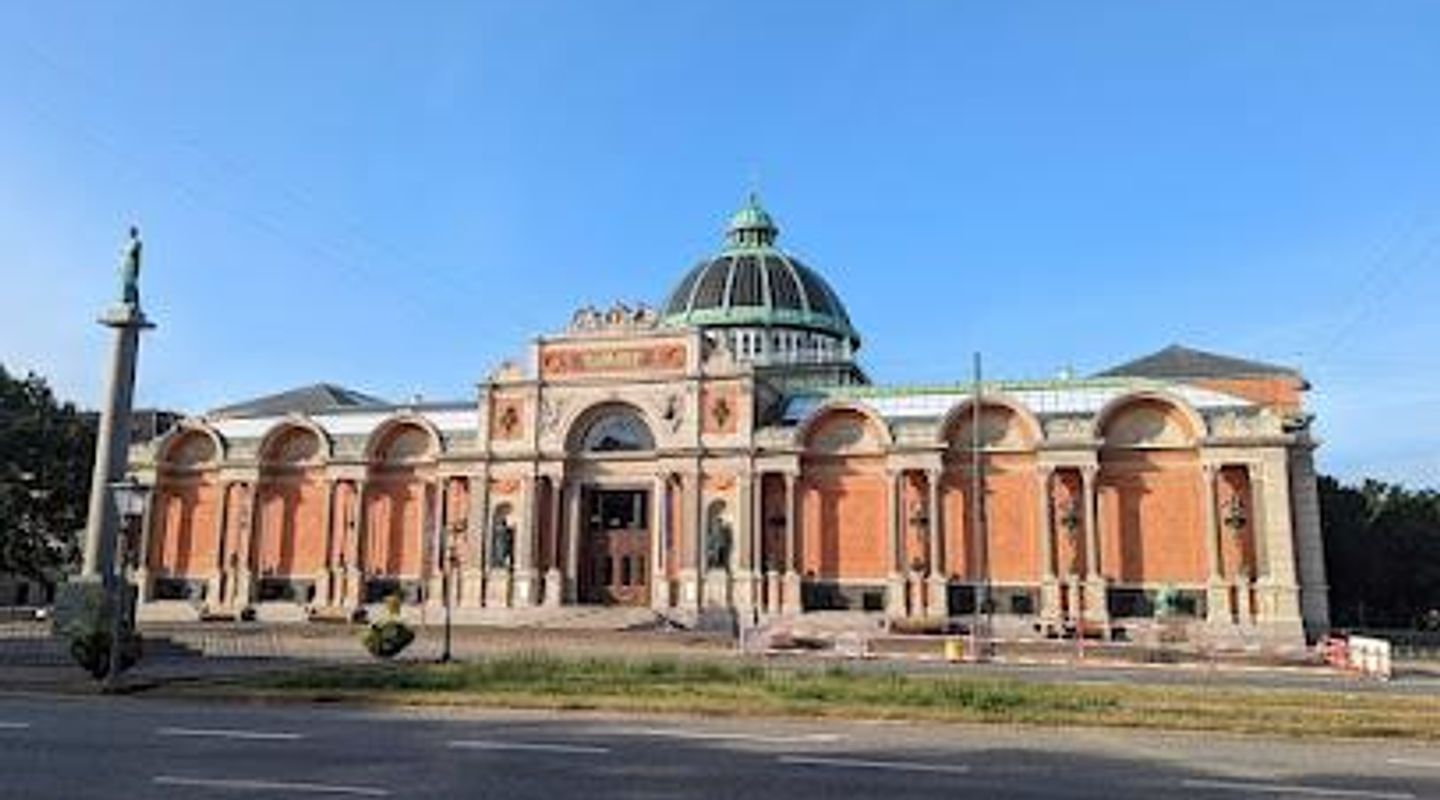
A brief summary of Ny Carlsberg Glyptotek
A palm-filled winter garden wrapped in world-class sculpture and 19th‑century art, Ny Carlsberg Glyptotek is Copenhagen’s most atmospheric refuge for art and light.
Ny Carlsberg Glyptotek is Copenhagen’s atmospheric temple of art, where a lush palm-filled winter garden meets world-class collections of ancient sculpture and 19th‑century painting. Founded in 1897 by brewer and art patron Carl Jacobsen, the museum spans Egyptian mummies, Greek and Roman marbles, and Danish and French masters like Degas, Rodin and Gauguin. Glass-roofed courtyards, calm galleries and a rooftop terrace with city views make it as much a sanctuary of architecture and light as a showcase of art.
On-site amenities
 Restrooms
 Drink options
 Food options
 Lockers
 Seating areas
 Sheltered areas
 Trash bins
 Information boards
 Visitor centre
Opening hours
- MonClosed
- Tue10 am–5 pm
- Wed10 am–5 pm
- Thu10 am–9 pm
- Fri10 am–5 pm
- Sat10 am–5 pm
- Sun10 am–5 pm
Opening hours as listed on the venue’s Google Business Profile. Hours can change for services and special events, so check with the venue before you go.
- Address
- Dantes Plads 7, 1556 København
- Phone
- Website
Getting there
Train and walk from Copenhagen Central Station
Metro and walk via Rådhuspladsen
City bus to the museum area
Bicycle from inner Copenhagen
Discover more about Ny Carlsberg Glyptotek
A brewer’s dream turned art sanctuary
Ny Carlsberg Glyptotek grew out of brewer Carl Jacobsen’s passion for sculpture and his belief that art should be shared with the public. In the late 19th century he donated his growing collection and funded a museum that opened in 1897, just steps from Copenhagen’s historic center. The name “Glyptotek” refers to a collection of carved works, and the building itself feels like a stately palace dedicated to stone, light and greenery.Today the museum holds more than ten thousand works, carefully arranged to unfold stories across time. Its architecture blends richly decorated historic wings with later extensions, all organised around a soaring central winter garden. Even before you see a single masterpiece, the building tells you that this is a place where art, architecture and atmosphere are inseparable.
Ancient worlds in marble and shadow
One half of the museum is devoted to antiquity, leading you through 3,500 years of Mediterranean history. Egyptian galleries present sarcophagi, delicate funerary objects and sculpted heads, lit to emphasise their expressive profiles and hieroglyphic surfaces. Nearby, the Greek and Etruscan rooms open into long vistas of marble statues, from idealised athletes to weathered portraits of philosophers.The Roman collections include emperors, deities and anonymous citizens, their faces caught between power and vulnerability. Thoughtful juxtapositions and clear sightlines invite you to compare styles and periods as you move from one space to the next. Quiet benches and generous natural light encourage slow looking rather than rushing past the pieces.
Nordic light and French modernity
The modern department focuses on 19th‑ and early 20th‑century Danish and French art. In one sequence of rooms you encounter Denmark’s Golden Age, with luminous landscapes and intimate interiors that capture the clarity of Nordic light. Nearby, sculpture galleries showcase Danish artists experimenting with form and movement.French rooms bring you face to face with Impressionism and Post‑Impressionism. Here you can trace shifts in colour and brushwork across works by key figures, including a notable group of pieces by Gauguin. Another highlight is the rich display of sculpture: a complete series of Degas bronzes and numerous works by Rodin illustrate how the human body became a field for psychological exploration as much as physical description.
The winter garden heart of the museum
At the centre of everything lies the winter garden, a glass‑roofed oasis of palm trees, tropical plants and echoing marble floors. A circular pool reflects the light, and classical statues stand among the greenery, softening the line between gallery and garden. It is both a meeting point and a retreat, inviting you to pause between collections.Along one side, the museum café serves light lunches, cakes and drinks, so you can linger in the filtered daylight without leaving the building. On upper levels, a rooftop terrace opens when weather permits, revealing a ring of city towers and red roofs. From here the museum becomes a vantage point, linking its ancient treasures to the living city around it.
Planning your time inside the galleries
With its breadth of collections and layered architecture, Ny Carlsberg Glyptotek rewards at least two to three hours. A focused visit might concentrate on either antiquities or modern art, while a more leisurely exploration covers both wings with time to rest in the winter garden and café. Temporary exhibitions frequently reinterpret the permanent collection, so repeat visits can feel different from one season to the next.Clear signage, elevators and wide corridors make the museum broadly accessible, and lockers help keep larger bags out of the galleries. Photography for personal use is generally allowed without flash, letting you capture details of sculpture, ceiling decoration and the lush central garden. Whether you come for a quick visual escape or a deep dive into art history, the museum offers a calm, cultivated counterpoint to the bustle of central Copenhagen.
Evendo Review Centre
 Google
Guest reviews
Best time to go
Quietest: Jan, Feb & Mar · before 8am or from 10pm
Busy times are Evendo estimates for a typical year, to help you plan. Actual crowds vary with events, school holidays and the weather.
Explore Ny Carlsberg Glyptotek on the map
A handpicked selection of must-see spots near Ny Carlsberg Glyptotek, mapped for you.
Get your free copy of our complete guide to Ny Carlsberg Glyptotek, delivered straight to you.
Everything on this page, from opening hours and how to get there to Eve’s tips and the best time to go, in one PDF you can read offline, print or share.
Already have an account? Sign in
Your Ny Carlsberg Glyptotek guide is ready.
We'll send it to · Not you? Sign out

Getting your guide ready…
We are putting together a fresh copy of the Ny Carlsberg Glyptotek guide. This can take up to a minute.
This can take a few moments. If your browser asks, choose Allow so the download can start. You'll find the guide in your Downloads folder.
Nothing happened? Download it again
Sorry, the guide is taking longer than usual. Please try again in a minute, or get it by email instead.
Unlock the best of Ny Carlsberg Glyptotek
Skip-the-line tickets, guided tours with entry, and walking tours of the area, booked in a few clicks.


Other nearby places you may find interesting
The closest places of the same kind, if this one is not quite what you had in mind.
-
-
-
-
-


Swipe for more places
More to explore near Ny Carlsberg Glyptotek

 Best experiences near Ny Carlsberg Glyptotek
 Best hotels near Ny Carlsberg Glyptotek
 Best landmarks near Ny Carlsberg Glyptotek
 Best attractions near Ny Carlsberg Glyptotek
 Best shops near Ny Carlsberg Glyptotek
 Best restaurants near Ny Carlsberg Glyptotek
 Best bars near Ny Carlsberg Glyptotek
Do you manage this location?
Take control to get all the benefits, like improved information, better appearance, and stronger visibility across AI-powered discovery.
Explore more
Explore more of Køge
Explore Køge, Denmark's coastal gem, with its medieval charm, beautiful marina, and close proximity to the stunning Stevns Klint UNESCO World Heritage site.
Explore Køge
Explore more of Denmark
Discover Denmark: A perfect blend of history, modern design, and the cozy concept of hygge. Explore vibrant cities, serene landscapes, and world-class cuisine.
Explore Denmark
