

Rainbow Square (Regnbuepladsen), Copenhagen
A modest plaza beside Copenhagen City Hall that turns gray granite, quiet design and a rainbow flag into a powerful symbol of equality and urban openness.
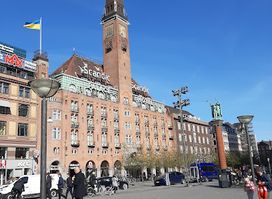
Tucked beside Copenhagen City Hall, Rainbow Square (Regnbuepladsen) is a compact urban plaza rich in symbolism rather than spectacle. Once a car park, it was redesigned in 2013–14 by architects Hall McKnight as a minimalist patch of granite, cobblestones and pale tiles, echoing the red-brick Vartov building next door. Named in honor of the rainbow flag and Denmark’s LGBT+ rights movement, the square serves as a quiet everyday space that becomes a powerful backdrop during Copenhagen Pride and civic events.
A brief summary to Rainbow Square
- Regnbuepladsen, Copenhagen, Indre By, 1552, DK
- Duration: 0.5 to 1.5 hours
- Free
-
 Outdoor
- Mobile reception: 5 out of 5

Know before you go
Hi, I'm Eve. Here are a few practical things to know before exploring Rainbow Square.
- Bring a takeaway coffee or snack and use the granite blocks as informal seating while you people‑watch and take in the contrast between City Hall and the Vartov building.
- Look down at the paving patterns: they echo the windows of the Vartov facade, and two granite blocks contain small engraved excerpts from a Hans Christian Andersen story.
- Time your visit during Copenhagen Pride in August to experience Rainbow Square at its liveliest, when the rainbow symbolism and crowds bring the minimalist space to life.
Do you manage this location?
Take control to get all the benefits, like improved information, better appearance, and stronger visibility across AI-powered discovery. Learn more
Activate your presence

Getting There
-
Metro from wider Copenhagen
From most districts in Copenhagen, take the M3 Cityringen or M4 metro line to Rådhuspladsen Station in the inner city; trains run every few minutes and the journey is typically 5–15 minutes depending on your starting station. A standard adult single metro ticket within the central zones usually costs around 20–30 DKK. From the station, follow the signed exits toward City Hall Square and continue on foot through the pedestrian area; the terrain is flat and step‑free, suitable for wheelchairs and strollers.
-
City bus into the center
Several city bus routes serve the area around City Hall Square from residential neighborhoods and transport hubs, with typical journey times of 10–25 minutes depending on traffic. A single bus fare in the central zones is generally in the range of 20–30 DKK and tickets can be bought from ticket machines, via travel apps or contactless options where available. Buses stop on streets surrounding the square, and from these stops it is a short, level walk along broad pavements to Rainbow Square.
-
Cycling within the inner city
Copenhagen’s extensive bike lanes make cycling a convenient way to reach Rainbow Square from inner‑city districts and nearby neighborhoods, typically taking 5–20 minutes. Visitors without a bicycle can use city bike‑share schemes or rental shops, with daily rentals commonly starting from about 100–150 DKK depending on the provider. Approach along marked cycle tracks leading to the City Hall area; bicycle stands are available in the streets surrounding the square, but during major events space may be limited and you may need to park a little further away.
For the on-the-go comforts that matter to you
-
 Restrooms
-
 Drink Options
-
 Drinking Water
-
 Food Options
-
 Seating Areas
-
 Trash Bins
-
 Information Boards
Discover more about Rainbow Square
A small city square with a big symbolic message
Rainbow Square, or Regnbuepladsen, sits in the very heart of Copenhagen just off City Hall Square, yet it feels like its own calm pocket of urban space. The plaza is modest in size, bordered by traffic, bike lanes and the historic Vartov building, but its name and story give it national significance. Formally renamed in 2014 after intense public debate, the square honors the rainbow flag as a symbol of equal rights, diversity and openness for LGBT+ people in Denmark.The decision to dedicate such a central piece of the city to this cause was a deliberate political gesture. Copenhagen’s city council framed the name as a public statement that the capital stands behind sexual minorities and their fight for legal and social equality. The square’s location beside City Hall is no coincidence: this is where civil partnerships were celebrated and where Copenhagen Pride culminates each August, rooting the symbolism in a concrete local history of protest and progress.From anonymous car park to contemporary urban space
Until the late 2000s, this corner by Vartov was largely used as a car park and overflow space from the much larger City Hall Square. A competition to transform it into a more people‑friendly plaza was won by Irish architecture firm Hall McKnight in 2009. Their design removed the dominance of parked cars and introduced a simple, largely hard‑paved surface with carefully placed trees and granite seating blocks, creating a flexible civic space that could adapt to changing uses throughout the year.The redesign emphasized openness and small changes of level rather than elaborate landscaping. Subtle lines in cobblestone and pale tiles suggest pathways and gathering spots without dictating how visitors should move. This restrained approach gives the square a somewhat understated first impression, but it works well with the busy surroundings, providing a breathable pause point between streets, bikes and nearby attractions.Architecture inspired by Vartov and Hans Christian Andersen
A key feature of Rainbow Square is its close relationship with the Vartov building, a red‑brick complex whose gabled roofs and many windows anchor the space visually. The architects drew inspiration from Vartov’s facade, mirroring its window rhythm in the patterns of granite and cobblestones underfoot. If you look down instead of up, you can trace these quiet references and see how the ground plane becomes an abstract reflection of the architecture around it.The design also nods to Danish literary heritage. Hans Christian Andersen once wrote the story "From a Window in Vartov", and excerpts from this fairy tale are engraved into two of the large granite blocks that double as seating. These subtle inscriptions reward curious visitors who take the time to explore the square more closely, layering children’s literature and local history into what might otherwise feel like a purely contemporary intervention.Rainbow symbolism in shades of gray
Despite its name, Rainbow Square is not a riot of color. Much of the surface is gray stone, chosen to harmonize with surrounding buildings and withstand heavy use. The rainbow element arrives through a dedicated flag installation and, during key events, an abundance of banners, temporary decorations and pride paraphernalia. It took several years after the renaming before a permanent rainbow flag feature was approved and installed, financed rapidly through donations from supporters.This contrast between a mostly monochrome plaza and flashes of rainbow color has become part of the square’s character. On an ordinary weekday it reads as a quiet, almost austere urban room where office workers cross, cyclists pass and a few locals sit on granite blocks. During Copenhagen Pride, however, the same austere canvas is transformed by crowds, music and color, demonstrating the flexibility of the design and the power of a simple backdrop for civic expression.Everyday hangout and stage for celebrations
For most of the year, Rainbow Square functions as a straightforward place to pause, meet or cut across between destinations. The granite seating offers a convenient spot for a coffee break with views of City Hall’s clock tower, while the small grove of trees brings a touch of shade and softness to an otherwise hard‑scaped setting. Its central location makes it easy to fold into a wider exploration of Copenhagen’s historic core.The atmosphere shifts during larger events and demonstrations, when the open space becomes a gathering ground. Pride marches and equality‑themed rallies often pass through or culminate nearby, giving the square a ceremonial role that goes beyond its modest scale. This dual identity—as a practical everyday shortcut and a symbolic stage for human rights—makes Rainbow Square an intriguing stop for travelers interested in contemporary urban design and social history.A snapshot of Copenhagen’s values
Rainbow Square encapsulates several themes that define modern Copenhagen: human‑scale urban planning, strong cycling culture, and a pronounced commitment to social inclusion. It shows how a city can reuse even small leftover spaces to tell meaningful stories about identity and rights, rather than merely providing infrastructure. The choice of minimal, robust materials, public art in the form of text, and clearly articulated symbolism reflects a wider Scandinavian design sensibility.Spending time here is less about dramatic views and more about observing the city around you—watching bikes stream past, listening to the low murmur of traffic and voices, and reading the inscriptions that anchor the place in local narratives. In doing so, you get a concise, tangible sense of how Copenhagen weaves political values, architectural heritage and everyday life into a single urban square.Explore the best of what Rainbow Square has to offer













More about Koge
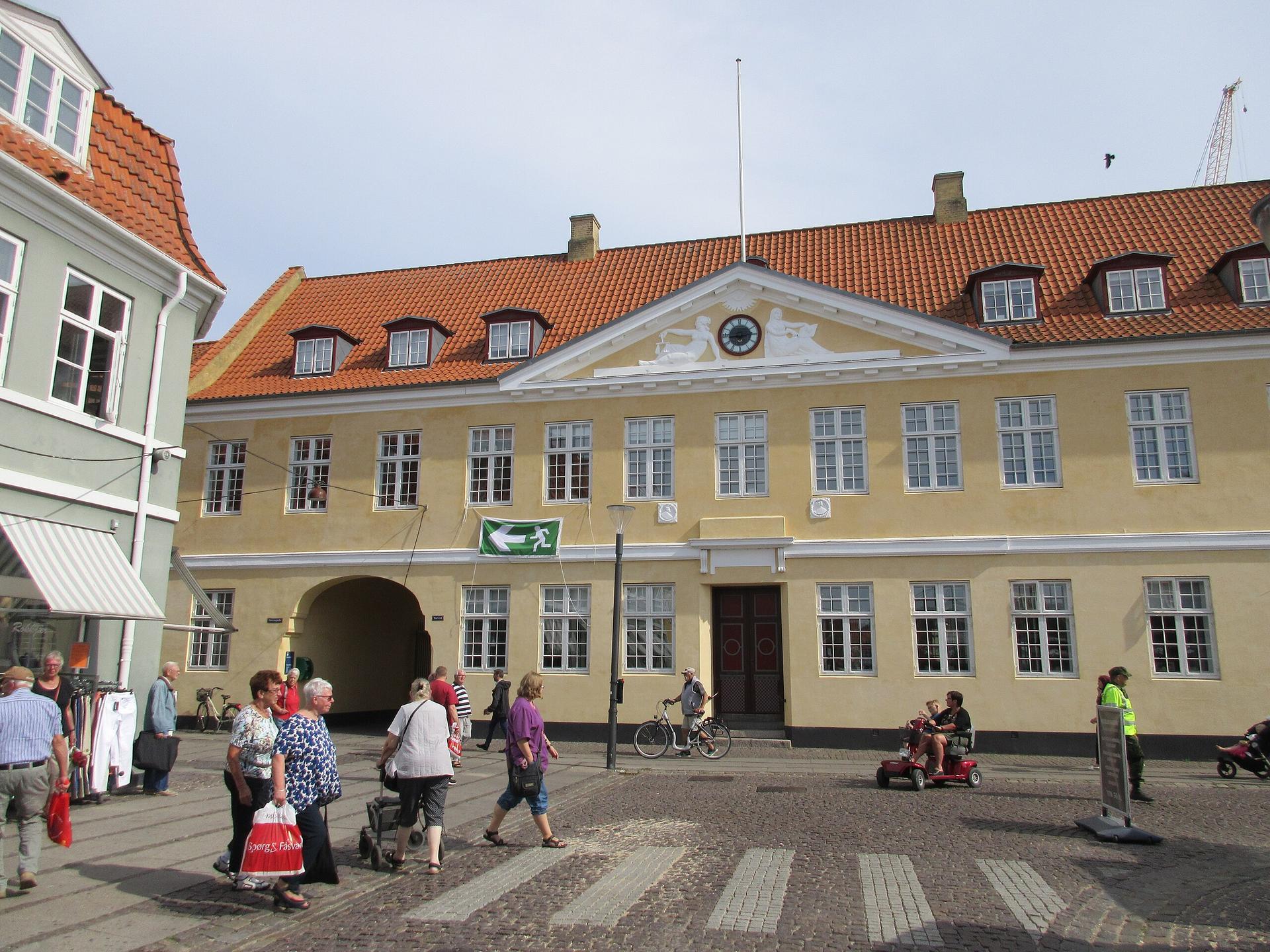
Explore Køge, Denmark's coastal gem, with its medieval charm, beautiful marina, and close proximity to the stunning Stevns Klint UNESCO World Heritage site.
Tell me more about Koge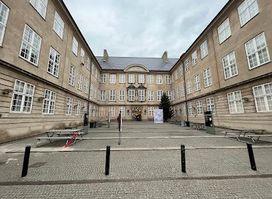
Nine thousand years of Danish history, from ice age hunters to modern times, housed in an 18th-century palace.
A compact oddities museum on Rådhuspladsen where shrunken heads, vortex tunnels and record‑breaking curiosities turn everyday Copenhagen into a world of wonders.
