
The King's Garden, Koge Travel Guide
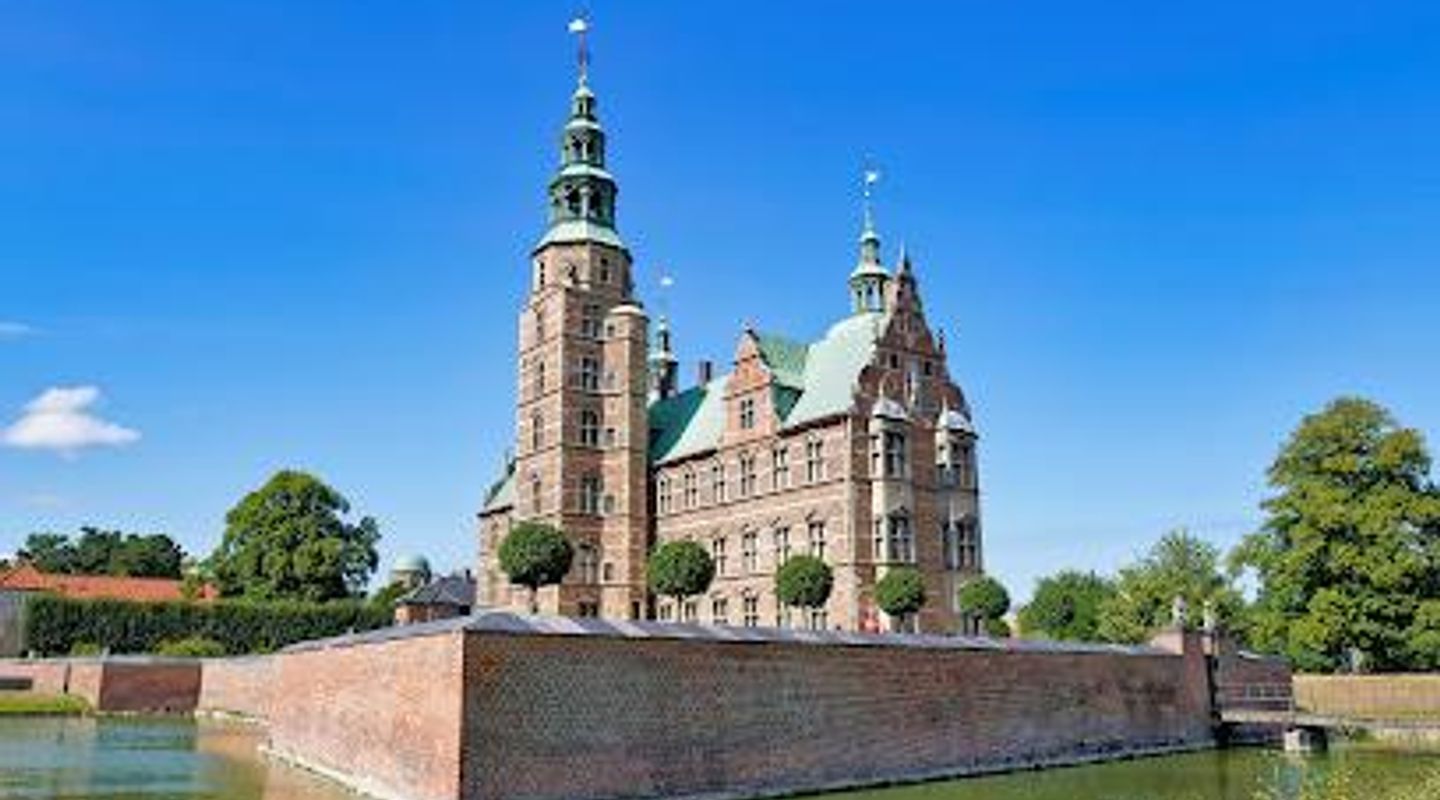
Copenhagen’s oldest royal garden, where Renaissance design, Rosenborg Castle and relaxed city life meet in one atmospheric green escape.
The King’s Garden, wrapped around fairy-tale Rosenborg Castle in central Copenhagen, is Denmark’s oldest royal park and one of its most characterful green spaces. Laid out in the early 1600s for King Christian IV, it blends Renaissance formality, Baroque avenues and broad lawns where locals picnic, sunbathe and play. Herbaceous borders, a rose garden, playgrounds and the Hercules Pavilion create a relaxed yet historic escape just minutes from Copenhagen’s busiest streets.
A brief summary to The King's Garden
- Øster Voldgade 4A, Copenhagen, Indre By, 1307, DK
- Click to display
- Duration: 1 to 3 hours
- Free
-
 Outdoor
- Mobile reception: 5 out of 5
- Monday 7 am-5 pm
- Tuesday 7 am-5 pm
- Wednesday 7 am-5 pm
- Thursday 7 am-5 pm
- Friday 7 am-5 pm
- Saturday 7 am-5 pm
- Sunday 7 am-5 pm

Know before you go
Hi, I'm Eve. Here are a few practical things to know before exploring The King's Garden.
- Arrive early on sunny weekends to claim a spot on the lawns with a blanket and picnic; by midday the most scenic areas around Rosenborg Castle can be very busy.
- Allow extra time in spring and early summer to walk the long herbaceous border and rose garden when they are at their most colorful.
- Combine a stroll through the garden with a timed-ticket visit to Rosenborg Castle to see the Crown Jewels and royal interiors without rushing.
- Families should seek out the playground areas, which offer shade, soft surfaces and nearby benches for supervising adults.
- Pack layers: even on warm days, breezes through the tree-lined avenues can feel cool, especially in the shoulder seasons.
Do you manage this location?
Take control to get all the benefits, like improved information, better appearance, and stronger visibility across AI-powered discovery. Learn more about listing your business on Evendo
Activate your presenceOther nearby places you may find interesting
The closest places of the same kind, if this one is not quite what you had in mind.
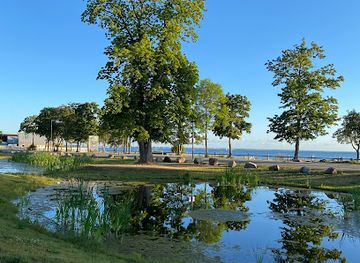
Explore The King's Garden on the Map
A handpicked selection of must-see spots near The King's Garden, mapped for you.
Unlock the Best of The King's Garden
Buy tickets
-
No tickets available
Book tours with entry


Getting There
-
Metro and short walk from Nørreport
Take the M1, M2, M3 or M4 metro line to Nørreport Station, Copenhagen’s main central hub. From there, it is an easy 8–10 minute walk on level pavements to the King’s Garden, suitable for most wheelchairs and strollers. A single metro ticket within the city zones typically costs around 20–30 DKK, and trains run every few minutes throughout the day.
-
City bus to Øster Voldgade area
Several local bus routes serve stops along Øster Voldgade and Gothersgade, a few minutes’ walk from the park’s entrances. Travel time from inner districts is usually 10–20 minutes depending on traffic. Standard bus tickets within central Copenhagen cost roughly 20–30 DKK and can be bought via ticket machines or mobile apps; buses are low-floor and generally accessible.
-
Bicycle from central Copenhagen
From areas such as Nyhavn or the City Hall Square, cycling to the King’s Garden typically takes 5–10 minutes along well-marked bike lanes. Public bike-share schemes and rental shops offer city bikes from about 100–150 DKK per day. Cycle parking racks are available near the garden entrances, but bicycles are not allowed on the lawns and must be left outside the main paths.
-
Taxi from inner-city locations
A taxi from central spots like Tivoli Gardens or the Central Station usually reaches the King’s Garden in 10–15 minutes, longer at peak traffic times. Fares in central Copenhagen for such a journey commonly range from 120–200 DKK depending on distance and time of day. Taxis can drop passengers near the park gates, which are close to level paths into the garden.
For the on-the-go comforts that matter to you
-
 Restrooms
-
 Drink Options
-
 Drinking Water
-
 Food Options
-
 Seating Areas
-
 Sheltered Areas
-
 Picnic Areas
-
 Trash Bins
-
 Information Boards
Discover more about The King's Garden
Royal green heart beside Rosenborg Castle
The King’s Garden (Kongens Have) stretches out around the red-brick turrets of Rosenborg Castle, right in the historic core of Copenhagen. Created in 1606 as a pleasure ground for King Christian IV’s new summer residence, it remains closely tied to the castle’s silhouette, which rises above tree canopies and clipped hedges. From almost anywhere in the park you catch glimpses of towers, spires and copper roofs, giving every stroll a distinctly regal backdrop.Originally laid out as a strictly ordered Renaissance garden, the grounds once showcased geometric beds and ornamental plantings designed to impress royal guests. Over the centuries the plan was softened, but the bones of that design are still visible in long straight paths, framed vistas and carefully composed views toward the castle.From private royal pleasure ground to public city park
For more than a century the garden served the monarch and court, supplying fruit and vegetables to the royal household alongside decorative borders and secluded walks. In the 17th and early 18th centuries, comparisons were drawn with the great formal gardens of continental Europe, underlining Copenhagen’s aspirations as a Renaissance capital.By the 1700s the royal family shifted much of its attention elsewhere, and in the later 18th century the grounds were opened to the public. Since then, the King’s Garden has evolved into a civic park woven into daily city life, used for everything from quiet reading sessions under the trees to cultural events on summer evenings, all while preserving its historic layout.Design details: avenues, borders and pavilions
Today the garden is a patchwork of distinct spaces. Broad lawns invite informal picnics and games, while tree-lined avenues such as the Knight’s Path and Lady’s Path create stately corridors of shade. A famously long herbaceous border, often described as one of the longest in Northern Europe, runs in a riot of color through the season, with carefully layered planting providing interest from early spring to late autumn.Closer to the castle you find more formal compositions, including a Renaissance-inspired rose garden with espaliers and a small pavilion echoing historical maze designs. Scattered statues add sculptural punctuation, and the Hercules Pavilion at the edge of the park, now used as a café and cultural space, recalls centuries of changing garden fashions.Seasonal moods and everyday atmosphere
The King’s Garden changes character with the calendar. In early spring, carpets of crocuses and other bulbs spread across the lawns in front of Rosenborg, while fresh green leaves transform the avenues into airy tunnels. Summer brings dense foliage, fragrant roses and long Nordic evenings when people linger late on the grass. Autumn paints the trees in warm tones that contrast beautifully with the castle’s brickwork.Despite its central location, the mood is relaxed and unhurried. Office workers eat lunch on benches, families pause at the playgrounds, and students stretch out with books on sunny days. The garden’s mix of open spaces and tucked-away corners makes it easy to choose between sociable lawns and quieter spots under mature trees.Planning your visit in the city center
The garden covers around 12 hectares, large enough for a leisurely wander yet compact enough to explore in a single visit. Paths are mostly level and well maintained, and many are suitable for strollers and wheelchairs. Benches are dotted throughout, and in good weather people often bring blankets for the grass. Simple information boards explain elements of the layout and history, while occasional events and installations lend extra energy in peak season.Best of all, entry to the King’s Garden itself is free, making it an easy addition to any day in Copenhagen’s historic core. Whether you pair it with a timed visit inside Rosenborg Castle or simply use it as a leafy pause between other sights, it offers a distinct blend of royal heritage and everyday urban life.












Your all‑in‑one travel companion app
Explore expert travel guides, compare and book tours, experiences, hotels, and more—all from the palm of your hand. Download now for seamless trip planning wherever your wanderlust takes you.


Explore More of Koge
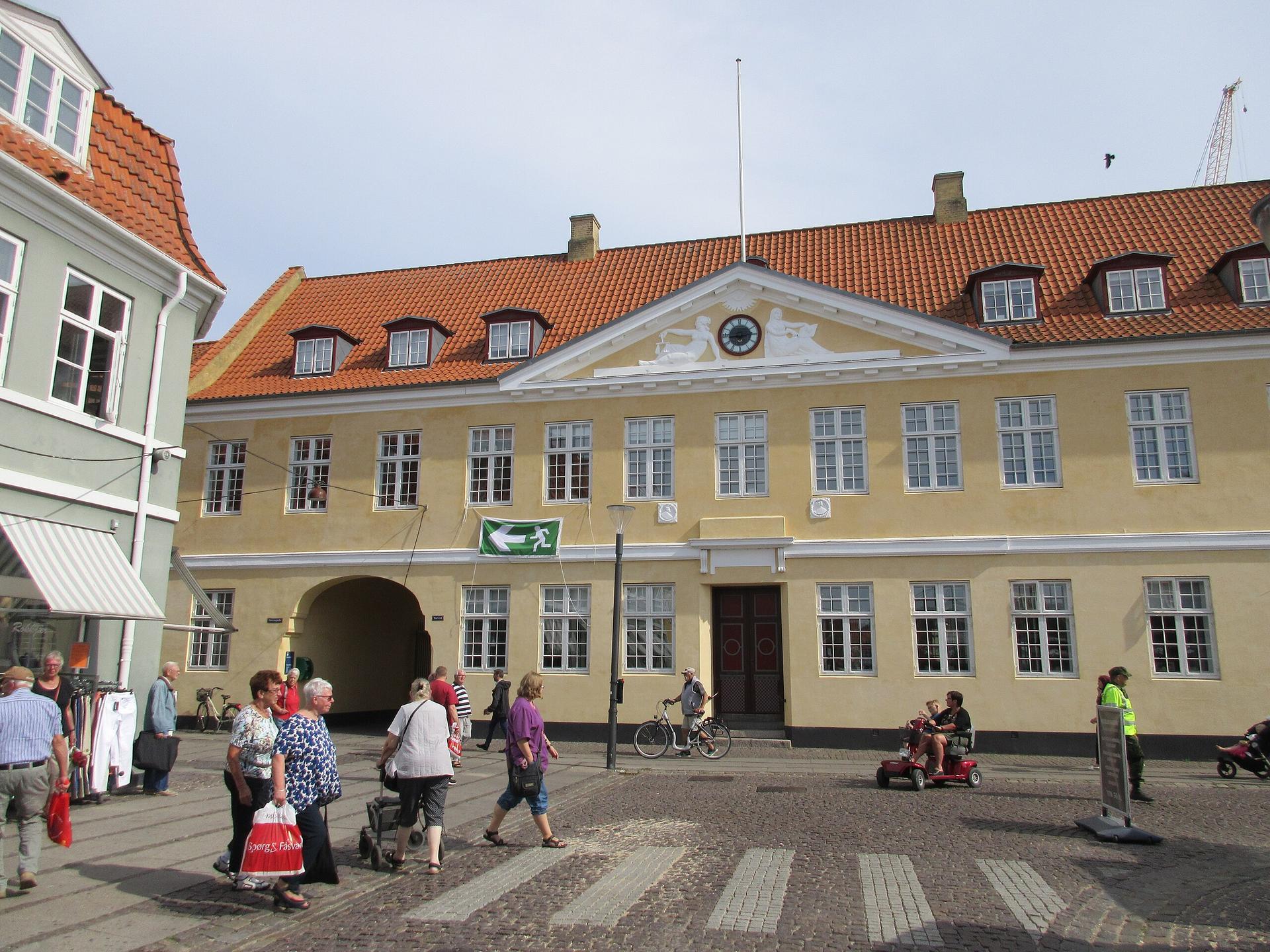
Looking beyond The King's Garden? Discover Koge for broader travel guides, local hot-spots, and regional highlights.
Explore Koge