
Dyreskueplads, Koge Travel Guide
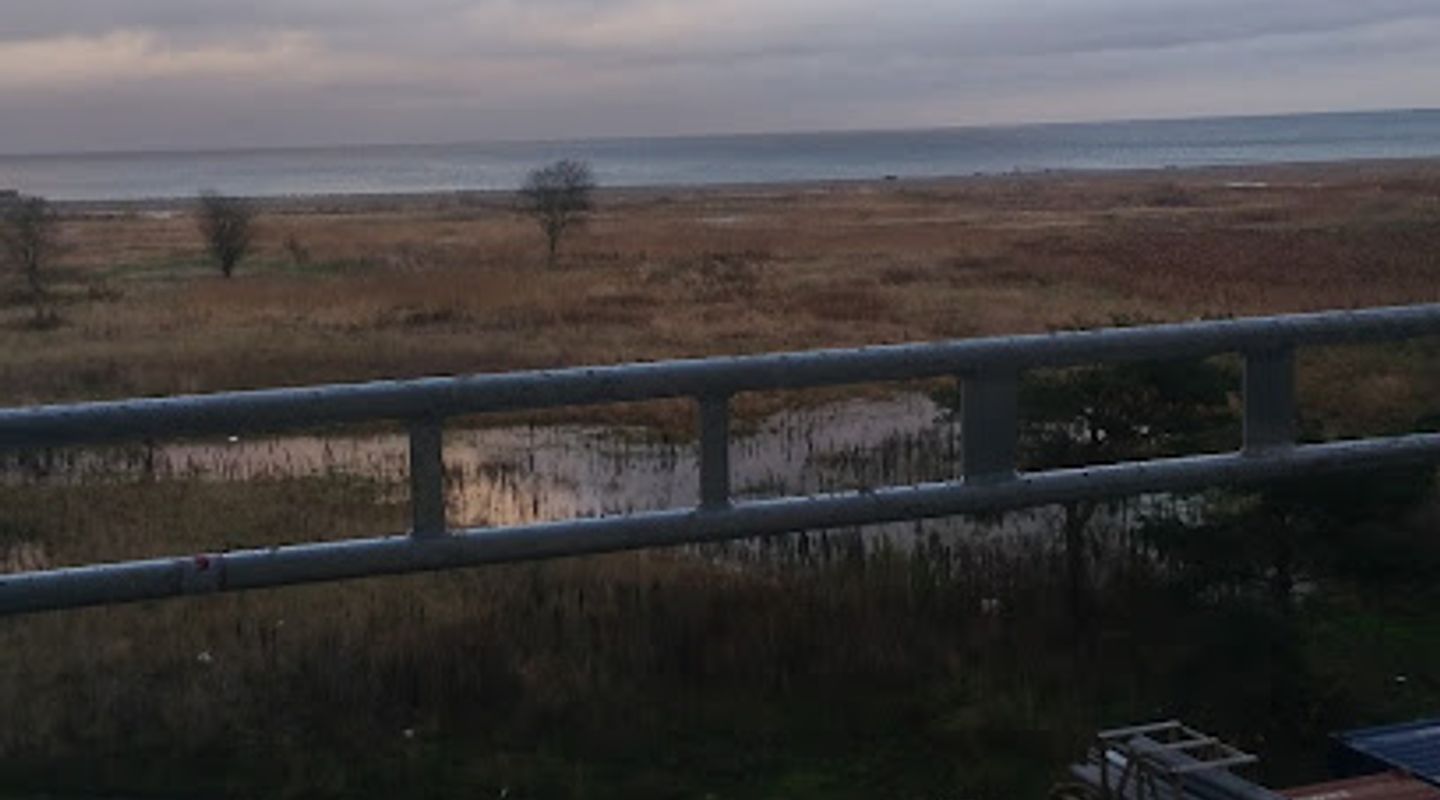
A flexible harbourfront field where Køge’s open sky, sea breeze and industrial silhouettes frame everything from quiet dog walks to large outdoor festivals.
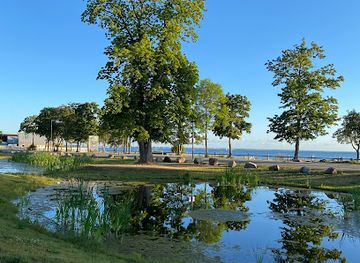
Dyreskueplads in Køge is a flexible green event field on the town’s southern waterfront, used for fairs, cultural happenings and open-air gatherings. Most of the year it is a simple, grassy expanse backed by the industrial silhouettes and new buildings of Søndre Havn, offering space to walk, play and pause by the sea breeze. When festivals, art installations and animal shows roll in, the quiet field transforms into a vivid temporary arena at the edge of the city.
A brief summary to Dyreskueplads
- Køge, 4600, DK
- Duration: 0.5 to 3 hours
- Free
-
 Outdoor
- Mobile reception: 5 out of 5

Know before you go
Hi, I'm Eve. Here are a few practical things to know before exploring Dyreskueplads.
- Check the local events calendar in advance; during festivals and fairs the otherwise quiet field can be transformed by stages, art installations and food stalls.
- Bring a blanket or portable seating if you plan to linger, as permanent benches and sheltered spots on the field itself are limited.
- Dress for wind and changing weather; the open harbourfront location offers little natural protection from strong breezes or sudden showers.
- If visiting with children or a dog, enjoy the broad grassy space but be mindful of temporary fencing or set‑ups when the site is being prepared for events.
Do you manage this location?
Take control to get all the benefits, like improved information, better appearance, and stronger visibility across AI-powered discovery. Learn more about listing your business on Evendo
Activate your presenceOther nearby places you may find interesting
The closest places of the same kind, if this one is not quite what you had in mind.
Explore Dyreskueplads on the Map
A handpicked selection of must-see spots near Dyreskueplads, mapped for you.
Getting There
-
Train and walking
From Køge Station, reach Dyreskueplads by walking through the town and towards Søndre Havn; the overall journey typically takes 15–25 minutes on foot at a relaxed pace. The route is flat and paved, suitable for most visitors, though weather on the harbourfront can be windy and exposed. There is no additional transport cost beyond your train ticket to Køge, and the area is accessible year‑round.
-
Local bus and short walk
Local buses serving Køge’s southern harbour area provide a convenient option if you prefer to minimize walking. Travel time from the central part of town is usually 10–15 minutes including a brief walk from the nearest stop to the field, depending on the specific line and timetable. A single adult ticket within the local zone typically costs in the range of 12–25 DKK, with reduced fares for children and passes. Services run more frequently on weekdays and daytime; evening and weekend schedules can be thinner, so checking departure times in advance is advisable.
-
Bicycle within Køge
Køge is compact and bicycle‑friendly, and Dyreskueplads can be reached from most central neighbourhoods by bike in around 5–15 minutes. The terrain is flat with designated cycle paths on key streets, though the final stretch in the harbour area may mix with light traffic and service vehicles. There is usually informal space to lock a bicycle near the field when no major event is taking place; during larger festivals, temporary bike parking areas are often designated, and access can be briefly redirected while infrastructure is set up or taken down.
-
Car or taxi within the Køge area
Arriving by car or taxi from within Køge or nearby suburbs typically takes 5–15 minutes, depending on traffic and your starting point. During ordinary days, on‑street or harbourfront parking may be available in the wider Søndre Havn district, sometimes with time limits or fees that vary by zone. On major event days, temporary traffic management, higher demand and dedicated event parking areas can extend travel and parking time to 20–30 minutes, and it is common for organisers to recommend arriving early or using public transport to avoid congestion.
For the on-the-go comforts that matter to you
-
 Restrooms
-
 Drink Options
-
 Food Options
-
 Seating Areas
-
 Sheltered Areas
-
 Trash Bins
-
 Information Boards
Discover more about Dyreskueplads
A quiet green field on Køge’s working waterfront
Dyreskueplads is a broad, flat stretch of grass tucked into Køge’s southern harbour district, a calm counterpoint to the silos, warehouses and new housing that frame this once purely industrial shoreline. For most of the year it appears modest: an open municipal field with a few low-key fixtures, simple paths and big sky, more about space than landscaping.Stand here and you feel the proximity of the water even if you cannot always see the waves. Gulls wheel overhead, the air carries a brackish tang, and the horizon is broken by masts, cranes and the outlines of passing ships. The field’s openness is its defining feature, a rare pocket where your eye can travel unimpeded in a town otherwise knitted together by tight streets and compact courtyards.From cattle shows to contemporary happenings
The Danish word “dyrskueplads” literally refers to a fairground for animal shows, and Køge’s field echoes a long national tradition of agricultural exhibitions where farmers once paraded prize cattle, horses and machinery. While the town’s historic shows have shifted over time, the name and function survive in this adaptable strip of harbourfront land, long reserved for large outdoor events.In recent years, the setting has also become a backdrop for modern culture. Temporary art light festivals, open-air performances and seasonal fairs periodically occupy the grass, transforming the otherwise understated field into a glowing canvas of sound, colour and movement. Installations have used projection, soundscapes and illuminated structures to respond to the raw harbour environment, underlining how this is a place defined as much by what happens here as by its permanent fixtures.Everyday uses between the big events
Outside major happenings, Dyreskueplads functions as a simple city park. Locals cut across the field on daily errands, walk dogs along its edges or pause on the grass for a brief escape from the built-up waterfront. Children can run freely on the wide, unobstructed lawn, and casual games are easy to set up when the space is not reserved.There is little ornamental planting; instead, the appeal lies in informality. You may find patches of wildflowers at the margins, the texture of trampled grass where a stage once stood, or improvised desire paths etched by regular walkers. The lack of dense planting allows the wind to sweep across unhindered, making the space feel noticeably cooler on warm days and bracing when the weather turns.Part of a changing Søndre Havn district
Dyreskueplads sits within Søndre Havn, an area where traditional harbour functions are gradually giving way to new housing, cultural venues and promenades. This transition lends the field a certain in-between character: it remains a practical, somewhat raw piece of land, yet it is also increasingly framed by modern architecture and public-realm improvements.As the district evolves, the field acts as a breathing space between dense residential blocks and the working quays. Its open surface is vital during large events, when crowds spread out across the grass with views to cranes and container stacks, but it also softens the urban profile for everyday users, providing a reminder that this waterfront is still partly shaped by tides, weather and seasons.Experiencing light, sky and weather
Because there are few tall trees or structures within Dyreskueplads itself, the sky becomes a main attraction. On bright days, the light can be almost theatrical as clouds move quickly inland from Køge Bay, casting sweeping shadows across the grass. At sunrise and sunset the low angle of the sun silhouettes harbour machinery, creating unexpectedly photogenic compositions for visitors with a camera.Wind is a near-constant companion here. Flags snap sharply during events, sound carries clearly across the open ground, and canvas, banners and stages are often engineered to withstand brisk conditions. Even in poor weather, the field has a certain drama, with lashing rain or mist transforming it into a more introspective landscape, better appreciated on a short, contemplative stroll than a long stay.Practical character and simple facilities
Facilities at Dyreskueplads are intentionally basic so the field can be reconfigured for everything from fairs to concerts. Permanent structures are limited, with temporary installations supplying additional toilets, food stands and shelters when big gatherings take place. On ordinary days, you might find only minimal seating and a few functional fixtures, so many visitors bring their own blankets or make use of nearby harbourfront amenities.This pared-back approach keeps the focus on flexibility. Rather than a manicured park, Dyreskueplads is best understood as Køge’s open canvas: sometimes empty, sometimes bustling, but always shaped by its maritime surroundings and the ever-changing programme of outdoor life that the town chooses to stage on this patch of grass.












Your all‑in‑one travel companion app
Explore expert travel guides, compare and book tours, experiences, hotels, and more—all from the palm of your hand. Download now for seamless trip planning wherever your wanderlust takes you.


Explore More of Koge
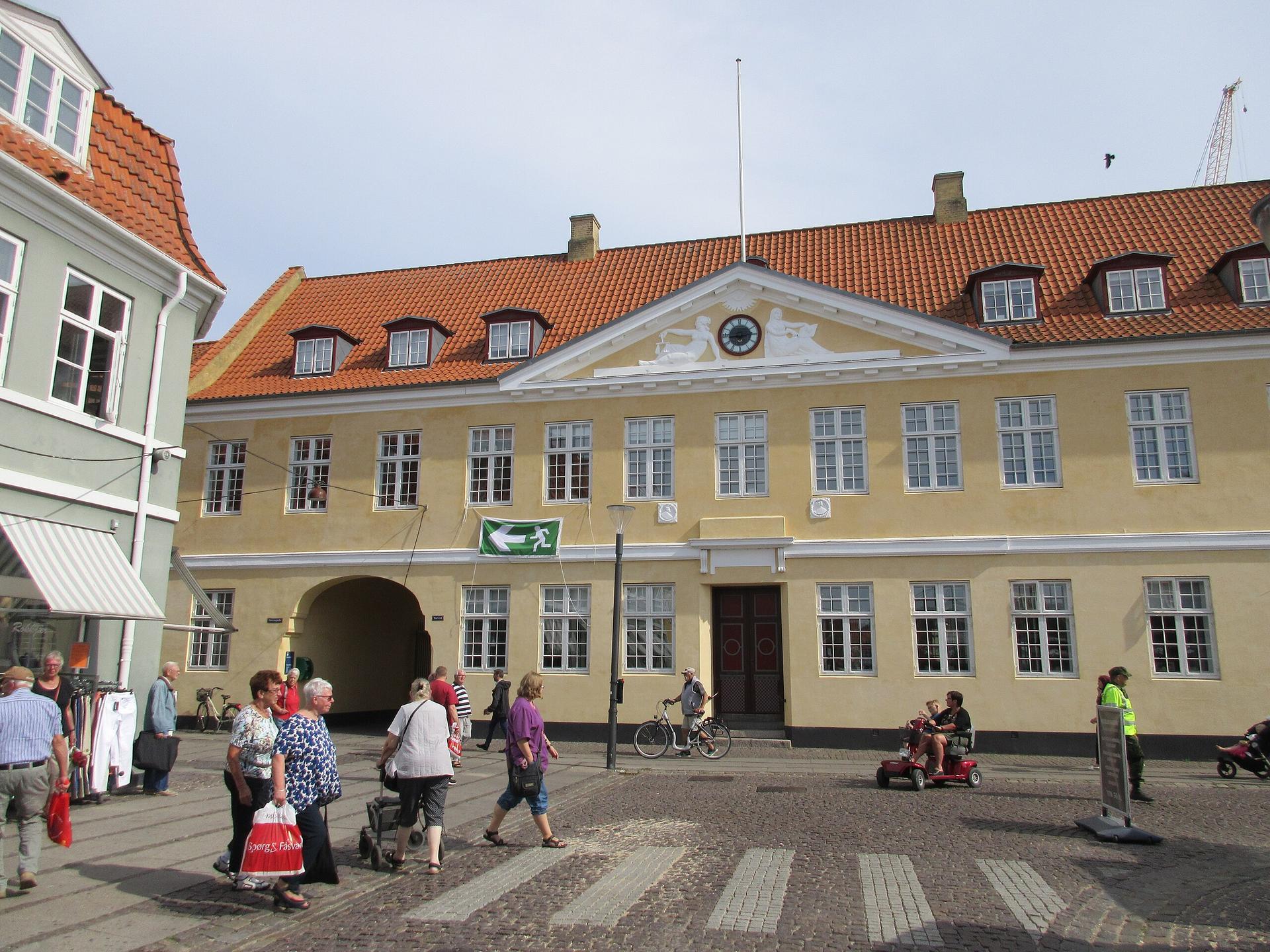
Looking beyond Dyreskueplads? Discover Koge for broader travel guides, local hot-spots, and regional highlights.
Explore Koge
Gently rising above Køge’s flat fields, Køge Ås is a tree-clad historic ridge where Bronze Age mounds, soft forest paths and everyday local life share the same green corridor.
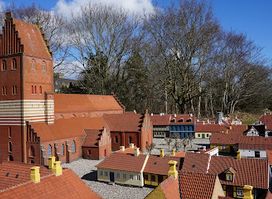
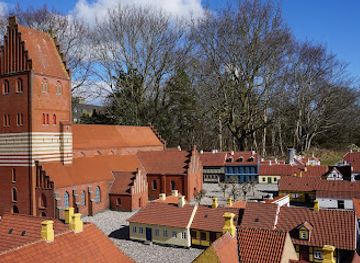
Step into Køge’s past at 1:10 scale, where hand-built model houses, harbour scenes and church spires recreate the market town of 1865 in a tranquil seaside garden.
