Nyhavnsbroen & Nyhavn, Koge Travel Guide
A modest 1912 bridge with million‑kroner views, Nyhavnsbroen connects both banks of colourful Nyhavn and offers one of Copenhagen’s most iconic waterfront panoramas.
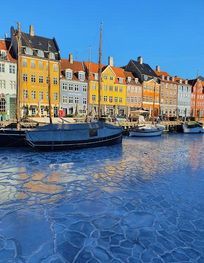
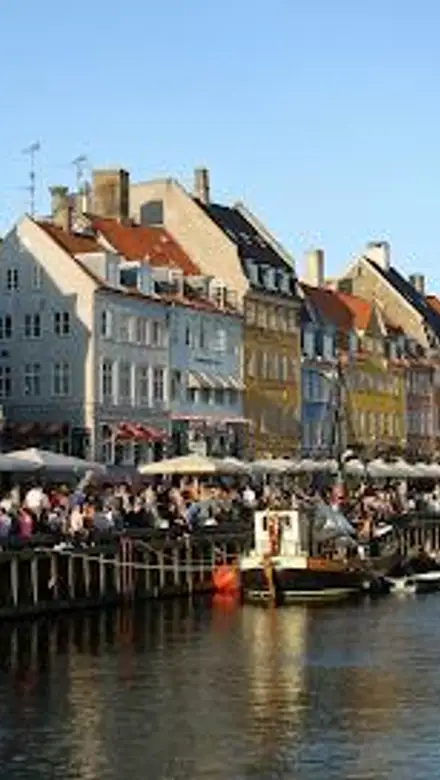
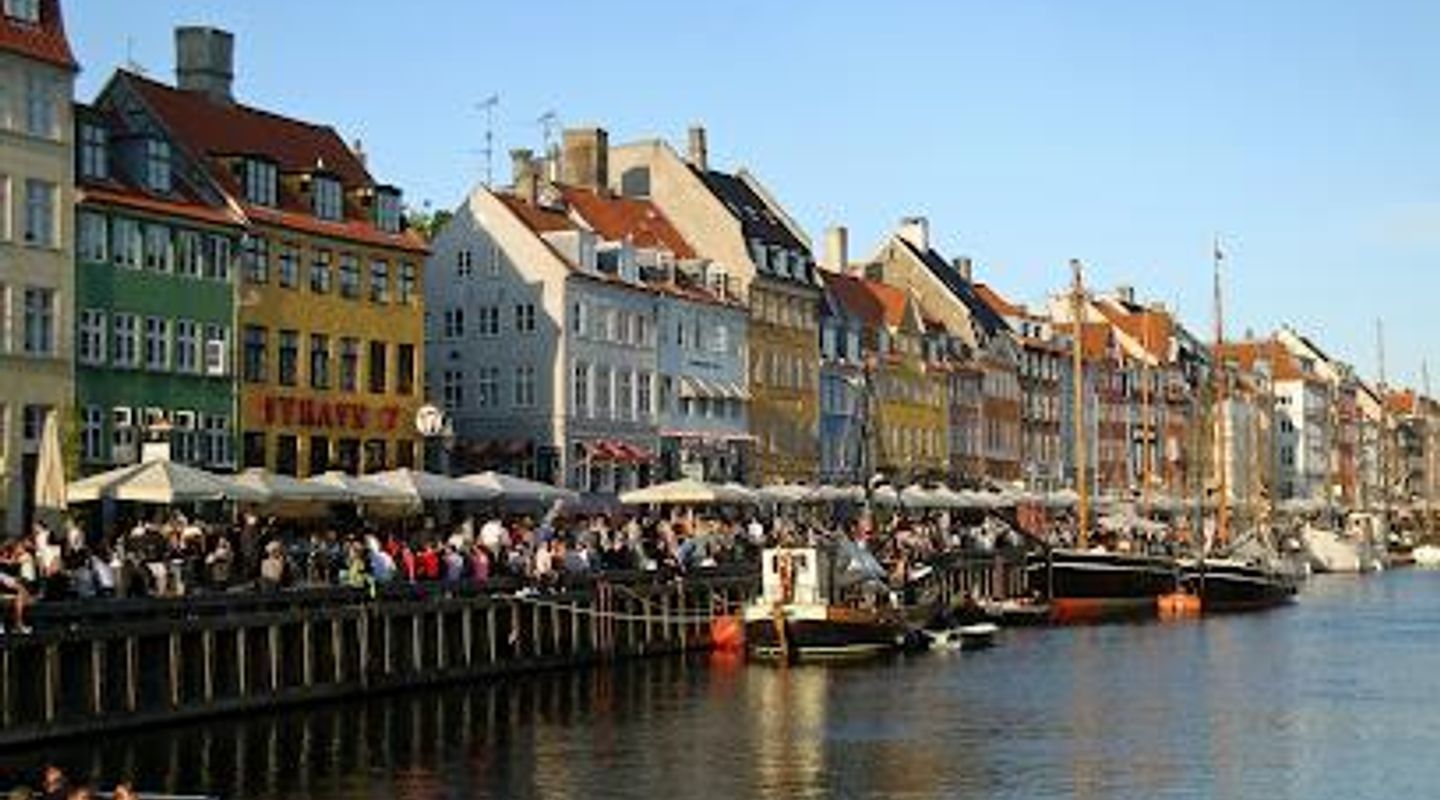
Spanning Copenhagen’s most iconic canal, Nyhavnsbroen links the two flanks of colourful Nyhavn, where 17th‑century townhouses, historic wooden ships and buzzing cafés frame the water. This modest 1912 bascule bridge is a prime vantage point for classic harbour photos and people‑watching, set against a backdrop of jazz, canal tours and maritime history in the very heart of Indre By.
A brief summary to Nyhavnsbroen & Nyhavn
- Copenhagen, Indre By, 1051, DK
- Duration: 0.5 to 2 hours
- Free
-
 Outdoor
- Mobile reception: 5 out of 5

Know before you go
Hi, I'm Eve. Here are a few practical things to know before exploring Nyhavnsbroen & Nyhavn.
- Arrive in the early morning for softer light on Nyhavn’s colourful facades and fewer people on the bridge, making it easier to frame clean canal photos.
- Visit again around blue hour on a clear evening to capture reflections of lit windows and boats on the canal from both sides of the bridge.
- If you plan to take canal tours, watch them glide under Nyhavnsbroen first so you can choose a route and departure point that appeals to you.
Do you manage this location?
Take control to get all the benefits, like improved information, better appearance, and stronger visibility across AI-powered discovery. Learn more about listing your business on Evendo
Activate your presenceOther nearby places you may find interesting
The closest places of the same kind, if this one is not quite what you had in mind.
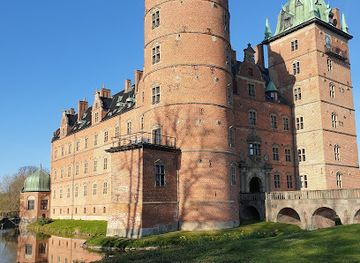
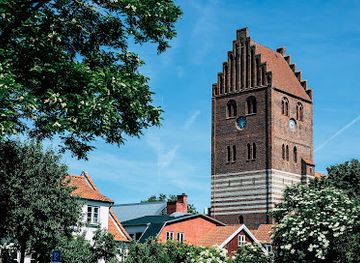
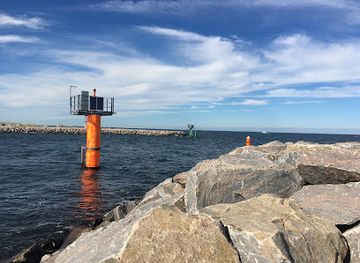
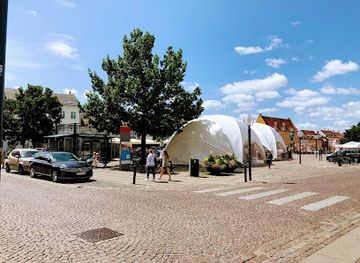
Explore Nyhavnsbroen & Nyhavn on the Map
A handpicked selection of must-see spots near Nyhavnsbroen & Nyhavn, mapped for you.
Getting There
-
Metro from central Copenhagen
From central hubs such as Nørreport or København H, take the M1 or M2 metro lines toward Kongens Nytorv; the ride typically takes 3–7 minutes with trains running every few minutes throughout the day. A single adult ticket within the city zones usually costs around 20–30 DKK. From Kongens Nytorv, Nyhavn and Nyhavnsbroen are reached on foot via level pavements in under 10 minutes, suitable for most visitors including those using wheelchairs or strollers.
-
City bus to Kongens Nytorv area
Several inner‑city bus routes serve the streets around Kongens Nytorv and Store Kongensgade, with journey times of 10–20 minutes from many central neighbourhoods depending on traffic. Standard city bus tickets are in the same 20–30 DKK range and can be bought via ticket machines or transport apps. Buses stop within a short, flat walk of Nyhavn; from there you continue along the pedestrianised canal to reach Nyhavnsbroen, which is paved but can be busy at peak hours.
-
Harbour bus along the inner harbour
Copenhagen’s harbour buses run along the inner harbour with stops near Nyhavn and opposite it on the Christianshavn side, offering a scenic approach in 10–25 minutes depending on where you board. Tickets follow the standard public‑transport fare structure, generally 20–30 DKK for city journeys, and services run more frequently during the day than late at night. Access from the harbour‑bus piers involves short walks on quayside surfaces that can be uneven or windy in poor weather.
-
Walking from the wider Indre By district
If you are already exploring the historic Indre By, Nyhavnsbroen is most naturally reached on foot in roughly 10–25 minutes from many central sights. The route uses a mix of cobblestones and smooth pavements, and while mostly flat, it may feel tiring for those with reduced mobility, especially in winter when surfaces can be wet or icy. Walking costs nothing and allows you to approach the bridge gradually as the colourful canal and masts of the ships come into view.
For the on-the-go comforts that matter to you
-
 Restrooms
-
 Drink Options
-
 Food Options
-
 Seating Areas
-
 Trash Bins
-
 Information Boards
Discover more about Nyhavnsbroen & Nyhavn
A canal crossing at the heart of historic Nyhavn
Nyhavnsbroen is the small but strategic bridge that stitches together both sides of Nyhavn, Copenhagen’s 17th‑century canal and entertainment district. From its deck you stand almost at water level, perfectly placed between rows of gabled houses painted butter yellow, brick red and sea blue, with masts of vintage ships rising in front of you. The bridge is a practical artery for cyclists and pedestrians, but it also serves as a stage from which the drama of the harbour unfolds.Nyhavn itself was dug in the late 1600s as a gateway from the open harbour to the city’s inner core. For centuries, sailors, traders and taverns defined the area. Today, the working port has given way to outdoor cafés and canal cruise departures, yet the curve of the canal and the intimate scale of the buildings still reflect its maritime roots.From 19th‑century link to enduring city icon
The first bridge on this spot opened in the 1870s, built to ease growing traffic between the royal square of Kongens Nytorv and the quays along the inner harbour. The structure you cross today dates from 1912, a steel bascule bridge that can still be raised to let taller vessels pass along the canal. Its engineering is discreet rather than showy, allowing the historic surroundings to take centre stage.Over more than a century, Nyhavnsbroen has quietly witnessed the transformation of Nyhavn from a rough‑edged seafaring district to a carefully restored waterfront. As shipping moved elsewhere and warehouses were converted, the bridge shifted from being a purely functional crossing to a symbolic threshold between old working harbour and modern leisure promenade.Photogenic angles and classic harbour views
Most visitors are drawn here by the view. Standing at the railing, you can compose the quintessential Copenhagen shot: a procession of colourful facades marching along the water, their reflections wavering in the canal, wooden schooners moored in the foreground. Early in the day, light falls gently on the eastern side of the canal, while long summer evenings bathe the facades in golden tones.Look one way and the canal narrows towards Kongens Nytorv; look the other, and it opens out toward the inner harbour, with contemporary landmarks and ferries hinting at the wider city. The constant movement of bicycles, tour boats slipping under the bridge and locals crossing with coffee in hand adds life to the stillness of the architectural backdrop.Stories in the stones and timbers around you
The bridge is also a fine place to pause and read the layers of history in the surroundings. Along the quays stand historic ships now preserved as part of a museum harbour, reminders of the cargo days when Nyhavn rang with dockside work. Nearby townhouses once housed merchants, innkeepers and, notably, the writer Hans Christian Andersen, who lived at several addresses in the canal’s row of buildings.Across the water, you may pick out the Memorial Anchor at the canal’s mouth, dedicated to Danish sailors who lost their lives during the Second World War. This gesture of remembrance underlines how closely Copenhagen’s story has been tied to the sea, trade and naval service.Daily rhythms on a compact urban bridge
Nyhavnsbroen is not a grand monument, but its scale suits the intimate dimensions of the canal. Cyclists stream over it in waves during morning and evening rush hours, while at midday visitors linger along the railings or lean their bikes as they scan the skyline. Musicians sometimes play nearby, their sound drifting over the water to mingle with clinking cutlery from café terraces.Seasonal changes are easy to sense from here. In summer the air carries the smell of grilled fish and salty harbour breezes, and boats crowd the canal. In winter, lights from windows and, at times, festive stalls reflect on the dark water, giving the bridge a quieter, almost cinematic quality even as the city centre continues to hum around it.Planning your time on and around the bridge
Most people encounter Nyhavnsbroen as part of a wider wander through Indre By. A short stop gives you time for photographs and to orient yourself along the canal; linger longer and you can watch canal tours gliding beneath, identify period details in the house fronts and follow how the bridge’s simple mechanisms and counterweights integrate into the streetscape.From this single crossing point you can turn to explore side alleys, nearby theatres and waterfront promenades, then return to the bridge as a reference marker. Compact, central and surrounded by layers of Copenhagen history, Nyhavnsbroen is both a viewpoint and a quiet reminder of how much of the city’s life has always revolved around its waterways.












Your all‑in‑one travel companion app
Explore expert travel guides, compare and book tours, experiences, hotels, and more—all from the palm of your hand. Download now for seamless trip planning wherever your wanderlust takes you.


Explore More of Koge
Looking beyond Nyhavnsbroen & Nyhavn? Discover Koge for broader travel guides, local hot-spots, and regional highlights.
Explore Koge