Nyhavn, Copenhagen Travel Guide
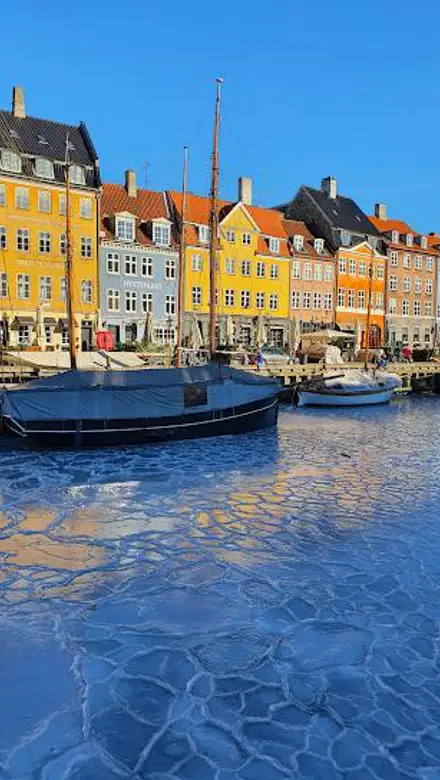
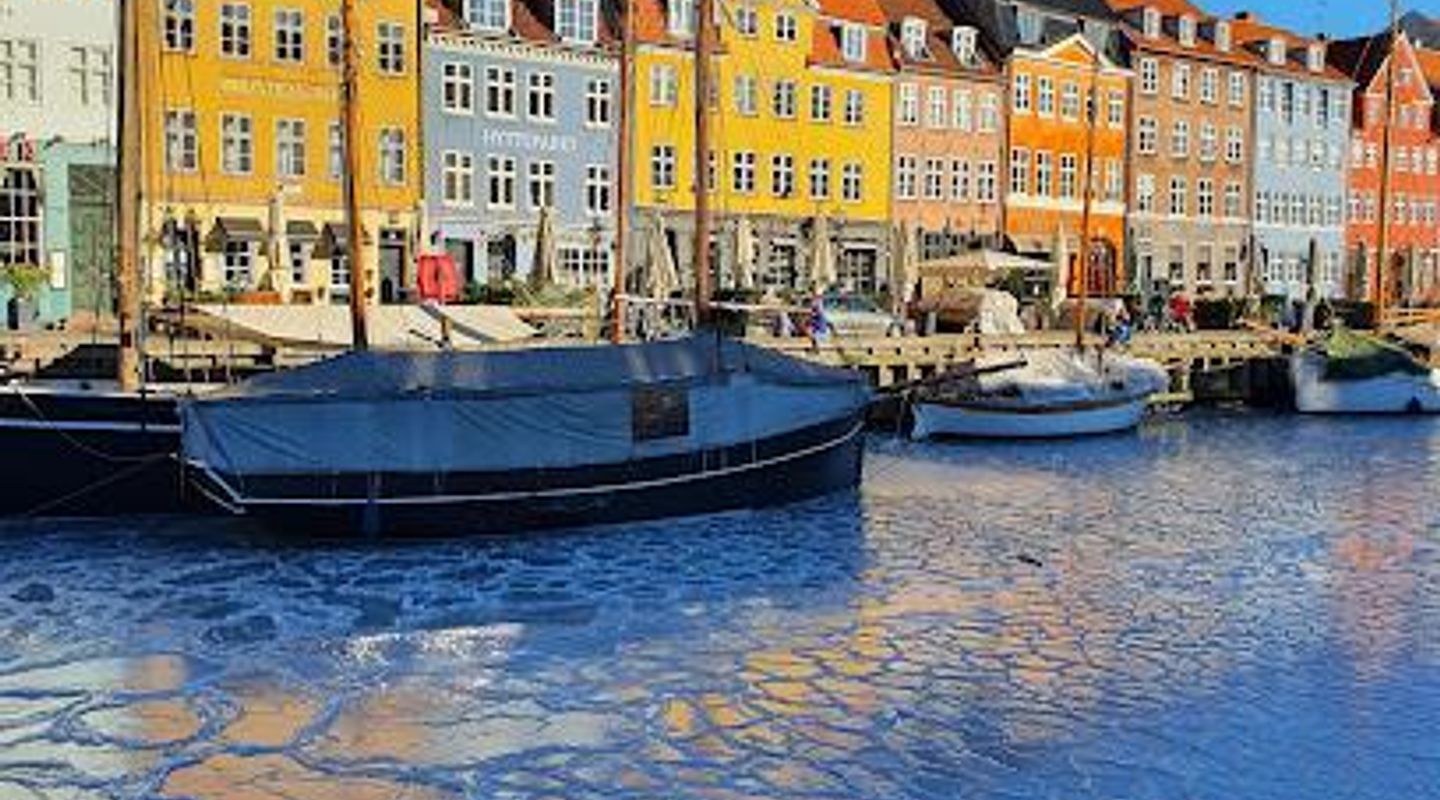
Copenhagen’s storybook harbour, where colourful 17th‑century houses, wooden ships and waterside cafés bring the city’s maritime history to life in one vivid canal.
Nyhavn is Copenhagen’s most iconic waterfront: a 17th‑century canal lined with brightly painted townhouses, historic wooden ships and bustling cafés. Once a gritty commercial port of sailors and warehouses, it is now a lively promenade where you can wander cobbled quays, linger over smørrebrød and beer, trace Hans Christian Andersen’s former homes, or board a classic canal tour to explore the city from the water. Free to visit and atmospheric year‑round, it captures Copenhagen’s maritime soul in one compact, colorful scene.
A brief summary to Nyhavn
- Indre By, Indre By, DK
- Duration: 1 to 3 hours
- Free
-
 Outdoor
- Mobile reception: 5 out of 5

Know before you go
Hi, I'm Eve. Here are a few practical things to know before exploring Nyhavn.
- Arrive early in the morning or later in the evening to enjoy the canal and facades with softer light and fewer people in the outdoor seating areas.
- Walk both sides of the canal: the busier, sunnier restaurant side and the quieter opposite quay, which offers better angles for photos of the colourful houses and ships.
- Look up at doorways and house fronts for dates, old trade symbols and plaques marking Hans Christian Andersen’s former residences along the harbour.
- If you plan to take a canal tour, check departure boards in advance; boats are frequent in summer but less so in colder months and in poor weather.
- In cool or windy conditions, opt for a café or bar with blankets and outdoor heaters so you can still enjoy the waterfront atmosphere in comfort.
Do you manage this location?
Take control to get all the benefits, like improved information, better appearance, and stronger visibility across AI-powered discovery. Learn more about listing your business on Evendo
Activate your presenceOther nearby places you may find interesting
The closest places of the same kind, if this one is not quite what you had in mind.

Explore Nyhavn on the Map
A handpicked selection of must-see spots near Nyhavn, mapped for you.
Unlock the Best of Nyhavn
Book tours with entry


Getting There
-
Metro from central Copenhagen
From many central locations it is quickest to take the metro to Kongens Nytorv station, which sits just behind Nyhavn. Trains on the M1, M2, M3 and M4 lines run every few minutes during the day, and the ride from Nørreport or København H is around 3–7 minutes. A single zone‑2 ticket costs roughly 20–30 DKK depending on ticket type, and lifts and escalators make this option suitable for most mobility levels.
-
Bus within the city centre
Several city buses stop near Kongens Nytorv and along the inner harbour, a short walk from Nyhavn. Typical journey times from other central districts range from 10 to 20 minutes, depending on traffic. Standard bus tickets cost similar to the metro, around 20–30 DKK for a short inner‑city trip. Services run frequently during the day, with reduced frequency in late evenings and on weekends.
-
Harbour bus by water
You can also reach Nyhavn by the yellow harbour buses that shuttle along Copenhagen’s inner harbour. These boats connect areas such as Islands Brygge and Refshaleøen with stops close to the canal, offering a scenic approach on the water. Travel times along the harbour are typically 15–30 minutes, and a regular public transport ticket or pass, in the 20–30 DKK range for short journeys, is valid on these routes. Services may be less frequent in winter and in very bad weather.
-
Walking from the inner city
From the pedestrian shopping streets and royal squares of central Copenhagen, Nyhavn is easily reached on foot in around 5–15 minutes, depending on your starting point. The route is flat and follows busy, well‑lit streets, though cobblestones near the canal can be uneven for wheelchairs, strollers or those with limited mobility. Walking costs nothing and allows you to combine Nyhavn with nearby historic sites in a single leisurely stroll.
For the on-the-go comforts that matter to you
-
 Restrooms
-
 Drink Options
-
 Drinking Water
-
 Food Options
-
 Seating Areas
-
 Sheltered Areas
-
 Trash Bins
-
 Information Boards
-
 Visitor Center
Discover more about Nyhavn
A historic harbour turned city drawing room
Nyhavn, literally “New Harbour”, was dug in the late 17th century as a direct maritime gateway into Copenhagen’s old town. Long quays were laid out on either side of the canal so cargo, fish and provisions could be unloaded straight into the city’s markets, while merchants lived in the narrow houses above their warehouses. For more than two centuries this was a working port: masts filled the skyline, barrels rolled along the cobbles and seaworn sailors poured into taverns as ships arrived from the Baltic and beyond.That original harbour function has faded, but the fabric of the place remains remarkably intact. Many of the gabled houses still follow their 17th‑ and 18th‑century footprints, and the canal itself still opens directly towards the larger inner harbour. Walking along the water today, you are tracing the same line that connected sea trade with royal squares and markets during Copenhagen’s great age of expansion.Colourful facades and wooden ships
What draws most visitors first is Nyhavn’s vivid palette: rows of tall, narrow townhouses painted in mustard yellow, brick red, sky blue and soft pastels. Their steep roofs, small dormer windows and simple ornamentation are classic Scandinavian merchant architecture, modest in detail but full of character when seen together. Many buildings have dates or old trades carved above the doors, quiet reminders of the harbour’s working roots.Moored along the quays are historic wooden vessels, from elegant schooners to smaller fishing boats, which turn the canal into an open‑air maritime museum. In calm weather their reflections ripple in the water between café tables and quay walls. The combination of colorful architecture and old rigging makes Nyhavn one of the city’s most photographed vistas, especially in the long light of summer evenings or under crisp winter skies.Fairytales and life along the canal
Nyhavn is closely tied to the life of Hans Christian Andersen, who lived at several different addresses along the canal over the years. It was here, in modest rooms above the water, that he wrote and reworked some of his famous fairytales. Knowing this gives the harbour’s storybook look an extra layer of resonance: the scene really did form part of the backdrop to his imagination.Beyond literary connections, the canal has always been a place where everyday life unfolds. Merchants, sailors, craftspeople and later office workers and residents have all used Nyhavn as a thoroughfare and meeting place. Today that continues in a different guise, with locals and visitors sharing benches, swapping stories at outdoor tables and simply watching boats slip by while church bells and bicycle bells mingle in the background.From rough taverns to café culture
For much of its history, Nyhavn’s south side was known for taverns, cheap lodgings and a nightlife that catered to sailors on shore leave. Beer, music and less respectable entertainments spilled out of doorways late into the night, giving the area a reputation that contrasted sharply with the merchant houses and mansions on nearby squares. This rough‑edged atmosphere lingered well into the 20th century.As shipping traffic moved to larger modern ports and Copenhagen reinvented its waterfront, Nyhavn was restored rather than replaced. Former dockside bars and warehouses were gradually converted into cafés, restaurants and apartments. Outdoor seating spread along the sunny side of the canal, and a gentle café culture took over where sailor taverns once stood. The result is a street life that feels relaxed yet energetic, with clinking glasses, snatches of conversation in many languages and the soft thud of boat ropes against the quay.Canal tours, seasons and atmosphere
Nyhavn is also the classic embarkation point for canal tours that loop under low bridges, past royal palaces and out towards the city’s modern harbourfront. Boats glide in and out from the inner end of the canal, adding a steady rhythm of arrivals and departures to the scene. Even if you stay on shore, watching the choreography of vessels, bicycle commuters and strolling pedestrians provides its own quiet entertainment.The mood shifts with the seasons. In summer, the quays can feel almost Mediterranean, with sun‑drenched terraces, jazz drifting from open windows and people dangling their feet above the water. Autumn brings softer light and a calmer pace, while in winter the canal takes on a more intimate, cosy feel, sometimes framed by Christmas decorations and warm indoor glow. Whatever the weather, Nyhavn remains an easy place to linger, letting the layers of history and harbour life reveal themselves at their own unhurried pace.












Your all‑in‑one travel companion app
Explore expert travel guides, compare and book tours, experiences, hotels, and more—all from the palm of your hand. Download now for seamless trip planning wherever your wanderlust takes you.


Explore More of Copenhagen
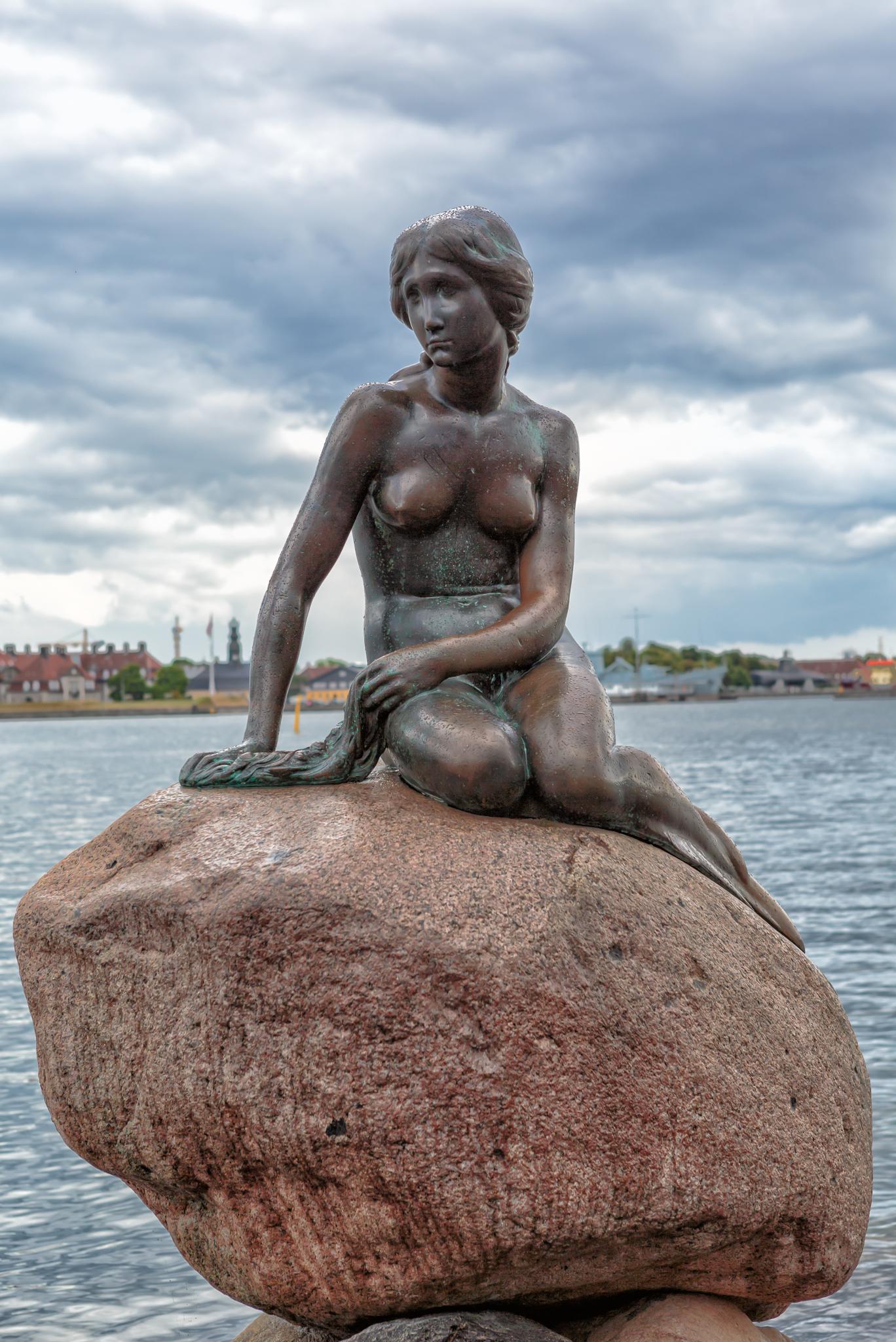
Looking beyond Nyhavn? Discover Copenhagen for broader travel guides, local hot-spots, and regional highlights.
Explore Copenhagen
Copenhagen’s royal theatre world in two acts: a gilded 19th‑century stage on Kongens Nytorv and a bold, glass-fronted playhouse floating above the Inner Harbour.
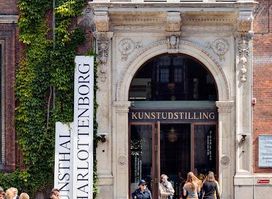
Historic palace turned contemporary art powerhouse, where bold exhibitions meet Nyhavn's iconic waterfront views.