Ambrosius's Oak, Langeland Travel Guide
Centuries‑old oak and literary landmark on Tåsinge, where Ambrosius Stub once found shade and inspiration beside Valdemars Castle in South Funen’s gentle countryside.
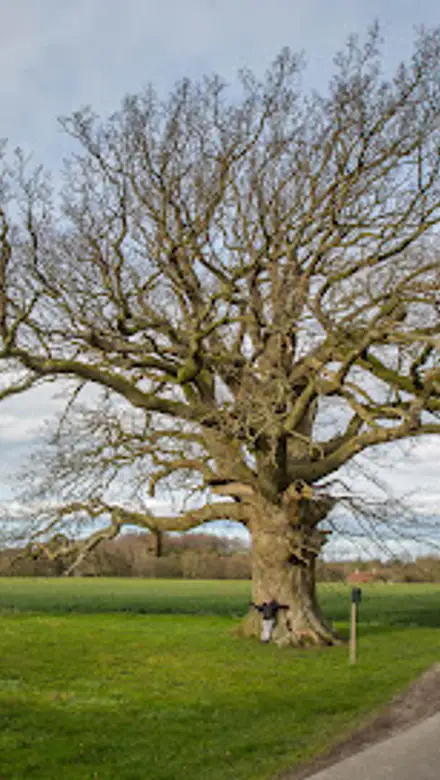
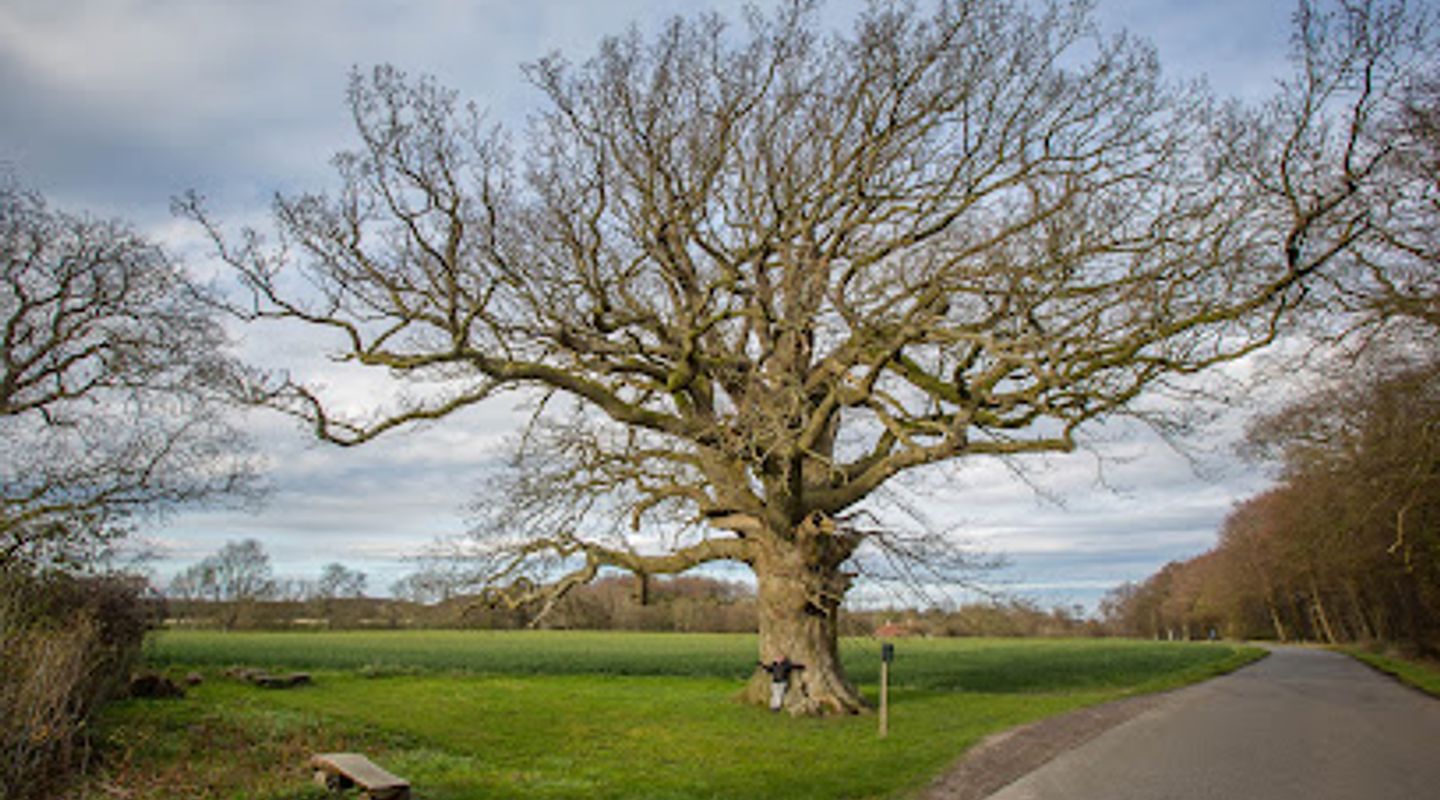
Ambrosius’s Oak is a vast, centuries‑old oak tree on the island of Tåsinge near Svendborg, close to historic Valdemars Castle. Estimated at around 400–500 years old, this gnarled giant is named after 18th‑century poet Ambrosius Stub, who is said to have written beneath its branches. Set beside fields and woodland on the castle’s grounds, it offers a quiet, atmospheric pause in South Funen’s gentle countryside, where literary history, local lore and living nature meet in one memorable silhouette.
A brief summary to Ambrosius's Oak
- Nørreskovvej 1, Svendborg, 5700, DK
- Click to display
- Duration: 0.5 to 1 hours
- Free
-
 Outdoor
- Mobile reception: 4 out of 5

Know before you go
Hi, I'm Eve. Here are a few practical things to know before exploring Ambrosius's Oak.
- Combine your stop at Ambrosius’s Oak with a visit to nearby Valdemars Castle or the village of Troense to make a fuller half‑day outing on Tåsinge.
- Wear sturdy shoes, as the ground around the tree can be uneven or muddy after rain, especially in the shoulder seasons.
- Treat the oak as a living monument: avoid stepping close to the base or climbing the branches to help protect its roots and fragile wood.
- Visit in early morning or late afternoon for softer light that brings out the texture of the bark and makes photography more atmospheric.
Do you manage this location?
Take control to get all the benefits, like improved information, better appearance, and stronger visibility across AI-powered discovery. Learn more about listing your business on Evendo
Activate your presenceOther nearby places you may find interesting
The closest places of the same kind, if this one is not quite what you had in mind.

Explore Ambrosius's Oak on the Map
A handpicked selection of must-see spots near Ambrosius's Oak, mapped for you.
Getting There
-
Walking from Troense on Tåsinge
From the village of Troense on Tåsinge, many visitors choose to walk to Ambrosius’s Oak as part of a gentle countryside stroll. The route typically follows local lanes and paths across slightly undulating terrain and takes around 25–40 minutes one way, depending on pace. Surfaces are a mix of asphalt and gravel, with some sections potentially muddy after rain, so it is best suited to reasonably mobile walkers with sturdy shoes. There is no cost for this option, but it is not ideal for wheelchairs or prams due to uneven ground near the tree.
-
Car from central Svendborg
Driving from central Svendborg to Tåsinge and the area around Ambrosius’s Oak usually takes 15–20 minutes, crossing the Svendborgsund Bridge and following regional roads towards Valdemars Castle. There is typically free roadside or small‑lot parking near the castle’s surroundings, from where visitors continue on foot along short countryside paths to reach the tree in about 5–10 minutes. In high summer and on sunny weekends parking space can be limited, so arriving earlier in the day is advisable. Fuel costs vary, but there are no entrance or parking fees specifically for visiting the oak.
-
Taxi from Svendborg
A taxi ride from Svendborg town centre to the vicinity of Valdemars Castle on Tåsinge generally takes 10–15 minutes. Local taxi companies usually charge in the region of 150–220 DKK each way, depending on traffic and time of day. Taxis can drop passengers close to the access roads near the estate, after which a short, informal walk of roughly 5–10 minutes along paths brings you to Ambrosius’s Oak. This option is convenient for those with limited time or mobility, but it is worth confirming pick‑up arrangements in advance as taxis are less frequent in the rural surroundings.
-
Bus and on-foot connection
Regional buses link Svendborg with stops on Tåsinge, including services heading towards Troense and Valdemars Castle. Typical daytime frequencies are every 30–60 minutes, and a single adult ticket within the local zone system usually costs about 24–30 DKK. From the nearest bus stops, expect a walk of roughly 15–25 minutes on rural roads and paths to reach the oak, with modest inclines and limited shade on hot days. This combination keeps costs low and avoids parking concerns, but travellers should check current timetables and allow extra time for the on‑foot section.
For the on-the-go comforts that matter to you
-
 Trash Bins
-
 Information Boards
Discover more about Ambrosius's Oak
An ancient giant beside Valdemars Castle
Ambrosius’s Oak stands in the soft, rolling landscape of Tåsinge, a short distance west of Valdemars Castle in Svendborg Municipality. The tree rises from the edge of fields and woodland like a living monument, its immense trunk and sprawling crown immediately dominating the surroundings. With a circumference of roughly seven and a half metres, it ranks among Denmark’s most impressive veteran oaks, instantly conveying the sense that it has watched centuries pass in this corner of South Funen.Botanists estimate the oak’s age at around four centuries, meaning it took root in the late Renaissance. Over that time the castle estate has changed owners, wars have reshaped Denmark’s borders, and farming methods have transformed the island, yet this single tree has remained in place. The contrast between its weathered bark and the carefully managed fields and avenues nearby adds to its quiet drama.The poet who gave the oak its name
The tree takes its name from Ambrosius Stub, an 18th‑century Danish rococo poet who worked at Valdemars Castle. Employed for years as a kind of all‑round secretary and assistant to the baron, Stub is said to have sought both shade and inspiration beneath this oak. The idea of a writer pausing under the same boughs you see today adds an intimate human dimension to the site’s natural grandeur.Stub’s verses often touched on faith, fate and everyday joys, themes that fit well with the tranquil setting. Standing here, it is easy to imagine the rustle of leaves and the distant call of seabirds across Svendborgsund forming part of his creative backdrop. The tree thus becomes not just a botanical curiosity but a living link to Denmark’s literary heritage.A landscape layered with history
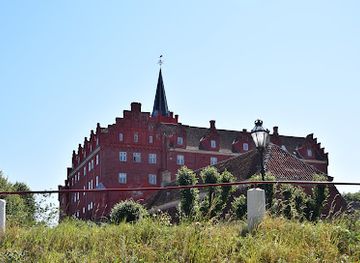
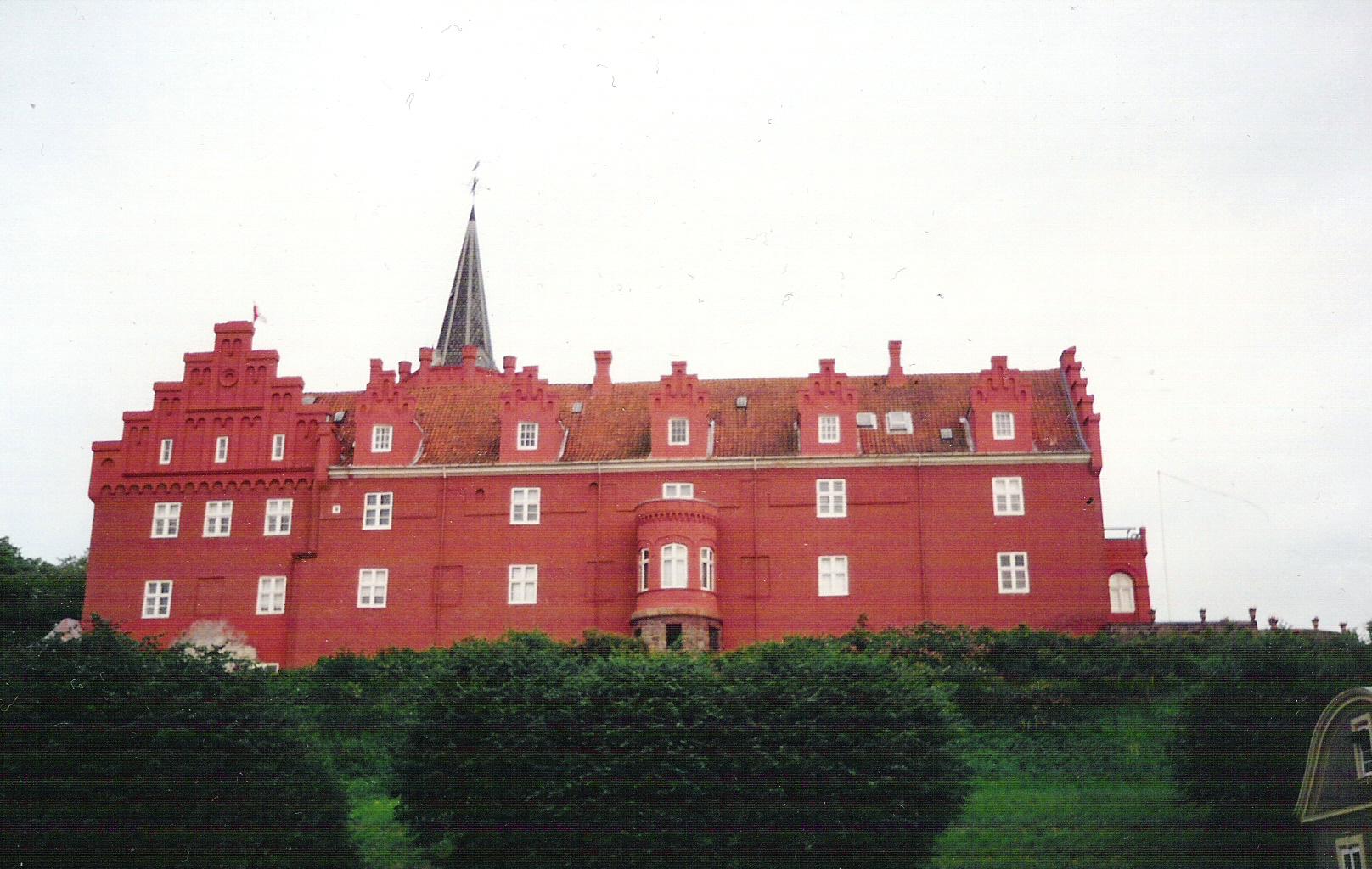
The oak’s immediate neighbour, Valdemars Castle, was founded in the 17th century and later reshaped in fashionable rococo style. The castle’s avenues, orchards and surrounding farmlands form a carefully composed estate landscape, and Ambrosius’s Oak slots naturally into this picture as an older, wilder element. It predates the current palace, reminding visitors that the land itself holds stories from long before barons and admirals arrived.Beyond the castle, the island of Tåsinge has long been known for its orchards, small villages and maritime connections. The nearby village of Troense, with its half‑timbered captains’ houses, and the lore surrounding the tragic couple Elvira Madigan and Sixten Sparre in the Nørreskov forest, give the wider area a distinctly romantic atmosphere. The oak stands almost like a sentinel between these tales of the sea, the estate and the forest.Experiencing the oak up close
Visiting Ambrosius’s Oak is primarily about slowing down and paying attention to detail. From a short distance, the tree’s overall form is striking, its long lateral branches stretching outwards and upwards. Up close, the bark reveals deep fissures, moss patches and hollows that provide tiny habitats for insects, fungi and birds. In summer, its dense canopy casts a broad circle of shade that feels like a natural room.The ground around the tree is generally grassy and gently sloping, and informal desire paths often trace a loose circle around the trunk. There are usually no barriers, but giving the root zone some space helps preserve the oak’s health. On breezy days, the sound of leaves and the creak of old wood underscore just how much living mass is moving above your head.Seasons, light and practical expectations
Ambrosius’s Oak changes character with the seasons. Spring brings a fresh, almost delicate flush of leaves that contrasts with the powerful trunk. Summer frames the tree in lush green and long, bright evenings. In autumn, golden foliage and low sunlight dramatise every curve and knot in the wood. Winter strips the branches bare, revealing an intricate skeleton against a pale sky and highlighting just how ancient and contorted the growth has become.The site itself is simple: there is no visitor centre or formal exhibition at the tree, only the surrounding rural landscape and, in the distance, views towards Valdemars Castle and the island’s gentle coastline. Mobile reception is generally adequate for maps, but this is very much an outdoor, weather‑dependent stop. A short visit of 20–30 minutes is enough to appreciate the oak, yet many travellers choose to combine it with a wider exploration of Tåsinge’s lanes, shorelines and historic houses.A quiet reminder of time and continuity
More than anything, Ambrosius’s Oak offers a sense of continuity. It has stood through storms, shifting fashions and changing notions of landownership, connecting early modern Denmark to the present day. For some, it is a convenient photo stop; for others, a place to reflect on how landscapes and human stories intertwine. Whether you approach it as a piece of natural history, a literary landmark or simply a majestic tree, it rewards unhurried attention and a moment of stillness beneath its far‑reaching branches.












Your all‑in‑one travel companion app
Explore expert travel guides, compare and book tours, experiences, hotels, and more—all from the palm of your hand. Download now for seamless trip planning wherever your wanderlust takes you.


Explore More of Langeland
Looking beyond Ambrosius's Oak? Discover Langeland for broader travel guides, local hot-spots, and regional highlights.
Explore Langeland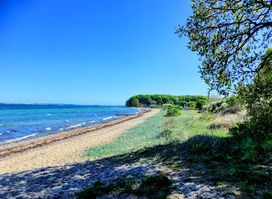
Sheltered island sands, shallow waters and simple seaside fun on Thurø’s Smørmosen Beach, just off Svendborg in the heart of the South Funen Archipelago.
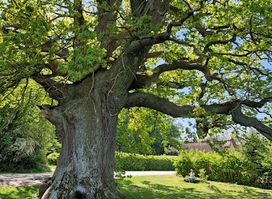
A 400‑year‑old oak in Tåsinge’s Nørreskov forest, where poetry, castle history, and quiet woodland atmosphere meet beneath one vast crown.