Abbey Mill, Central Jutland Travel Guide
Medieval monastery and paper mill heritage amid Denmark's largest lake and pristine forests.
Abbey Mill is a historic monastery and paper mill complex nestled in Denmark's Lake District near Skanderborg. This atmospheric site blends medieval heritage with industrial history, featuring preserved buildings, scenic walking trails, and panoramic viewpoints overlooking Mossø, Denmark's largest lake. The 100-metre drying barn—Denmark's longest wooden building—stands as a testament to the mill's paper-making past. Perfect for leisurely exploration, photography, and connecting with both nature and history.
A brief summary to Abbey Mill
- Klostermøllevej 48, Skanderborg, 8660, DK
- Click to display
- Click to display
- Duration: 1.5 to 4 hours
- Free
-
 Outdoor
- Mobile reception: 4 out of 5

Know before you go
Hi, I'm Eve. Here are a few practical things to know before exploring Abbey Mill.
- Visit during early morning or late afternoon for optimal lighting and photography. The soft light beautifully illuminates the historic wooden structures and reflects off the water.
- Bring binoculars and visit the bird observation tower at the north end of the drying barn for excellent birdwatching opportunities, especially during migration seasons.
- Pack a picnic and use the shelter near the parking area. The mill canal walk and grounds offer peaceful spots to enjoy food while surrounded by nature.
- Wear comfortable walking shoes and allow time to explore the Sukkertoppen viewpoint, a 500-metre walk from the parking lot offering panoramic views of the entire lake region.
- Read the interpretive panels throughout the site to fully appreciate the layered history—from medieval monastery to industrial paper mill to modern nature destination.
Do you manage this location?
Take control to get all the benefits, like improved information, better appearance, and stronger visibility across AI-powered discovery. Learn more about listing your business on Evendo
Activate your presenceOther nearby places you may find interesting
The closest places of the same kind, if this one is not quite what you had in mind.
Explore Abbey Mill on the Map
A handpicked selection of must-see spots near Abbey Mill, mapped for you.
Getting There
-
Car from Skanderborg
From Skanderborg town centre, follow route 52 towards Silkeborg for approximately 8 kilometres. Turn right onto Klostermøllevej and continue for about 2 kilometres to reach Abbey Mill. A free parking lot is available immediately south of the buildings, with space for both cars and buses. Journey time is approximately 12–15 minutes. The road is well-maintained and clearly signposted.
-
Public Bus from Skanderborg Station
From Skanderborg Station, take bus line 200 towards Klostermølle and get off at the Klostermøllevej stop. Abbey Mill is a short 5-minute walk from the bus stop. Journey time is approximately 20–25 minutes depending on service frequency. Check local bus schedules in advance, as services may vary seasonally. This option is suitable for those without a vehicle.
-
Canoe Access via Gudenå River
Abbey Mill serves as a major waypoint for canoe travellers on the Gudenå River. Canoe rental services in Silkeborg and Ry provide access cards (125 DKK for 3 days, included with rental) allowing passage through the mill's water sections. The site marks a transition point where canoes are lifted between different water levels. A free campsite adjacent to the mill accommodates canoe travellers for up to two nights.
-
Walking from Ry
The town of Ry, approximately 5 kilometres away, is connected to Abbey Mill via scenic walking trails through forests and along the Gudenå River. The walk takes 60–90 minutes depending on the exact route chosen. This option is ideal for those seeking an immersive nature experience and allows exploration of the surrounding landscape. Trails are generally well-marked and suitable for moderate fitness levels.
For the on-the-go comforts that matter to you
-
 Restrooms
-
 Picnic Areas
-
 Seating Areas
-
 Sheltered Areas
-
 Information Boards
-
 Trash Bins
Discover more about Abbey Mill
Medieval Monastery to Industrial Heritage
Abbey Mill represents a fascinating journey through Danish history spanning nearly a millennium. Originally established as a Benedictine monastery in the Middle Ages, the site later transformed into a thriving paper and cardboard factory that operated until a devastating fire in 1973. Today, the complex preserves this layered past through carefully maintained buildings and interpretive exhibitions, allowing visitors to walk through spaces where monks once prayed and industrial workers once labored.The monastery's early history reflects the determination of religious communities to find suitable land. Cistercian monks initially attempted settlement in several locations before finally establishing themselves here in the parish of Gammel Rye, surrounded by water and marshlands that provided both protection and resources. At its medieval peak, the abbey owned extensive properties across central Jutland and operated as one of Denmark's wealthiest monastic houses, complete with a hospital, library, and guest facilities.The Drying Barn and Industrial Legacy
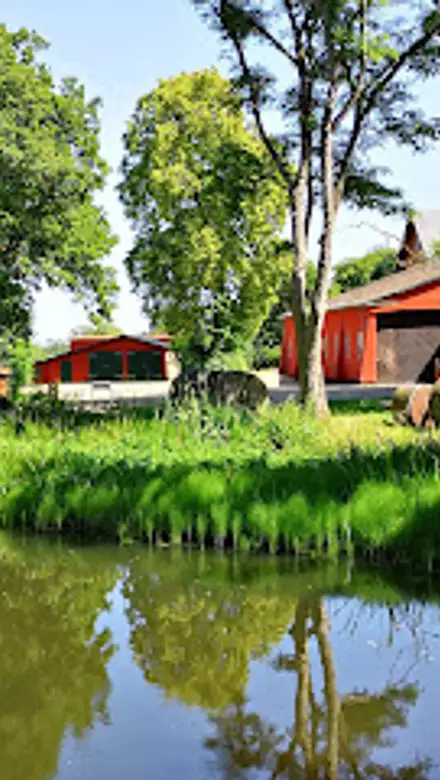
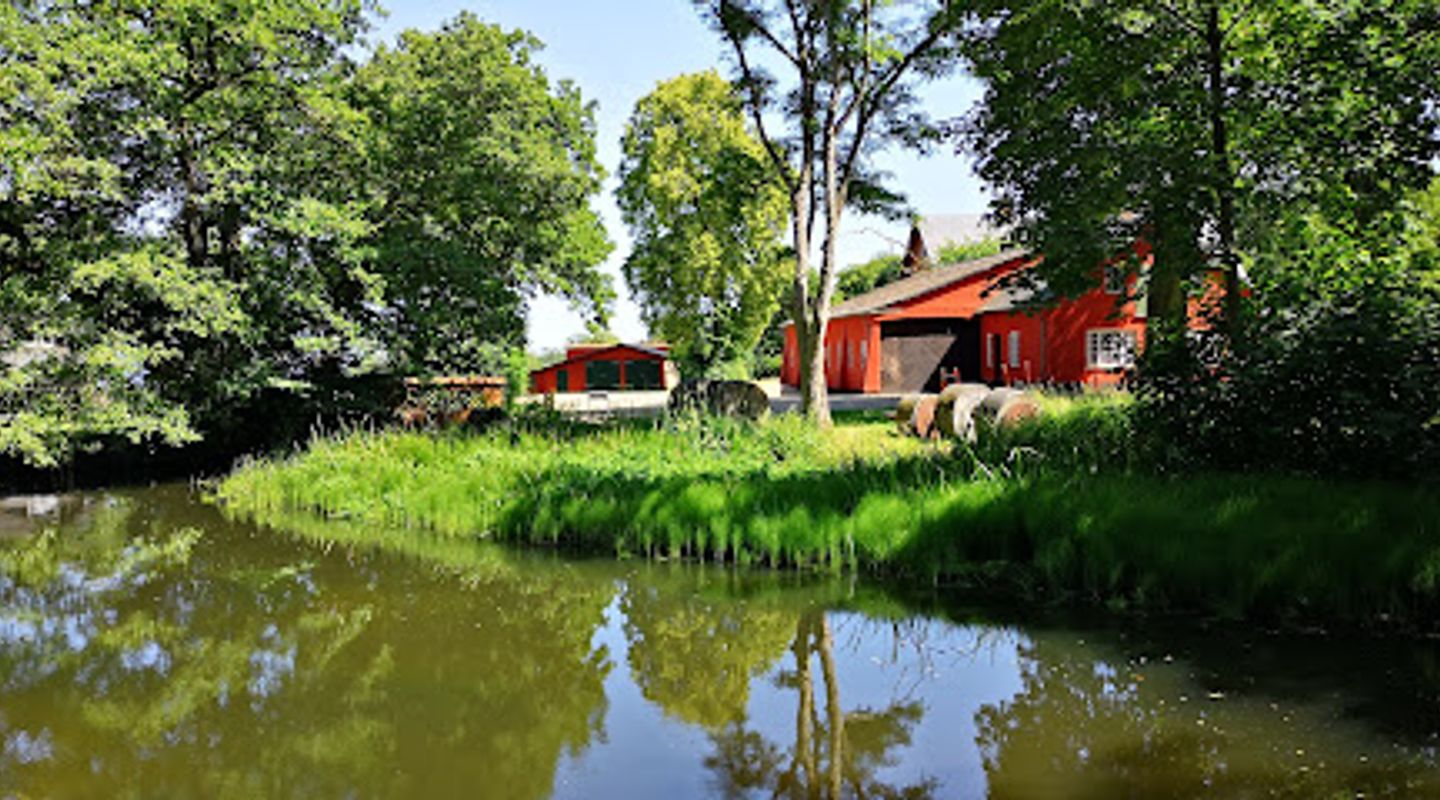
The most striking structure at Abbey Mill is the 100-metre-long wooden drying barn—a record-holding achievement as Denmark's longest wooden building. Within this cathedral-like space, visitors can still observe the original rails and hatches where cardboard and paper hung to dry during the mill's operational years. The barn's scale and craftsmanship offer a tangible sense of the industrial enterprise that sustained the site for over a century. A bird observation tower positioned at one end of the barn provides an elevated vantage point for both wildlife watching and panoramic photography.Landscape and Natural Setting
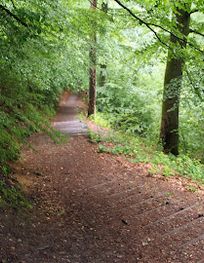
The location's beauty stems from its position within Denmark's most scenic lake region. Abbey Mill sits adjacent to Mossø, Denmark's largest lake, and the Gudenå River, which flows through the surrounding forests and marshlands. The landscape features rolling hills, dense beech forests, and wetland areas that support abundant birdlife. Walking trails wind through these natural surroundings, offering peaceful routes for exploration and contemplation. The nearby Sukkertoppen (Sugar Loaf) viewpoint rises 108 metres above sea level just a short walk away, delivering breathtaking panoramic vistas across the lakes, marshes, and forested hills.Visitor Experience and Facilities
The site welcomes visitors year-round with no fixed opening hours, making it accessible for spontaneous visits at any time. The buildings remain open to public exploration, and interpretive panels throughout the complex tell stories of both the monastery and mill periods. A well-maintained parking area accommodates both cars and buses, and a picnic shelter allows visitors to bring their own food and drinks. The 1.3-kilometre mill canal offers a pleasant walking route, while the observation tower and nearby viewpoints provide excellent photography opportunities. The atmosphere remains serene and contemplative, particularly during early morning or late afternoon hours when light transforms the historic structures and natural landscape.Canoe Access and Water Activities
Abbey Mill serves as a significant waypoint for canoe travelers navigating the Gudenå River and connected lakes. A campsite adjacent to the mill provides free overnight accommodation for canoe paddlers (limited to two nights), and the location marks an important transition point where canoes are lifted between different water sections. This role as a canoe hub adds a dynamic element to the site, with paddlers regularly passing through and contributing to the sense of the location as a historic crossroads.












Your all‑in‑one travel companion app
Explore expert travel guides, compare and book tours, experiences, hotels, and more—all from the palm of your hand. Download now for seamless trip planning wherever your wanderlust takes you.


Explore More of Central Jutland
Looking beyond Abbey Mill? Discover Central Jutland for broader travel guides, local hot-spots, and regional highlights.
Explore Central Jutland