

Runddyssen Megalithic Burial Mound, Skanderborg
A modest Neolithic burial mound tucked into the fields near Skanderborg, offering a quiet, atmospheric glimpse into Denmark’s Stone Age past.
Tucked just outside Skanderborg on Rønnevej, Runddyssen is a small but atmospheric Neolithic round dolmen, part of Denmark’s ancient megalithic heritage. A low earthen mound ringed with stones shelters a simple burial chamber, quietly embedded in rolling fields and farmland. There are no facilities or crowds here—just wind, grass and a tangible sense of deep time, offering a brief, contemplative stop for history-minded travelers exploring rural Jutland.
A brief summary to Runddyssen
- Rønnevej 1D, Skanderborg, 8660, DK
- Click to display
- Duration: 0.5 to 1 hours
- Free
-
 Outdoor
- Mobile reception: 4 out of 5

Know before you go
Hi, I'm Eve. Here are a few practical things to know before exploring Runddyssen.
- Wear sturdy shoes; access is over grass and uneven ground around the mound and stones, which can be slippery after rain.
- Bring any information you need in advance, as there is no on-site signage or visitor center explaining the dolmen.
- Treat the mound as an active gravesite: avoid climbing on the stones, and do not disturb the surrounding fields or earth.
Do you manage this location?
Take control to get all the benefits, like improved information, better appearance, and stronger visibility across AI-powered discovery. Learn more
Activate your presenceOther nearby places you may find interesting

Getting There
-
Car from Skanderborg town center
From central Skanderborg, driving to Runddyssen near Rønnevej typically takes 5–10 minutes depending on local traffic. The route follows ordinary town and country roads with no tolls. Limited roadside parking is usually possible near the mound, but there is no marked car park, so be careful not to block field entrances. Fuel costs for such a short return trip are minimal, and there are no entrance fees at the site.
-
Bicycle from Skanderborg area
Cycling from Skanderborg to the dolmen is a realistic option for reasonably confident cyclists, taking around 20–30 minutes each way. The ride uses local paved roads with gentle hills typical of the Jutland landscape. There are no dedicated bike facilities at the mound, so you will need to lean or lock your bicycle against a fence or suitable post. The route is best in daylight and in dry conditions, especially in colder months.
-
Local bus and short walk
Depending on current timetables, a local bus service along routes connecting Skanderborg with nearby residential areas and villages can bring you within walking distance of Rønnevej. The ride generally takes 10–20 minutes, with adult single tickets usually in the range of 20–35 DKK within the local zone system. Services may be less frequent in evenings and on weekends, so checking departure times in advance is important. From the nearest stop you should expect a short walk on roadside verges or pavements to reach the mound.
Discover more about Runddyssen
An ancient tomb in the Jutland countryside
Runddyssen near Skanderborg is a modest Neolithic round barrow, one of the many prehistoric tombs that still dot the Danish landscape. Constructed more than 5,000 years ago, it belongs to the era when the first farming communities raised megalithic monuments for their dead, combining earth and large glacial boulders into enduring memorials. Here the past feels surprisingly close, because almost nothing separates you from the structure itself.From a distance, the mound looks like a gentle swell in the field. As you draw nearer, the outline of the stone ring becomes clearer: an encircling row of weathered rocks securing the low barrow, with a small chamber at its heart. Unlike grand passage graves, Runddyssen’s scale is human and intimate. Its stones have sunk and shifted over millennia, but the overall shape is still legible in the landscape, a quiet reminder of how long people have lived and died in this corner of Jutland.Reading the structure of a round dolmen
Runddyssen represents a type of Neolithic tomb known as a round dolmen, where an earthen mound covers a compact stone burial chamber. The circle of curb stones marks the mound’s edge, while larger slabs form the chamber walls and roof. Originally, the structure would have been more pronounced: higher earthworks, tighter stones, and perhaps a clearly defined access to place the deceased and offerings inside.Standing beside the mound, you can pick out individual construction elements. The curb stones, though irregular, form a deliberate ring. Within, the chamber is built from heavier blocks, creating a sheltered interior space once used for burials and ritual. Archaeologists associate such tombs with early farming cultures that cultivated the land, tended livestock and built these monuments as both graves and communal symbols, binding families to a specific place across generations.A quiet break on the edge of Skanderborg
Part of Runddyssen’s appeal is its simplicity. There is no visitor center, ticket booth or soundscape beyond what nature provides. Traffic on nearby roads fades quickly, replaced by birdsong, the rustle of crops and the ever-present Jutland wind. The mound sits in open country close to modern houses and farms, which only heightens the contrast between everyday life and the deep prehistory beneath your feet.Because the site is small, most visits are brief. It works well as a short stop during a drive around Skanderborg’s lakes and villages, or as a leg-stretcher on a cycling route through the countryside. There is room to walk around the mound, circle the stone ring and pause for photographs, but otherwise the experience is deliberately uncluttered. The lack of interpretation invites you to imagine the rituals, stories and people that once animated this spot.Respecting an ancient gravesite
Although access is informal, Runddyssen is first and foremost a burial place. The stones and earth cover human remains and archaeological layers that cannot be replaced. Treating the tomb like an outdoor exhibit rather than a playground protects both the monument and the surrounding farmland. Walking gently on existing paths and grass, avoiding climbing on the stones and leaving everything as you found it helps keep erosion and damage to a minimum.This respect extends to the broader environment. The mound forms part of an agricultural landscape that has been worked for thousands of years. Today’s fields may grow different crops, but they are part of the same long story of settlement and cultivation that began when Neolithic farmers raised the dolmen. Taking a moment to stand in silence, feel the wind and look across the fields is a way of connecting to that continuity.Link in a chain of Danish megaliths
While Runddyssen is small, it belongs to one of Northern Europe’s densest concentrations of megalithic monuments. Across Denmark there are passage graves, long barrows and other round dolmens, each with its own form and setting. Visiting this mound near Skanderborg offers an accessible glimpse into that wider prehistoric network without needing to cover long distances or tackle challenging terrain.In combination with Skanderborg’s medieval history, nearby churches and museums, the dolmen rounds out a picture of the region that stretches from the Stone Age to the present day. For travelers who enjoy layering time periods into a single day’s wanderings, this grass-covered tomb is a small but evocative piece of the puzzle.Explore the best of what Runddyssen has to offer













More about East Jutland
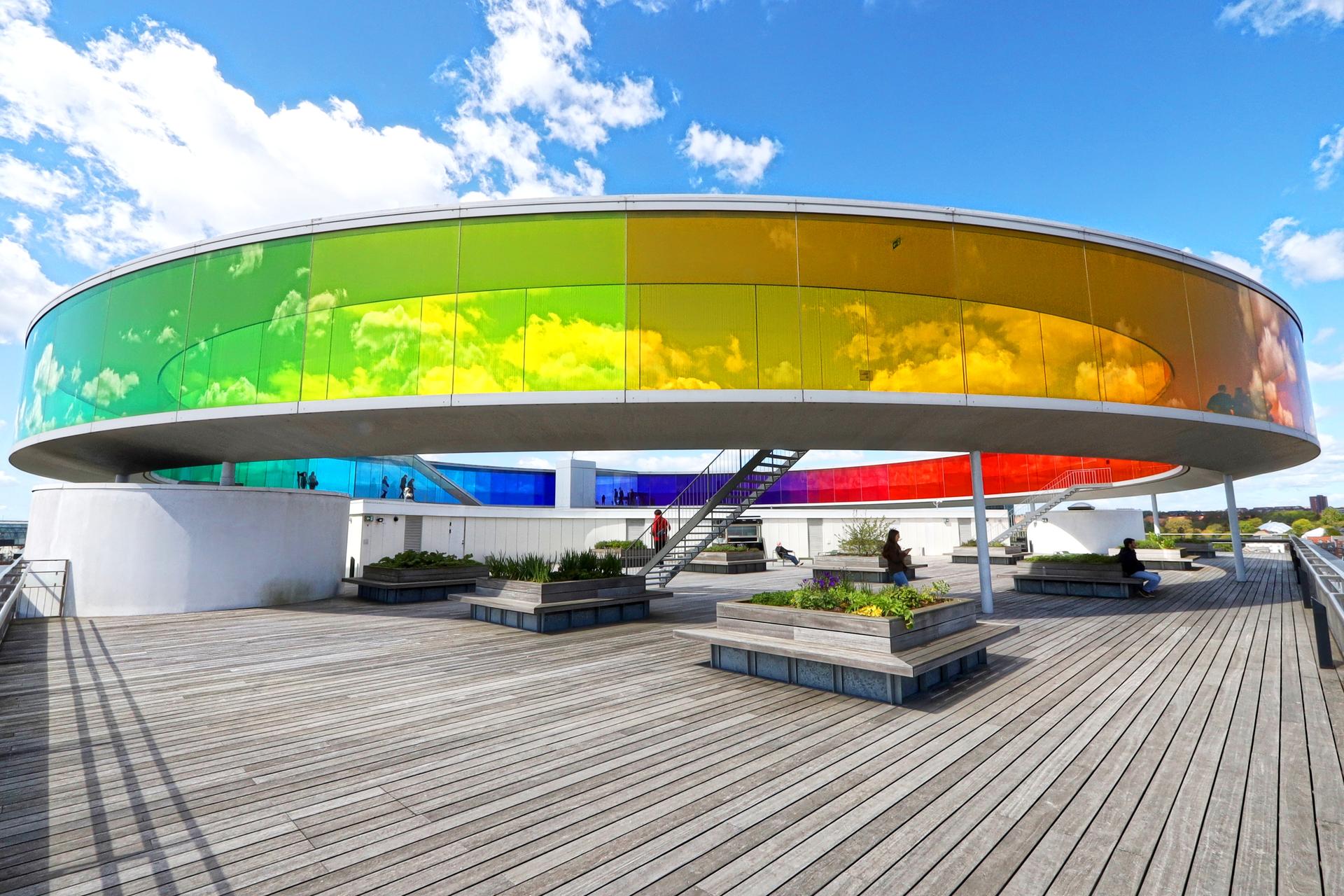
Discover East Jutland, Denmark's enchanting region blending vibrant cities, rich history, and stunning natural landscapes, perfect for every type of traveler.
Tell me more about East Jutland
A serene forest enclosure on Aarhus’ doorstep where free-roaming deer, hilly woodland and glimpses of Aarhus Bay create a gently wild, close-to-nature escape.

A sinuous Ice Age valley south of Stilling-Solbjerg Lake, where steep slopes, moors and ponds create a quietly dramatic East Jutland walking landscape.
