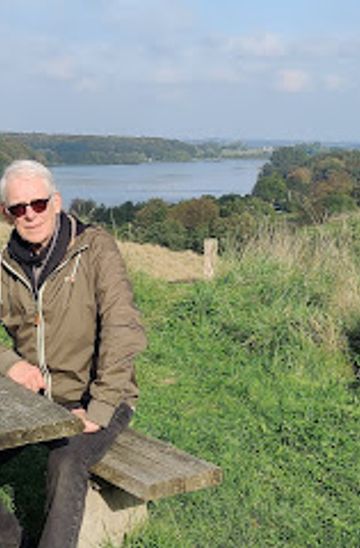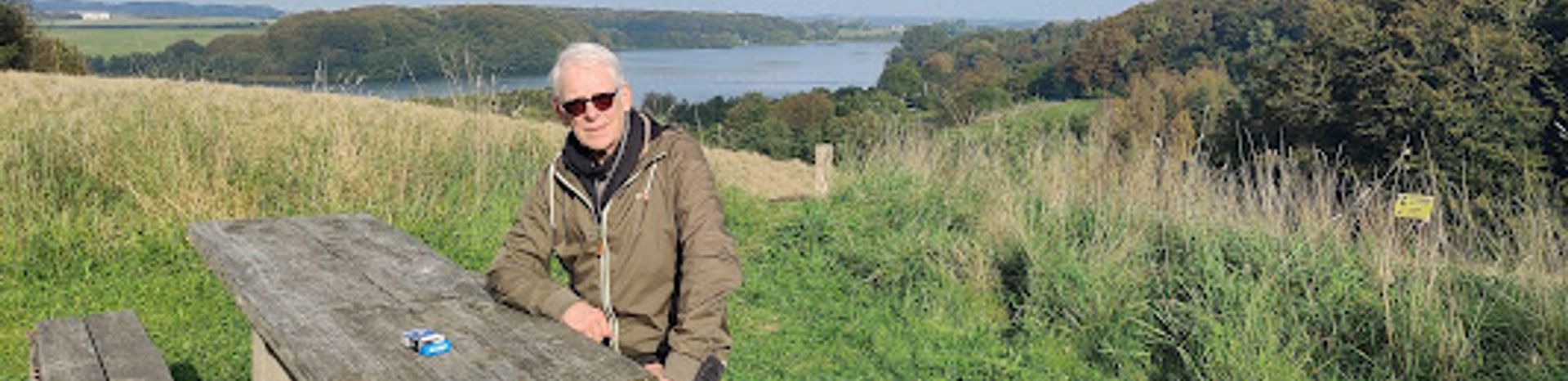
Pilbrodalen Valley by Stilling-Solbjerg Lake
A sinuous Ice Age valley south of Stilling-Solbjerg Lake, where steep slopes, moors and ponds create a quietly dramatic East Jutland walking landscape.
Pilbrodalen is a gently winding glacial valley south of Stilling-Solbjerg Lake near Skanderborg, stretching for about 4–5 km between soft hills and steep-sided ravines. Protected for its classic East Jutland lake-and-valley landscape, the area mixes tall slopes, moist meadows, moors and small ponds formed after peat cutting. Limited but well-marked paths and a gravel road offer tranquil walks with fine views over Stilling Sø and the surrounding countryside.
A brief summary to Pilbrodalen
- Vitvedhedevej 7, Skanderborg, 8660, DK
- Duration: 1.5 to 4 hours
- Free
-
 Outdoor
- Mobile reception: 4 out of 5

Know before you go
Hi, I'm Eve. Here are a few practical things to know before exploring Pilbrodalen.
- Stick to marked paths, signed public tracks and rest areas; much of Pilbrodalen is privately owned and access is only allowed on designated routes.
- Wear sturdy shoes with good grip, as sections of the valley can be steep and the clay-rich ground turns slippery after rain.
- Visit in late spring or early summer to see the valley’s orchids and wetland plants at their best, and to enjoy long daylight hours.
- Bring water and snacks; facilities in and around the valley are limited and there are no cafés or shops directly on the route.
- Keep dogs on a lead near grazing areas and livestock, and close gates carefully to respect local farming activity.
Do you manage this location?
Take control to get all the benefits, like improved information, better appearance, and stronger visibility across AI-powered discovery. Learn more
Activate your presenceOther nearby places you may find interesting

Getting There
-
Car from Skanderborg
From Skanderborg town centre, driving to Pilbrodalen via local roads past Stilling typically takes about 10–15 minutes, depending on traffic. The route follows paved country roads almost the entire way, with the last stretch on a public gravel road through the valley. Expect basic roadside or small informal parking areas rather than a large designated car park. There is no entrance fee to the valley, but usual fuel costs apply.
-
Regional bus and short walk
Regional buses between Skanderborg and Stilling or Solbjerg offer a practical option for reaching the Pilbrodalen area. The ride usually takes 15–25 minutes, and a single adult ticket within the local zone system is typically in the range of 25–40 DKK. From the nearest bus stop, you should allow 15–30 minutes on foot along quiet local roads and farm tracks to reach marked access points. Surfaces are mixed and can be muddy in wet weather, so choose footwear accordingly.
-
Bicycle from Skanderborg
Cycling from Skanderborg to Pilbrodalen is a pleasant countryside ride of roughly 7–10 km, taking about 30–45 minutes each way for an average cyclist. The route mainly follows minor roads with gentle hills typical of East Jutland. There is no specific fee for bike access, and you can ride along the valley’s public gravel road, dismounting where paths become narrow or steep. Be prepared for loose gravel and occasional agricultural traffic.
For the on-the-go comforts that matter to you
-
 Information Boards
-
 Trash Bins
-
 Picnic Areas
-
 Seating Areas
Discover more about Pilbrodalen
A glacial valley hidden in East Jutland’s hills
Pilbrodalen sits just south of Stilling-Solbjerg Lake, carving a 4–5 km long ribbon through the rolling farmland between Vitved, Fastrup and Solbjerg. Formed during the last Ice Age, the valley cuts down into otherwise soft, cultivated hills, creating a surprisingly varied landscape in a compact area. At its western end, Pilbrodalen narrows dramatically as it meets Stilling Sø, with steep slopes enclosing a tight passage.Further east, the valley opens into a broader basin that feels almost like a secluded amphitheatre of fields, patches of woodland and grazed grassland. The long, sinuous profile means the scenery constantly shifts: from enclosed, intimate stretches to wide, airy sections with big skies and broad views over the lake and surrounding countryside.Protected nature shaped by water and peat
Pilbrodalen is part of a substantial protected area around Stilling-Solbjerg Lake, designated to preserve a characteristic East Jutland lake-and-valley landscape. Historically, several small lakes dotted the valley floor; over time many of these infilled and turned into moors. Later peat cutting in these wetlands left a scatter of water-filled pits, now tranquil ponds that give the valley much of its present character.The combination of damp meadows, moors, ponds, dry slopes and grazed grassland creates a mosaic of habitats within a relatively small area. The valley is also recognised as a national geological interest site, illustrating how ice, meltwater and later human use have shaped the terrain. Despite being surrounded by farmland, Pilbrodalen remains a distinctly natural pocket with an almost enclosed, sheltered feel.Orchids, overdrevs and a rich plant life
The fertile soils and varied moisture conditions make Pilbrodalen botanically interesting. In the wettest areas, especially near the moors and ponds, you can encounter spring and early-summer plants associated with damp meadows, including several orchid species. On the drier slopes and overdrevs – open grazed grasslands on the valley sides – other orchids and sun-loving plants appear, taking advantage of the well-drained soil and good light.These open slopes are not only attractive in themselves; they also frame the long views over Stilling Sø and the patchwork of fields, tree belts and hedgerows. The mixture of shady wooded sections, bright grassland and low wetland means that as you walk, the colours, smells and textures of the vegetation change subtly from bend to bend.Walking the gravel road and hillside paths
An unpaved public road runs the length of Pilbrodalen, making it straightforward to experience the valley on foot or by bicycle without venturing far into private land. From this spine route, smaller marked footpaths climb to viewpoints where the valley and lake open up beneath you. Gradients can be surprisingly steep in places, especially toward the western, narrow end, while other parts follow gentler contours between the softly rising fields.Surfaces vary from compacted gravel to narrow trodden tracks, so footwear with a decent grip is wise, particularly after rain when the clay-rich soil can become slippery. For those who prefer level terrain, simply following the gravel road still offers a strong sense of the valley’s shape, its changing width and the interplay between the sheltered floor and exposed ridgelines.Quiet countryside with limited but clear access
Although the surrounding area is heavily farmed, the protected zone in and around Pilbrodalen remains largely rural and low-key. Much of the land is privately owned, and access for the public is intentionally concentrated along designated paths, signed routes and small rest areas near the most characteristic landscape features. This arrangement helps protect both wildlife and land use, while still allowing walkers to appreciate the valley’s geology and plant life.Simple facilities such as information boards and modest parking spots exist at some access points, but services remain minimal. The emphasis here is on quiet immersion in landscape rather than built infrastructure. With Stilling and Skanderborg not far away, Pilbrodalen works well as a half-day outing where you can exchange town streets for a classic Danish valley shaped by ice, water and centuries of cultivation.Explore the best of what Pilbrodalen has to offer















More about East Jutland

Discover East Jutland, Denmark's enchanting region blending vibrant cities, rich history, and stunning natural landscapes, perfect for every type of traveler.
Tell me more about East Jutland
Quiet lakeside marina in Ry, offering relaxed waterfront life, boat trips into the Silkeborg Lakes and easy access to the gentle hills of Denmark’s lake district.

A modest Neolithic burial mound tucked into the fields near Skanderborg, offering a quiet, atmospheric glimpse into Denmark’s Stone Age past.