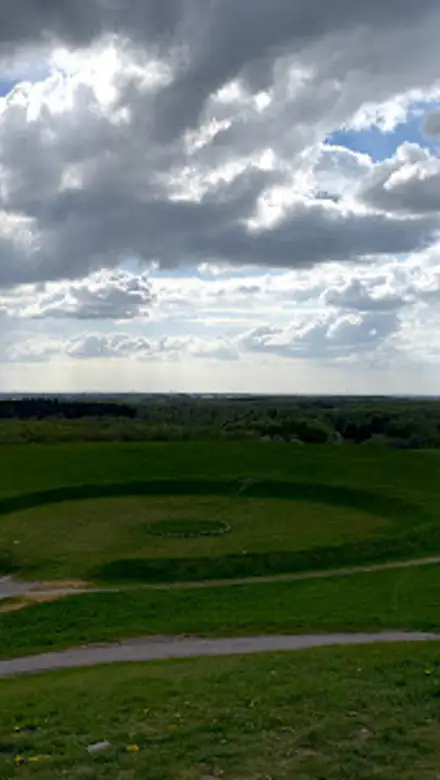
Herstedhøje Travel Guide
Free Guide: Grassy hilltops above Vestskoven with wide horizons, easy trails and a breezy sense of escape on the western edge of greater Copenhagen.


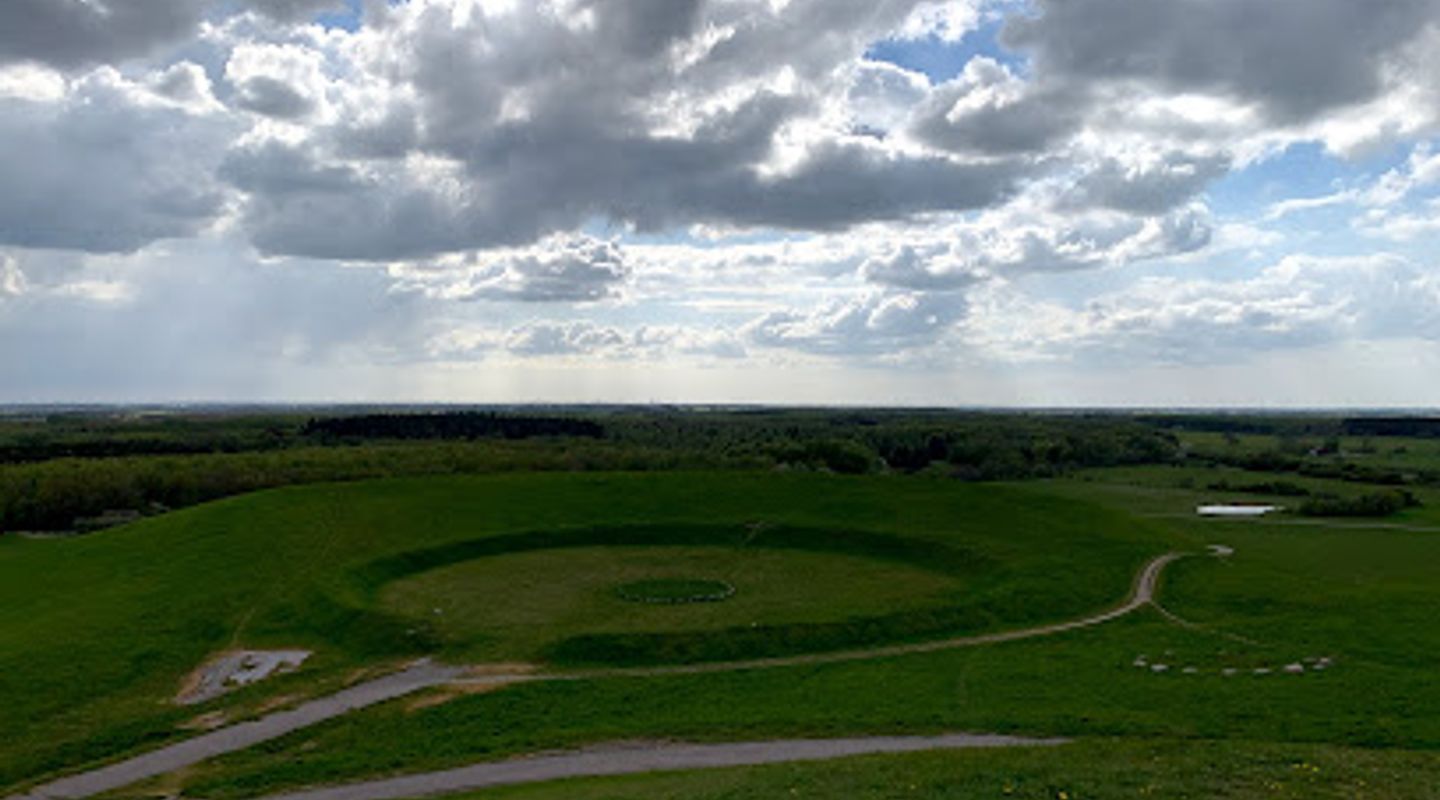
A brief summary of Herstedhøje
Grassy hilltops above Vestskoven with wide horizons, easy trails and a breezy sense of escape on the western edge of greater Copenhagen.
Herstedhøje is a pair of grassy hilltops rising above Vestskoven on the western edge of greater Copenhagen, offering some of the area’s widest open views. Just outside Albertslund, these former landfill and gravel mounds have been shaped into a recreational landscape of rolling slopes, meadows and woodland paths. From the summit you look over Vestskoven, city skylines and on clear days even towards Øresund, making it a popular spot for walks, picnics, sledding and sunset-watching close to the capital.
On-site amenities
 Restrooms
 Drink options
 Drinking water
 Food options
 Seating areas
 Sheltered areas
 Picnic areas
 Trash bins
 Information boards
 Visitor centre
Opening hours
- Every dayOpen 24 hours
Opening hours as listed on the venue’s Google Business Profile. Hours can change for services and special events, so check with the venue before you go.
- Address
- 2620 Albertslund
- Website
Getting there
Regional train and bus from central Copenhagen
Bicycle from greater Copenhagen
Car from Copenhagen region
Discover more about Herstedhøje
Hilltops Above the Forest
Herstedhøje crowns the northern edge of Vestskoven, a large planted forest west of Copenhagen where open grassland, young woodland and wide skies replace the city’s dense streets. The hilltops rise conspicuously from the otherwise flat surroundings, forming a pair of rounded mounds that act as natural viewing towers above the treeline. Paths fan out from the base and zigzag up the slopes, giving you a gentle but definite sense of ascent as the forest canopy drops away beneath you.Although they look like natural hills, Herstedhøje are man‑made, built from surplus soil and shaped over time into the smooth, walkable forms you see today. The grass cover softens their origins and turns them into a green playground for walkers, runners and families. In winter, the same slopes that host picnics and kite-flying become local favourites for tobogganing when a dusting of snow arrives.
Wide Horizons Over Vestskoven
From the top, Herstedhøje rewards the short climb with some of the broadest views in the Copenhagen region. To one side stretches Vestskoven’s patchwork of conifers, deciduous woodland and open clearings; to the other, the low skyline of Albertslund and neighbouring suburbs reminds you how close you are to the city. On clear days you can make out distant chimneys, wind turbines and glimpses of water on the horizon.The openness of the summit makes it a natural place to track the sky. Sunsets can be particularly striking, with the sun dropping behind the forest and the mounds catching the last warm light. Even on overcast days, the elevated position offers a feeling of escape from the urban grid, with wind, light and weather more immediate than down among the trees.
Vestskoven’s Green Playground
Around the hills, Vestskoven provides an extensive network of paths for walking, cycling and running, so Herstedhøje works well as both a destination and a waypoint on longer outings. The terrain is mostly gentle, with a mix of wide gravel tracks and narrower forest trails that invite you to improvise your own loop. Open meadows near the hills create space for ball games, flying kites or spreading out a picnic blanket on fine days.Nearby, Naturcenter Herstedhøje functions as an informal gateway to the area, with simple facilities, nature displays and outdoor shelters used for school activities and events. Even if you do not join a program, its presence adds a sense of focus and makes the area feel welcoming for casual visitors, families and small groups looking for an easy half-day in nature.
Nature Close to the Capital
Herstedhøje’s appeal lies in how easily it fits into everyday life. It offers a quick escape into open space for residents of Albertslund and greater Copenhagen who want fresh air without committing to a long journey. Joggers use the hill for short but effective climbs, dog walkers loop around the base, and children race each other up and down the slopes while adults linger on the crest to take in the breeze.The setting also reveals a characteristic Danish approach to landscape: practical, human-made elements turned into accessible, shared green spaces. The former industrial land has been reimagined as forest and hill, giving local communities both a nature experience and a clear visual landmark for orientation.
Seasons, Weather and Atmosphere
Herstedhøje changes character with the seasons and weather. In spring and summer the grass is lush, the forest a vivid green and the hilltops inviting for barefoot lounging. Autumn brings golden light and colour to the trees, with clearer air sharpening distant views. In winter, wind can be brisk on the exposed summit, but the snow transforms the slopes into improvised runs for sleds and makes the horizon feel even wider.Whatever the season, the atmosphere tends toward relaxed and unpretentious. There is room to find a quiet corner for contemplative moments, but also space for laughter, games and casual meetups. For many visitors, climbing Herstedhøje becomes a simple ritual: a few minutes of effort, a pause at the top to breathe and look out over Vestskoven, and then an easy stroll back into everyday life.
Evendo Review Centre
 Google
Guest reviews
Best time to go
Quietest: Jan, Feb & Mar · before 7am
Busy times are Evendo estimates for a typical year, to help you plan. Actual crowds vary with events, school holidays and the weather.
Explore Herstedhøje on the map
A handpicked selection of must-see spots near Herstedhøje, mapped for you.
Get your free copy of our complete guide to Herstedhøje, delivered straight to you.
Everything on this page, from opening hours and how to get there to Eve’s tips and the best time to go, in one PDF you can read offline, print or share.
Already have an account? Sign in
Your Herstedhøje guide is ready.
We'll send it to · Not you? Sign out

Getting your guide ready…
We are putting together a fresh copy of the Herstedhøje guide. This can take up to a minute.
This can take a few moments. If your browser asks, choose Allow so the download can start. You'll find the guide in your Downloads folder.
Nothing happened? Download it again
Sorry, the guide is taking longer than usual. Please try again in a minute, or get it by email instead.
Other nearby places you may find interesting
The closest places of the same kind, if this one is not quite what you had in mind.
-
Frederikssund Viking Village Open‑air Viking village and legendary summer saga play on the shores of Roskilde Fjord, where costumed warriors, longhouses and Norse myths come vividly to life.
-
Gummistranden Compact urban beach on Helsingør’s waterfront, with Kronborg Castle on the horizon, easy promenade access and big Øresund views just minutes from the town centre.
-
Esrum Kloster & Møllegård A 12th-century Cistercian abbey turned cultural hub, where red-brick history, herb gardens and North Zealand’s gentle landscapes meet around Esrum Lake.
-
Island of imagination A quiet royal ruin on a forested lake, where fragments of a 19th‑century retreat invite you to weave Nordic myths, royal tales and your own stories together.
-
Udsigtsplateau A modest wooden platform with a million‑kroner view over Øresund, Kronborg’s silhouette and the Swedish coast, perfect for a quiet coastal pause in Helsingør.
Swipe for more places
More to explore near Herstedhøje

 Best experiences near Herstedhøje
 Best hotels near Herstedhøje
 Best landmarks near Herstedhøje
 Best attractions near Herstedhøje
 Best shops near Herstedhøje
 Best restaurants near Herstedhøje
 Best bars near Herstedhøje
Do you manage this location?
Take control to get all the benefits, like improved information, better appearance, and stronger visibility across AI-powered discovery.
Explore more

Explore more of North Zealand
Explore North Zealand, Denmark's enchanting region of castles, beaches, and royal estates, perfect for history buffs, nature enthusiasts, and seaside lovers.
Explore North Zealand
Explore more of Denmark
Discover Denmark: A perfect blend of history, modern design, and the cozy concept of hygge. Explore vibrant cities, serene landscapes, and world-class cuisine.
Explore Denmark