

Vestskoven Travel Guide
Free Guide: Denmark's largest new forest: a 1,400-hectare woodland escape with Viking heritage, artificial hills, and historic landmarks.


A brief summary of Vestskoven
Denmark's largest new forest: a 1,400-hectare woodland escape with Viking heritage, artificial hills, and historic landmarks.
Vestskoven, Denmark's largest new forest, sprawls across 1,400 hectares in the western suburbs of Copenhagen. Established in the late 1960s to serve the rapidly growing population, this 13 km² woodland features artificial hills, lakes, boglands, and recreational trails. Visitors discover historic landmarks including 12th-century Herstedøster Church, a Viking village reconstruction, the massive Hvissinge Stone glacial erratic, and Kroppedal museum dedicated to astronomer Ole Rømer. The forest offers marked walking routes, dog parks, cattle-grazed meadows, and peaceful natural escapes within easy reach of the capital.
On-site amenities
 Seating areas
 Picnic areas
 Information boards
 Trash bins
 Drinking water
Opening hours
- Every dayOpen 24 hours
Opening hours as listed on the venue’s Google Business Profile. Hours can change for services and special events, so check with the venue before you go.
- Address
- Herstedvestervej, 2620 Albertslund
- Website
Getting there
Regional Train
Bus from Copenhagen
Car
Bicycle
Discover more about Vestskoven
A Modern Forest Born from Urban Planning
Vestskoven emerged in the late 1960s as a visionary response to Copenhagen's explosive suburban growth. Designed according to the Finger Plan—a strategic framework for the capital's expansion—the forest was created to provide accessible recreational space for residents of the western suburbs. What began as bare land was systematically landscaped with artificial hills and lakes, with the first trees planted in 1967. Today, this 1,400-hectare woodland represents Denmark's largest new forest, stretching eight kilometers in length and four kilometers at its widest point from north to south. The forest's deliberate construction means its topography tells a story of human design meeting natural restoration.
Sculpted Landscapes and Natural Features
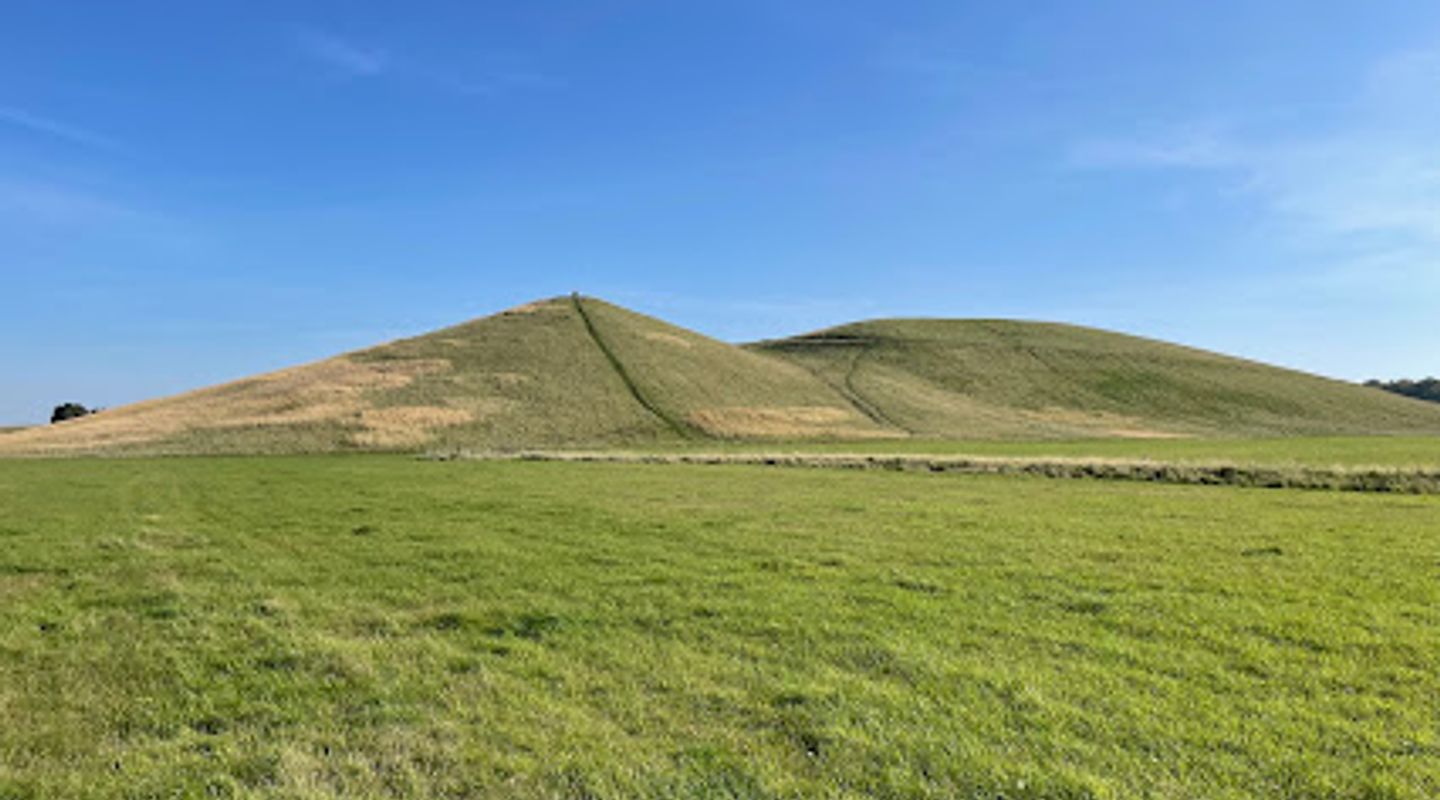
The forest's most distinctive landmarks are its artificial hills, created during the initial landscaping phase. Herstedhøje, located just north of Herstedøster in Albertslund Municipality, rises to 67 metres—towering 30 to 35 metres above the surrounding countryside and offering commanding views across the region. Oxbjerget, situated in the easternmost part of the forest near Hvissinge, reaches 35 metres and rises approximately 15 metres above the terrain. Beyond the hills, Vestskoven contains two significant boglands: Harrestrup Mose on the forest's north side, where the stream Harrestrup Å originates, and Porsemosen in the western reaches. Store Vejleådal, the westernmost section, remains actively grazed by cattle, maintaining traditional pastoral character. The forest also encompasses two lakes and numerous water features that support diverse ecosystems.
Historical and Cultural Landmarks
Vestskoven preserves and celebrates centuries of Danish heritage. Two villages—Herstedøster and Risby—sit within the forest's boundaries. Herstedøster Church, dating from the 12th century, showcases Late Gothic architecture added in the 15th century, making it a tangible link to medieval Denmark. Risby has earned recognition as a film production hub. In the western section, Kroppedal at Vridsløsemagle was converted into a local history museum by Albertslund Municipality in 2002, featuring permanent exhibitions about the 17th-century astronomer Ole Rømer and rotating displays on astronomy and regional history. Rømer once operated an astronomical observatory nearby called Observatorium Tusculanum, now demolished, though a bronze statue by Ludvig Brandstrup commemorates the site. A reconstruction of a Viking village at Store Vejleådal includes a communal building, residential structures, and a pig stable, with plans underway for a reconstructed Viking road and bridge.
Natural Wonders and Geological Significance
The Hvissinge Stone stands as one of Denmark's most remarkable geological features—a glacial erratic measuring 5 by 6 by 3.5 metres and weighing 250,000 kilograms, making it the largest stone on the island of Zealand. This ancient granite boulder, deposited by retreating ice age glaciers, serves as a tangible connection to the region's prehistoric past. The forest's diverse habitats support varied wildlife and plant communities, from wetland species in the boglands to woodland flora on the hillsides.
Recreation and Accessibility
Vestskoven functions as a working recreational forest for the greater Copenhagen region. Marked walking routes crisscross the woodland, including the yellow-marked trail spanning 4.6 to 4.8 kilometres with a maximum gradient of 6.7 percent. A designated off-leash dog area near Oxbjerget allows canine companions freedom to roam. The forest's infrastructure supports diverse activities from casual strolling to more ambitious hiking, with trails suitable for various fitness levels. Access points and parking areas facilitate visits from surrounding communities, making the forest an integral part of Copenhagen's green infrastructure.
Conservation and Future Development
As a state forest managed by Naturstyrelsen (the Danish Nature Agency), Vestskoven operates under strict environmental stewardship. The forest continues to evolve, balancing recreational use with ecological protection. Current development includes infrastructure projects designed to minimize impact on existing users and natural systems. Ongoing monitoring of groundwater levels and stream conditions ensures that forest ecosystems remain healthy and resilient. The commitment to preserving Vestskoven's character while accommodating modern needs reflects Denmark's broader approach to sustainable land management.
Evendo Review Centre
 Google
Guest reviews
Best time to go
Quietest: Jan, Feb & Dec · before 6am or at 9pm
Busy times are Evendo estimates for a typical year, to help you plan. Actual crowds vary with events, school holidays and the weather.
Explore Vestskoven on the map
A handpicked selection of must-see spots near Vestskoven, mapped for you.
Get your free copy of our complete guide to Vestskoven, delivered straight to you.
Everything on this page, from opening hours and how to get there to Eve’s tips and the best time to go, in one PDF you can read offline, print or share.
Already have an account? Sign in
Your Vestskoven guide is ready.
We'll send it to · Not you? Sign out

Getting your guide ready…
We are putting together a fresh copy of the Vestskoven guide. This can take up to a minute.
This can take a few moments. If your browser asks, choose Allow so the download can start. You'll find the guide in your Downloads folder.
Nothing happened? Download it again
Sorry, the guide is taking longer than usual. Please try again in a minute, or get it by email instead.
Other nearby places you may find interesting
The closest places of the same kind, if this one is not quite what you had in mind.
-
-
-
-
-


Swipe for more places
More to explore near Vestskoven

 Best experiences near Vestskoven
 Best hotels near Vestskoven
 Best landmarks near Vestskoven
 Best attractions near Vestskoven
 Best shops near Vestskoven
 Best restaurants near Vestskoven
 Best bars near Vestskoven
Do you manage this location?
Take control to get all the benefits, like improved information, better appearance, and stronger visibility across AI-powered discovery.
Explore more

Explore more of North Zealand
Explore North Zealand, Denmark's enchanting region of castles, beaches, and royal estates, perfect for history buffs, nature enthusiasts, and seaside lovers.
Explore North Zealand
Explore more of Denmark
Discover Denmark: A perfect blend of history, modern design, and the cozy concept of hygge. Explore vibrant cities, serene landscapes, and world-class cuisine.
Explore Denmark
