

Valdemars Slot, Nyborg Travel Guide
Free Guide: Seaside baroque manor on Tåsinge, where royal ambitions, naval heroism and family life meet amid lakeside lawns, a chapel, museums and a gentle maritime breeze.


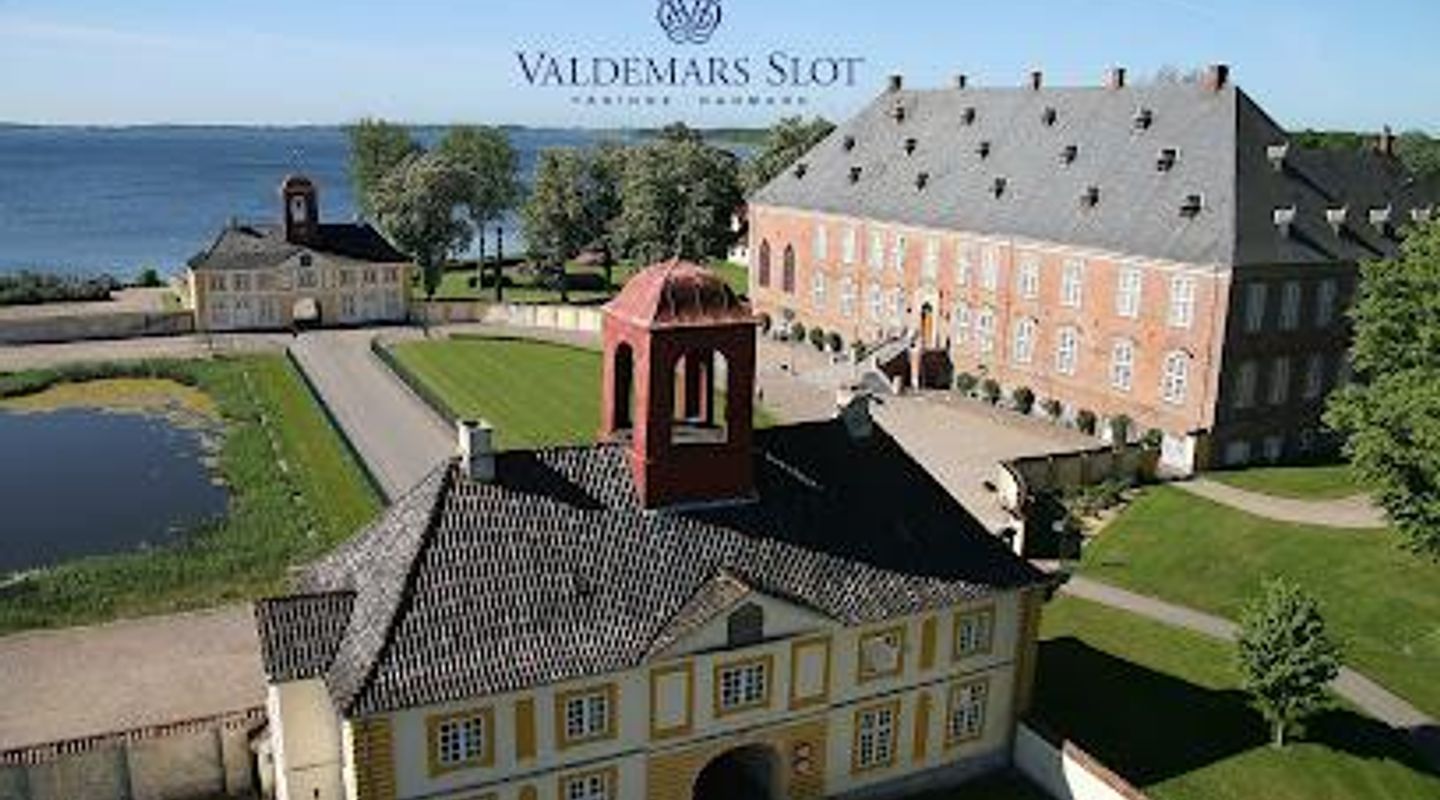
A brief summary of Valdemars Slot
Seaside baroque manor on Tåsinge, where royal ambitions, naval heroism and family life meet amid lakeside lawns, a chapel, museums and a gentle maritime breeze.
Set on the island of Tåsinge near Svendborg, Valdemars Slot is a grand 17th‑century manor house commissioned by King Christian IV for his son, Count Valdemar Christian. Rebuilt in baroque style by naval hero Niels Juel after the Danish‑Swedish wars, the castle today combines stately interiors, chapel and museums with a serene coastal park, ornamental lake and tea pavilion. In summer, its rooms, collections and grounds open to visitors for a leisurely, history‑soaked day out.
On-site amenities
 Restrooms
 Drink options
 Drinking water
 Food options
 Seating areas
 Sheltered areas
 Trash bins
 Information boards
 Visitor centre
- Address
- Valdemars Slot, Slotsalleen 100, 5700 Svendborg
- Phone
- Website
Getting there
Bus from central Svendborg
Taxi from Svendborg
Cycling from Svendborg and Tåsinge
Discover more about Valdemars Slot
A royal manor on the shores of Tåsinge
Valdemars Slot occupies a peaceful stretch of coastline on the island of Tåsinge, just south of Svendborg. Commissioned by King Christian IV and built between 1639 and 1644, it was conceived not as a fortress but as a modern country residence for his son, Count Valdemar Christian. The structure rose partly from the stones of an older medieval estate, creating a fresh statement of royal power in the gently rolling island landscape.Although it carries his name, Valdemar Christian never settled here, spending his short life campaigning abroad before dying in battle in Poland. The manor stood at a strategic moment in Danish history: within a few decades it would be caught up in the conflicts of the Danish–Swedish wars, occupied and damaged by invading troops.
Saved by a sea hero and reshaped in baroque style
The castle’s second great chapter begins with Admiral Niels Juel, a naval commander whose victories over Sweden culminated in the Battle of Køge Bay in 1677. As part of his reward, he received Tåsinge and Valdemars Slot, and with the prize money from captured warships he set about restoring and transforming the damaged manor. The original Renaissance building was reworked into a more fashionably baroque residence, with altered rooflines, grand stairways and refined interiors.Today’s ensemble owes much to these 17th‑ and 18th‑century redesigns. Stately gatehouses frame the approach, an artificial lake mirrors the pale façades and a neat axis runs from the main house towards a tea pavilion by the beach. Over time, later generations modernised details without losing the baroque core, so the castle now tells a layered architectural story spanning several centuries.
Interiors, chapels and curious collections
Inside, Valdemars Slot feels more like a lived‑in family home than a museum, with furnished salons, portraits and period details preserved across the wings. A highlight is the two‑storey castle church, consecrated in the late 17th century, its star‑vaulted ceiling and tall windows adding a quiet, maritime light to the space. It remains closely tied to the estate’s history and ceremonies.Several small museums are gathered under the same roof. One space showcases big‑game hunting trophies collected by the owning family, another focuses on maritime heritage, nodding to the region’s seafaring traditions. A toy museum presents more than a century of playthings, from model cars to dolls and books, giving the castle an unexpectedly playful side that contrasts with its formal reception rooms.
Gardens, shoreline and a summer atmosphere
The grounds are as much a draw as the house itself. To one side, an ornamental park is laid out with lawns and mature trees, designed for gentle strolls and framed views back towards the water. The artificial lake in front of the castle provides picture‑perfect reflections on still days, while the pavilion near the shore doubles as a charming vantage point over the narrow strand.In the summer season, when the estate opens more fully, the mood is leisurely. Visitors drift between shaded garden paths, the small beach strip and the internal exhibitions. With its combination of architecture, landscape and light sea breezes, the estate feels markedly different from inland Danish castles, offering a softer, maritime character.
A living estate with changing access
Valdemars Slot remains in private hands and is still very much an active estate. For decades parts of the manor have opened to the public from roughly May to October, often with art exhibitions that dialogue with the historic rooms. The estate has also been used for weddings and events, taking advantage of its chapel, halls and coastal setting.Access to the house and park can vary from year to year, and some seasons have seen only limited opening or temporary closures. When open, the visit is best enjoyed unrushed: wandering from chapel to museum, pausing at the lake’s edge and taking time to absorb how royal ambition, naval glory and family life have shaped this distinctive Danish manor.
Evendo Review Centre
 Google
Guest reviews
Best time to go
Quietest: Jan, Feb & Nov · before 7am or from 9pm
Busy times are Evendo estimates for a typical year, to help you plan. Actual crowds vary with events, school holidays and the weather.
Explore Valdemars Slot on the map
A handpicked selection of must-see spots near Valdemars Slot, mapped for you.
Get your free copy of our complete guide to Valdemars Slot, delivered straight to you.
Everything on this page, from opening hours and how to get there to Eve’s tips and the best time to go, in one PDF you can read offline, print or share.
Already have an account? Sign in
Your Valdemars Slot guide is ready.
We'll send it to · Not you? Sign out

Getting your guide ready…
We are putting together a fresh copy of the Valdemars Slot guide. This can take up to a minute.
This can take a few moments. If your browser asks, choose Allow so the download can start. You'll find the guide in your Downloads folder.
Nothing happened? Download it again
Sorry, the guide is taking longer than usual. Please try again in a minute, or get it by email instead.
Unlock the best of Valdemars Slot
Skip-the-line tickets, guided tours with entry, and walking tours of the area, booked in a few clicks.
Other nearby places you may find interesting
The closest places of the same kind, if this one is not quite what you had in mind.
-
-
-
-
-


Swipe for more places
More to explore near Valdemars Slot

 Best experiences near Valdemars Slot
 Best hotels near Valdemars Slot
 Best landmarks near Valdemars Slot
 Best attractions near Valdemars Slot
 Best shops near Valdemars Slot
 Best restaurants near Valdemars Slot
 Best bars near Valdemars Slot
Do you manage this location?
Take control to get all the benefits, like improved information, better appearance, and stronger visibility across AI-powered discovery.
Explore more
Explore more of Nyborg
Discover Nyborg: A blend of medieval charm, stunning coastal views, and rich Danish heritage that promises an unforgettable travel experience.
Explore Nyborg
Explore more of Denmark
Discover Denmark: A perfect blend of history, modern design, and the cozy concept of hygge. Explore vibrant cities, serene landscapes, and world-class cuisine.
Explore Denmark
