
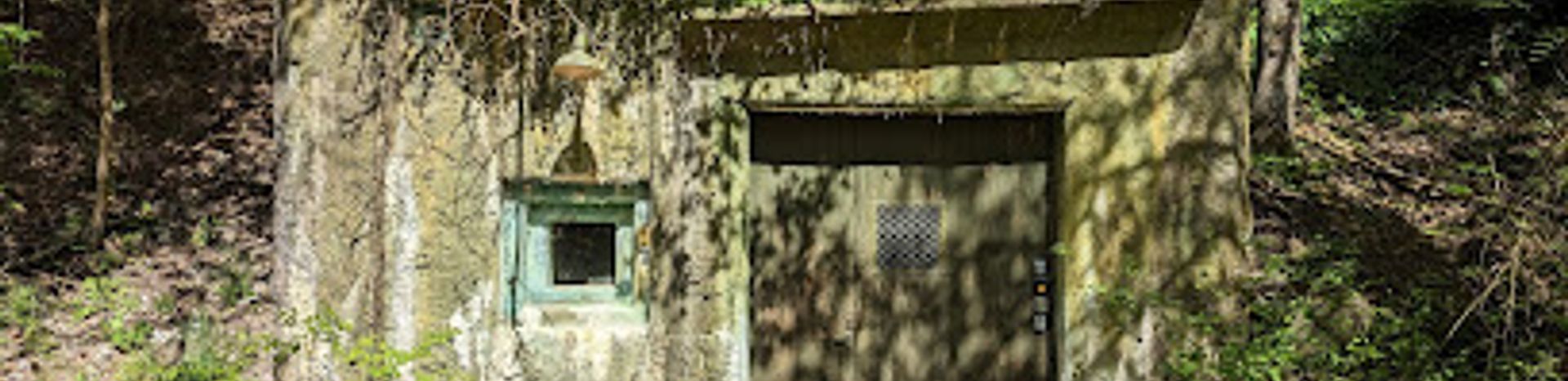
Koldkrigsmuseet REGAN Vest
Descend beneath a North Jutland hillside into Denmark’s once-secret Cold War bunker, where intact rooms, a 1980s villa and thoughtful exhibitions bring nuclear-era fears to life.
Hidden beneath a quiet chalk hill in the forests near Skørping, Koldkrigsmuseet REGAN Vest is Denmark’s most secret Cold War bunker, now opened as a compelling museum. Built in the 1960s to shelter the government, royal family and key officials during nuclear war, the 5,500 m² underground complex remains almost completely intact, from the situation room and communications hub to dormitories, canteen and technical corridors. Above ground, a modest engineer’s villa and a sleek exhibition building with café and displays place this extraordinary time capsule in its wider historical context.
A brief summary to Koldkrigsmuseet REGAN Vest
- Røde Møllevej 26, Skørping, 9520, DK
- +4599317400
- Visit website
- Duration: 3.5 to 5 hours
- Mid ranged
-
 Mixed
Mixed
- Mobile reception: 3 out of 5
- Monday 9:30 am-8 pm
- Tuesday 9:30 am-8 pm
- Wednesday 9:30 am-8 pm
- Thursday 9:30 am-8 pm
- Friday 9:30 am-8 pm
- Saturday 9:30 am-8 pm
- Sunday 9:30 am-8 pm
Local tips
- Book your guided tour well in advance; access to the underground bunker is strictly limited and tickets must be purchased online before arrival.
- Bring a warm layer and closed shoes; the bunker is cool and slightly damp year-round, and you will be on your feet for much of the visit.
- Allow at least four hours to combine the bunker tour with time in the exhibition building, café and the engineer’s 1980s-style villa.
- If you are driving, arrive a little early to secure a parking space and avoid congestion around the small on-site car park.
- Families and international visitors may benefit from checking in advance which tour languages are available on your chosen day.

For the on-the-go comforts that matter to you
- Restrooms
- Drink Options
- Drinking Water
- Food Options
- Seating Areas
- Sheltered Areas
- Trash Bins
- Information Boards
- Visitor Center
Getting There
-
Regional train and bus from Aalborg
From Aalborg, take a regional train toward Skørping; the journey typically takes about 30–40 minutes and runs several times per hour during the day. From Skørping station, connect with a local bus or pre-booked taxi toward Røde Møllevej near Rold Skov, allowing 15–25 minutes for this final leg. A combined one-way trip usually costs around 70–110 DKK per adult depending on ticket type and time of day. Services run year-round but are less frequent in evenings and on weekends, so check schedules in advance.
-
Car from Aalborg via main route
Driving from central Aalborg to Koldkrigsmuseet REGAN Vest typically takes 35–45 minutes, following main roads south toward Skørping and Rebild. Fuel costs for a return trip are usually in the range of 60–120 DKK depending on vehicle. The final approach uses narrow rural roads with limited lighting, and the on-site car park is relatively small, so arriving early in the day is advisable. In winter, allow extra time for possible slippery conditions on forest roads.
-
Cycling from Skørping area
Confident cyclists can reach the museum from Skørping in roughly 30–45 minutes, using a mix of smaller country roads and local cycling routes through the Rold Skov area. There is no dedicated cycle path for the entire distance, so visibility gear and lights are important, particularly outside summer. The route involves gentle hills but no extreme gradients, and there is no direct cost beyond any bike rental you may arrange in Skørping or Aalborg, which commonly ranges from 100–200 DKK per day.
-
Organised coach from larger Danish cities
At peak times of the year, some tour operators and associations arrange coach excursions to REGAN Vest from cities such as Aalborg or Aarhus. Travel times can range from 45 minutes to over two hours depending on departure point and intermediate stops. Prices vary widely but commonly fall between 300–700 DKK per person for a full-day outing, sometimes including museum admission. Seats are limited and departures are typically less frequent outside school holidays, so advance booking is essential.
Koldkrigsmuseet REGAN Vest location weather suitability
-
 Any Weather
-
 Cold Weather
-
 Mild Temperatures
-
 Rain / Wet Weather
Discover more about Koldkrigsmuseet REGAN Vest
A hidden Cold War stronghold beneath a Danish hillside
Deep in the Rold Skov landscape outside Skørping, what looks like an unassuming chalk hill conceals one of Denmark’s most extraordinary secrets. Sixty metres under your feet lies REGAN Vest, an atomic-proof bunker purpose-built in strict secrecy during the 1960s. Designed at the height of Cold War tension, it was never meant for public eyes. Instead, it was conceived as a secure refuge where government ministers, civil servants and the reigning monarch could continue to run the country in the event of nuclear attack. The scale of the complex only truly sinks in when you realise it stretches over some 5,500 square metres. Carved into the chalk and reinforced with heavy concrete and blast doors, the bunker was engineered to withstand shockwaves, radioactive fallout and months of isolation. Today, as part of Koldkrigsmuseet REGAN Vest, that once-classified facility has become a carefully preserved stage on which Denmark’s Cold War story is told in striking detail.Inside the preserved nerve centre of a nation at risk
Once you pass through security doors and descend into the bunker, the atmosphere changes immediately. Long, narrow corridors branch off into a self-contained underground world that still looks ready to be activated. The government situation room, where crucial decisions would have been made, retains its maps, desks and utilitarian furnishings, frozen at the point when the sirens might have sounded. Nearby, the regent’s private room hints at how the monarchy would have lived in these austere surroundings, stripped of ceremony but still distinct from the rows of simple bunk beds reserved for officials. Canteen and lounge areas, though modest, show attempts to provide a sense of normality for up to 350 people confined for weeks. Technical spaces such as the communications centre and plant rooms reveal the constant effort that would have gone into keeping air, water, power and information flowing under extreme pressure.The engineer’s villa and an everyday 1980s household
At ground level, an unobtrusive yellow-brick villa once hid the true purpose of the site. This was the home of the chief engineer responsible for the bunker’s operation, and it also cleverly masked the entrance to the underground complex. Today, the house is arranged as a Danish family home might have appeared around 1980, complete with period furniture, television, games and magazines. Here the Cold War feels close and domestic rather than geopolitical. Instead of military hardware, you encounter patterned sofas, a humming TV set and a kitchen that could have hosted school-lunch sandwiches and quiet worries about distant missiles. The contrast between this cosy setting and the stark functionality of the bunker underlines how global tensions filtered into daily life in subtle but persistent ways.Exhibitions that unpack global tensions and local consequences
A contemporary welcome and exhibition building ties the different elements of REGAN Vest together. Inside, a large thematic display explores the broader context of the Cold War: the nuclear arms race, shifting alliances, intelligence work and civil defence planning. Objects, models and multimedia installations explain how Denmark’s strategic position between East and West shaped decisions like the construction of REGAN Vest. The building also includes a small cinema where archival footage and period broadcasts help you hear the voices and see the imagery that defined the era. Rather than glorifying bunker life, the exhibition encourages you to consider ethical dilemmas, such as who would be invited below ground and who would remain outside. It is a space for reflection as much as information, inviting you to relate historic fears to contemporary debates about security and crisis preparedness.Café comforts and forest surroundings above the bunker
Despite the heavy themes, there are plenty of chances to pause and absorb what you have seen. The on-site café serves drinks, light meals and traditional Danish snacks, making it a comfortable place to discuss first impressions after leaving the dimly lit corridors below. A small museum shop offers books, prints and historically inspired souvenirs that extend the story beyond your visit. Outside, walking paths and woodland scenery soften the site’s militarised origins. A marked trail lets you appreciate the bunker’s hidden position in the rolling Rebild and Rold Skov landscape without revealing sensitive details of the underground layout. Standing among trees and birdsong, it is striking to imagine the intense planning that once focused on this quiet patch of North Jutland, and the contingency world that lay prepared beneath your feet for decades.Planning a structured, guided encounter with secrecy
Because REGAN Vest was not built for large crowds, access today is deliberately controlled. Entry to the bunker is only possible on pre-booked guided tours, with group sizes limited for safety and preservation. This structured format shapes the rhythm of a visit: you are led through key spaces in a set sequence, with explanations that weave technical details, political context and personal stories into a coherent narrative. The visit typically combines time underground with exploration of the engineer’s villa and the exhibition building, so setting aside half a day is wise if you want to absorb the full experience. The underground sections maintain a cool temperature year-round, adding to the atmosphere but also making warm layers and practical footwear a sensible choice. Moving between intimate living quarters, high-stakes decision rooms and the peaceful forest outside, you gain a layered understanding of how Denmark prepared for a crisis that, fortunately, never came.Iconic landmarks you can’t miss

Hotel BramslevGaard
18.7 km
Experience tranquility and history at Hotel BramslevGaard, nestled in the scenic Bramslev Bakker by Mariager Fjord, offering gourmet dining, spa retreats, and easy access to Northern Jutland's natural wonders.
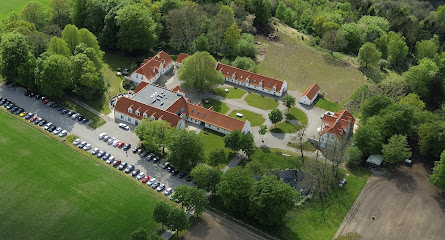
Restaurant BramslevGaard
18.7 km
Experience Danish history and gastronomy at BramslevGaard, a charming manor house nestled in the scenic Bramslev Bakker near Hobro, offering stunning views and French-inspired cuisine.
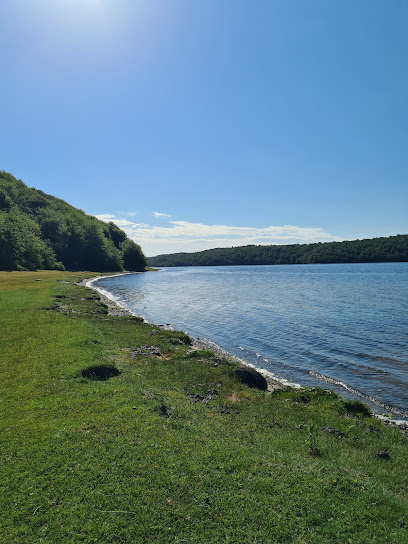
Hobro Lystbådehavn
20.0 km
Denmark's premier fjord marina with historic charm and modern comfort.
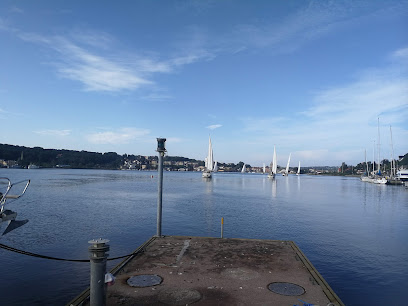
Mariager Fjord
20.5 km
Denmark's longest fjord winds through pristine Jutland landscapes, offering unspoilt nature, charming villages, and exceptional outdoor adventures.
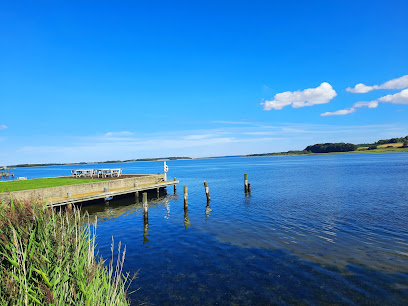
Mariager Lystbådehavn
21.9 km
Denmark's most beautiful fjord meets a thriving sailing community in this welcoming maritime harbor.
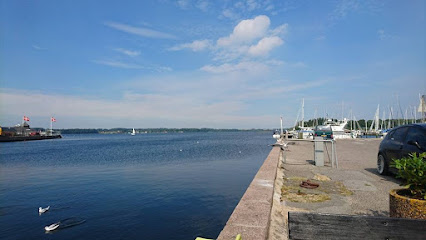
Hotel Postgaarden Mariager
22.2 km
Experience historic Danish charm and modern comfort at Hotel Postgaarden Mariager, nestled in the heart of the 'City of Roses' with easy access to Mariager Fjord's natural beauty.

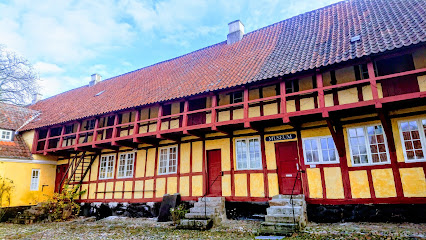
Mariager Museum
22.2 km
Discover the captivating history of Mariager and its surrounding region at this charming museum, housed in a beautifully preserved 300-year-old merchant's house, showcasing local life through the ages.
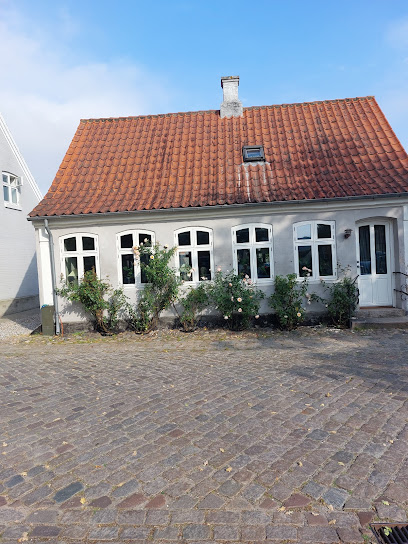
Mariager Kirke
22.3 km
A lofty Bridgettine abbey church turned parish landmark, where Gothic stone, noble tombs and organ music tell Mariager’s story above the fjord.
Mariager Church
22.4 km
A towering former abbey church above Mariager Fjord, where Gothic brickwork, noble tombs and a distinctive Aubertin organ keep centuries of faith and history alive.
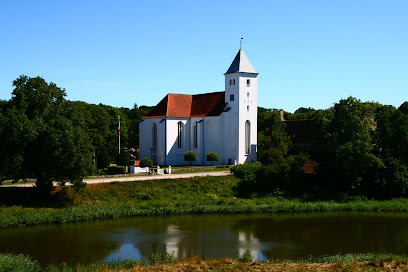
Rosenhaven
22.5 km
Discover Rosenhaven in Mariager, Denmark: a serene city park with over 400 rose species, blending history and beauty for a tranquil escape in the 'City of Roses'.
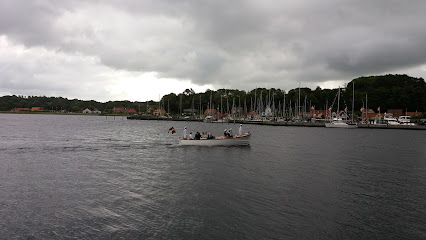
Munkholmanlægget
22.5 km
Discover Munkholmanlægget in Mariager: A historic park with tranquil nature, a charming lake, and a touch of whimsy, perfect for a peaceful escape and exploration.
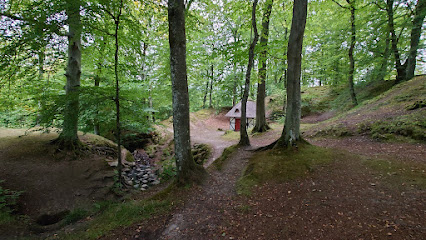
Kongsdal Havn
22.6 km
Modern marina sheltered in Mariager Fjord, where contemporary facilities meet Denmark's maritime heritage.
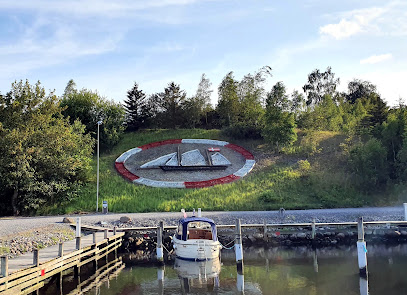
Kongsdal Fyrtårn
22.6 km
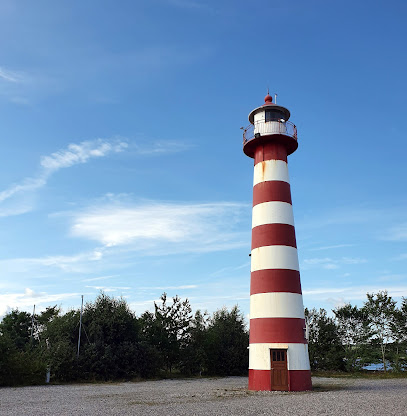
A retired North Sea lighthouse reborn as the red‑and‑white landmark of tranquil Kongsdal Marina on the scenic shores of Mariager Fjord.
Ivan Evigvår trold
22.6 km
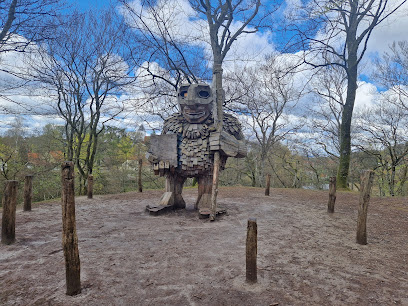
Explore Ivan Evigvår Trold, a magical tourist attraction in Mariager, Denmark, where folklore meets artistry in a stunning natural setting.
Alstrup krat
22.6 km
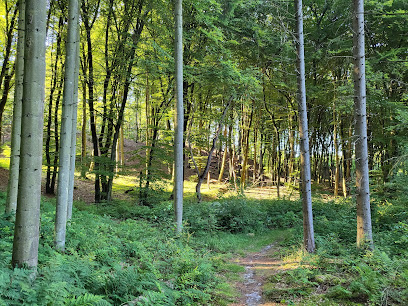
Explore Alstrup Krat near Mariager: Hike through ancient forests, discover Bronze Age burial mounds, and enjoy stunning views of Mariager Fjord. A blend of history and nature awaits.
Unmissable attractions to see

Springkilden
0.9 km
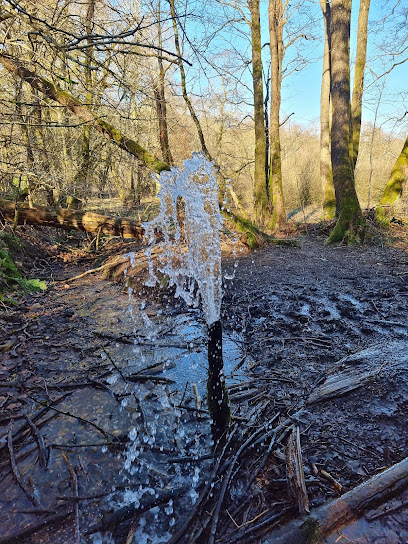
A hidden artesian spring surging from the forest floor in a steep Lindenborg valley, where water, ice and deep green woodland create an intimate natural spectacle.
Skillingbro kalkgrav
0.9 km
A quiet chalk quarry at the edge of Rold Skov where ancient seabed fossils, rare wildflowers and forest lore meet in a compact, hands-on slice of deep time.
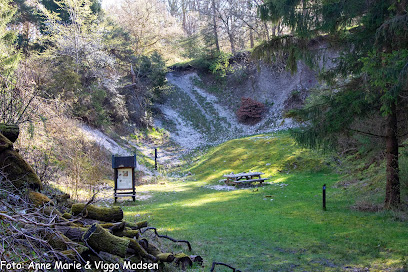
Rold Forest
1.1 km
Denmark’s largest contiguous forest: a rolling mosaic of springs, hills, rare orchids and historic tracks, inviting year‑round walking, cycling and quiet nature immersion.
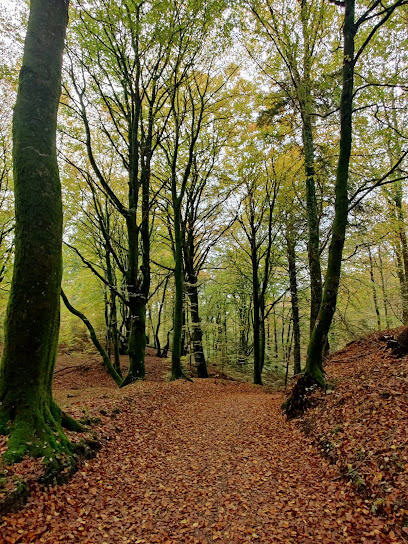
Rold Storkro
1.1 km
Classic Danish forest inn with pool, mini-golf and panorama dining, set between Rold Skov’s deep woods and the rolling heath hills of Rebild Bakker.
rebildsmykket.dk
1.2 km
Underground chalk mines, evocative sculpture and modern exhibitions meet scenic valley views at this compact cultural and landscape hub near Rebild Bakker.
Thingbæk Chalk Mines / Rebild Center
1.2 km
An atmospheric limestone mine turned sculpture museum, paired with geology and Cold War exhibits in the Rebild hills, where art, stone, and history meet underground.
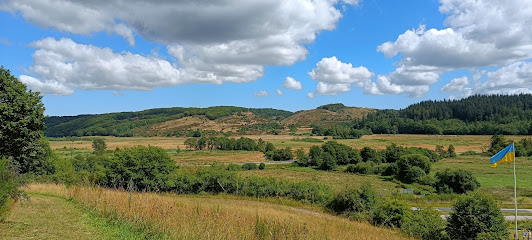
Troldeskoven
1.5 km
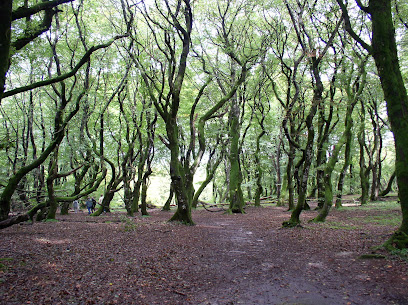
A compact corner of Rold Skov where centuries‑old beech trees twist into troll-like sculptures, blending folklore, forest history and quietly enchanting woodland atmosphere.
Skovtårnet
1.7 km
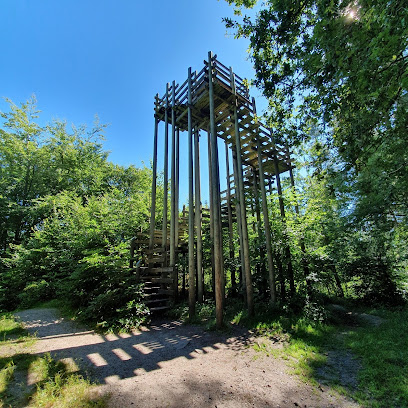
Modest in height but rich in views, Skovtårnet lifts you above Rold Skov’s twisted pines for wide horizons over Rebild’s hills and valleys in every season.
Lars Kjærs Hus
1.9 km
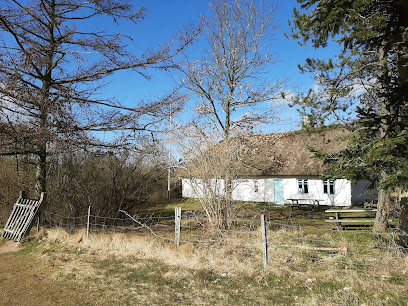
Tiny forest cottage, big folk tale: step into the poacher Lars Kjær’s world and his fortune-telling wife’s home in the hills of Rebild Bakker.
Hvasstræet
1.9 km
A modest memorial tree in the depths of Rold Skov, Hvasstræet quietly honours forester Jens Hvass amid rustling conifers and tranquil North Jutland woodland.
Urskoven
1.9 km
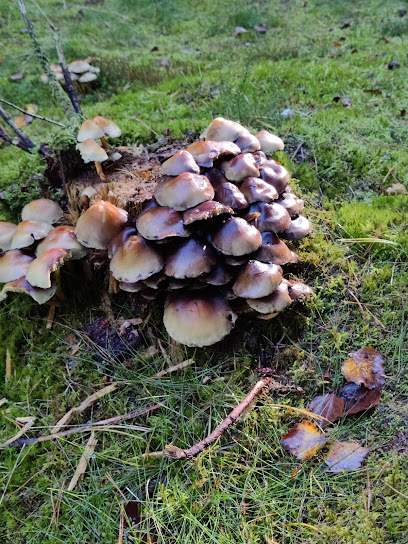
Ancient beech forest untouched for centuries, where nature evolves freely in Denmark's largest woodland.
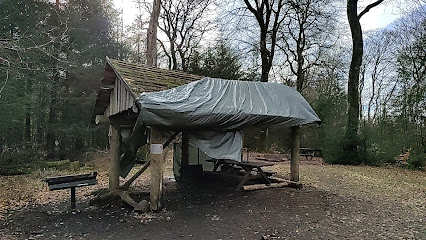
Ravnkilde
2.3 km
A powerful clear-water spring hidden in the wooded folds of Rebild Bakker, where rare wetland plants, cool streams and seasonal sea trout share a tranquil valley.
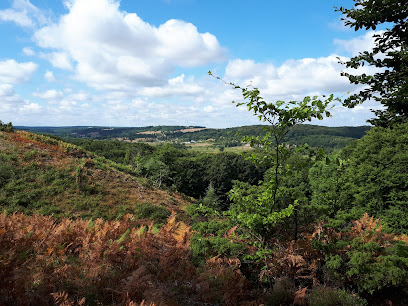
Midt inde i Rold Skov
2.3 km
Deep within Denmark's largest forest, a serene woodland viewpoint revealing ancient landscapes and timeless natural beauty.
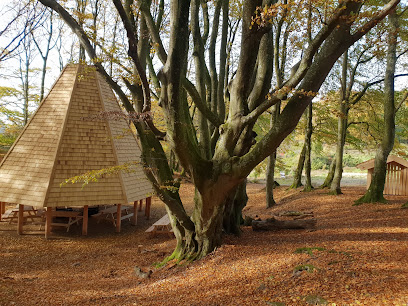
Bålhytten i Rebild Bakker
2.5 km
Octagonal fire shelter honoring Danish-American heritage in Rebild's protected hills.
Kimbrerstenen i Rebild Bakker
2.6 km
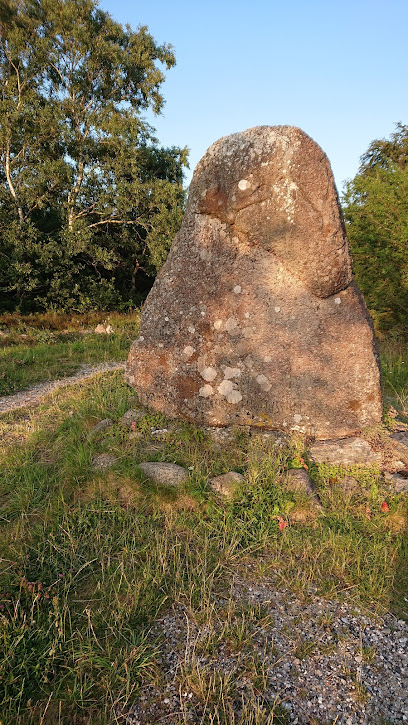
A carved Cimbrian bull in the heather-clad hills of Rebild Bakker, Kimbrerstenen links quiet North Jutland scenery with the far-reaching journeys of an ancient tribe.
Essential places to dine

Westernhuset
2.6 km
Skørping's premier venue for group celebrations and traditional Danish dining
Top Karens Hus
2.6 km
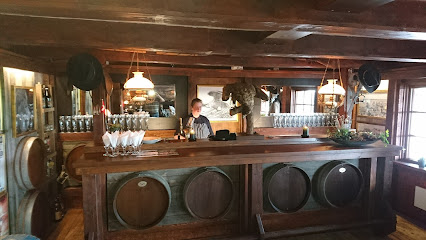
Historic countryside traktørsted at the gateway to Rebild Bakker, serving traditional Danish food, coffee and cake in intimate low‑ceilinged rooms and garden.
Rebildhus
2.7 km
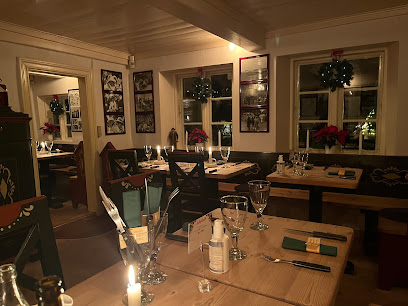
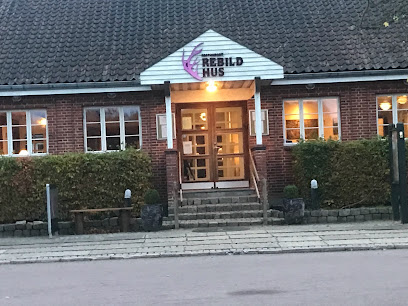
Hearty Danish lunch and countryside charm on the edge of Rebild Bakker’s rolling hills, a relaxed restaurant base for walks, family outings and day trips.
Bb Rold
2.8 km
A homely little café and B&B-style retreat in a quiet Skørping street, offering simple comforts and easy access to the forests and hills of Rold Skov.
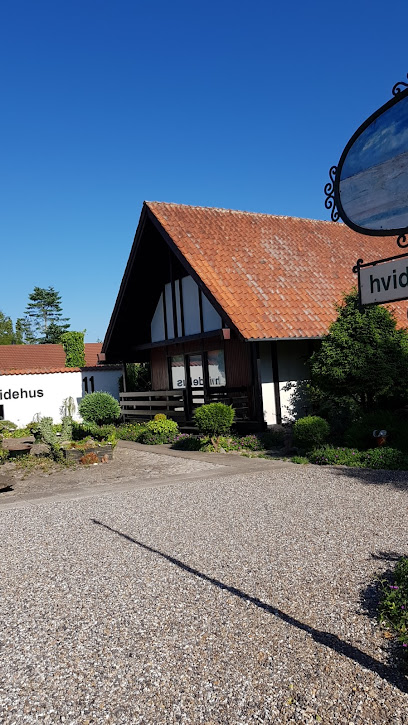
Røverstuen
2.9 km
Woodland restaurant at Rebild’s edge, where Danish comfort cooking, rustic interiors and forest legends combine into a relaxed, story-rich meal stop in Skørping.
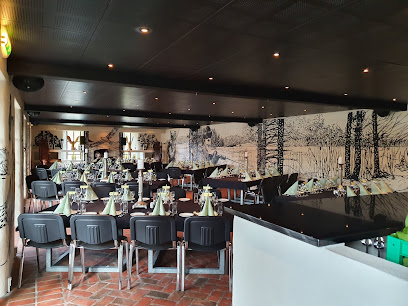
Mosskovpavillonen
5.1 km
Historic forest pavilion serving French-Danish cuisine beside a pristine lake in North Jutland's natural heart.
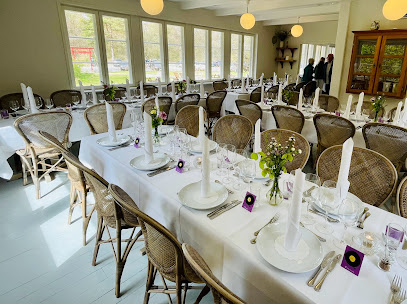
Papas Pizza Og Kebab House V/Serdar Keskin
5.5 km
Casual neighborhood pizzeria and kebab house in central Skørping, serving generous Danish-style pizzas, kebabs and grill favorites at moderate prices all week.
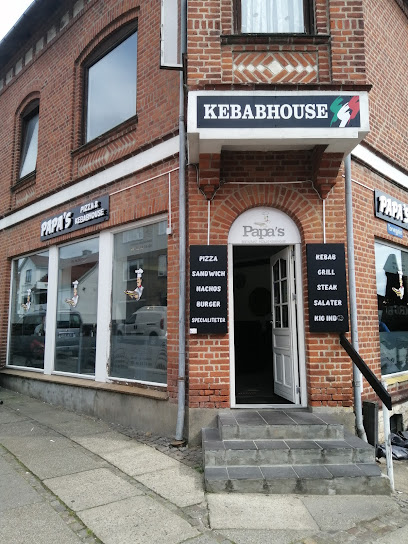
Restaurant Hul19
7.5 km
Laid-back Scandinavian clubhouse dining with sweeping views over Rold Skov Golfklub’s closing hole and the forested landscape beyond in Skørping.
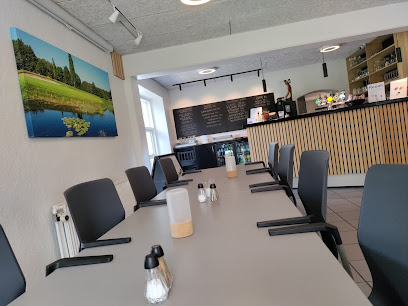
Ice Sushi
7.6 km
Straightforward sushi takeaway on Hobrovej in Støvring, serving practical sharing boxes and casual eat-in options for easy weeknight dinners and road-trip stops.
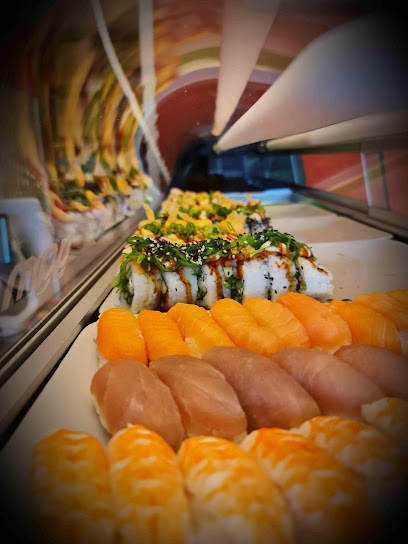
Burger King
7.8 km
Flame-grilled burgers and quick meals in rural Jutland's convenient fast-food hub.
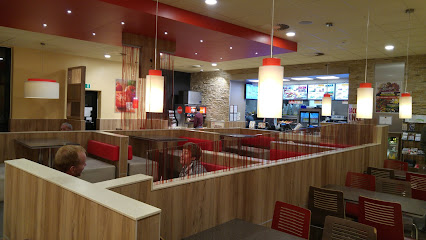
Motorvejsgrillen
7.9 km
Old-school Danish roadside grill off the Nørager motorway, serving hearty burgers, fries and classic fast food to drivers, locals and truckers all week.
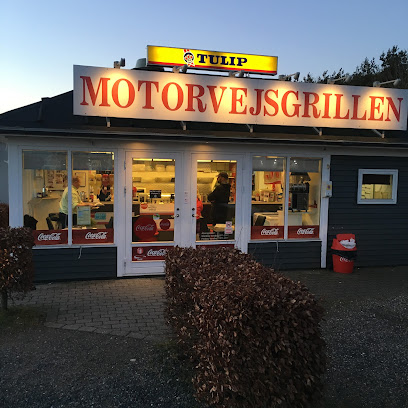
MesterBageren Støvring
7.9 km
Lively neighborhood bakery-café in central Støvring, serving classic Danish breads, pastries and celebration cakes from early morning until late afternoon.
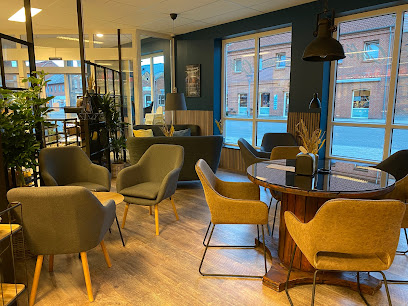
Bella Italia Støvring
7.9 km
Cozy pizza and steakhouse on Støvring’s main street, serving generous Italian-inspired comfort food and easygoing Danish hospitality for locals and road‑trippers alike.
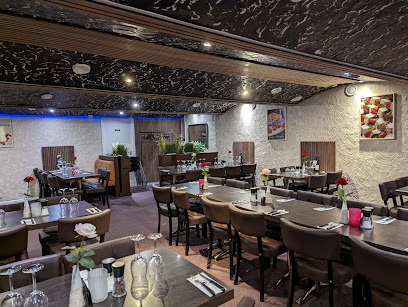
Sønderup Landkøkken v/Dorthe Nørhave Johansen
9.0 km
Rural North Jutland kitchen turning classic Danish farm recipes into hearty daily meals and generous buffets for locals, pensioners and countryside celebrations.
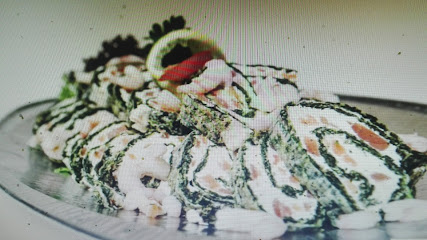
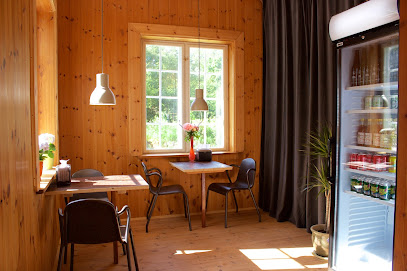
MADUMSØHUS ISBAR
9.4 km
Homely countryside ice cream stop by Madum Lake, where classic Danish soft ice meets quiet Jutland landscapes and relaxed summer-evening vibes.
Markets, malls and hidden boutiques

Vinhandel La BourGogne
1.1 km
Discover Vinhandel La BourGogne in Skørping: A curated selection of fine wines and expert guidance await wine enthusiasts.
Roldhøj Lopper og Luksus
2.7 km
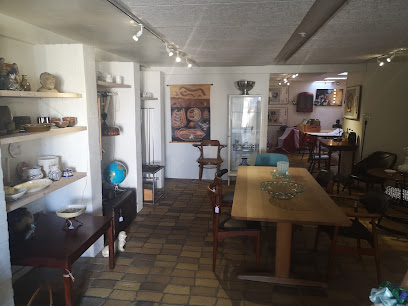
A cosy vintage barn near Rebild Bakker packed with Danish design, retro furniture and quirky treasures for slow, sustainable treasure hunting in Skørping.
Rebild Bakker (Rebildvej / Rebild)
2.9 km
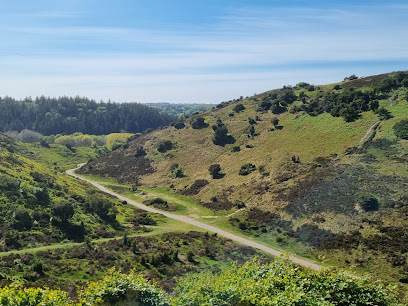
Heather-clad hills, glacial gorges, and cross-Atlantic heritage unite in Rebild Bakker, Denmark’s iconic national park and cultural meeting ground.
Holy Moses Wineshop
4.8 km
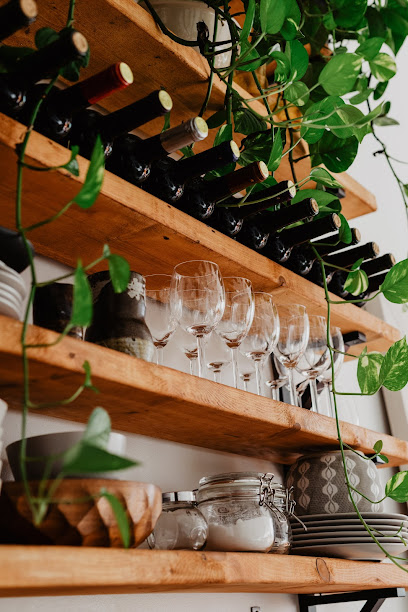
Characterful neighbourhood wine shop in Skørping, pouring American bottles, local vintages and sustainable delights from morning to evening every day.
Lenas Blomster
5.4 km
Friendly neighbourhood florist and gift boutique in the heart of Skørping, blending seasonal blooms, curated presents and local small-town charm.
Bogby 9520
5.5 km
Volunteer‑run book town in Skørping, where thousands of second‑hand volumes and a cosy, local atmosphere turn browsing into a slow‑travel highlight.
REMA 1000
5.5 km
No‑frills Danish discount supermarket in Skørping, ideal for stocking up on groceries, snacks and everyday essentials before exploring Rebild Bakker and Rold Skov.
Maggies Gemakker
5.5 km
A cosy Skørping fashion boutique offering timeless, mix-and-match women’s clothing and personal styling advice focused on longevity rather than fast trends.
FKN Genbrug / DCA Op Shop
5.5 km
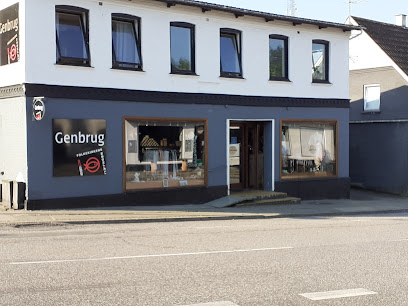
Cozy volunteer-run charity thrift shop in central Skørping, where slow treasure-hunting, reuse and global solidarity all meet on one compact shop floor.
Folkekirkens Nødhjælp Genbrug
5.5 km
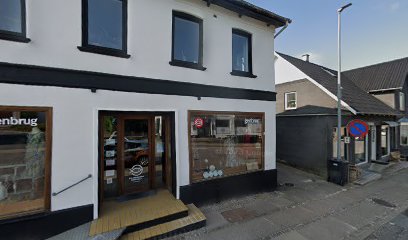
Small-town Danish charity shop where second-hand fashion, homeware and local community spirit come together to support global humanitarian work.
Garndamen
5.6 km
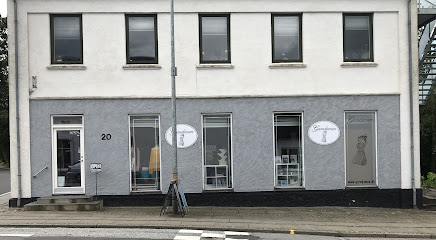
Intimate yarn shop in the heart of Skørping, brimming with colourful fibres, patterns and friendly expertise for knitters and crocheters of every level.
Meny
5.6 km
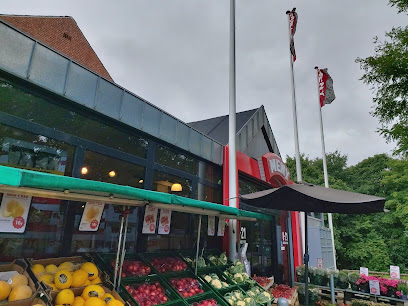
Modern Danish supermarket in Skørping Centret with fresh counters, local specialties and a strong wine selection – a practical one‑stop shop for travelers.
Rold Landhandel
5.6 km
Unassuming countryside farm shop at the edge of Rold Skov, blending local produce, everyday supplies and a slice of genuine rural life near Arden.
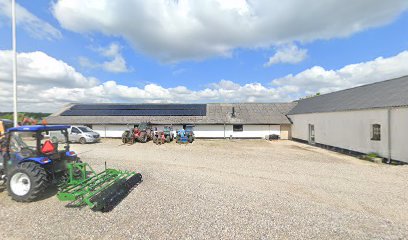
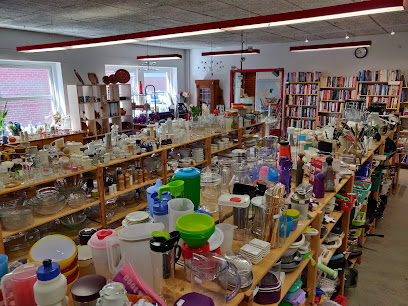
Kirkens Korshær Genbrug
5.6 km
Small-town Danish thrift shop where every second-hand bargain helps fund social work and offers a glimpse into everyday community life in Skørping.
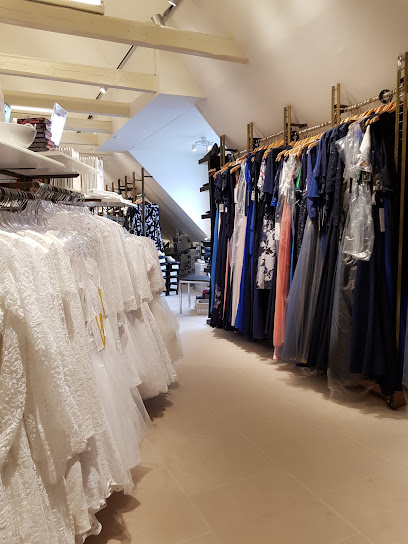
Skott in Rold
5.7 km
A focused bridal and occasionwear boutique in Arden, where curated Scandinavian style, personal fittings and on-site alterations shape outfits for life’s big celebrations.
Essential bars & hidden hideouts

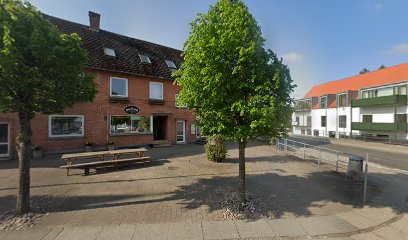
Skørping Bodega
5.4 km
Down-to-earth local bodega in central Skørping, serving cold beers, simple drinks and small-town atmosphere from midday until late on weekends.
Loke's Ølstue
6.6 km
Suldrup’s no-frills bodega bar, where cold beer, local stories and small-town Danish pub culture come together in a cozy, lived-in corner on Aarestrupvej.
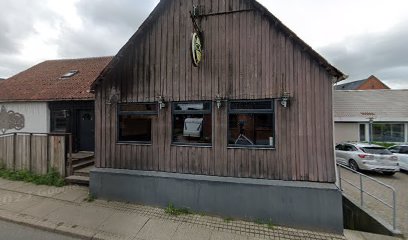
Happy Friday
6.7 km
Cozy Støvring cocktail bar with crafted drinks, warm lighting and a Friday-night feeling any day of the week.
City Bar Støvring
7.7 km
Unpretentious local bar in Støvring’s City Centret, offering simple drinks, friendly chat and a down-to-earth glimpse of everyday Danish small-town life.
Støvring Mc
7.9 km
Laid‑back neighborhood bar in small‑town Støvring, with a subtle motorbike vibe, simple drinks and a down‑to‑earth atmosphere on Viborgvej.
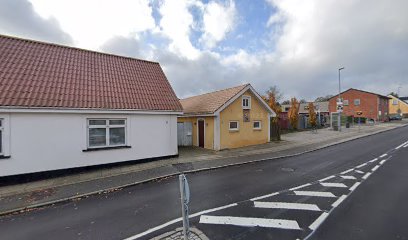
Rottehullet / Bodega
12.6 km
Laid‑back Danish bodega in quiet Arden, where cold beer, worn wood and easy conversation create a timeless neighborhood hangout.
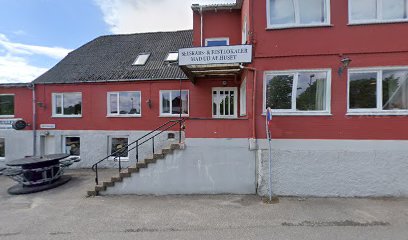
Carsten fenger
12.8 km
A low-key rural bar near Skørping where locals gather, travelers are welcomed, and simple drinks fuel long conversations in a relaxed countryside setting.
Center Pubben ApS
15.7 km
Cozy neighborhood pub in Terndrup Center, pouring cold beer, simple drinks and warm small-town atmosphere in a no-nonsense Danish bar setting.
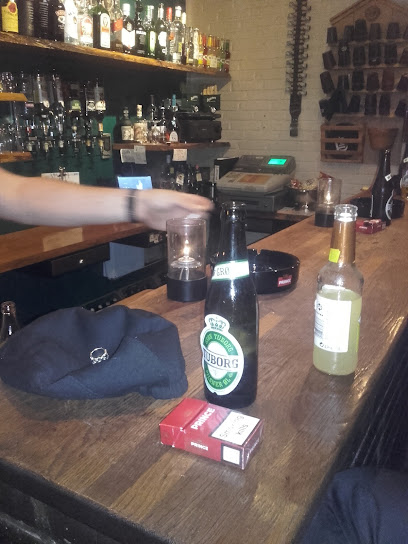
Skotten
20.2 km
Aalborg's casual neighborhood bar for relaxed socializing and unwinding with friends
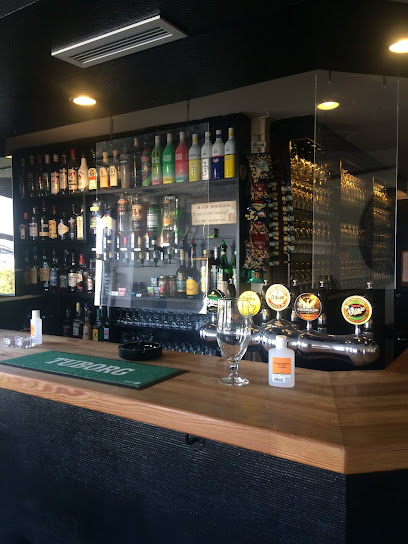
Club 85@Nibe Festival
20.3 km
Small-town bar turned festival hotspot, Club 85 is where Nibe’s intimate music nights spill over into easygoing drinks, local charm and late-night singalongs.
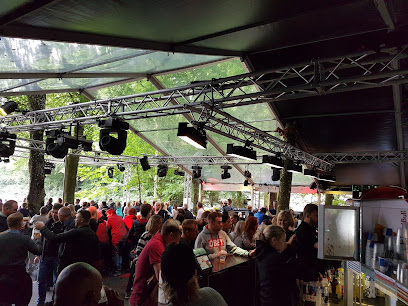
Vognhjulet Pub
20.4 km
Hobro's legendary rock pub where authentic Danish hospitality meets decades of local tradition.
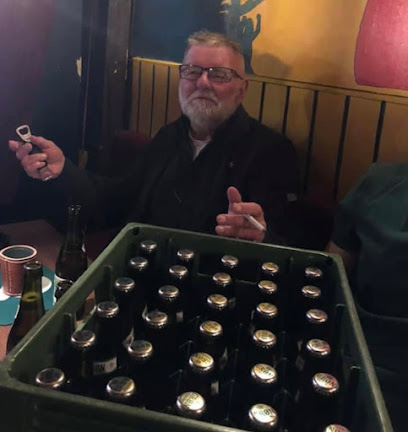
Jernkroen
20.5 km
Cozy harbor-side kro-bar in the heart of Nibe, where inexpensive drinks, a friendly courtyard and true small-town atmosphere invite you to linger.
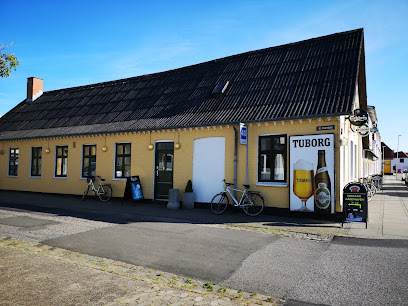
Torvebaren
20.6 km
Classic Danish bodega in central Hobro, serving traditional beers, darts and down‑to‑earth local atmosphere from morning coffee to late‑night rounds.
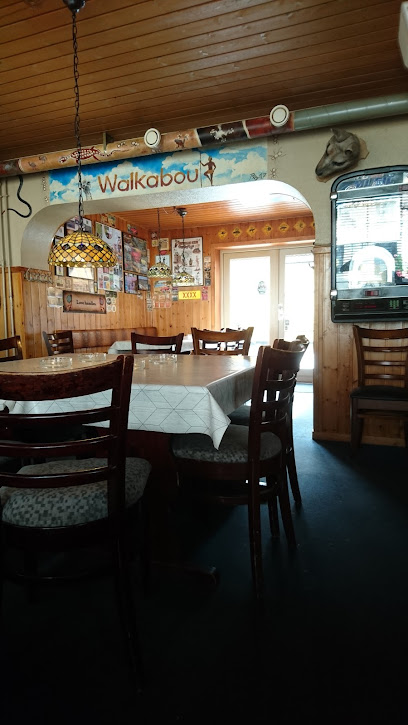
Madam Blå's Vandhul
20.7 km
A cozy, day‑time neighborhood bar-café in Hobro where locals linger over coffee, beer and small talk in an easygoing, homely atmosphere.
Jazz Hobro
20.9 km
Northern Denmark's premier jazz venue, celebrating tradition and innovation through live performances.
Nightclubs & after hour spots

Buddy Holly
20.6 km
Late-night disco hub in central Hobro, where locals and visitors pack the dance floor to chart hits, lights and drinks until the early hours.
Mjølner
20.7 km
Small-town Nibe’s late-night heartbeat, where a compact dance floor, loud party tunes and local crowds turn a quiet fjord town into a lively night out.
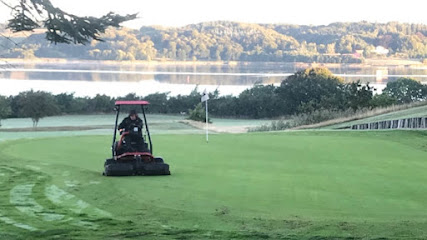
Mariager Fjord Golf
23.9 km
Mariager Fjord Golf blends a challenging 18-hole course with spectacular fjord views, laid-back Danish charm, and a welcoming clubhouse overlooking North Jutland’s scenic waters.
Night Cirque
25.9 km
Compact, high-energy nightclub in central Aalborg, where pulsing beats, bold lighting and a stylish crowd keep the dance floor alive late into the night.
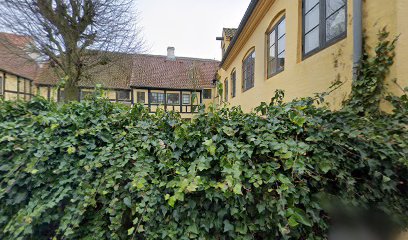
LouLou Aalborg
26.1 km
Polished cocktails and high-energy club vibes collide at this compact, late-night hotspot on Aalborg’s legendary Jomfru Ane Gade.
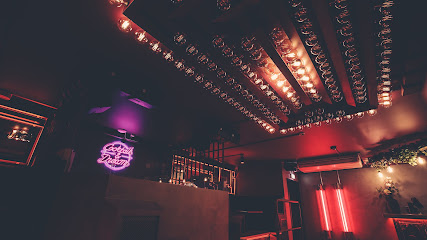
Club Stygge
26.1 km
Compact, late-night Aalborg nightclub with loud party hits, simple cocktails and a tightly packed dance floor on bustling Vesterå.
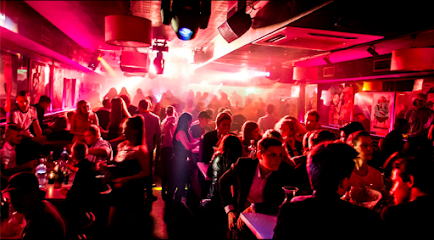
ESCAPE CLUB & Shisha Lounge
26.1 km
Intimate nightclub and shisha lounge in the heart of Aalborg’s Jomfru Ane Gade, mixing DJ-driven dancing, drinks and hookah corners late into the night.
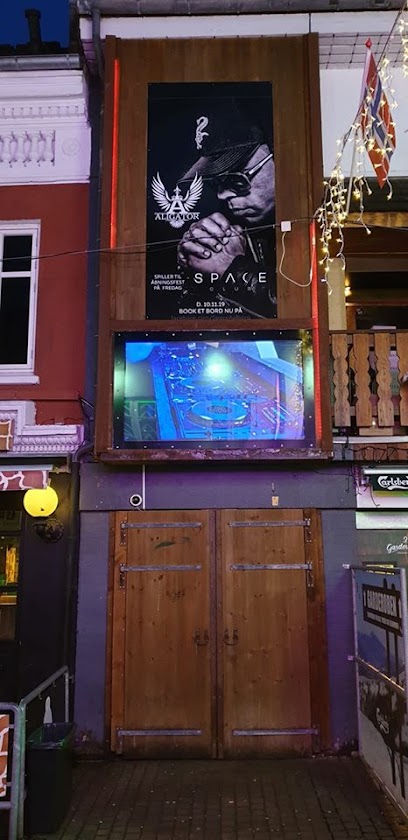
Club Wolf
26.1 km
Compact, late-night nightclub on Aalborg’s Jomfru Ane Gade, blending chart hits, strong weekend energy and a tightly packed dance floor in the city’s bar street hub.

C Night Club
26.2 km
Craft cocktails meet dance floor energy on Aalborg's premier nightlife street.
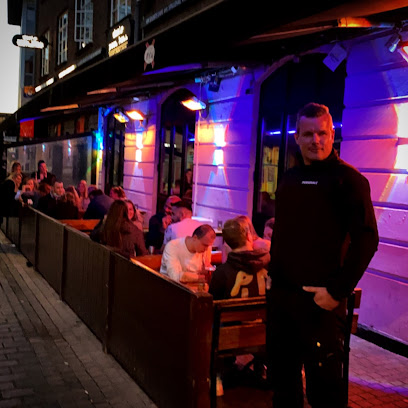
Hugos Garage
26.2 km
Experience Aalborg's iconic party vibe at Hugos Garage, a lively bodega-style bar and dance club on Jomfru Ane Gade featuring live music and classic Danish hospitality.
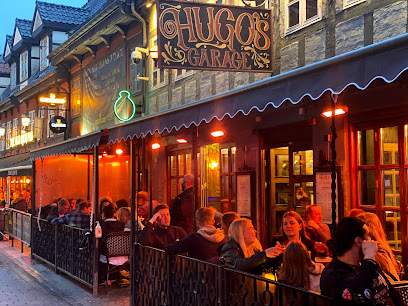
CLUB MOONLIGHT Aalborgs dansested for voksne
26.2 km
Adult‑only dance bar in central Aalborg, mixing 80s, 90s, 00s and current hits with cocktails and late‑night energy in an intimate courtyard setting.
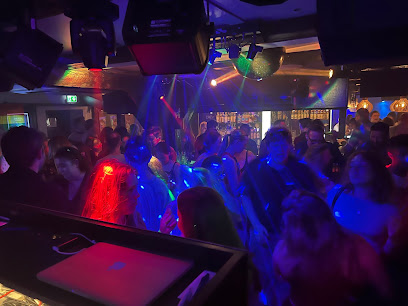
Rocken
26.2 km
Aalborg's premier basement rock and metal nightclub, hosting live bands and DJ sets Friday through Sunday.
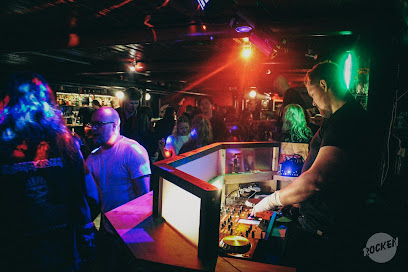
Casino Aalborg
26.3 km
Compact, adult-only casino in the heart of Aalborg, pairing classic table games and slots with a relaxed Nordic nightlife atmosphere inside a city-center hotel.
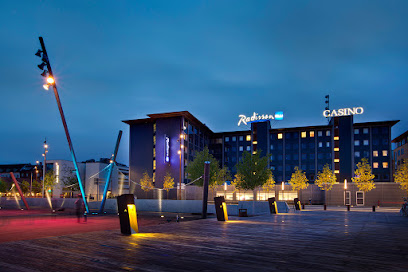
Randers Rave
40.5 km
Compact, bass-heavy nightclub in Randers NØ, where an unassuming façade hides a late-night dance floor fueled by rave-inspired lights, DJs and high energy.
Jazzens Venner
41.1 km
Experience live jazz performances in Randers' intimate and vibrant Jazzens Venner club.
For the vibe & atmosphere seeker
- Scenic
- Unique
- Tranquil
For the design and aesthetic lover
- Modern Designs
- Vintage Styles
For the architecture buff
- Historic
- Landmarks
- Sacred Sites
For the social media creator & influencer
- Photo Spots
- Architectural Shots
- Aesthetic Corners
For the eco-conscious traveler
- Public-Transport Accessible
- Low Impact
For the kind of experience you’re after
- Cultural Heritage
- Photowalk
- Day Trip
- Roadtrip Stop
- Myth & Legends
For how adventurous you want the journey to be
- Easy Access
Location Audience
- Family Friendly
- Senior Friendly
- Teen Friendly
- Solo Friendly
- Couple Friendly
- Solo Female Friendly
- Business Friendly


