
Bust of Jacob A. Riis, Ribe
A modest bronze bust in Ribe’s old town honouring Jacob A. Riis, the local boy whose New York photographs and journalism helped change urban social history.
Set on the quiet Sct Catharinæ Plads in Ribe’s old quarter, the bronze bust of Jacob A. Riis honours the local boy who became a pioneering photojournalist and social reformer in New York. Created by Danish sculptor Gudrun Steen-Andersen, the monument links Ribe’s cobbled streets with the tenements of Manhattan, offering a compact but evocative stop where you can reflect on Riis’s life, his journey from Denmark to America, and his influence on modern social photography.
A brief summary to Buste af Jacob A. Riis
- Sct Catharinæ Pl., Ribe, 6760, DK
- Duration: 0.5 to 1 hours
- Free
-
 Outdoor
- Mobile reception: 4 out of 5
- Monday 12 am-12 am
- Tuesday 12 am-12 am
- Wednesday 12 am-12 am
- Thursday 12 am-12 am
- Friday 12 am-12 am
- Saturday 12 am-12 am
- Sunday 12 am-12 am
Local tips
- Combine a stop at the bust with a visit to the nearby Jacob A. Riis Museum to get the full story behind the face you see in bronze.
- Visit in the early morning or late afternoon for softer light that brings out the bronze textures and makes photos more atmospheric.
- Bring a short list of Riis’s book and article titles; reading them here beside the bust adds depth to the experience.

For the on-the-go comforts that matter to you
- Restrooms
- Drink Options
- Food Options
- Seating Areas
- Trash Bins
- Information Boards
Getting There
-
Train and short walk from Esbjerg
From Esbjerg, take a regional train to Ribe Station; departures are typically at least hourly and the journey takes about 30–35 minutes. Standard adult tickets generally cost around 40–70 DKK one way, depending on time and ticket type. From Ribe Station it is an easy 10–15 minute walk through level, paved streets in the historic centre to Sct Catharinæ Plads, suitable for most visitors with basic mobility.
-
Regional train from Kolding and walk
From Kolding, use the regional train service towards Ribe, usually with a change in either Bramming or Esbjerg; overall travel time is around 1 hour 15 minutes to 1 hour 30 minutes. Expect to pay roughly 90–140 DKK for a standard adult single ticket. Once at Ribe Station, follow the signposted routes into the old town and walk 10–15 minutes on mostly flat cobbled and paved surfaces to reach the bust.
-
Car from Esbjerg or Kolding
Driving from Esbjerg to Ribe takes about 30–35 minutes, while the trip from Kolding usually takes 55–70 minutes, depending on traffic. Public parking areas are available around the old town; expect typical Danish town-centre rates of roughly 10–20 DKK per hour, with some time-limited free spaces further out. From the parking areas you will walk several hundred metres through narrow, often cobbled streets, so comfortable footwear is helpful and direct car access to Sct Catharinæ Plads itself is limited.
Buste af Jacob A. Riis location weather suitability
-
 Clear Skies
-
 Mild Temperatures
-
 Any Weather
-
 Cold Weather
Discover more about Buste af Jacob A. Riis
A quiet square with a far‑reaching story
The bust of Jacob A. Riis stands in a modest corner of Sct Catharinæ Plads, a small square tucked into the medieval fabric of Ribe’s old town. Narrow streets, low houses and the nearby spire lines frame the monument, giving it an intimate, almost contemplative feel. You are only a few steps from everyday life, yet the square feels slightly removed, as if set aside for a moment of reflection. Ribe is the town where Jacob A. Riis was born in 1849 and spent his youth before leaving for the United States in 1870. The bust creates a tangible link between this quiet Danish setting and the crowded tenements of New York that later defined his work. Standing here, you have both his origins and his legacy in mind: the calm of a provincial town and the urgency of an overcrowded metropolis.The Ribe boy who changed New York
Jacob A. Riis emigrated as a young and largely unknown Dane, hoping for opportunity and carrying a deep, if complicated, affection for his hometown and for the fiancée he longed to win. In America he endured poverty, odd jobs and hunger before eventually finding his voice as a journalist and photographer in New York. His images and reporting on slum life helped expose the conditions faced by immigrant families and were instrumental in pushing urban reforms. From this distance, his story reads almost like a transatlantic bridge. Ribe provided his early values and sense of community; New York gave him the stage on which to act. The bust becomes more than a likeness: it is a reminder that one person from a small place can influence debates about housing, justice and dignity half a world away.Bronze portrait with Nordic character
The bust was created by Danish artist Gudrun Steen-Andersen, known for portraits that balance realism with a subtle, expressive touch. Cast in bronze and mounted on a simple pedestal, the work shows Riis in later life, with the strong features and slightly furrowed brow of a man who has seen hardship and remained determined. The metal’s patina softens the lines, especially on overcast days, when the sculpture blends into Ribe’s muted palette of brick, timber and slate. Up close, you notice the compact proportions and the careful modelling of beard, hair and collar. Nothing about the monument is monumental in scale; instead it feels measured and human. That restraint suits both the Nordic setting and Riis’s practical, workmanlike approach to reform. The bust invites you to look at a face that might once have passed unnoticed in these streets but went on to speak for thousands who had no public voice.Part of a wider Jacob Riis landscape
The bust does not stand alone in Ribe’s commemoration of Riis. Nearby, the Jacob A. Riis Museum delves into his life with photographs, documents and stories from both Denmark and the United States, while the town itself still reflects the environment he left behind in the 19th century. Visiting the bust either before or after the museum helps anchor the broader narrative in a specific, outdoor spot. At the same time, the monument connects Ribe with places far beyond Denmark. There is also a bust of Riis in New York’s Jacob Riis Park, and the two sculptures can be seen as bookends to his life. Here in Sct Catharinæ Plads, the Ribe version feels more intimate and rooted, shaped by a local sculptor and set among familiar buildings that might have been part of his everyday view.A brief but meaningful pause
For most visitors, this is a short stop rather than a long visit, but it rewards a few unhurried minutes. You can sit or stand nearby and imagine the young Riis crossing this square with his own plans and frustrations, long before he became a famous reformer. The setting encourages you to slow down, listen to the sounds of the town and consider the distance between lives lived here and the lives he documented in New York’s slums. In that sense, the bust functions as a small moral landmark as well as an artistic one. It prompts questions about how societies treat their most vulnerable members and how photography and storytelling can still influence change today. In a town rich in medieval and ecclesiastical heritage, this modern memorial adds a different layer: the story of a local son whose lens helped the world look more closely at itself.Iconic landmarks you can’t miss

Queen Dagmar of Bohemia
0.7 km
A contemplative statue on Ribe’s former castle hill, honouring the gentle 13th‑century Queen Dagmar where her life and legend became entwined with Denmark’s history.
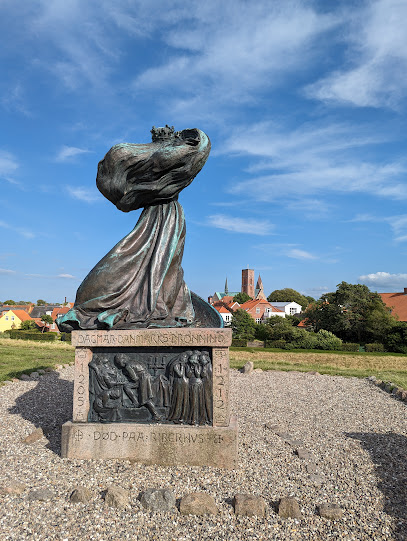
Kammerslusen Ribe
5.7 km
Discover Copenhagen's Black Diamond: A fusion of modern architecture and cultural heritage on the waterfront.
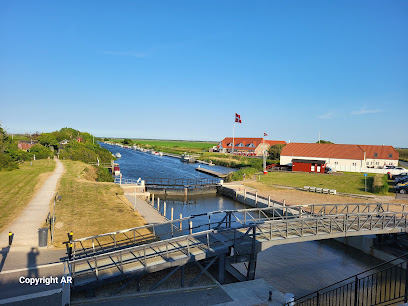
Sønderho Church
19.1 km
An 18th‑century island church filled with Denmark’s largest flotilla of votive ships, anchoring Sønderho’s seafaring history in a tranquil Wadden Sea village.
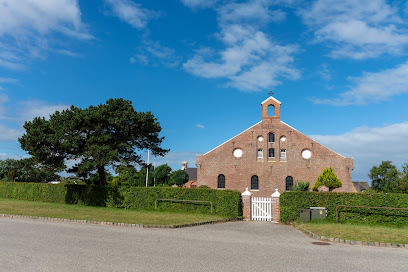
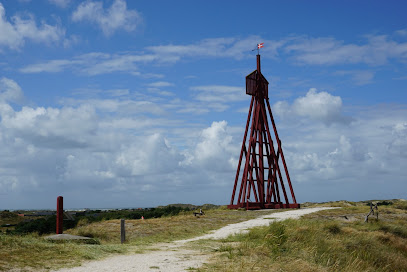
Æ Kåver
19.1 km
Reborn wooden seamark on Fanø’s southern edge, Æ Kåver recalls 17th‑century seafaring in a wild Wadden Sea landscape of wind, sand and wide horizons.
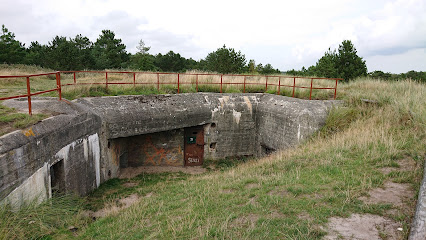
Bunker
24.7 km
A concrete relic of World War II occupation, standing silent in Denmark's westernmost forest.
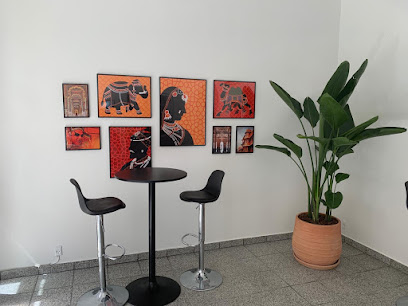
Namaste Esbjerg
25.0 km
Marselisborg Strand is Aarhus’ vibrant urban beach, blending sandy coastline, tranquil bay views, and easy access to city highlights and lush forest parks.
Esbjerg Art Museum
25.0 km
Historic bridge control tower reimagined as a creative hub with city views, art events, and cozy cultural experiences in the heart of Copenhagen’s harbor.
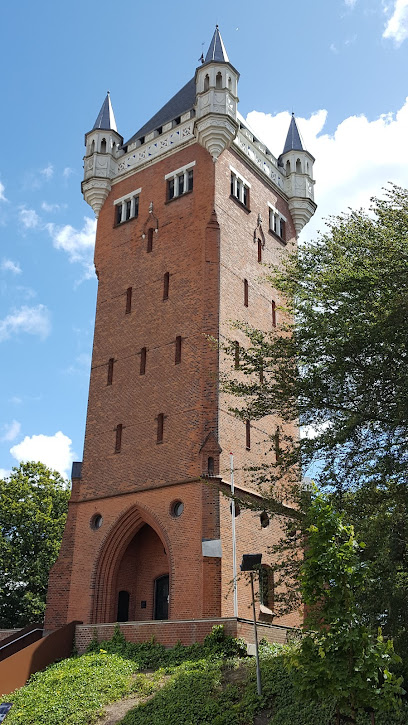
Esbjerg Water Tower
25.1 km
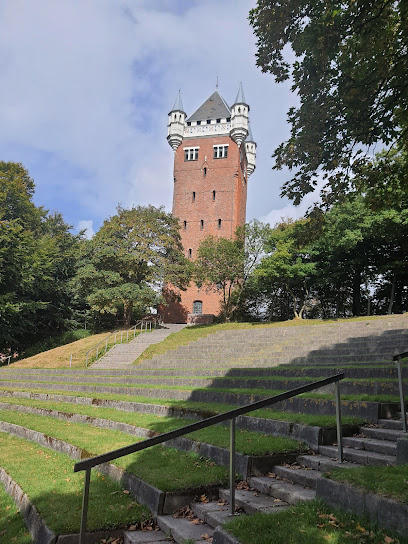
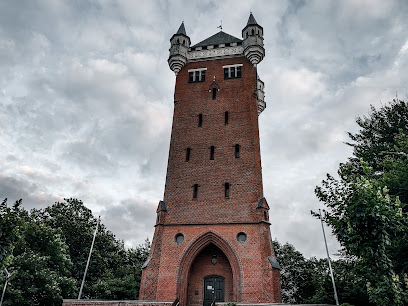
Historic red-brick water tower on a Bronze Age mound overlooking Esbjerg’s harbour, blending medieval-inspired architecture with the story of a young, ambitious port city.
Dronning Louise
25.1 km
Urban beachfront serenity meets Danish royal heritage at Marselisborg Strand, Aarhus’ favorite local escape for swimming, sunbathing, and seaside strolls year-round.
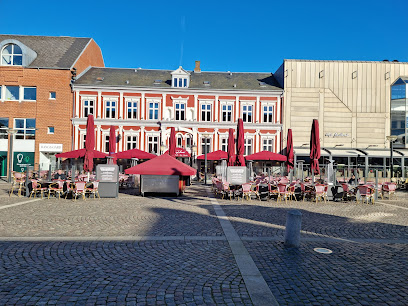
Christian IX statue, Esbjerg
25.1 km
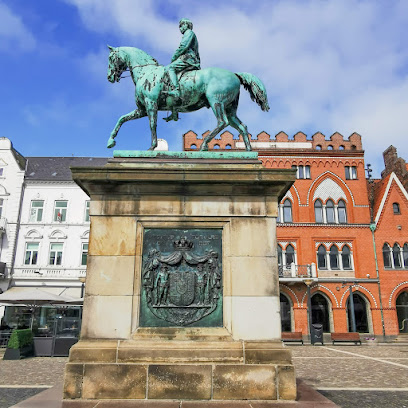
Historic equestrian monument and central meeting point on Esbjerg’s main square, celebrating the king who founded Denmark’s youngest major North Sea port.
Vadehavskysten
25.1 km
An iconic copper bridge tower turned cultural gem, offering harbor panoramas, intimate events, and a taste of Copenhagen’s creative spirit on Knippelsbro.
Landgangen
25.2 km
Step inside a piece of Copenhagen’s iconic bridge architecture, now transformed into a creative hub for art, music, café culture, and panoramic city views.
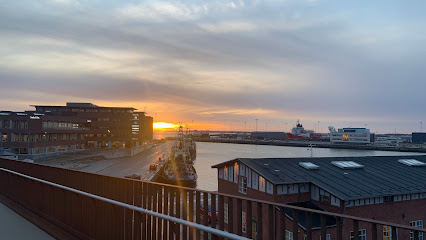
Gangbroen over Toldbodvej, Esbjerg Havn
25.2 km
A converted harbor tower blending industrial heritage with contemporary art, panoramic views, and creative events on Copenhagen’s iconic Knippels Bridge.
Denmark
25.2 km
Marselisborg Strand is Aarhus’s urban beach escape, offering sandy shores, a classic pier, family-friendly facilities, and beautiful views right at the city’s edge.
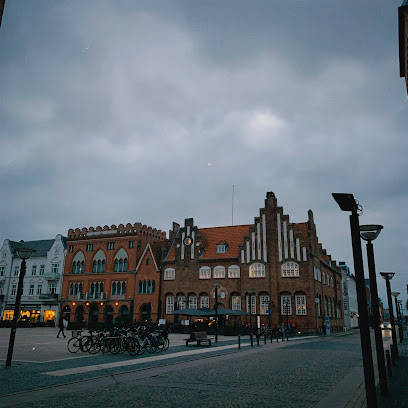
Esbjerg Museum
25.2 km
Iconic harbor-view cultural tower on Knippelsbro, blending Copenhagen’s bridge heritage with art, events, and sweeping views across Indre By and Christianshavn.
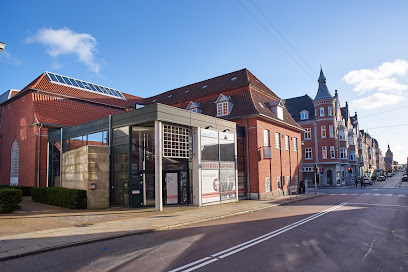
Unmissable attractions to see

Wooden bridges
0.0 km
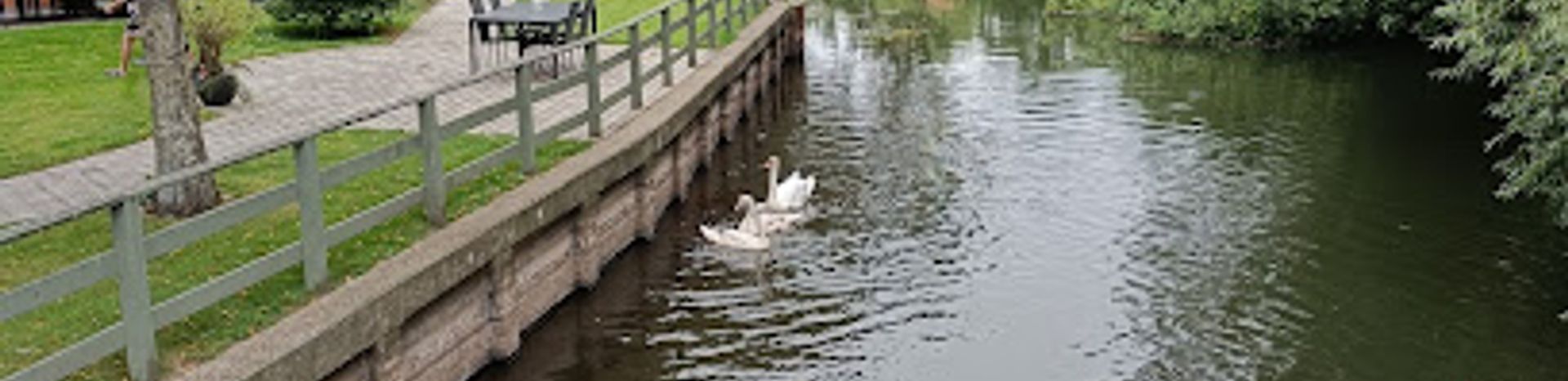
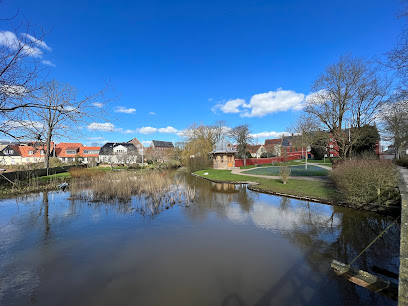
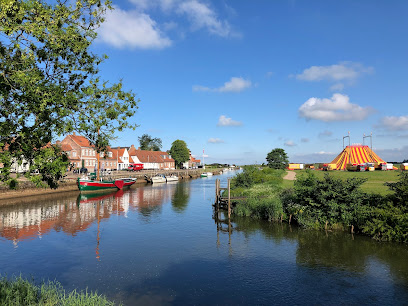
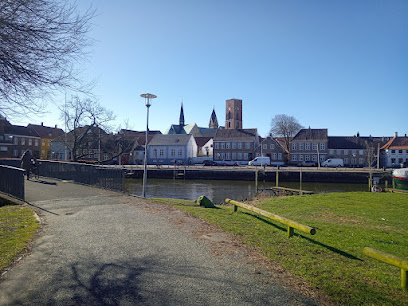
Simple timber footbridges over Ribe’s quiet river, offering gentle views, soft light and a tranquil pause just beyond the medieval streets.
St. Catherine's Priory, Ribe
0.1 km
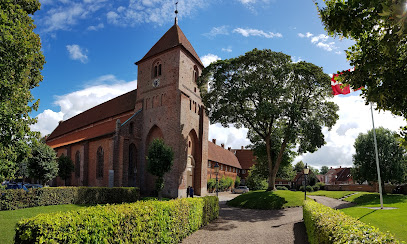
A beautifully preserved Dominican priory in Ribe, where brick cloisters, a serene church and a quiet garden reveal nearly eight centuries of Danish monastic history.
Faldne fra Sønderjyske Krige, Ribe
0.1 km
Step into Viking-era life at Vikingborg near Ribe, where interactive exhibits, reconstructed buildings, and live reenactments reveal Denmark’s ancient Norse heritage.
Ribe Kloster
0.1 km
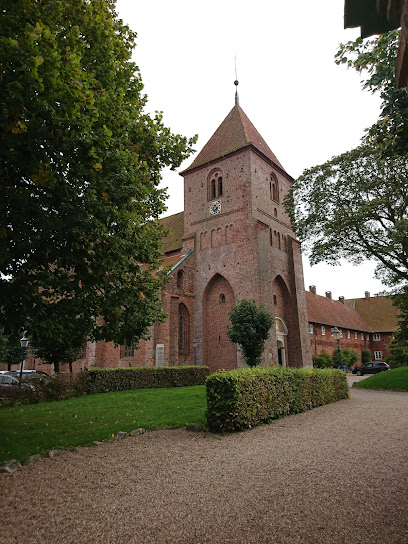
A serene former convent tucked into Ribe’s cobbled centre, where brick Gothic walls, quiet courtyards and layered history evoke centuries of monastic life.
Ribe Kunstmuseum
0.2 km
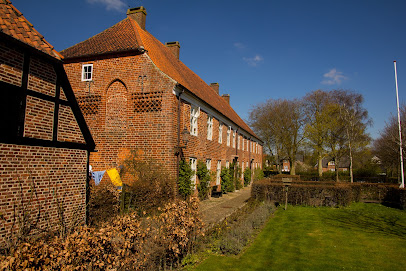
Elegant 19th-century villa turned art museum, showcasing Danish masterpieces and a romantic garden with tranquil views towards Ribe Cathedral and the stream.
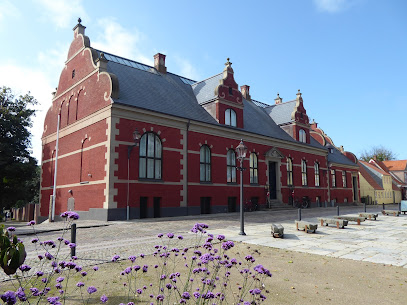
P Dovns Slippe
0.2 km
Explore the Wadden Sea's unique ecosystem and cultural heritage at Vadehavscentret near Ribe, Denmark.
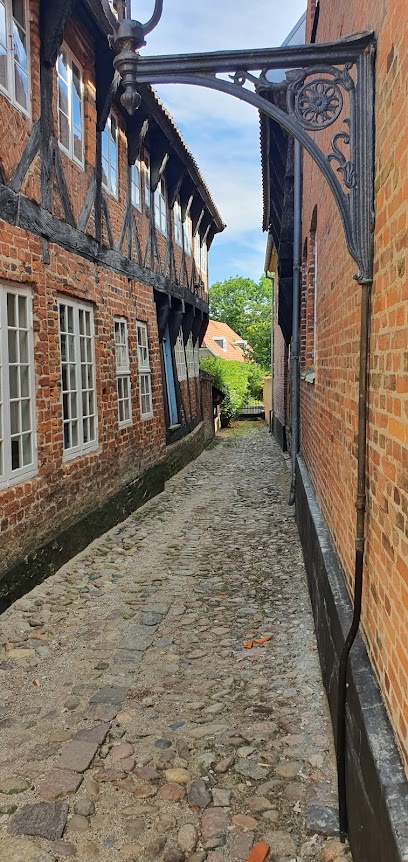
Hex! Museum of Witch Hunt
0.2 km
Explore the chilling history of witch hunts in 16th–17th century Denmark through immersive audio and artifacts in historic Ribe.
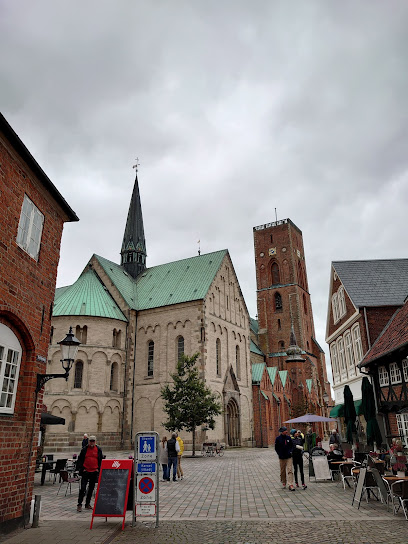
Museet Ribes Vikinger
0.2 km
Dive into 1,000 years of Ribe’s past, from bustling Viking marketplace to medieval port city, in an intimate museum packed with original finds and stories.
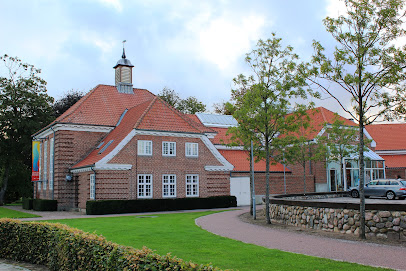
Museum For Vikingtid Og Middelalder
0.2 km
Step into a thousand years of Ribe’s past, from bustling Viking marketplace to medieval trading town, in an engaging riverside museum of artefacts and stories.
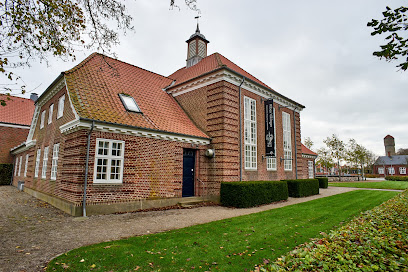
Ribe Water Wheel
0.2 km
A quietly turning water wheel on Ribe’s old dam, where rushing river water and medieval streets meet in a small but evocative glimpse of the town’s working past.
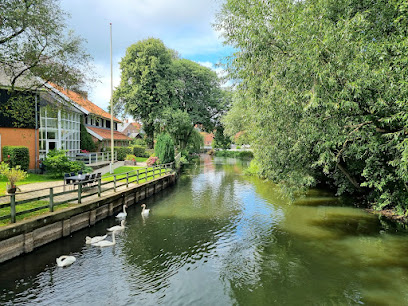
Jacob A. Riis Museum
0.2 km
The childhood home of a Danish-American reformer who documented poverty and changed a nation.
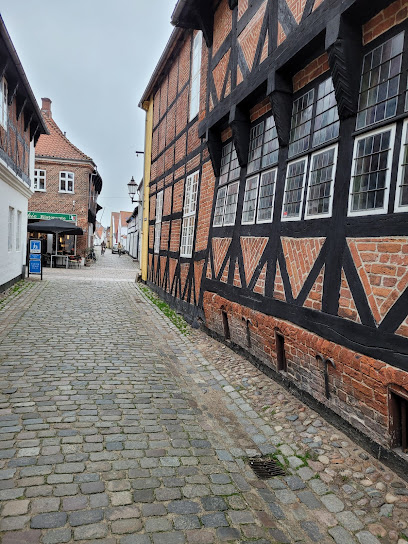
Det Gamle Rådhus Ribe
0.2 km
Compact in size but rich in stories, Ribe’s Old Town Hall reveals centuries of justice, ceremony and civic life within an atmospheric medieval shell.
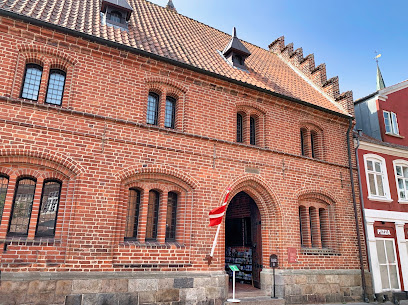
Den Gamle Arrest, Ribe
0.3 km
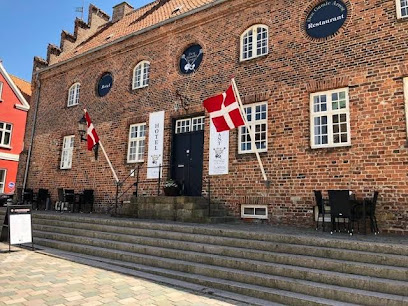
Stay the night in Ribe’s old town prison, a 16th‑century listed house on the cathedral square where chaplains, schoolgirls and inmates once shared the same walls.
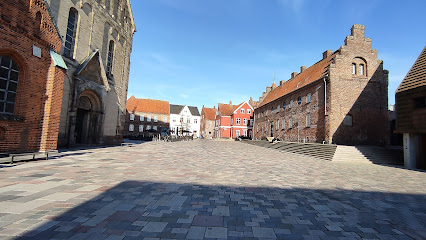
Ribe Cathedral
0.3 km
Explore Denmark's rich glass and ceramic heritage at Holmegaard Værk, featuring live demonstrations and interactive workshops.
Ribe Domkirkeplads
0.3 km
Tiny but central parking right on Ribe’s cathedral square, putting you only steps from Denmark’s oldest town’s historic heart, shops and cobbled lanes.
Essential places to dine

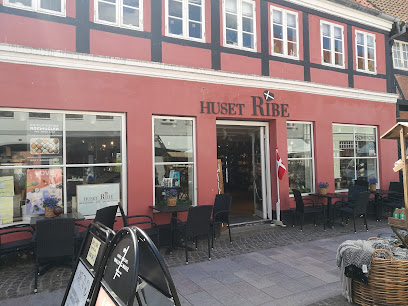
Huset Ribe
0.2 km
Casual café-brasserie and gourmet deli on a cobbled street in Ribe’s old town, perfect for light meals, good coffee and local delicacies in a relaxed setting.
Terpager & Co
0.2 km
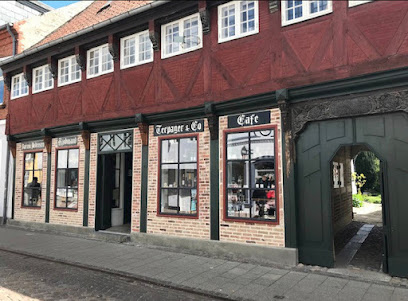
Historic 16th‑century café, wine bar and deli in Ribe’s old town, blending Nordic hygge, plant‑forward cooking and small‑producer wines in a cozy courtyard setting.
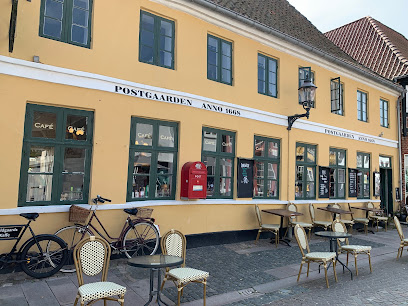
Postgaarden
0.2 km
Historic 16th‑century café and bed & breakfast in the heart of Ribe, blending crooked beams, cozy courtyard corners and simple rooms full of old-town character.
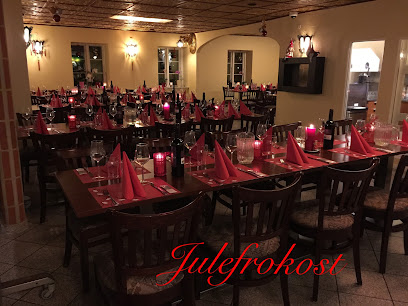
Peking House Restaurant
0.2 km
Authentic Chinese buffet in historic Ribe's pedestrian heart—diverse flavors, fresh ingredients, family-friendly.
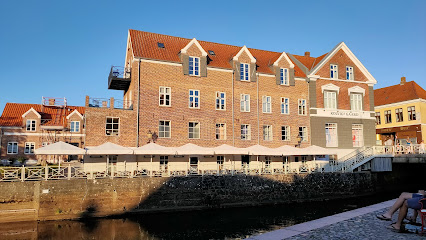
Kolvig - by Skovmose
0.2 km
Historic riverside dining in Denmark's oldest city, where Nordic cuisine meets industrial heritage.
Quedensgård Cafe Og Krambod
0.2 km
Historic café and krambod in a crooked old merchant’s house in Ribe, blending Danish comfort food, a leafy courtyard and shelves of characterful curios.
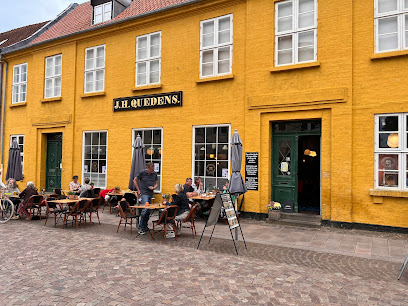
Saltgades Pølsevogn
0.2 km
Ribe's beloved hot dog stand serving grilled perfection for over 25 years.
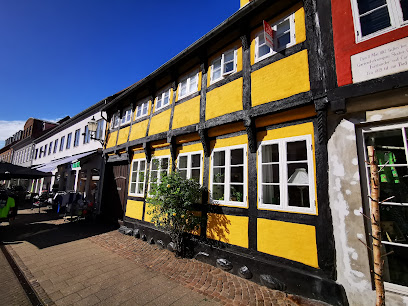
Pinocchio
0.2 km
Casual Italian pizzas and pastas served all day in a cosy, family-friendly restaurant right in the historic heart of Ribe’s medieval old town.
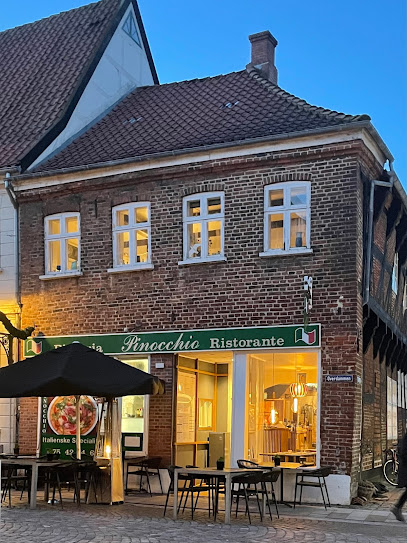
Mr.Fish Sushi Ribe
0.2 km
Modern sushi and casual all‑you‑can‑eat style dining in the heart of Ribe’s cobbled Old Town, offering classic, fusion and vegan rolls for eat‑in or takeaway.
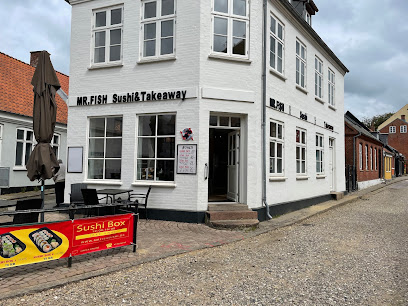
Restaurant Jacob A. Riis
0.2 km
Square-side steakhouse and brasserie in Ribe’s historic heart, named after reformer Jacob A. Riis and serving generous, familiar dishes from morning through evening.
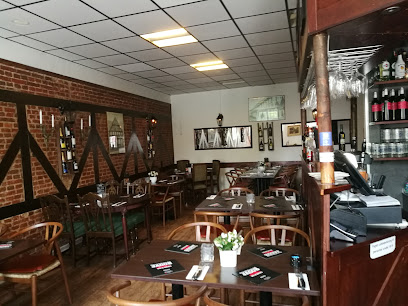
Hotel Dagmar
0.2 km
Denmark's oldest hotel since 1581, blending Renaissance charm with modern hospitality on Ribe's historic square.
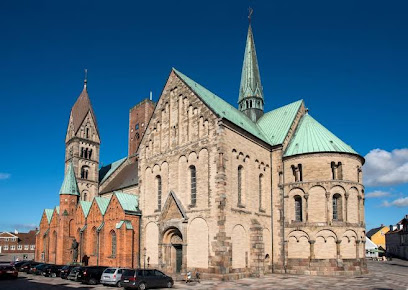
Restaurant Vægterkælderen
0.2 km
Hearty steaks and classic Danish flavours served in a candlelit 16th‑century cellar beneath historic Hotel Dagmar on Ribe’s storybook main square.
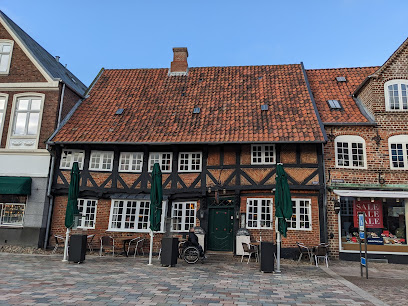
Pizza Express
0.2 km
Casual pizzeria on Ribe's main square serving traditional Italian pizzas in a relaxed, family-friendly setting.
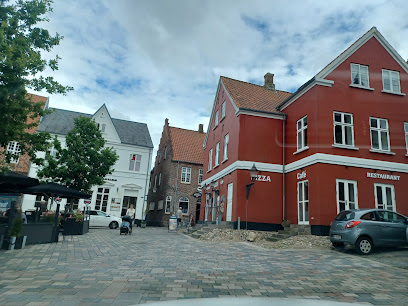
Weis Stue
0.3 km
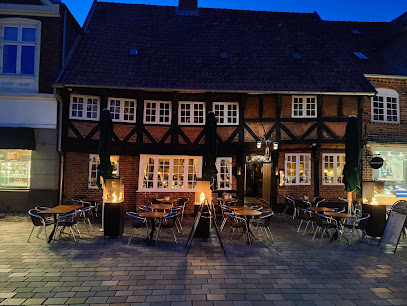
Centuries-old timber inn and restaurant on Ribe’s main square, serving classic Danish dishes and simple rooms in a wonderfully crooked historic house.
Sct. Peder Butik & Café
0.3 km
Medieval charm meets modern comfort in Ribe's cosiest courtyard café and vintage boutique.
Markets, malls and hidden boutiques

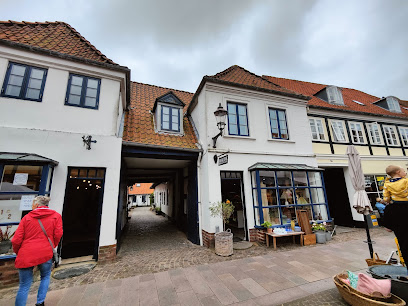
Maude Retro & Vintage
0.2 km
Colorful, craft-filled treasure trove in Ribe’s old town, where retro charm, handmade ceramics, knitwear and quirky art meet on a cozy cobbled-street corner.
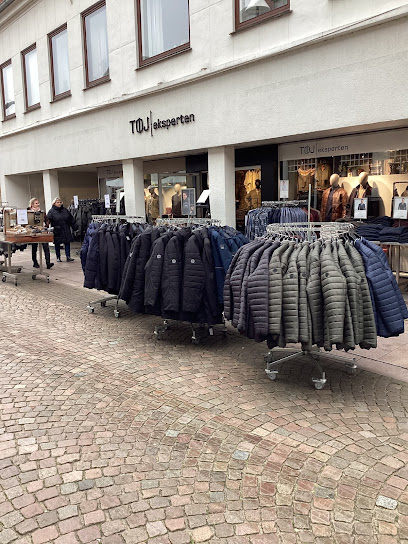
Tøjeksperten
0.2 km
Contemporary menswear in Ribe's historic pedestrian district, backed by Denmark's most generous return policy.
Ribes Embroidery And Yarn (M Svendsen)
0.2 km
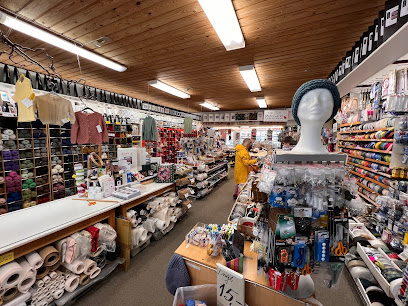
A cozy, floor‑to‑ceiling yarn and embroidery cave in Ribe’s historic center, where more than fifty years of color, fiber and patterns invite you to start a new project.
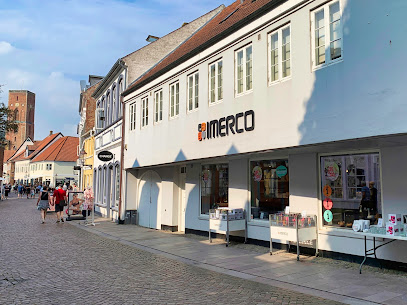
Imerco
0.2 km
Denmark's premier homeware destination offering Scandinavian design, kitchen essentials, and exclusive collections in historic Ribe.
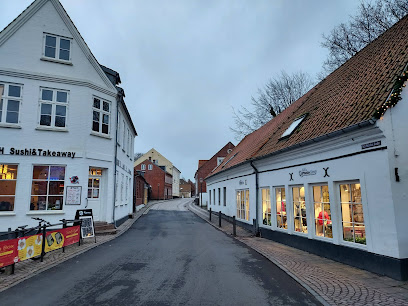
CHANGE Lingerie
0.2 km
Scandinavian fit-focused lingerie and loungewear in a cosy boutique on Ribe’s historic Mellemdammen, blending everyday comfort with a touch of indulgent elegance.
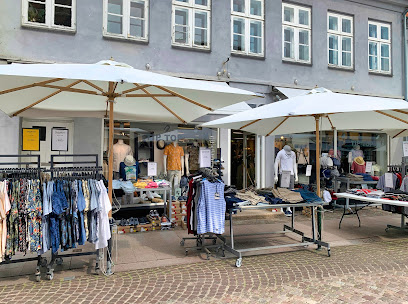
Tip Top I/S
0.2 km
A small, local clothing shop on Ribe’s historic Nederdammen, offering practical Scandinavian-style fashion in the heart of Denmark’s oldest town.
Frøken Anna
0.2 km
Cozy Ribe boutique blending Scandinavian everyday style, curated women’s fashion and relaxed small-town atmosphere in the cobbled heart of Denmark’s oldest town.
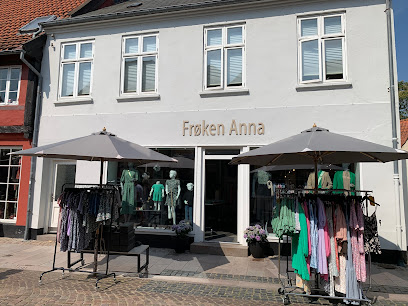
Mega Outlet
0.2 km
Discounted designer fashion in the heart of Denmark's oldest city.
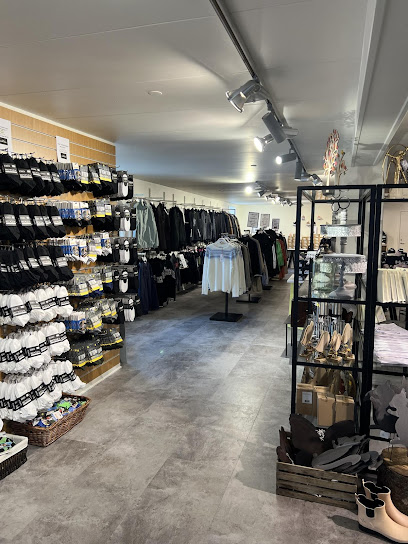
Janne K Ribe
0.2 km
Bright, comfortable women’s fashion in inclusive sizes, tucked into a historic townhouse on Ribe’s cobbled main street.
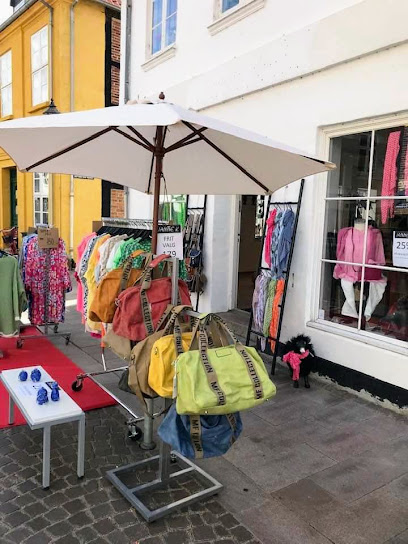
Butik B
0.2 km
Inviting women’s fashion boutique in Ribe’s historic center, blending Scandinavian style, everyday practicality and a relaxed, personal shopping atmosphere.
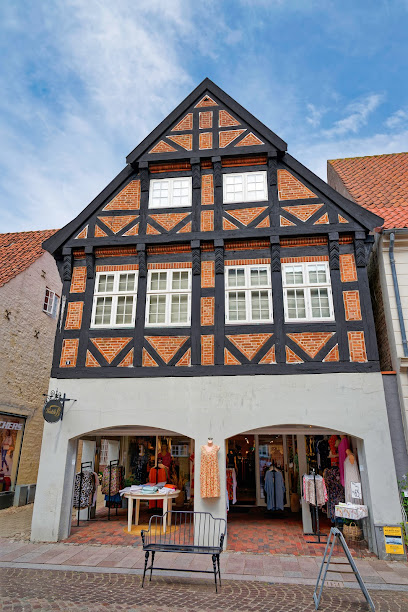
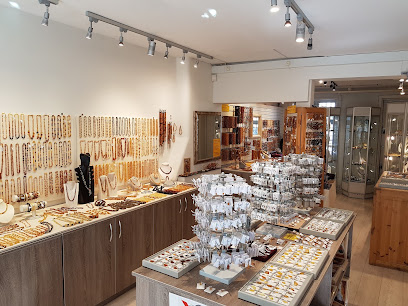
Den Lille Ravbutik
0.2 km
A cosy amber specialty shop in Ribe’s medieval heart, where warm golden stones, Scandinavian design and coastal heritage come together in wearable souvenirs.
Habengood
0.2 km
Ribe's intimate vintage and vinyl destination where personal service meets curated second-hand treasures.
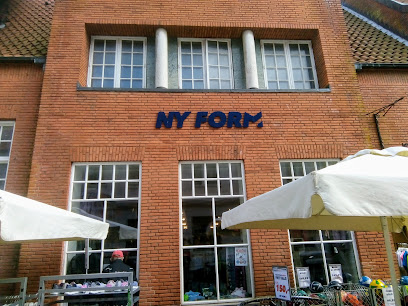
NEW FORM Ribe
0.2 km
Sporty, pet-friendly clothing store in Ribe’s historic center, stocking practical outdoor and casual wear for the whole family near the Wadden Sea coast.
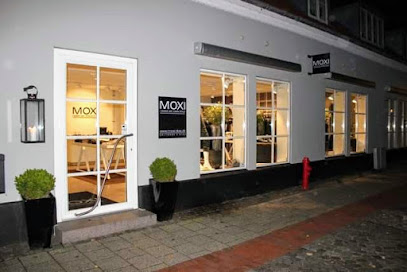
Moxi
0.2 km
A contemporary women’s fashion boutique on Ribe’s historic Saltgade, blending Scandinavian style, quality fabrics and curated labels in a cosy old-town setting.
Det Gamle Apothek
0.2 km
A historic former pharmacy in the heart of Ribe, now a cosy Nordic shop filled with atmospheric décor, seasonal treasures and a touch of old-town magic.
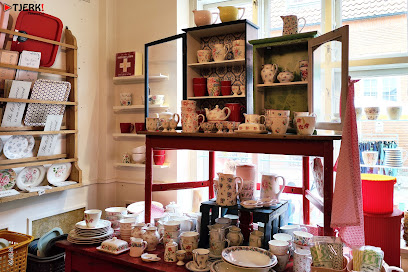
Essential bars & hidden hideouts

Café Valdemar
0.2 km
A compact late‑night bar and disco in the heart of historic Ribe, blending casual drinks, chart‑driven beats and a friendly weekend crowd on Sct Nicolaj Gade.
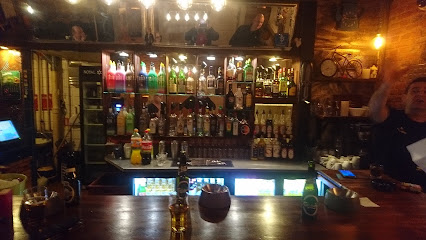
Strygejernet
0.2 km
Intimate corner pub in Ribe’s old town, pairing rustic coziness, smoke-free comfort and friendly bar life with simple drinks, games and unhurried evenings.
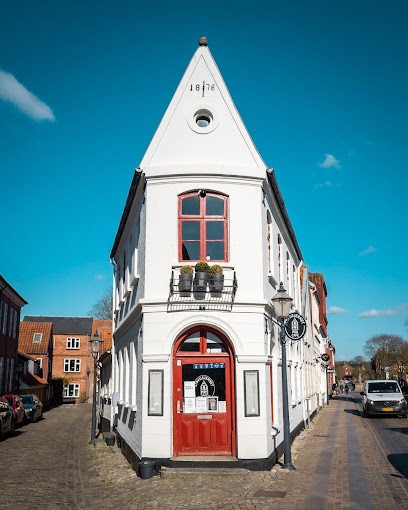
Stenbohus
0.2 km
Cosy, timeworn bar in the heart of Ribe, blending historic surroundings with easygoing drinks, local character and relaxed late‑night atmosphere.
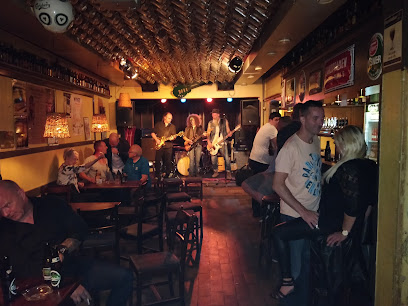
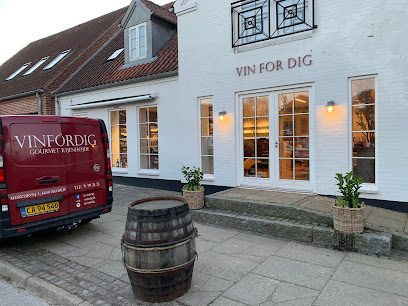
Vin For Dig Ribe
0.2 km
Cosy neighbourhood wine shop and intimate vinbar in Ribe, pairing curated bottles with generous takeaway tapas and relaxed Danish hygge.
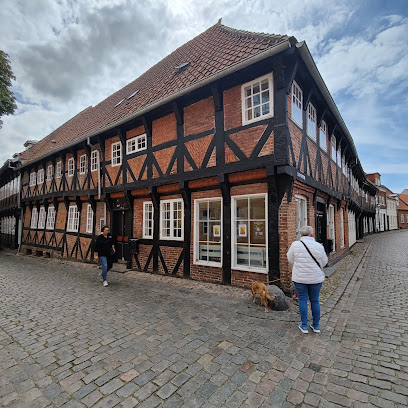
Termansens
0.3 km
Intimate jazz and live music in a centuries-old townhouse, where Ribe’s historic charm meets cozy, small-scale culture house vibes after dark.
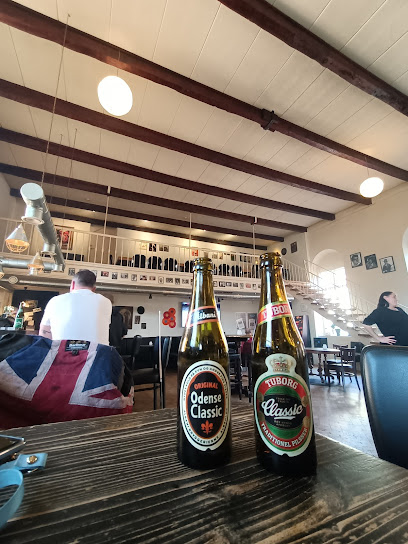
Klubben 1811
0.3 km
Casual, spacious bar in Ribe’s old town, mixing sports, pool and cold beer in a bright, easygoing setting just steps from the city’s medieval streets.
Grosmann's
7.9 km
Small-town Danish hygge in a tiny cocktail bar on Kirkegade, where classic drinks, warm lighting and everyday village life meet in laid-back South Jutland style.
Mødestedet
18.9 km
Cozy wine bar on Skærbæk’s main street, where locals and visitors share unhurried glasses of wine, simple snacks and relaxed conversation from day to evening.
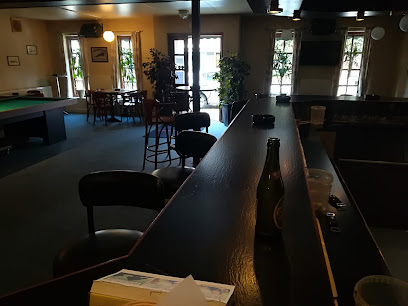
Bodega Pubs v/ Kim
18.9 km
Cozy local bodega in Skærbæk serving cold beer, simple drinks, and laid-back Danish bar culture in a friendly, down-to-earth neighborhood setting.
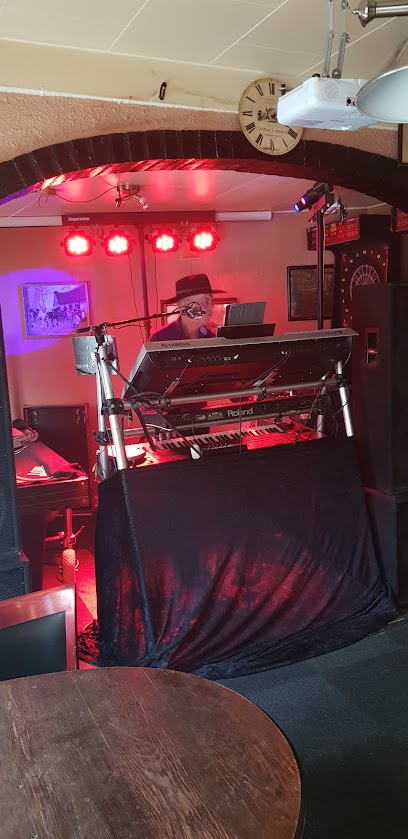
Dowdi Pub Bar
24.9 km
Old-school brown pub in central Esbjerg with inexpensive beers, wood‑panelled charm and a relaxed, local crowd from daytime regulars to late‑night lingerers.
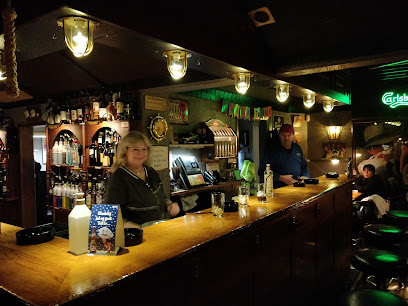
Pappi's pub
25.0 km
Unpretentious, drinks-first bar on Kongensgade offering a simple Danish pub vibe, easy prices and a central stop-off point in the heart of Esbjerg.
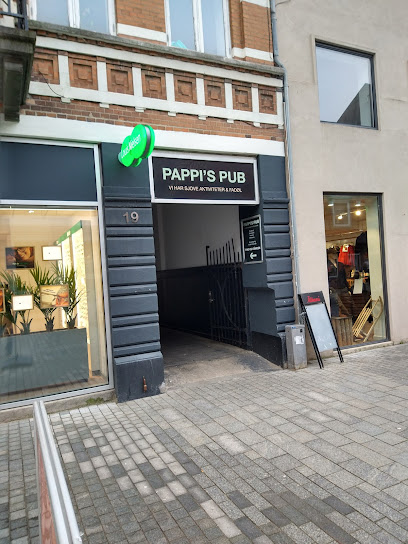
Bjælkehytten - En Vestjysk BierBar
25.0 km
Timber-clad, late-opening beer hut on Esbjerg’s Skolegade, serving easygoing brews and shots in a cosy, West Jutland party atmosphere at the heart of nightlife.
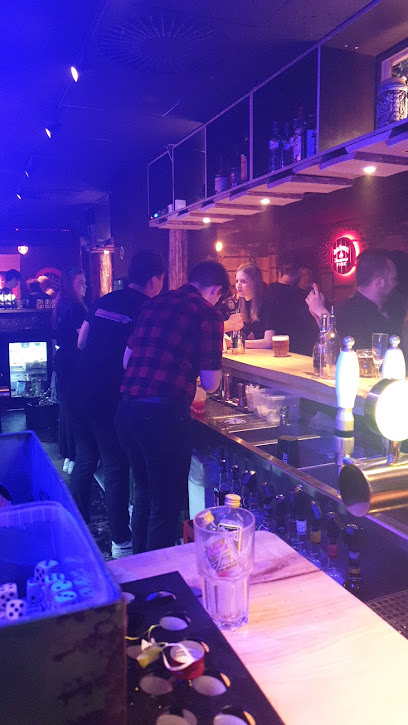
Rustik - Bar & Natklub
25.0 km
High‑energy bar and nightclub on Esbjerg’s Skolegade, mixing industrial style, cocktails and a tightly packed dance floor late into the night.
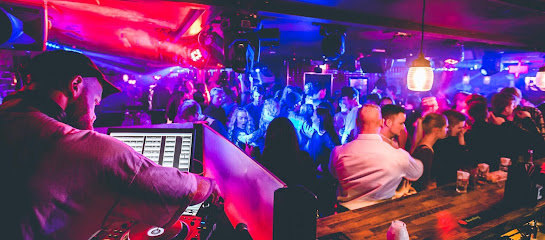
SoHo - Bar & Cocktails
25.0 km
Adults-focused cocktail bar tucked inside Esbjerg Street Food’s old theatre hall, pairing crafted drinks, modern design and a lively, central city atmosphere.
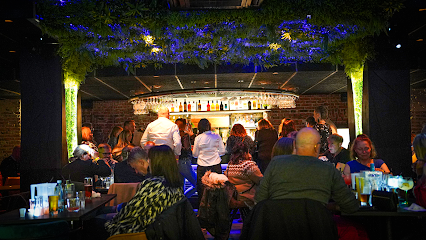
King George
25.0 km
Esbjerg's beloved beer hall where Danish tradition, lively atmosphere, and authentic hospitality converge on Skolegade.
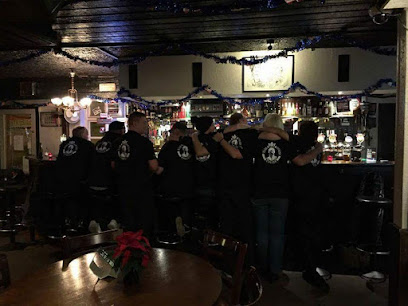
For the vibe & atmosphere seeker
- Tranquil
- Scenic
- Unique
- Casual
For the architecture buff
- Historic
- Landmarks
For the view chaser and sunset hunter
- Iconic Views
- Sunrise Spots
- Sunset Spots
For the social media creator & influencer
- Photo Spots
- Selfie Spots
- Architectural Shots
For the eco-conscious traveler
- Low Impact
- Public-Transport Accessible
- Locally Managed
For the kind of experience you’re after
- Cultural Heritage
- Photowalk
- Day Trip
- Roadtrip Stop
- Mindfulness
For how adventurous you want the journey to be
- Easy Access
Location Audience
- Family Friendly
- Senior Friendly
- Child Friendly
- Teen Friendly
- Solo Friendly
- Couple Friendly
- Solo Female Friendly
- LGBT Friendly


