

Kammerslusen Clay Excavations, Ribe Travel Guide
Free Guide: Freshwater lakes and wetlands where industrial heritage meets thriving birdwatching paradise.


A brief summary of Kammerslusen Clay Excavations
Freshwater lakes and wetlands where industrial heritage meets thriving birdwatching paradise.
Kammerslusen Clay Excavations is a distinctive coastal landscape near Ribe featuring freshwater lakes formed by historical clay extraction. Surrounded by agricultural fields and grasslands, the site offers excellent birdwatching opportunities with seasonal populations of waders and ducks. The excavated terrain creates a unique wetland environment that contrasts with the surrounding Wadden Sea region, making it a compelling destination for nature enthusiasts and ornithologists.
On-site amenities
 Seating areas
 Information boards
- Address
- 6760 Ribe
- Website
Getting there
Car from Ribe town center
Bicycle from Ribe
Walking from Kammerslusen lock
Bus from Ribe
Discover more about Kammerslusen Clay Excavations
A Landscape Shaped by Industry and Nature
Kammerslusen Clay Excavations represents a fascinating intersection of human industrial activity and natural ecological recovery. The site comprises a series of coastal freshwater lakes created through historical clay extraction operations, now transformed into a thriving wetland habitat. The varying water levels across the excavated basins create dynamic conditions that support diverse wildlife, particularly migratory and resident bird species. The surrounding agricultural landscape and grasslands frame these water bodies, creating a mosaic of habitats that sustains rich biodiversity throughout the year.
Premier Birdwatching Destination
The clay excavations have become renowned among ornithologists and birdwatchers for their exceptional populations of waders and ducks. The freshwater lakes attract numerous species during migration periods, while year-round residents utilize the site for feeding and breeding. The varying water depths and exposed mudflats created by fluctuating water levels provide ideal foraging grounds for specialized wader species. Birdwatchers visiting during spring and autumn migrations often encounter significant concentrations of birds, making the site a critical stopover point along major migratory routes.
Ecological Significance Within the Wadden Sea Region
Kammerslusen occupies an important ecological niche within the broader Wadden Sea UNESCO World Heritage area. While the Wadden Sea itself represents a unique tidal flat and barrier island system of global significance, the clay excavations provide complementary freshwater habitats that support species requiring different environmental conditions. The site's proximity to the Wadden Sea coast creates a transition zone where freshwater and brackish influences interact, enhancing overall habitat diversity. This ecological complementarity makes the excavations an integral component of the region's conservation value.
Seasonal Dynamics and Water Management
The character of Kammerslusen shifts dramatically with the seasons, driven by natural precipitation patterns and managed water levels. Winter months bring increased water volumes and attract dabbling ducks and diving species seeking open water. Spring and autumn migrations transform the site into a bustling waystation where thousands of birds pause to refuel during their long journeys. Summer conditions expose more mudflat areas, creating prime feeding habitat for waders. The managed nature of water levels reflects the site's history as an industrial extraction area, with ongoing stewardship balancing recreational, ecological, and agricultural interests.
Access and Visitor Experience
The excavations remain largely undeveloped, preserving their natural character while offering accessible viewing opportunities from surrounding paths and elevated vantage points. Visitors can observe the landscape from the adjacent dam and elevated areas, providing clear sightlines across the water bodies and surrounding terrain. The site's integration within the broader Ribe region, Denmark's best-preserved medieval town, allows visitors to combine natural history exploration with cultural and historical discovery. The contrast between the industrial-turned-natural landscape and the medieval architecture of nearby Ribe creates a compelling juxtaposition of temporal scales.
Evendo Review Centre
 Google
Guest reviews
Best time to go
Quietest: Jan, Jul & Dec · before 5am or at 8pm
Busy times are Evendo estimates for a typical year, to help you plan. Actual crowds vary with events, school holidays and the weather.
Explore Kammerslusen Clay Excavations on the map
A handpicked selection of must-see spots near Kammerslusen Clay Excavations, mapped for you.
Get your free copy of our complete guide to Kammerslusen Clay Excavations, delivered straight to you.
Everything on this page, from opening hours and how to get there to Eve’s tips and the best time to go, in one PDF you can read offline, print or share.
Already have an account? Sign in
Your Kammerslusen Clay Excavations guide is ready.
We'll send it to · Not you? Sign out

Getting your guide ready…
We are putting together a fresh copy of the Kammerslusen Clay Excavations guide. This can take up to a minute.
This can take a few moments. If your browser asks, choose Allow so the download can start. You'll find the guide in your Downloads folder.
Nothing happened? Download it again
Sorry, the guide is taking longer than usual. Please try again in a minute, or get it by email instead.
Other nearby places you may find interesting
The closest places of the same kind, if this one is not quite what you had in mind.
-
-
-
-
-


Swipe for more places
More to explore near Kammerslusen Clay Excavations
-
 Best experiences near Kammerslusen Clay Excavations
-
 Best hotels near Kammerslusen Clay Excavations
-
 Best landmarks near Kammerslusen Clay Excavations
-
 Best attractions near Kammerslusen Clay Excavations
-
 Best shops near Kammerslusen Clay Excavations
-
 Best restaurants near Kammerslusen Clay Excavations
-
 Best bars near Kammerslusen Clay Excavations


Do you manage this location?
Take control to get all the benefits, like improved information, better appearance, and stronger visibility across AI-powered discovery.
Explore more
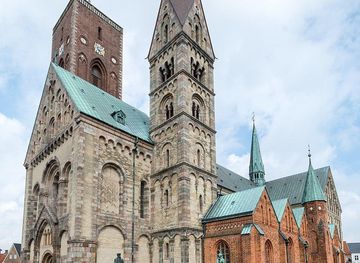
Explore more of Ribe
Discover Ribe, Denmark's oldest town, where medieval charm meets modern allure. Experience Viking history, stunning architecture, and breathtaking natural wonders.
Explore Ribe
Explore more of Denmark
Discover Denmark: A perfect blend of history, modern design, and the cozy concept of hygge. Explore vibrant cities, serene landscapes, and world-class cuisine.
Explore Denmark
