
North Sea Cycle Route, Romo Travel Guide
A quiet, wind-swept slice of the world’s longest signed coastal cycle route, where dikes, marshland and big North Sea skies frame gentle riding by the Wadden Sea.
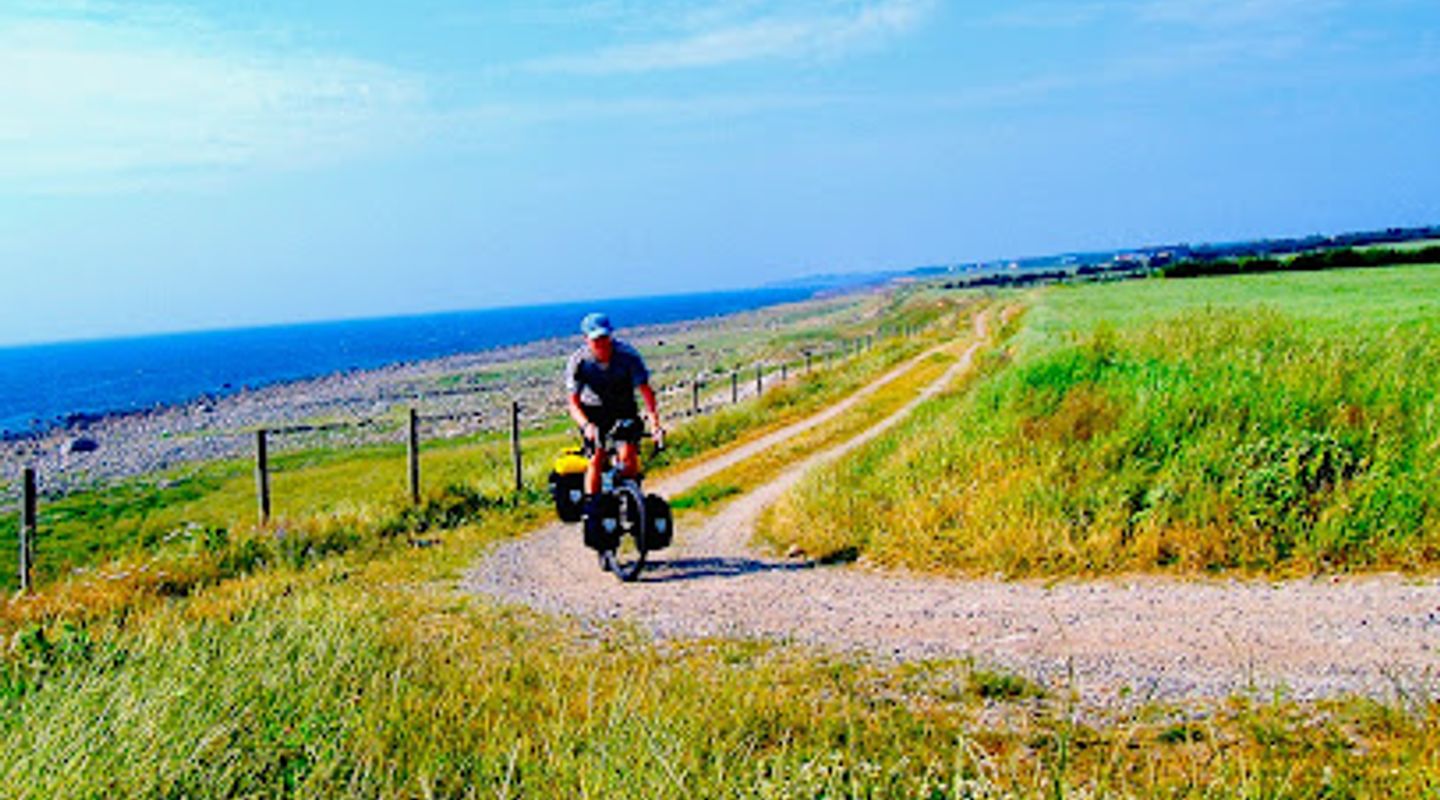
Skirting the edge of the Wadden Sea near Vesterende Ballum, this stretch of the North Sea Cycle Route (EuroVelo 12) offers big skies, wide dikes and the quiet charm of rural southwest Jutland. Cyclists glide along largely flat paths between grazing sheep, wind-bent grasses and distant church spires, with the tidal rhythms of the UNESCO-listed Wadden Sea just beyond the embankment. It is a contemplative, wind-swept section of one of the world’s great coastal cycling routes, ideal for day rides or as part of a longer North Sea journey.
A brief summary to North Sea Cycle Route
- Kirke, Vesterende Ballum, DK
- Duration: 1.5 to 6 hours
- Free
-
 Outdoor
- Mobile reception: 4 out of 5

Know before you go
Hi, I'm Eve. Here are a few practical things to know before exploring North Sea Cycle Route.
- Bring windproof layers year-round; even on sunny days the coastal breeze can feel cool and noticeably affect your riding effort.
- Carry enough water and snacks, as services along the dike and minor lanes are sparse and village shops may have limited opening hours.
- Use wider touring tyres to handle the mix of asphalt, compact gravel and occasional unsurfaced sections comfortably.
- Check tide and weather forecasts before longer rides if you plan to explore viewpoints toward the Wadden Sea mudflats.
- In spring and autumn, pack binoculars to enjoy birdlife on the surrounding meadows and tidal areas.
Do you manage this location?
Take control to get all the benefits, like improved information, better appearance, and stronger visibility across AI-powered discovery. Learn more about listing your business on Evendo
Activate your presenceOther nearby places you may find interesting
The closest places of the same kind, if this one is not quite what you had in mind.

Explore North Sea Cycle Route on the Map
A handpicked selection of must-see spots near North Sea Cycle Route, mapped for you.
Getting There
-
Train + bike from Ribe
From Ribe, take a regional train toward Skærbæk or Bredebro, a journey of around 20–30 minutes, with most departures allowing bicycles for a small supplement. From either station, cycle the remaining 15–20 km on quiet roads toward Vesterende Ballum, allowing about 60–90 minutes of riding depending on wind. A combined train ticket and bike surcharge typically costs in the range of 40–90 DKK per person. Trains run roughly hourly during the day, but evening and weekend frequencies can be lower.
-
Car from Esbjerg
From Esbjerg, driving to the Vesterende Ballum stretch of the North Sea Cycle Route takes about 1–1.5 hours through rural southwest Jutland. There is no dedicated car park for the entire route, but informal parking is usually possible near the village church or along minor side roads, provided you avoid blocking farm access. There are no road tolls on this approach, and fuel costs are the main expense. In winter, strong winds and occasional coastal flooding can make local roads slower, so allow extra time in poor weather.
-
Regional bus with bike from Tønder area
Regional buses connect towns like Tønder and Skærbæk with smaller communities near Ballum in about 40–70 minutes, usually costing around 30–70 DKK depending on distance and ticket type. Some services accept bicycles on board or in rear racks for an additional fee, but space is limited and not guaranteed at peak times. Expect reduced frequency in the evenings and on weekends, and check that your chosen departure explicitly permits bikes before relying on this option.
For the on-the-go comforts that matter to you
-
 Trash Bins
-
 Information Boards
-
 Seating Areas
Discover more about North Sea Cycle Route
Coastal riding on the edge of the Wadden Sea
This section of the North Sea Cycle Route traces the low dikes and reclaimed marshlands around Vesterende Ballum, a tiny village facing the Wadden Sea in southwest Jutland. Here the landscape feels expansive and horizontal: thin roads and bike paths run like pencil lines between broad green fields, drainage canals and the grassy sea wall that holds back the tides.The route itself is part of EuroVelo 12, a 6,000 km itinerary that links eight North Sea countries, but around Ballum it feels decidedly intimate. You ride close to grazing sheep and sturdy farmsteads, with views opening suddenly toward the shimmering mudflats and sandbanks that appear and vanish with the tide. The cycling is almost entirely flat, with only the dike climbs providing brief, gentle effort.Village churches, dikes and quiet lanes
The place name on the map sits by the small village church at Vesterende Ballum, a neat landmark that anchors this rural community. From here, narrow lanes quickly reconnect with the signposted North Sea Cycle Route, letting you link short loops or continue along the coast. The church tower, red-roofed houses and sheltering trees give a sense of scale against the surrounding open land.Riding atop or behind the dike, you are rarely far from water. Canals cut geometric patterns through the meadows, sluices channel rain and tide, and low bridges mark subtle changes in elevation. Traffic is sparse, and much of the route uses quiet backroads or dedicated cycle tracks, making it suitable for less confident riders as well as long-distance tourers.Wind, weather and the rhythm of the tides
The elemental character of this stretch is defined by wind and sky. On clear days you pedal under a dome of blue, with long views toward the islands and sandbanks of the Wadden Sea. When clouds roll in, the light shifts rapidly, turning the water metallic and the fields a deeper green. Strong breezes are common; a tailwind can feel like a helping hand, while a headwind turns gentle terrain into a satisfying challenge.Tides shape what you see beyond the dike. At low tide vast mudflats emerge, sometimes speckled with birds probing the soft ground. At high tide the sea presses closer, lapping at the outer slope of the embankment. Even when the water itself is mostly out of view, salt-laden air, seabirds and the distant sound of waves reinforce the coastal setting.Nature, birdlife and the Wadden Sea backdrop
This coastline forms part of the broader Wadden Sea ecosystem, one of northern Europe’s most important wetlands for migratory birds. Around Ballum, you may spot flocks resting in the meadows or swirling across the horizon, especially during spring and autumn passages. Drainage ditches and low-lying pastures provide feeding grounds for waders, geese and ducks.The sense of nature here is understated rather than dramatic. There are no high cliffs or crashing surf, but rather a subtle interplay of marsh plants, reeds, tidal channels and sky. For many riders this makes the route ideal for unhurried observation: you can pause on the dike, lean your bike against a fence and simply watch the changing light over the flats.Life on two wheels in rural southwest Jutland
Cycling culture in Denmark is deeply ingrained, and even in this sparsely populated corner of Jutland bikes feel like a natural way to move. Small hamlets like Vesterende Ballum are scattered along the coast, often with holiday homes, simple accommodation and farm stays that cater to touring cyclists. It is easy to build a multi-day itinerary linking this area with Ribe, Esbjerg or the German border.Surfaces vary from smooth asphalt to compact gravel and short packed-earth sections, so trekking or touring tyres are a comfortable choice. The gentle profile and relatively short distances between villages make this stretch accessible to families and occasional riders, provided they are prepared for variable wind and weather.Planning your ride along the Ballum section
Most people experience this part of the North Sea Cycle Route as a stage on a longer coastal journey, but it also works well as a half- or full-day out from a base in nearby towns or holiday houses. Loops that combine the sea dike with inland farm roads reveal both the maritime and agricultural sides of the region.Facilities remain fairly low-key. You should not expect continuous cafés or shops right on the dike; instead, plan your food and water around village amenities or bring supplies with you. In return, you gain a sense of space and calm that is hard to find on busier sections of the route, making the Vesterende Ballum area a rewarding pause on the long sweep of the North Sea Cycle Route.












Your all‑in‑one travel companion app
Explore expert travel guides, compare and book tours, experiences, hotels, and more—all from the palm of your hand. Download now for seamless trip planning wherever your wanderlust takes you.


Explore More of Romo
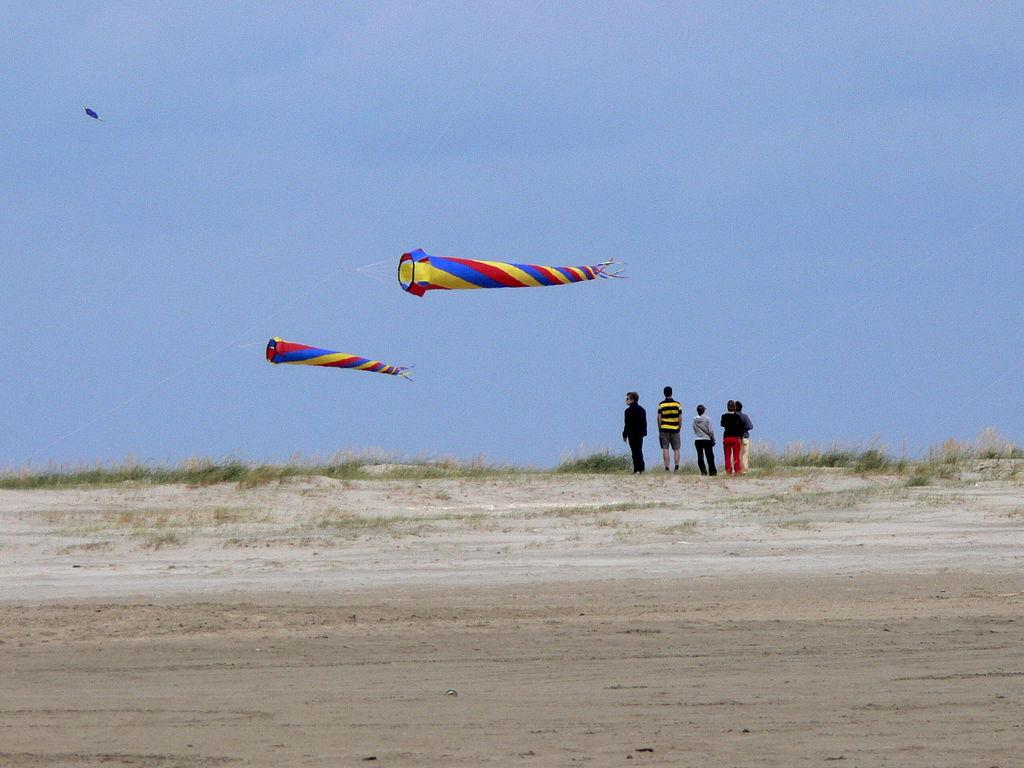
Looking beyond North Sea Cycle Route? Discover Romo for broader travel guides, local hot-spots, and regional highlights.
Explore Romo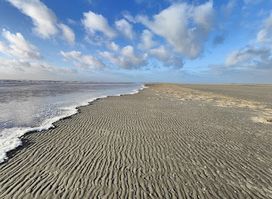
An immense North Sea strand where you can drive on the sand, chase the wind with kites and sails, and wander for kilometres between dunes, sky and sea.

Historic sea lock on the Wadden Sea edge, where red-brick engineering, wide marsh views and rich birdlife meet in a quietly dramatic South Jutland landscape.
